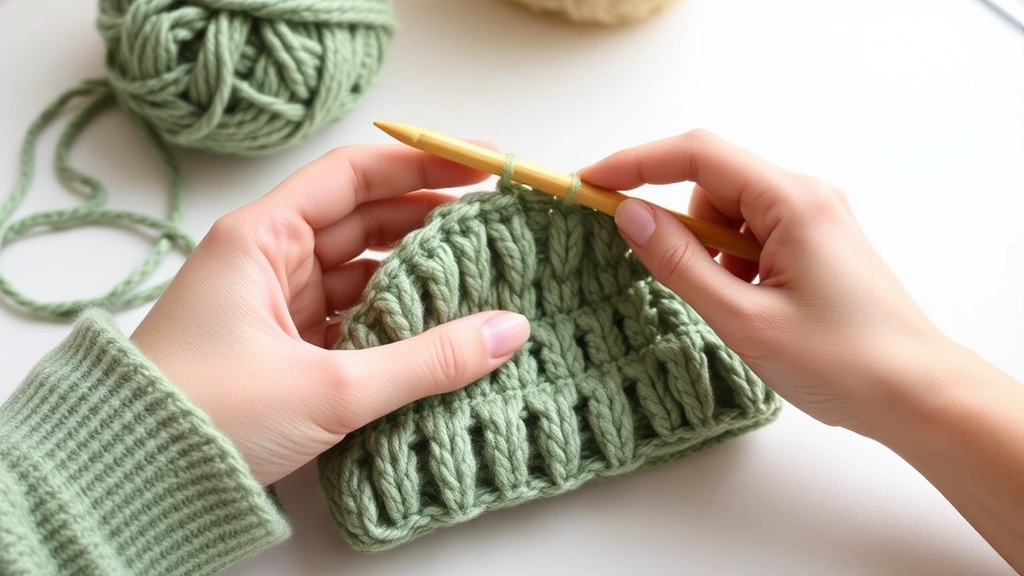
I’ll never forget the first time I tried to crochet a beanie. I was so excited to make something practical that I could actually wear, but I had no idea what I was getting myself into. The pattern called for “worsted weight yarn” and a “size H hook,” which meant absolutely nothing to me at the time. Three failed attempts and several YouTube videos later, I finally understood that choosing the right materials is just as important as knowing the stitches.
If you’re staring at a beanie pattern wondering what yarn to buy, you’re definitely not alone. The yarn aisle can feel overwhelming when you’re not sure what you’re looking for, and picking the wrong yarn can turn your dream beanie into a saggy mess or a helmet that won’t fit anyone’s head.
Here’s what I wish someone had told me from the start: the best yarn for beanies needs to balance warmth, stretch, durability, and ease of care. You want something that’ll keep its shape after washing, feel comfortable against your skin, and actually look good after you’ve worn it a few times. The good news? Once you know what to look for, choosing yarn becomes so much easier.
Quick Answer
Worsted weight acrylic or wool blends work best for most beanies, offering the right balance of warmth, stretch, and durability. Look for yarns like Red Heart Super Saver, Lion Brand Wool-Ease, or Caron Simply Soft for beginner-friendly options that hold their shape well.
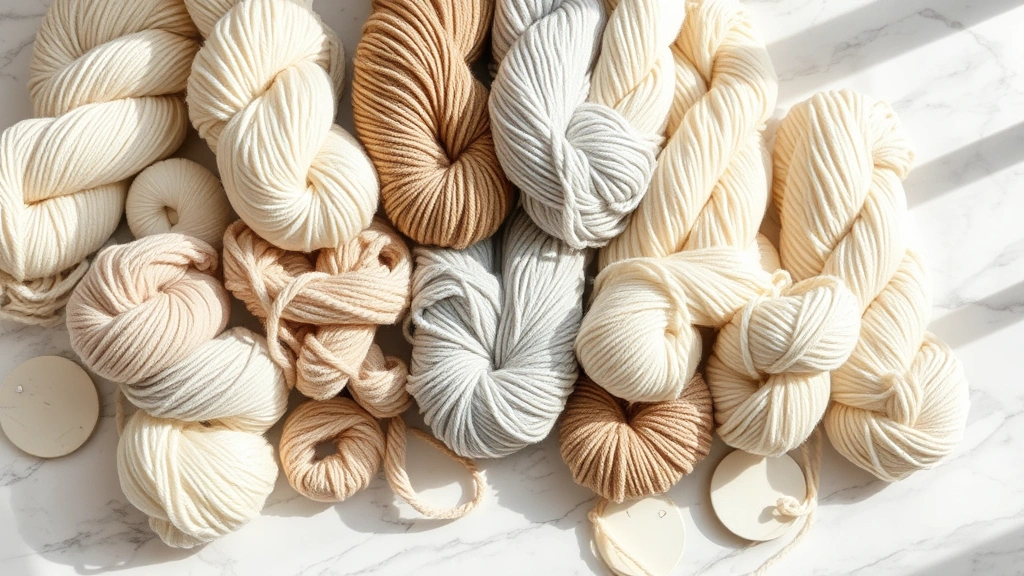
Why Yarn Weight Matters for Beanies
Yarn weight is probably the most important factor when choosing beanie yarn, and it’s where I see beginners make the biggest mistakes. Using the wrong weight can completely change how your finished beanie fits and looks.
Worsted weight (Category 4) is your best friend for beanies. It creates the perfect fabric density – thick enough to be warm but not so bulky that your beanie looks like a chef’s hat. When you’re working with single crochet stitches, worsted weight gives you that nice, even fabric that holds its shape.
I’ve tried making beanies with lighter weights like DK (Category 3), and while they can work, you’ll need to adjust your pattern significantly. The fabric ends up thinner, which means less warmth, and you might need to add more rounds to get the right circumference.
Pro tip: If your pattern doesn’t specify yarn weight, it’s almost certainly written for worsted weight yarn. This is the standard for most beanie patterns you’ll find online.
Bulky weight (Category 5) can work beautifully for chunky, oversized beanies, but be careful – it’s easy to end up with something that’s too stiff or heavy. I learned this the hard way when I made a bulky beanie that was so thick it wouldn’t stay on my head properly.
Hook Size Pairing
Your yarn weight determines your hook size, which affects the drape and stretch of your beanie. For worsted weight, you’ll typically use a size H (5mm) or I (5.5mm) hook. The slightly larger hook gives you a fabric with just enough give to fit comfortably over different head sizes.
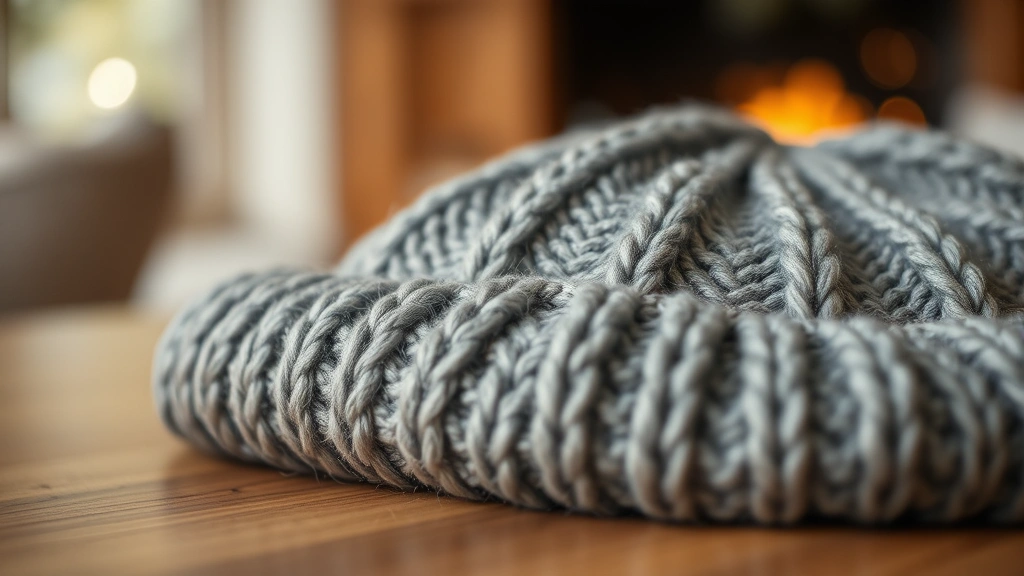
Best Fiber Types for Different Needs
The fiber content of your yarn determines how your beanie will feel, how it’ll wash, and how long it’ll last. Each type has its pros and cons, and the best choice depends on who’s wearing the beanie and how they’ll use it.
Acrylic: The Practical Choice
Let’s be honest – acrylic gets a bad rap, but modern acrylic yarns are fantastic for beanies. They’re machine washable, affordable, and come in every color imaginable. Lion Brand Wool-Ease and Red Heart Super Saver are my go-to choices for everyday beanies.
Acrylic is especially great if you’re making beanies for kids or anyone who’s rough on their accessories. It won’t felt if you accidentally throw it in hot water, and it dries quickly. The newer acrylic blends feel much softer than the scratchy yarns from years ago.
Wool: The Luxury Option
Pure wool is amazing for beanies – it’s naturally temperature regulating, incredibly warm, and has beautiful stitch definition. However, it requires more careful handling. Superwash wool is a great compromise because it’s machine washable while still giving you that wool warmth and elasticity.
I love using wool for adult beanies, especially when I’m working on more complex stitch patterns. The way wool holds cable crochet stitches is just gorgeous.
Cotton: The Summer Alternative
Cotton might seem like an odd choice for beanies, but it’s perfect for lightweight, breathable options. Cotton beanies work great for spring and fall, or for people who want head coverage without too much warmth. Just keep in mind that cotton has less stretch than wool or acrylic.
| Fiber Type | Best For | Care Level | Price Range |
|---|---|---|---|
| Acrylic | Everyday wear, kids | Easy (machine wash) | $3-8 per skein |
| Wool | Cold weather, adults | Moderate (hand wash) | $8-20 per skein |
| Superwash Wool | Best of both worlds | Easy (machine wash) | $10-25 per skein |
| Cotton | Warm weather, breathability | Easy (machine wash) | $4-12 per skein |
Top Yarn Recommendations by Category
After making dozens of beanies over the years, I’ve found some yarns that consistently give great results. Here are my tried-and-true favorites for different situations.
Best Budget Options
Red Heart Super Saver is the classic choice for a reason. It’s incredibly affordable, comes in tons of colors, and holds up to years of wear and washing. The texture has improved significantly over the years – it’s much softer than it used to be.
Caron Simply Soft is another excellent budget option that feels more luxurious than its price suggests. It has a lovely drape and comes in beautiful heathered colors that hide minor tension issues beautifully.
Mid-Range Favorites
Lion Brand Wool-Ease is my absolute favorite for beanies. It’s 80% acrylic and 20% wool, giving you the best of both worlds – easy care with the warmth and elasticity of wool. When working with double crochet stitches, this yarn creates a beautiful, even fabric.
Bernat Super Value is another solid mid-range choice. It’s slightly softer than Red Heart but still budget-friendly, and it comes in some really nice color combinations.
Premium Picks
If you want to splurge a bit, Malabrigo Worsted is absolutely gorgeous. It’s 100% merino wool, incredibly soft, and the colors are stunning. Just remember it needs gentle care.
For superwash wool, I love Cascade 220 Superwash. It’s machine washable but still has that beautiful wool feel and stitch definition that makes your finished beanie look professional.
Texture and Stitch Definition
The texture of your yarn affects how your stitches look and how your beanie feels against the skin. This is especially important if you’re planning to use textured stitches or want your beanie to have a particular look.
Smooth yarns like Caron Simply Soft show stitch definition beautifully. If you’re working on a beanie with front post double crochet details or other textured stitches, smooth yarn will make those details pop.
Slightly fuzzy yarns like some wool blends are forgiving of tension issues and minor mistakes. The fuzziness fills in small gaps and makes your stitches look more even. This is great for beginners who are still working on consistent tension.
Highly textured or novelty yarns can be tricky for beanies. While they might look interesting in the skein, they can obscure your stitch work and make it harder to see where to insert your hook. I’d recommend sticking with smoother textures until you’re comfortable with your beanie construction.
Stitch Definition Considerations
If you’re planning a simple beanie in basic stitches, yarn texture is less critical. But if you want to show off complex stitch patterns, choose a yarn that will highlight your work. Smooth, plied yarns in solid or subtly variegated colors work best for showcasing stitch details.
Color and Pattern Considerations
Color choice can make or break your beanie project, and it’s not just about personal preference. Some colors and patterns work better with certain yarn types and stitch patterns.
Solid colors are your safest bet, especially for your first few beanies. They show stitch definition clearly and hide minor tension variations well. Dark colors like navy, charcoal, and black are particularly forgiving for beginners.
Heathered or tweedy yarns are fantastic for hiding small mistakes while still adding visual interest. Caron Simply Soft Heathers and Red Heart With Love are great examples of yarns that have subtle color variation without being distracting.
Working with Variegated Yarns
Variegated yarns can be tricky in beanies because the color changes might not align well with your rounds. Short color repeats can create a busy, chaotic look, while long color repeats might give you odd color pooling.
If you want to use variegated yarn, look for ones with long, gradual color changes. Ravelry is a great resource for seeing how different yarns look worked up in beanie patterns.
Quick tip: If you’re unsure about a color, make a small swatch first. A few rows of your planned stitch pattern will show you exactly how the yarn will look in your finished beanie.
Care and Durability Factors
A beanie is something you’ll hopefully wear for years, so thinking about care and durability upfront will save you frustration later. Nothing’s worse than spending hours on a project only to have it fall apart after a few washes.
Machine washability is crucial for most people. Unless you’re making a special occasion beanie, choose yarn that can handle regular machine washing. Acrylic and superwash wool are your best bets here.
Consider who will be wearing the beanie and how they’ll treat it. Kids’ beanies need to be practically indestructible and easy to wash. Adult beanies for everyday wear should still be low-maintenance, while a special gift beanie might justify more delicate yarn and care requirements.
Pilling and Wear Resistance
Some yarns pill more than others with wear and washing. Higher-quality acrylics and wool blends tend to pill less than cheaper alternatives. If you’re making a beanie that will see heavy use, it’s worth investing in slightly better yarn.
The way you construct your beanie also affects durability. Working with half double crochet creates a denser, more durable fabric than single crochet, which can be important for beanies that will get a lot of wear.
Budget-Friendly vs Premium Options
You don’t need to spend a fortune to make a great beanie, but understanding the differences between budget and premium yarns helps you make informed choices.
Budget yarns (under $5 per skein) like Red Heart Super Saver and Bernat Super Value are perfect for practice projects, kids’ beanies, or when you need to make multiple beanies. They’re durable, widely available, and come in lots of colors.
The main trade-offs with budget yarns are usually softer hand feel and sometimes less consistent thickness. But for functional beanies, these differences are often minimal in the finished project.
Mid-range yarns ($5-12 per skein) like Lion Brand Wool-Ease or Cascade 220 offer better feel and often better stitch definition. They’re worth the extra cost if you’re making a beanie as a gift or want something that feels more luxurious.
Premium yarns ($12+ per skein) are beautiful but not necessary for most beanie projects. Save these for special projects where the extra softness and quality are worth the investment.
Yardage Considerations
Most adult beanies need 200-300 yards of worsted weight yarn, depending on the pattern and desired slouch. It’s always better to have too much than too little, especially if you’re working with a yarn that might be discontinued.
When comparing yarn costs, look at the yardage per dollar, not just the price per skein. Some premium yarns actually offer better value because they have more yardage per skein.
Common Questions
How much yarn do I need for one adult beanie?
You’ll need approximately 200-300 yards of worsted weight yarn for a standard adult beanie. Slouchy beanies or those with complex stitch patterns may require up to 400 yards. I always recommend buying one full skein (usually 300-400 yards) to ensure you have enough, plus extra for potential mistakes or modifications.
Can I use baby yarn for adult beanies?
Baby yarn is typically lighter weight (DK or sport) and designed for delicate skin, so it won’t give you the structure and warmth you want in an adult beanie. Stick with worsted weight yarns for adult beanies. If you want extra softness, look for adult yarns labeled as “soft” or “baby soft” in worsted weight instead.
What’s the difference between acrylic and wool for beanies?
Acrylic is machine washable, affordable, and durable, making it great for everyday beanies and children’s accessories. Wool is warmer, more breathable, and has natural elasticity that helps beanies keep their shape, but it typically requires hand washing unless it’s superwash treated. Wool blends offer a compromise with easier care than pure wool but better warmth than pure acrylic.
Should I choose variegated or solid colored yarn?
Solid colors are more versatile and show stitch definition better, making them ideal for textured patterns or if you’re still learning. Variegated yarns can be beautiful but may create color pooling or hide your stitch work. If you choose variegated, look for long, gradual color changes rather than short, abrupt ones for the best results in beanies.
How do I know if my yarn choice will make the beanie too stiff or too floppy?
The yarn’s fiber content and your hook size determine the fabric’s drape. Acrylic and cotton tend to create structured fabric, while wool and bamboo blends drape more softly. If your gauge swatch feels too stiff, try a larger hook size. If it’s too floppy, go down a hook size. The fabric should have some structure but still be flexible enough to stretch comfortably over the head.
Can I substitute yarn weights in beanie patterns?
Substituting yarn weights requires significant pattern adjustments and isn’t recommended for beginners. If you want to use DK weight instead of worsted, you’ll need to add more stitches and rounds to achieve the same dimensions. It’s much easier to find a pattern specifically written for your preferred yarn weight. When working with treble crochet or other tall stitches, yarn weight becomes even more critical for proper fit.
What yarn works best for beanies that will be washed frequently?
Choose machine-washable yarns like acrylic, cotton, or superwash wool for frequently washed beanies. Avoid pure wool, alpaca, or other animal fibers that require hand washing. Acrylic yarns like Lion Brand Wool-Ease or Red Heart Super Saver are excellent choices because they maintain their shape and color through many wash cycles.
How do I choose yarn for a beanie with cables or textured stitches?
Smooth, plied yarns in solid or subtly variegated colors show textured stitches best. Avoid highly textured, fuzzy, or novelty yarns that will obscure your stitch definition. Light to medium colors work better than very dark colors for seeing stitch details clearly while you work. Wool or wool blends hold cable shapes particularly well due to their natural memory and elasticity.
Choosing the right yarn for your beanie project doesn’t have to be overwhelming once you understand the basics. Focus on yarn weight first – worsted weight is your safest bet for most patterns. Then consider your fiber preferences based on care requirements, budget, and who will be wearing the beanie.
Remember that there’s no single “perfect” beanie yarn – the best choice depends on your specific project and needs. Start with reliable, budget-friendly options like Red Heart Super Saver or Lion Brand Wool-Ease while you’re learning, then experiment with different fibers and textures as you gain confidence.
The most important thing is to start making beanies and see how different yarns work for you. Every crocheter develops their own preferences through experience, and what works perfectly for one person might not be ideal for another. Grab some yarn that fits your budget and pattern requirements, and start stitching. You’ll learn more from making one beanie than from reading about yarn for hours, and you’ll end up with something warm and practical to show for your efforts.