You know that moment when you’re scrolling through Pinterest at 2 AM and stumble across the most adorable crochet baby blanket pattern? The colors are perfect, the stitches look dreamy, and you can already picture it wrapped around a tiny bundle of joy. But then reality hits – you’ve never made a baby blanket before, and suddenly you’re wondering if you’re in over your head.
I’ve been there, friend. My first baby blanket was… well, let’s just say it could have doubled as a small tent. I made every mistake in the book – wrong yarn weight, inconsistent tension, and don’t even get me started on the wonky edges. But here’s the thing: crocheting baby blankets is actually one of the most forgiving and rewarding projects you can tackle, even as a beginner.
Baby blankets are perfect for building your skills because they’re essentially large rectangles (or squares) of repetitive stitches. You get to practice consistency, learn new stitch patterns, and create something absolutely precious. Plus, babies don’t judge wonky stitches – they just want something soft and cozy.
Quick Answer
Baby blankets typically measure 30-36 inches square and require 1,000-1,500 yards of worsted weight yarn. Choose soft, washable yarn like cotton or acrylic, use a 5.5mm (I/9) hook for most patterns, and expect to spend 15-25 hours on your project depending on complexity.
Choosing the Right Yarn for Baby Blankets
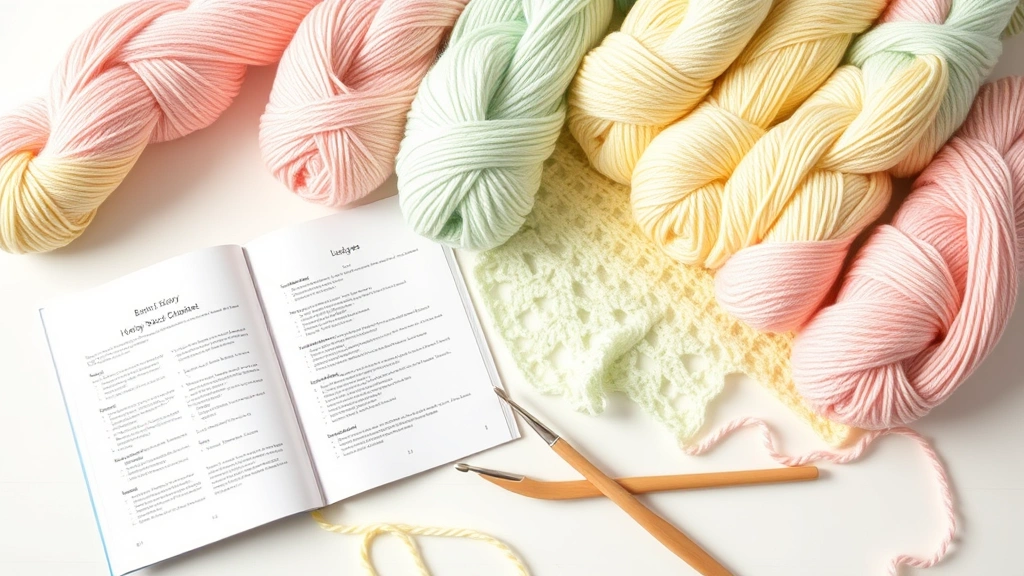
Let’s talk yarn – because this decision will make or break your baby blanket project. I learned this the hard way when I made my nephew’s first blanket with a gorgeous alpaca blend that required hand-washing. Spoiler alert: new parents don’t have time for hand-washing anything.
The golden rule for baby blankets is simple: if it can’t go in the washing machine and dryer, don’t use it. Babies are messy little humans, and their blankets need to survive multiple wash cycles without falling apart or losing their softness.
Best Yarn Types for Baby Blankets
Cotton: My personal favorite for baby blankets. It’s naturally breathable, hypoallergenic, and gets softer with each wash. Lion Brand 24/7 Cotton and Bernat Handicrafter Cotton are excellent choices. Cotton works beautifully for granny square patterns and creates crisp stitch definition.
Acrylic: Don’t let yarn snobs fool you – modern acrylic yarns are incredibly soft and practical. Red Heart Super Saver and Caron Simply Soft are budget-friendly options that hold up beautifully. They’re perfect for practicing single crochet techniques without breaking the bank.
Cotton-Acrylic Blends: These give you the best of both worlds – cotton’s breathability with acrylic’s durability and easy care. Bernat Baby and Lion Brand Babysoft are popular choices.
| Yarn Type | Best For | Care | Price Range |
|---|---|---|---|
| 100% Cotton | Summer babies, sensitive skin | Machine wash/dry | $$ |
| Acrylic | Everyday use, beginners | Machine wash/dry | $ |
| Cotton/Acrylic Blend | Year-round use | Machine wash/dry | $$ |
Yarn Weight Considerations
For baby blankets, worsted weight (size 4) yarn is your sweet spot. It works up quickly, creates good stitch definition, and provides the right amount of warmth without being too heavy. If you’re working with chunky yarn projects, save those for adult blankets – they’re too bulky for babies.
Pro tip: Buy an extra skein or two of your chosen yarn. Nothing’s worse than running out of yarn when you’re 90% done, especially if it’s a discontinued colorway.
Baby Blanket Sizes and Measurements
Here’s where a lot of crocheters get overwhelmed – what size should a baby blanket actually be? The answer depends on how you want it to be used, but I’ll give you the standard measurements that work for most situations.
Standard Baby Blanket Sizes
Receiving Blanket: 18″ x 18″ to 20″ x 20″ – Perfect for swaddling newborns and small enough to tuck into diaper bags. These work up quickly and make great last-minute gifts.
Crib Blanket: 30″ x 36″ to 36″ x 36″ – This is the most popular size and what most people think of as a “baby blanket.” It’s large enough to use in the crib but not so big that it becomes overwhelming.
Stroller Blanket: 30″ x 30″ – Square blankets are easier to manage when you’re out and about with baby.
Toddler Blanket: 36″ x 50″ – If you want to make something the child can grow into, this size works well for toddler beds.
Calculating Yarn Requirements
This is where math meets creativity, and honestly, it’s not as scary as it sounds. For a standard 30″ x 36″ baby blanket in worsted weight yarn, you’ll typically need:
- Single crochet: 1,200-1,500 yards
- Double crochet: 1,000-1,200 yards
- Granny squares: 1,100-1,300 yards
- Shell or fan patterns: 1,300-1,600 yards
I always buy 20% more yarn than I think I’ll need. Trust me on this one – it’s better to have leftover yarn for baby booties patterns than to be scrambling for more yarn at 11 PM when you’re on a deadline.
Essential Stitches Every Baby Blanket Maker Needs
You don’t need to know every stitch in the book to make beautiful baby blankets. In fact, some of the most stunning blankets I’ve seen use just two or three basic stitches in creative combinations.
The Foundation Four
Single Crochet (sc): The workhorse of baby blankets. It creates a dense, warm fabric that’s perfect for cooler weather. When you’re mastering single crochet techniques, focus on keeping your tension consistent – this is what makes or breaks the final look.
Double Crochet (dc): Faster to work than single crochet and creates a lovely drape. Perfect for lightweight summer blankets. The key is maintaining even height across all your stitches.
Half Double Crochet (hdc): The Goldilocks of crochet stitches – not too dense, not too open, just right. It works up faster than single crochet but still provides good coverage.
Treble Crochet (tr): Great for creating height and texture in stitch patterns. Use it sparingly in baby blankets to add visual interest without making the fabric too open.
Decorative Stitch Patterns
Shell Stitch: Multiple double crochets worked into the same stitch, creating a fan-like effect. It’s surprisingly easy once you get the rhythm down, and it looks much more complex than it actually is.
V-Stitch: A double crochet, chain 1, double crochet combination that creates lovely little V-shapes. It’s perfect for adding texture without being too busy for a baby blanket.
Moss Stitch: Alternating single crochet and chain 1 spaces create a subtle textured fabric that’s still soft and snuggly.
Here’s something I wish someone had told me early on: practice your chosen stitch pattern on a swatch first. Make a 6-inch square to get comfortable with the rhythm before starting your full blanket. It’ll save you from frogging (ripping out) hours of work later.
Best Beginner-Friendly Patterns
If you’re new to baby blankets, start with patterns that use repetitive stitches and simple construction. You want to build confidence, not frustration.
Single Crochet Stripes
This might sound boring, but hear me out. A simple single crochet blanket with color changes every few rows is absolutely stunning and incredibly beginner-friendly. Choose 3-4 coordinating colors and change colors every 6-8 rows. The result looks sophisticated and intentional.
For a 30″ x 36″ blanket, chain 121 (for a 30″ width with worsted weight yarn and size I/9 hook). Work in single crochet, changing colors as desired. This pattern is perfect for practicing consistent tension and even edges.
Basic Granny Square Blanket
Granny squares are like potato chips – once you start making them, you can’t stop. They’re perfect for beginners because you can practice the same motif over and over until it becomes second nature. Plus, if you mess up one square, you only have to redo that square, not the entire blanket.
Start with traditional granny square patterns using 3-4 colors. Make squares until you have enough for your desired blanket size (typically 25 squares for a 30″ x 30″ blanket, arranged 5×5). The joining process teaches you new skills, and the final result is always impressive.
Simple Shell Pattern
Once you’re comfortable with basic stitches, try a simple shell pattern. It looks fancy but follows a straightforward repeat:
- Foundation Row
Chain a multiple of 6 plus 3. For a 30″ wide blanket, chain 123.
- Row 1
Skip 2 chains, work 5 dc in next chain (shell made), *skip 2 chains, sc in next chain, skip 2 chains, 5 dc in next chain; repeat from * across, dc in last chain.
- Row 2
Chain 1, turn, sc in first dc, *5 dc in next sc, sc in center dc of next shell; repeat from * across.
- Repeat
Repeat Row 2 for pattern.
Advanced Techniques for Beautiful Details
Once you’ve mastered the basics, these techniques will take your baby blankets from nice to absolutely stunning.
Color Work and Planning
Color changes can make or break a baby blanket. I’ve learned that less is often more – stick to 2-4 colors that work well together. Consider the nursery colors if you know them, but don’t stress too much. Soft, muted tones work for any nursery theme.
When planning color changing techniques, think about the overall balance. If you’re doing stripes, vary the widths – not every stripe needs to be the same height. For granny squares, decide whether you want each square to be the same colors or if you’ll mix them up for a scrappy look.
Texture Techniques
Post Stitches: Front post and back post stitches create raised and recessed lines that add incredible texture. They’re perfect for creating ribbed borders or adding subtle texture to otherwise simple patterns.
Bobble Stitches: These create little puffy bumps that babies love to touch. Use them sparingly – a few bobbles scattered across a simple background are more effective than an entire blanket of bobbles.
Cable Patterns: Yes, you can create cable-like effects with crochet! Cable crochet tutorial techniques using post stitches can create stunning focal panels for baby blankets.
Construction Methods
Join-as-You-Go: Instead of making all your squares and then joining them, this method joins squares as you make them. It saves time and creates a more integrated look.
Continuous Granny: This technique creates the look of joined granny squares without actually making individual squares. It’s worked in one piece and creates beautiful color transitions.
Corner-to-Corner (C2C): This diagonal construction method is perfect for creating pixelated designs or simple color blocks. It’s surprisingly addictive once you get the hang of it.
Borders, Edging, and Finishing
The border can make or break your baby blanket. I’ve seen gorgeous blankets ruined by wonky edges and beautiful simple blankets elevated by perfect borders.
Border Basics
Before adding any border, block your blanket. I know it seems like an extra step, but it makes such a difference. Lay your blanket flat, mist it lightly with water, and pin it to measurements. Let it dry completely. This evens out your stitches and creates clean, straight edges.
For baby blankets, I prefer borders that are 1-3 inches wide. Anything wider can overwhelm the blanket, and anything narrower might not provide enough stability for the edges.
Popular Border Options
Single Crochet Border: The most basic but often the most effective. Work one round of single crochet around the entire blanket, placing 3 sc in each corner. Add a second round if you want more stability.
Shell Border: Perfect for blankets that use shell stitches in the body. It creates a scalloped edge that’s both pretty and practical.
Picot Border: Tiny picots (chain 3, slip stitch in first chain) add a delicate, finished look. Space them every 3-4 stitches for the best effect.
Reverse Single Crochet (Crab Stitch): This creates a rope-like edge that’s incredibly sturdy. It’s worked from left to right (opposite of normal crochet direction) and takes some practice, but the result is worth it.
Weaving in Ends
This is probably the least fun part of making a baby blanket, but it’s crucial. Use a tapestry needle to weave each yarn tail through several stitches on the wrong side of the work. Change direction at least once to secure the tail, then trim close to the fabric.
For baby items, I’m extra careful about securing ends since babies tend to find and pull on loose threads. Each end gets woven through at least 6-8 stitches before I consider it secure.
Washing and Care Tips
Part of gifting a baby blanket is making sure the recipient knows how to care for it properly. Include care instructions with your finished blanket – new parents will appreciate the guidance.
Pre-Washing Your Yarn
I always pre-wash yarn before starting a baby blanket, especially if I’m mixing different dye lots or yarn types. This prevents surprises later when the blanket gets its first real wash. Simply skein the yarn loosely, wash it in cool water with gentle detergent, and lay flat to dry.
Washing Instructions for Different Fibers
Cotton: Machine wash in cool or warm water with regular detergent. Tumble dry on low heat. Cotton can shrink slightly on the first wash, which is why pre-washing is important.
Acrylic: Machine wash in warm water, tumble dry on medium heat. Acrylic is incredibly forgiving and actually gets softer with washing.
Blends: Follow the care instructions for the most delicate fiber in the blend. When in doubt, use cool water and low heat.
Stain Removal
Baby blankets see a lot of action, so stains are inevitable. For most baby-related stains, pre-treat with a paste made from baking soda and water. Let it sit for 30 minutes before washing normally. For protein-based stains (spit-up, formula), use cold water to prevent setting the stain.
Common Questions
How long does it take to crochet a baby blanket?
For a standard 30″ x 36″ blanket, expect 15-25 hours of actual crocheting time. Simple single crochet blankets work up faster (15-18 hours), while complex patterns with multiple colors or intricate stitches can take 25-30 hours. If you crochet for 1-2 hours per day, you’re looking at 2-3 weeks for most projects.
What’s the best hook size for baby blankets?
For worsted weight yarn, a size I/9 (5.5mm) hook is ideal for most baby blankets. This creates good stitch definition without being too tight or too loose. If you tend to crochet tightly, go up to a J/10 (6mm) hook. For looser crocheters, try an H/8 (5mm) hook.
How much yarn do I need for a baby blanket?
A typical 30″ x 36″ baby blanket requires 1,000-1,500 yards of worsted weight yarn, depending on the stitch pattern. Single crochet uses more yarn (1,200-1,500 yards), while double crochet uses less (1,000-1,200 yards). Always buy 20% extra to account for tension differences and potential mistakes.
Should I use natural or synthetic yarn for baby blankets?
Both have their advantages. Natural fibers like cotton are breathable and hypoallergenic but can be more expensive and require careful washing. Synthetic fibers like acrylic are budget-friendly, machine-washable, and incredibly durable. For practical everyday blankets, high-quality acrylic is an excellent choice. For special occasion blankets, cotton or cotton blends are beautiful.
What’s the easiest baby blanket pattern for beginners?
A simple single crochet rectangle with color changes every 6-8 rows is perfect for beginners. It lets you practice consistent tension, even edges, and color changing techniques without complex stitch patterns. Choose 3-4 coordinating colors for a sophisticated look that’s actually very simple to execute.
How do I fix uneven edges on my baby blanket?
Uneven edges usually come from inconsistent stitch counts. Count your stitches at the end of each row to catch problems early. If your edges are already uneven, you can often fix them with blocking and a well-planned border. A single crochet border worked evenly around the entire blanket can disguise minor edge issues.
Can I machine wash handmade baby blankets?
Absolutely, if you choose the right yarn! Stick to machine-washable fibers like cotton, acrylic, or cotton-acrylic blends. Always include care instructions with your finished blanket. New parents need practical items they can throw in the washing machine without worry.
What size should I make for a newborn vs. older baby?
For newborns, a smaller receiving blanket (18″ x 18″ to 20″ x 20″) is perfect for swaddling and portability. For general use and to grow with the baby, stick with the standard 30″ x 36″ size. This works from birth through toddlerhood and is large enough to be useful but not overwhelming.
Wrapping Up Your Baby Blanket Journey
Making a baby blanket is one of those projects that seems daunting at first but becomes absolutely addictive once you get started. There’s something magical about creating something with your own hands that will comfort and warm a little one for years to come.
Remember, perfection isn’t the goal here – love is. That slightly wonky edge or the spot where you had to fix a dropped stitch? Those are proof that real human hands made this blanket with care and intention. Babies don’t need perfect blankets; they need soft, warm, washable ones made with love.
Start with simple patterns and basic stitches. Master your tension, learn to love the rhythm of repetitive stitches, and don’t be afraid to make mistakes. Every dropped stitch is a learning opportunity, and every finished blanket makes you a better crocheter.
Whether you’re making your first baby blanket or your fiftieth, take time to enjoy the process. Put on your favorite show, make a cup of tea, and settle in for some peaceful stitching time. Before you know it, you’ll have created something truly special that will be treasured for years to come.