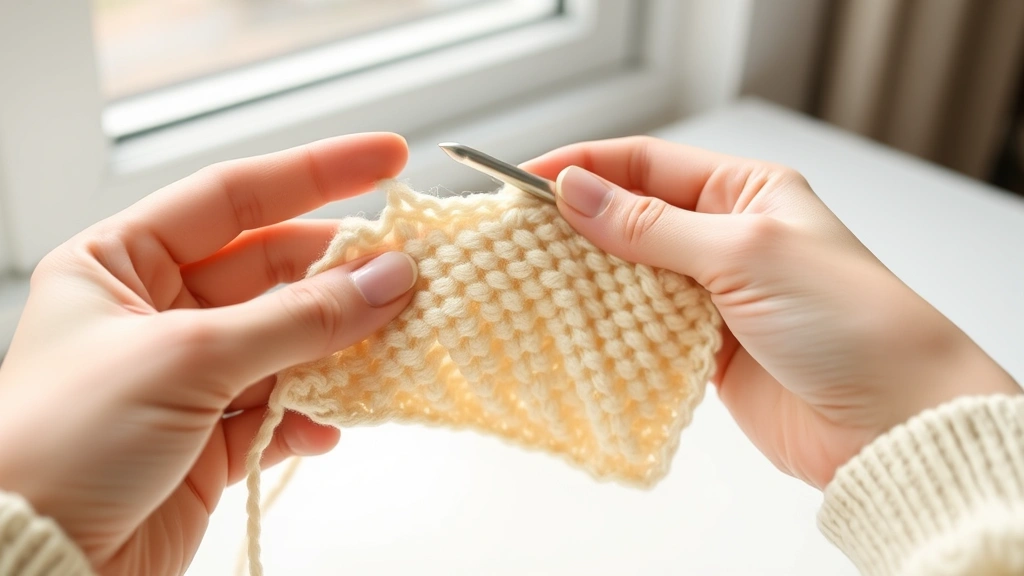
Last month, I was teaching my neighbor’s teenage daughter how to crochet, and she kept asking me about different stitch techniques she’d seen on social media. “What’s the difference between all these stitches?” she wondered, holding up her phone showing various TikTok videos. It got me thinking about how overwhelming it can be when you’re starting out and everyone seems to be using different terminology for what looks like the same thing.
Here’s the thing about crochet stitches: they’re like building blocks. Once you understand the basic ones, you can combine them in endless ways to create textures, patterns, and designs that’ll make your friends ask “Did you really make that?” But if you’re feeling lost in a sea of abbreviations like sc, dc, hdc, and tr, don’t worry. I’ve been there too.
When I first started crocheting fifteen years ago, I thought single crochet and double crochet were just different names for the same stitch because, honestly, the names don’t make much logical sense. Why is a “double” crochet not twice as tall as a “single” crochet? And don’t get me started on why British and American terms are completely different. It’s enough to make anyone want to stick to scarves forever.
But here’s what I’ve learned: mastering these fundamental stitches opens up a whole world of possibilities. Whether you’re working on simple beginner projects or tackling complex afghans, these basic stitches form the foundation of everything you’ll create.
Quick Answer
The main crochet stitches are single crochet (shortest), half double crochet, double crochet, and treble crochet (tallest). Each stitch has a different height and technique, creating various textures and patterns when combined.
The Four Essential Crochet Stitches
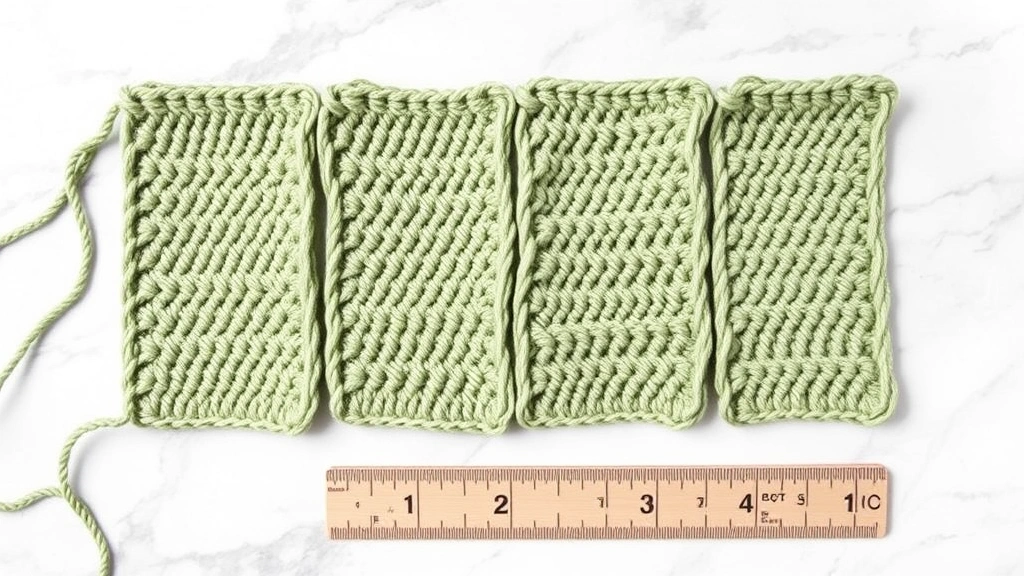
Before we dive into the specifics, let’s get our bearings. There are four main crochet stitches that you’ll use in probably 90% of your projects: single crochet (sc), half double crochet (hdc), double crochet (dc), and treble crochet (tr). Each one gets progressively taller, and each creates a different look and feel in your finished piece.
Think of these stitches like different sized building blocks. Single crochet creates a dense, sturdy fabric that’s perfect for amigurumi projects or items that need structure. Double crochet works up faster and creates a more open, flexible fabric that’s ideal for blankets and scarves. The others fall somewhere in between or add special effects.
The key thing to remember is that stitch height affects everything: how much yarn you’ll use, how long your project takes, and what the final texture feels like. A baby blanket made in single crochet will be thick and warm but take forever to finish. The same blanket in double crochet will work up much faster but be more lightweight.
Single Crochet: Your Best Friend
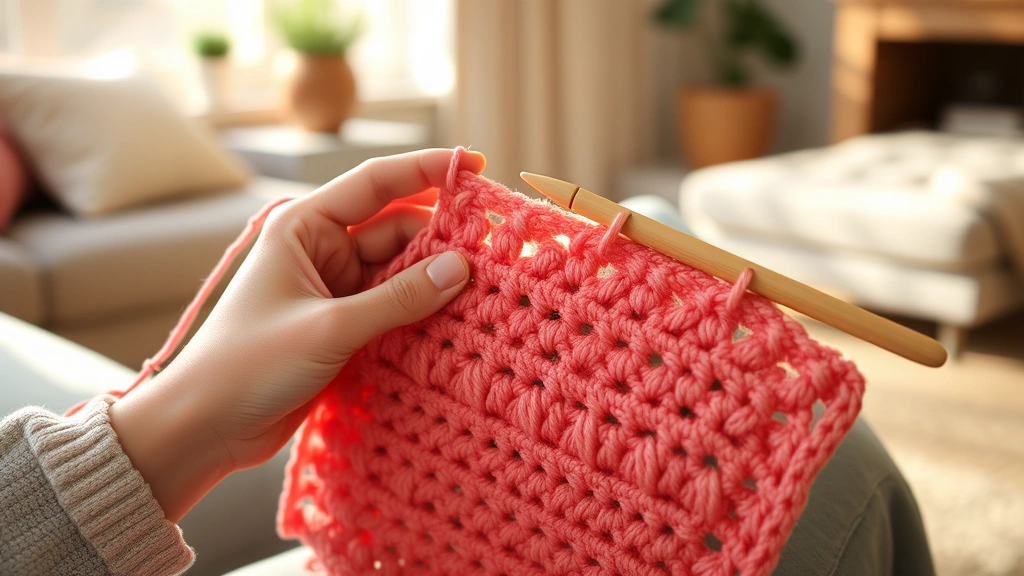
Single crochet is the foundation of crochet, and honestly, if you only learned this one stitch, you could still make tons of useful things. It’s the shortest stitch, creating a dense, sturdy fabric that holds its shape beautifully.
To work a single crochet: insert your hook into the designated stitch, yarn over and pull through (you’ll have two loops on your hook), yarn over again and pull through both loops. That’s it. The whole process uses just one yarn over at the end, which is why it’s called “single” crochet.
I love single crochet for dishcloths, pot holders, and the body of sturdy bags. It’s also essential for amigurumi because it creates such a tight fabric that stuffing won’t show through. When I’m making a stuffed animal, I always use single crochet with a hook one size smaller than recommended for my yarn weight to get that extra-tight gauge.
Single Crochet Tips
The biggest mistake I see beginners make with single crochet is working too tightly. Your stitches should slide easily on your hook. If you’re struggling to insert your hook into stitches from the previous row, you’re probably crocheting too tight. This is super common when you’re concentrating hard on getting the technique right.
Another thing: single crochet tends to lean slightly to the right as you work. This is totally normal and actually helps create the characteristic texture of single crochet fabric. Don’t fight it by trying to make your stitches perfectly straight.
“Single crochet is like the reliable friend who’s always there for you. It might not be the flashiest stitch, but it gets the job done every time.”
Half Double Crochet: The Perfect Middle Ground
Half double crochet sits right between single and double crochet in height, and it’s honestly one of my favorite stitches for blankets. It works up faster than single crochet but creates a denser fabric than double crochet. It’s like the Goldilocks of crochet stitches.
The technique: yarn over first, then insert your hook into the stitch, yarn over and pull through (now you have three loops), yarn over and pull through all three loops at once. That initial yarn over is what gives it extra height compared to single crochet.
Half double crochet creates this lovely, slightly stretchy fabric that’s perfect for scarves and cowls. It has more drape than single crochet but more structure than double crochet. I use it a lot for baby blankets because it’s substantial enough to keep little ones warm but soft enough to be cuddly.
When to Choose Half Double Crochet
This stitch really shines in projects where you want moderate stitch definition without too much openness. It’s excellent for textured patterns because the stitches are tall enough to show off stitch variations but not so tall that the pattern gets lost.
One thing to watch out for: half double crochet can look a bit wonky if your tension is inconsistent. Because you’re pulling through three loops at once, any variation in how tightly you hold your yarn shows up more than it would in other stitches. Practice keeping steady tension, and don’t worry if it takes a few rows to find your rhythm.
Double Crochet: The Workhorse Stitch
Double crochet is probably the most versatile stitch in your toolkit. It’s tall enough to work up quickly but not so tall that it gets unwieldy. Most afghan patterns use double crochet as their foundation because it creates that perfect balance of coverage and speed.
The process: yarn over, insert hook, yarn over and pull through (three loops on hook), yarn over and pull through two loops (two loops remain), yarn over and pull through the last two loops. It’s like single crochet but with an extra step that adds height.
What I love about double crochet is how it creates natural spaces between stitches. This makes it perfect for lacy patterns, colorwork, and any design where you want the yarn to be the star. A chunky yarn in double crochet looks completely different from the same yarn in single crochet – more relaxed and flowing.
Double Crochet Variations
Once you’re comfortable with basic double crochet, you can play with variations. Front post double crochet (fpdc) and back post double crochet (bpdc) create raised effects perfect for cables and textured patterns. These techniques are fundamental for cable crochet designs that mimic knitted cables.
Double crochet also forms the basis for many shell and fan patterns. When you work multiple double crochets into the same stitch, you create a shell. Work them into different stitches with spaces between, and you get a fan pattern. The possibilities are endless.
Treble Crochet: Adding Height and Drama
Treble crochet (also called triple crochet) is the tallest of the basic stitches, and it creates some seriously dramatic effects. At about twice the height of double crochet, it works up incredibly fast but creates a very open, lacy fabric.
The technique adds one more yarn over at the beginning: yarn over twice, insert hook, yarn over and pull through (four loops), then work off the loops two at a time – yarn over and pull through two loops three times total. It sounds complicated, but once you get the rhythm, it’s quite meditative.
I mostly use treble crochet in lace patterns or when I want to add height quickly, like in the center of a granny square or for creating dramatic points in a shawl. It’s also fantastic for lightweight summer tops where you want maximum coverage with minimum weight.
Working with Treble Crochet
The main challenge with treble crochet is keeping your tension consistent across all those yarn overs. Because the stitch is so tall, any variation in tension becomes really obvious. I recommend practicing with a smooth yarn like Lion Brand Wool-Ease before trying it with fuzzy or textured yarns.
Also, treble crochet stitches have a tendency to lean and twist more than shorter stitches. This isn’t necessarily a problem – sometimes it creates interesting textural effects – but be aware that your fabric might not lay perfectly flat.
Comparing Stitch Heights and Uses
Understanding when to use each stitch comes down to knowing their characteristics and how they behave in different situations. Here’s a practical comparison that I reference all the time:
| Stitch Type | Height | Best For | Yarn Usage | Speed |
|---|---|---|---|---|
| Single Crochet | Shortest | Amigurumi, structured items | Most yarn | Slowest |
| Half Double | Medium-short | Baby blankets, scarves | Medium-high | Medium-slow |
| Double Crochet | Medium-tall | Afghans, garments | Medium | Medium-fast |
| Treble Crochet | Tallest | Lace, quick coverage | Least yarn | Fastest |
When I’m planning a project, I think about what I want the finished piece to do. Need something sturdy that will hold its shape? Single crochet. Want something that drapes nicely but still has substance? Half double crochet. Looking for the sweet spot between speed and coverage? Double crochet. Need to cover a lot of ground quickly with an open, airy feel? Treble crochet.
Mixing Stitches for Texture
The real magic happens when you combine different stitch heights in the same project. A simple pattern might alternate rows of single and double crochet to create subtle texture. More complex designs use all four stitches to create dramatic dimensional effects.
One of my favorite techniques is using different stitch heights to create natural shaping. In a top-down sweater, I might use treble crochet for the yoke (quick coverage), double crochet for the body (good drape), and single crochet for the hem and cuffs (structure and stability).
Popular Stitch Combinations
Once you’re comfortable with the individual stitches, combining them opens up a world of pattern possibilities. Some combinations are so popular they have their own names and show up in countless patterns.
The granny stitch combines double crochet clusters with chain spaces to create that classic open, square look. It’s perfect for traditional granny squares but also works beautifully in rows for blankets and scarves.
Another favorite is the shell stitch, which typically uses five double crochets worked into the same stitch, separated by single crochets. This creates a lovely scalloped edge that’s perfect for baby blankets and summer tops.
Creating Your Own Combinations
Don’t be afraid to experiment with your own stitch combinations. Try alternating single and treble crochet in the same row for dramatic texture differences. Or work a row of half double crochet between rows of double crochet to create subtle horizontal lines.
The Craft Yarn Council provides standardized symbols for all these stitches, which makes it easier to read international patterns and create your own charts.
“The best way to understand how stitches work together is to make swatches. I keep a “practice blanket” going where I try new stitch combinations. It’s not pretty, but it’s incredibly educational.”
Fixing Common Stitch Problems
Even after years of crocheting, I still run into stitch issues occasionally. Here are the most common problems I see and how to fix them:
Uneven Stitch Heights
If your stitches look wonky or uneven, check your yarn overs. Each stitch type requires a specific number of yarn overs, and missing one (or adding an extra) changes the stitch height. Single crochet has no initial yarn over, half double has one, double has one, and treble has two.
Stitches Too Tight or Too Loose
Tension issues usually come from gripping the yarn too tightly or holding your hook incorrectly. Try holding your hook like a pencil rather than a knife, and let the yarn flow smoothly through your fingers. If you’re working on improving your tension, practice with the same yarn and hook for several projects before switching.
Losing or Gaining Stitches
This usually happens at the beginning or end of rows. Make sure you’re working into the correct first stitch (it’s easy to miss) and that you’re not working into the turning chain at the end unless the pattern specifically says to. Using stitch markers can help you keep track of your first and last stitches.
Common Questions
Which crochet stitch should beginners learn first?
Start with single crochet. It’s the most straightforward technique and builds the muscle memory you’ll need for all other stitches. Once you’re comfortable with single crochet, move to double crochet – these two stitches alone will let you make dozens of useful projects. I usually teach half double and treble crochet after students have mastered the basics.
How much yarn do different stitches use?
Single crochet uses the most yarn, followed by half double, then double, with treble using the least. For a typical worsted weight blanket, single crochet might use 2000 yards while the same blanket in double crochet would use about 1500 yards. This difference adds up, especially with expensive yarns.
Why do my double crochet stitches lean to one side?
This is completely normal! Crochet stitches naturally have a slight lean due to how the yarn wraps around the hook. The lean is more noticeable in taller stitches like double and treble crochet. It’s part of the characteristic look of crochet fabric and not something you need to fix.
Can I substitute one stitch for another in a pattern?
Sometimes, but it changes everything about the finished piece. Substituting single crochet for double crochet will make your project much smaller and denser. If you want to make substitutions, you’ll need to adjust your stitch count and possibly your hook size. It’s better to find a pattern written for the stitch you want to use.
How do I know which stitch to use for my project?
Consider the project’s purpose. Structured items like bags and amigurumi need single crochet. Blankets and scarves work well in double or half double crochet. Lacy shawls often use treble crochet. Also think about time – taller stitches work up faster but use less yarn and create more open fabric.
What’s the difference between US and UK crochet terms?
The stitch names are completely different! US single crochet is UK double crochet, US double crochet is UK treble crochet, and so on. Always check which terminology a pattern uses. Most modern patterns specify, but older ones might not. When in doubt, look for a stitch diagram or check the designer’s location.
How long does it take to master these basic stitches?
With regular practice, most people can work single and double crochet comfortably within a few weeks. Half double and treble crochet usually come together quickly once you understand the basic principle. The real learning happens over months as you develop consistent tension and speed. Don’t rush it – even experienced crocheters are always refining their technique.
Should I learn all four stitches before starting a project?
Not necessarily. You can make beautiful, useful projects with just single crochet or just double crochet. I recommend learning one stitch well, making a complete project with it, then learning the next one. This builds confidence and lets you see how each stitch behaves in a finished piece.
These four basic stitches are your foundation for everything else you’ll do in crochet. Master them, and you’ll be amazed at what you can create. The beauty of crochet is that even with just these simple techniques, the possibilities are truly endless.
Remember, every expert crocheter started exactly where you are now, working through these same basic stitches and probably making the same mistakes. The difference between a beginner and an experienced crocheter isn’t perfection – it’s persistence. Keep practicing, be patient with yourself, and most importantly, enjoy the process. There’s something deeply satisfying about creating something beautiful and useful with just a hook and some yarn.
Happy crocheting, and remember – every stitch is a step forward in your crochet journey!