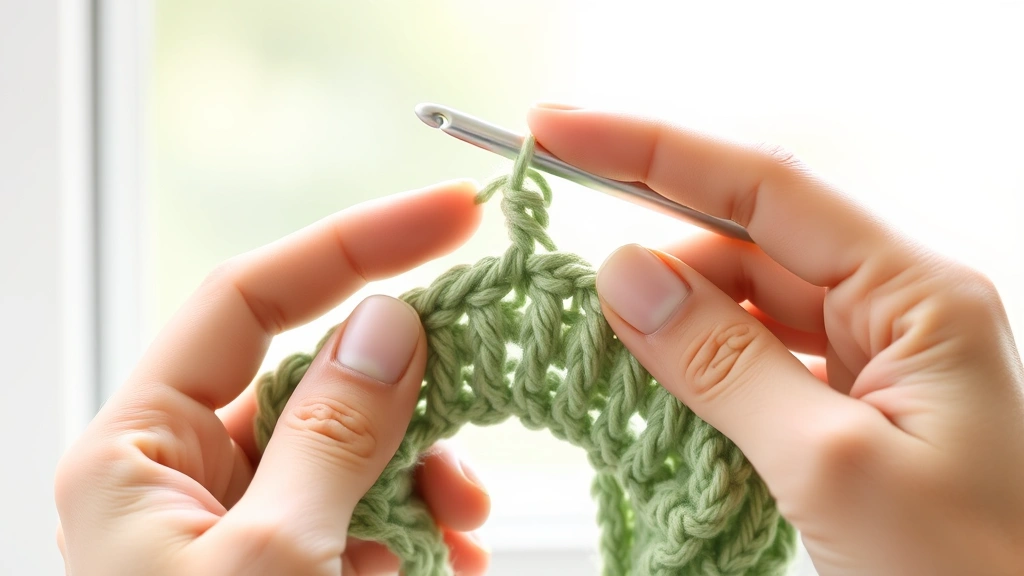
You know that moment when you’re halfway through a beautiful blanket project, and you realize your tension is all over the place? Some squares are tight enough to bounce a quarter off, while others could double as fishing nets. I’ve been there – staring at what was supposed to be a gorgeous granny square afghan that looked more like a patchwork of mistakes.
Here’s the thing about maintaining consistent tension in crochet: it’s not just about making your work look pretty (though that’s definitely a bonus). Consistent tension affects everything from your stitch definition to whether your finished project will actually fit the person you’re making it for. I learned this the hard way when I made my sister a cardigan that could have fit our Great Dane.
The good news? Once you understand what causes tension issues and learn a few key techniques, you can create beautifully even stitches that make your projects look professionally made. It’s not about being perfect – it’s about being consistent. And trust me, your future self will thank you when you’re not trying to block a wonky blanket into submission.
Quick Answer
Consistent crochet tension comes from maintaining steady yarn flow, proper hook grip, and regular hand positioning. Practice the same motion repeatedly, keep your yarn hand relaxed, and check your gauge every few rows to catch tension changes early.
Understanding What Tension Really Means
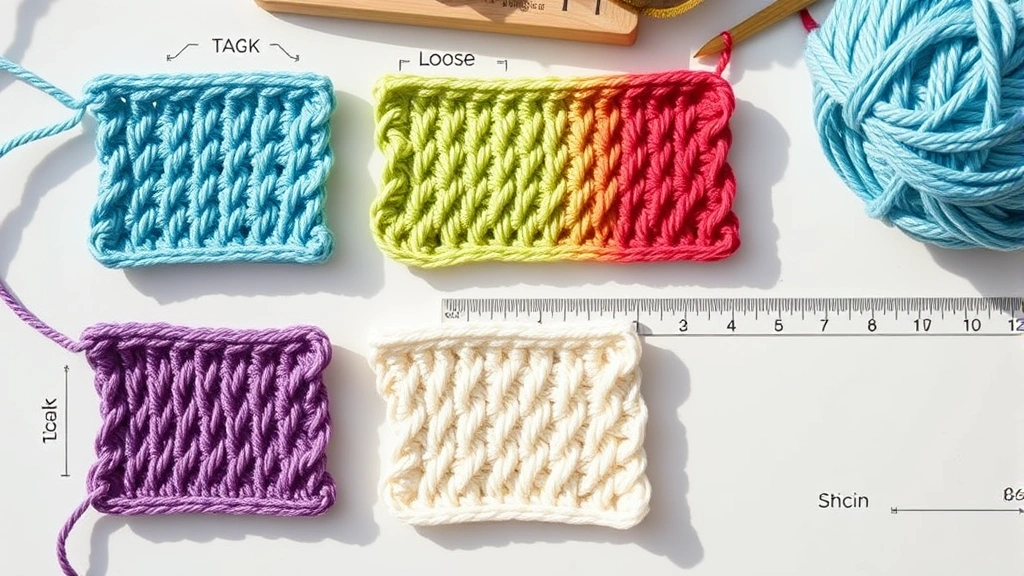
Let’s clear up some confusion right off the bat. When crocheters talk about “tension,” we’re really talking about two related but different things: how tightly you hold your yarn and how consistently you form your stitches. Both affect your gauge, which is the number of stitches and rows per inch.
Think of tension as the Goldilocks principle of crochet. Too tight, and your hook will fight you with every stitch, making your hands cramp and your stitches look pinched. Too loose, and your stitches will be gappy and uneven, lacking the structure that makes crochet fabric hold together nicely. Just right means your hook glides smoothly through each stitch while maintaining consistent stitch size.
Your natural tension tends to be influenced by your personality and stress level. I’ve noticed that when I’m anxious about a deadline, my stitches get progressively tighter. When I’m relaxed and watching TV, they tend to loosen up. The key is recognizing these patterns in your own work.
Pro tip: Your tension will naturally evolve as you gain experience. Don’t stress about being perfect from day one – focus on being aware of what you’re doing and making small adjustments as needed.
The Craft Yarn Council provides excellent resources for understanding how gauge and tension work together. When working with chunky yarn projects, tension becomes even more critical because variations are more noticeable in thicker yarns.
Common Causes of Inconsistent Tension
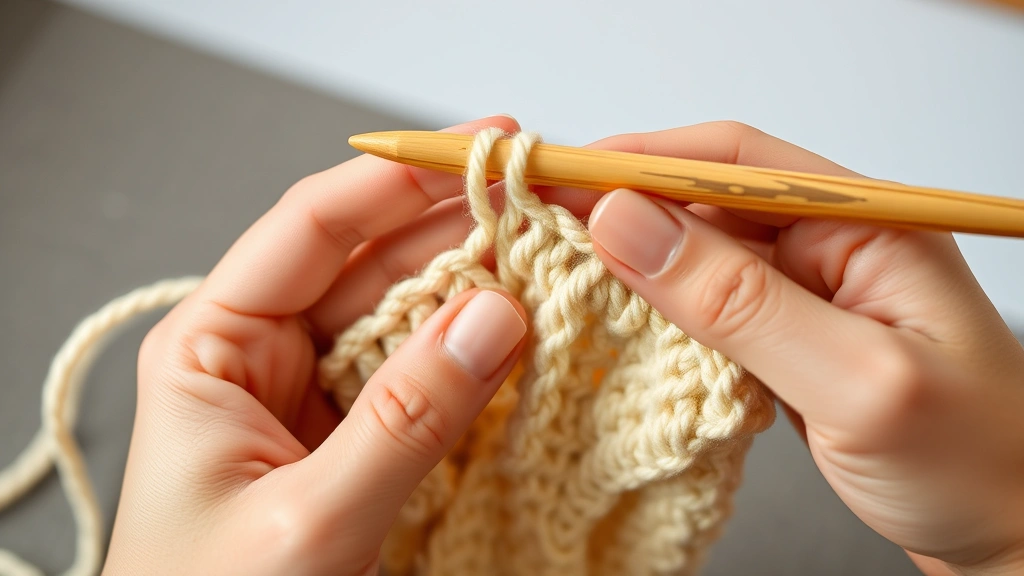
Before we dive into solutions, let’s talk about what causes tension problems in the first place. I’ve found that most inconsistent tension stems from a few key issues that are totally fixable once you know what to look for.
Physical Factors
Your body position plays a huge role in tension consistency. Hunching over your work, sitting in an uncomfortable chair, or crocheting in poor lighting all contribute to tension variations. When you’re straining to see your stitches or your shoulders are tense, it affects how you hold your hook and yarn.
Hand fatigue is another major culprit. As your hands get tired, you might unconsciously grip tighter or change your hand position. This is why those marathon crochet sessions often result in noticeable tension changes halfway through a project.
Emotional and Environmental Factors
Here’s something pattern books don’t tell you: your mood affects your stitches. Stress, excitement, frustration – they all show up in your tension. I can literally see the moment in my projects where I got a stressful phone call because my stitches suddenly get tighter.
Environmental changes matter too. Switching from your favorite crochet chair to the kitchen table, changing the lighting, or even the temperature in the room can subtly affect how you hold your materials. When working on easy crochet baby blankets, these small changes can really impact the overall look of your finished project.
Technical Issues
Sometimes the problem isn’t you – it’s your setup. Using a hook that’s too small or too large for your natural tension, working with yarn that has inconsistent thickness, or switching between different yarn brands mid-project can all cause tension variations.
Mastering Your Hook and Yarn Grip
Let’s get into the nitty-gritty of how to actually hold your tools. There’s no single “correct” way to grip your hook and yarn, but there are definitely more and less effective approaches.
Hook Grip Options
Most crocheters use either a pencil grip or a knife grip. The pencil grip involves holding the hook like you’d hold a pencil, with your thumb and index finger controlling the movement. The knife grip has you holding the hook more like a dinner knife, with your whole hand wrapped around it.
I started with the pencil grip because it felt natural, but I switched to a modified knife grip for larger projects because it puts less strain on my fingers. Experiment with both and see what feels comfortable for extended periods. The key is maintaining the same grip throughout your project.
For the pencil grip, rest the hook on your middle finger with your thumb and index finger controlling the tip. Your grip should be firm but not white-knuckle tight. For the knife grip, wrap your fingers around the hook handle, using your thumb to guide the hook tip.
Yarn Holding Techniques
Your yarn hand (usually your non-dominant hand) controls the flow of yarn to your hook. The most common method is to weave the yarn through your fingers to create tension. Try threading the yarn over your index finger, under your middle finger, and over your ring finger.
Some crocheters prefer wrapping the yarn around their pinky finger for extra control. This works especially well with slippery yarns or when you’re working on projects that require very consistent tension, like amigurumi tips beginners often need to master.
The amount of pressure you apply with your yarn hand should be consistent throughout your project. Practice finding that sweet spot where the yarn flows smoothly but doesn’t slip uncontrolled.
Controlling Yarn Flow for Even Stitches
Think of yarn flow like the gas pedal in your car – you want smooth, consistent pressure, not jerky stops and starts. The yarn should glide through your fingers with just enough resistance to maintain control.
Finding Your Yarn Sweet Spot
Start by holding your yarn loosely and making a few stitches. If the yarn is slipping through your fingers too easily and your stitches are loose, add a bit more tension by adjusting your finger positions. If you’re fighting to pull the yarn through and your stitches are tight, relax your grip slightly.
The goal is to find that middle ground where you can maintain consistent yarn flow without consciously thinking about it. This muscle memory develops over time, so be patient with yourself as you’re learning.
Adjusting for Different Yarn Types
Different yarn fibers behave differently in your hands. Cotton yarn tends to be less forgiving of tension variations and can look uneven more easily than wool. Acrylic yarns are usually more forgiving but can be slippery. Wool has natural give that can help even out minor tension inconsistencies.
When working with crochet stitch library patterns that use multiple yarn types, you might need to adjust your tension slightly for each yarn. Keep notes about which yarns require looser or tighter tension for your personal crocheting style.
| Yarn Type | Tension Adjustment | Key Characteristics |
|---|---|---|
| Cotton | Slightly looser | Less forgiving, shows uneven stitches |
| Wool | Natural tension | Forgiving, natural stretch |
| Acrylic | Slightly tighter | Can be slippery, very forgiving |
| Alpaca | Looser | Heavy, can stretch with its own weight |
Practice Techniques That Actually Work
Here’s where the rubber meets the road. You can read about tension all day, but consistent stitches come from deliberate practice. I’m going to share the exercises that actually made a difference in my crocheting, not just busy work that feels productive.
The Swatch Method
Make tension swatches your best friend. Start with a simple single crochet swatch using worsted weight yarn and a size H (5mm) hook. Crochet 20 stitches across and 20 rows down, focusing entirely on making each stitch identical to the last one.
Don’t just make one swatch and call it done. Make five swatches on five different days, at different times of day. Compare them and notice where your tension varies. Are your morning stitches tighter than your evening ones? Do you crochet differently when you’re tired?
The Rhythm Exercise
Consistent tension is all about developing a steady rhythm. Practice making single crochet stitches while counting: “yarn over, pull through, yarn over, pull through both.” Keep the same tempo throughout, like you’re following a metronome.
This might feel silly at first, but it trains your hands to move in a consistent pattern. Once this becomes automatic, you can apply the same steady rhythm to more complex stitches. This technique is especially helpful when working on double crochet tutorial projects where rhythm really matters.
The Mirror Check
Set up a small mirror next to your work area so you can occasionally glance at your hands while crocheting. This helps you notice when your grip changes or when you start hunching over your work. It sounds weird, but visual feedback about your hand position can be incredibly helpful.
Troubleshooting Tension Problems
Even with the best intentions and practice, tension problems crop up. Here’s how to identify and fix the most common issues before they ruin your project.
Identifying Tension Changes
Learn to spot tension changes early by regularly checking your work. Every few rows, hold up your project and look at it in good lighting. Inconsistent stitches will be obvious – some will look pinched and tight, others loose and gappy.
Pay attention to transitions in your work. The beginning of a new skein of yarn, coming back to a project after a break, or switching from one stitch type to another are all common places for tension to shift.
Quick Fixes for Common Problems
If you notice your stitches getting tighter as you work, take a break and stretch your hands. Often, increasing tension is a sign of hand fatigue or stress. When you resume, consciously relax your grip and make a few practice stitches before continuing your project.
For stitches that are too loose, try adjusting your yarn-holding technique rather than gripping tighter with your hook hand. Add an extra wrap around your pinky or adjust how the yarn threads through your fingers.
When working on large projects like afghans, expect some tension variation and plan for it. Block your finished pieces to even out minor inconsistencies – it’s amazing what proper blocking can fix.
When to Rip Out and Start Over
Sometimes the kindest thing you can do for your project is to rip out inconsistent sections and redo them. If your tension changed dramatically and it’s affecting the shape or drape of your project, it’s better to fix it now than to be disappointed with the finished piece.
This is especially important for fitted garments or projects where gauge is critical. A few hours of redoing work is better than ending up with something unwearable. When working through crochet patterns free downloads, consistent tension becomes even more crucial for achieving the intended finished measurements.
Maintaining Consistency in Long Projects
Large projects like blankets, cardigans, or intricate doilies test your ability to maintain consistent tension over weeks or months of work. Here are strategies that have helped me keep my stitches even throughout marathon projects.
Creating Consistent Work Conditions
Try to crochet in the same environment as much as possible. Use the same chair, the same lighting, and even try to work at similar times of day. Your body develops muscle memory not just for the hand movements, but for the entire physical setup.
Keep your materials organized and easily accessible. Fumbling for your scissors or constantly adjusting your yarn ball affects your rhythm and can lead to tension changes. I use a yarn bowl to keep my working yarn at a consistent angle and tension.
Regular Check-ins
Set reminders to check your gauge every few inches of work. This is especially important when working with beginner crochet stitches that you might be doing on autopilot. Catching tension drift early means smaller corrections rather than major rework.
Take photos of your work in progress. Sometimes tension changes are subtle and hard to notice while you’re working, but they’re obvious in photos. I keep a folder on my phone for each project and review the photos periodically.
Managing Fatigue and Stress
Recognize that your physical and emotional state affects your tension. If you’re having a stressful day, either skip crocheting or be extra mindful of your tension. I’ve learned to do simple, repetitive projects when I’m stressed and save complex work for when I’m relaxed and focused.
Take regular breaks to stretch your hands, shoulders, and neck. Set a timer for every 30-45 minutes to remind yourself to pause and assess how you’re feeling physically.
Common Questions
How long does it take to develop consistent tension?
Most crocheters notice improvement in their tension consistency within 2-3 months of regular practice, but it can take 6 months to a year to develop really reliable muscle memory. The key is consistent practice rather than marathon sessions. Fifteen minutes of focused practice daily beats three hours once a week.
Should I use the same hook size for all yarns to maintain consistent tension?
No, you should adjust your hook size based on the yarn weight and your personal tension. However, once you find the right hook size for a specific yarn weight, try to stick with that combination. For example, if you use a 5.5mm hook with worsted weight yarn, use that same combination consistently across projects.
Why does my tension change when I switch between stitch types?
Different stitches require different hand movements and yarn manipulation, which naturally affects tension. Single crochet tends to be tighter than double crochet because there’s less yarn in each stitch. Practice transitioning between stitch types slowly, maintaining the same yarn flow and hand position as much as possible.
Can using different yarn brands affect my tension even if they’re the same weight?
Absolutely. Even within the same weight category, different brands have varying thickness, twist, and fiber content that can affect how they feel in your hands. When switching brands mid-project, make a small swatch first to see if you need to adjust your technique or hook size.
What’s the best way to fix tension issues in a finished project?
Blocking is your first line of defense for minor tension inconsistencies. Wet blocking can even out stitches and help relax overly tight areas. For more severe issues, you might need to carefully unravel and re-work problem sections. Prevention through consistent practice is always easier than fixing problems after the fact.
How do I maintain consistent tension when crocheting in different positions?
Practice crocheting in various positions – sitting upright, reclining, with the project in your lap versus on a table. The key is maintaining the same relative hand positions regardless of your body position. Your hook grip and yarn flow should stay consistent even if your overall posture changes.
Does the type of crochet hook affect tension consistency?
Yes, hook material and shape can influence your tension. Aluminum hooks tend to be slippery, which can help with tight tension but might cause loose stitches if you’re naturally a loose crocheter. Bamboo and wood hooks have more grip. The key is finding hooks that work with your natural tension and sticking with them.
Should I worry about perfect tension when making simple projects like dishcloths?
Even simple projects benefit from consistent tension, but you don’t need to stress about perfection. Dishcloths and other utility items are forgiving, and slight tension variations won’t affect their function. Use these projects as practice opportunities to develop better tension habits for more complex future projects.
Mastering consistent tension in crochet isn’t about achieving perfection – it’s about developing awareness and building good habits that become second nature. The techniques I’ve shared here have helped countless crocheters create more professional-looking projects and enjoy the process more.
Remember, every crocheter’s journey with tension is unique. What works for your friend might not work for you, and that’s perfectly normal. The key is to experiment, practice mindfully, and be patient with yourself as you develop this skill.
Your future projects will thank you for the time you invest in developing consistent tension now. Those beautifully even stitches that make people ask “Did you really make this yourself?” are absolutely within your reach. Keep practicing, stay aware of your habits, and don’t be afraid to make adjustments as you learn and grow as a crocheter.