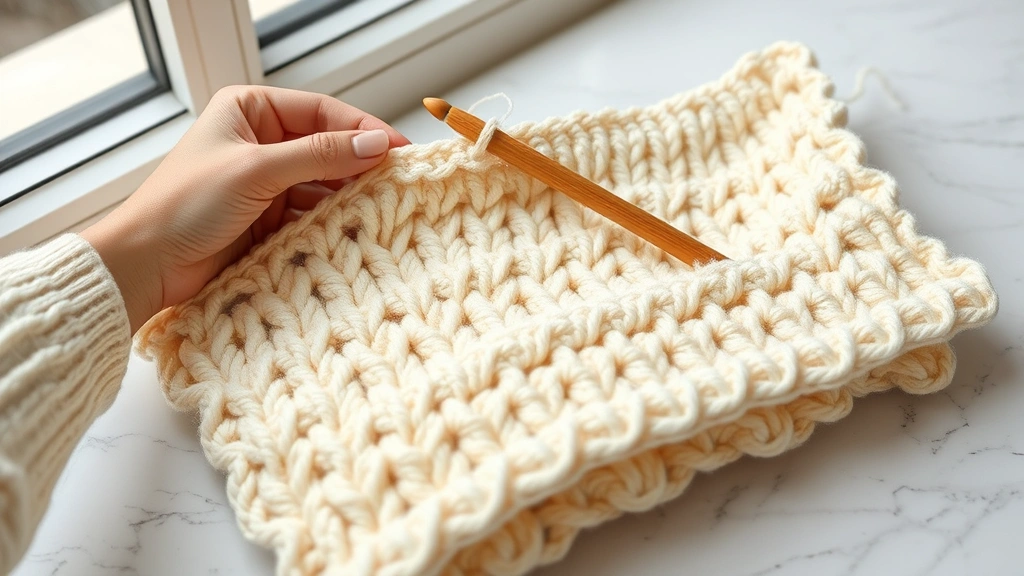
You know that moment when you’re scrolling through Pinterest at 2 AM, and you stumble across the most gorgeous crochet blanket pattern? Your heart skips a beat, you save it immediately, and then reality hits – the pattern calls for a stitch you’ve never heard of. Maybe it’s the moss stitch, or perhaps it’s something called the lemon peel stitch. Whatever it is, you’re left wondering if you’re skilled enough to tackle it.
Here’s the thing I’ve learned after years of crocheting: most “advanced” stitches are just clever combinations of basic techniques. That intimidating textured pattern? It’s probably just single crochet and double crochet playing dress-up. The key is understanding how these stitches work together to create texture, and more importantly, knowing when to use which combination.
I remember my first attempt at a textured blanket. I picked what I thought was a simple pattern, but halfway through the first row, I was completely lost. The instructions seemed to be written in a foreign language, and my stitches looked nothing like the photo. Sound familiar? That’s exactly why I want to walk you through the most useful crochet stitches for blankets, breaking down not just how to make them, but when and why you’d choose each one.
Quick Answer
The best crochet stitches for blankets include single crochet for durability, double crochet for speed, granny stitch for classic appeal, and textured stitches like moss or shell for visual interest. Choose based on your skill level, desired drape, and how much time you want to invest.
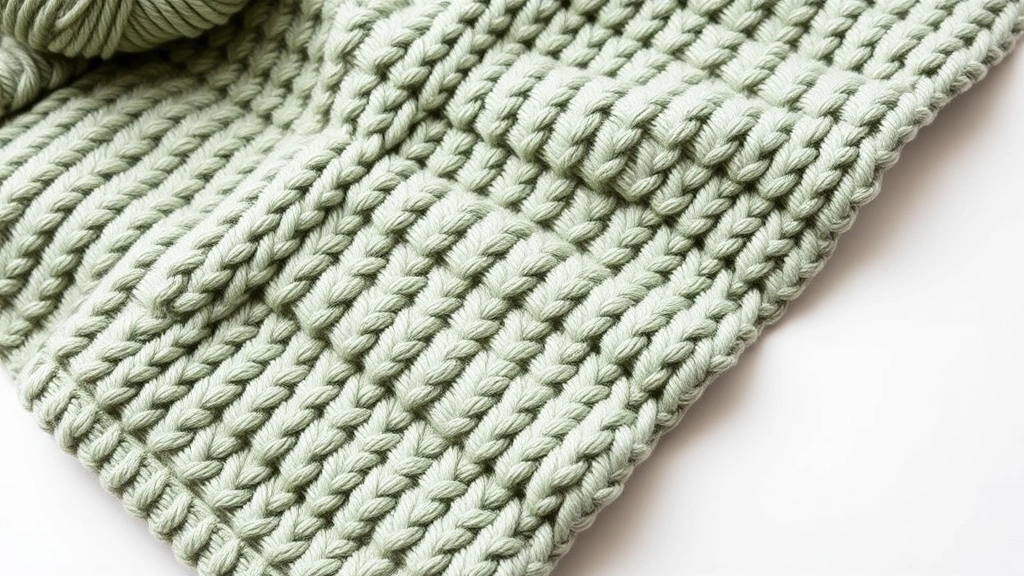
Foundation Stitches Every Blanket Maker Needs
Let’s start with the workhorses of blanket making. These might seem basic, but trust me – mastering these stitches will set you up for success with any blanket project.
Single Crochet: The Reliable Workhorse
Single crochet gets overlooked because it seems too simple, but it’s actually perfect for baby blankets and anything that needs to be durable. The tight weave means little fingers can’t get caught, and it holds up beautifully to repeated washing.
I use single crochet when I’m making blankets for toddlers or anyone who’s going to really use their blanket. Yes, it takes longer than other stitches, but the payoff is worth it. A single crochet blanket made with worsted weight yarn and a size H (5mm) hook creates a fabric that’s substantial without being stiff.
Pro tip: When working single crochet blankets, work through the back loop only every few rows to create subtle horizontal lines that break up the monotony.
Half Double Crochet: The Perfect Middle Ground
Half double crochet is my go-to when I want something that works up faster than single crochet but isn’t as open as double crochet. It creates a lovely drape that’s perfect for lap blankets or throws.
The stitch height gives you good coverage without eating up too much yarn. For a standard throw blanket (about 50×60 inches), you’ll need approximately 1,800-2,000 yards of worsted weight yarn when using half double crochet.
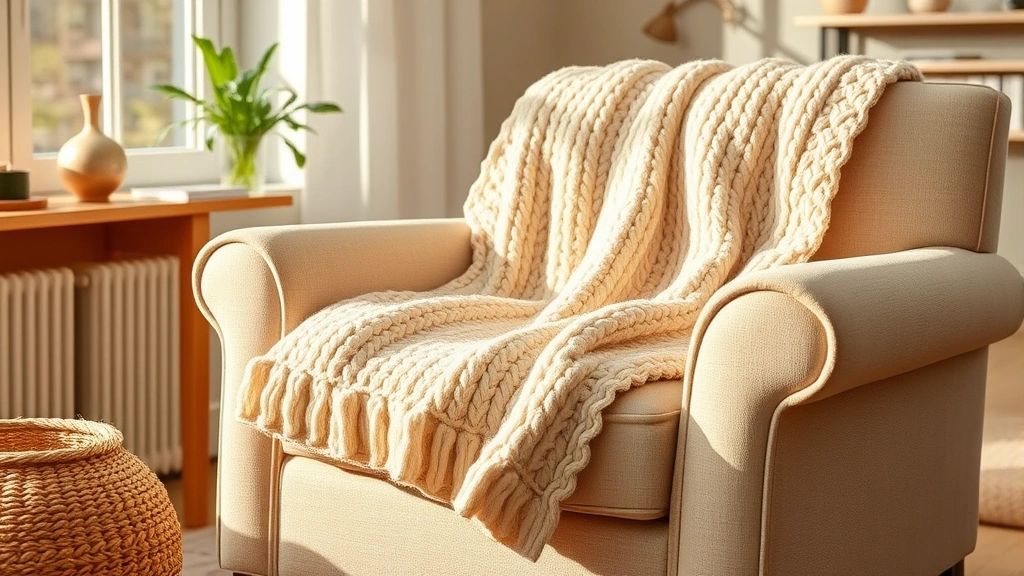
Fast-Working Stitches for Quick Projects
Sometimes you need a blanket finished yesterday. Maybe it’s a last-minute baby shower gift, or you promised your college-bound kid a blanket before they leave. These stitches will save your sanity.
Double Crochet: The Speed Demon
Double crochet is about three times faster than single crochet, and it creates a lovely, drapey fabric. I’ve made entire throw blankets in a weekend using nothing but double crochet.
The key to beautiful double crochet blankets is consistent tension. Use a hook that’s one size larger than recommended for your yarn – so if you’re using worsted weight yarn that calls for an I hook (5.5mm), try a J hook (6mm) instead. This creates a softer, more flexible fabric.
Treble Crochet: When You Really Need Speed
Treble crochet (also called triple crochet) is the fastest basic stitch, but it can look a bit sparse on its own. I like to combine it with shorter stitches or use it in patterns that include clusters or shells.
One of my favorite quick blanket patterns alternates rows of treble crochet with rows of single crochet. The contrast in height creates beautiful texture, and you get the speed benefit of the treble rows.
| Stitch Type | Relative Speed | Best For | Yarn Usage |
|---|---|---|---|
| Single Crochet | Slow | Baby blankets, durability | High |
| Half Double Crochet | Medium | All-purpose throws | Medium |
| Double Crochet | Fast | Quick gifts, lightweight throws | Low |
| Treble Crochet | Very Fast | Lacy patterns, quick coverage | Very Low |
Textured Stitches That Add Visual Interest
Once you’re comfortable with the basic stitches, textured stitches are where the magic happens. They transform simple yarn into something that looks professionally made.
Moss Stitch (Granite Stitch)
The moss stitch is deceptively simple – it’s just alternating single crochet and chain 1 spaces, but the effect is gorgeous. It creates a subtle bumpy texture that’s perfect for modern-looking blankets.
I love using moss stitch with chunky yarn because it really shows off the texture. With a chunky weight yarn and a size K (6.5mm) hook, you can make a throw blanket in just a few evenings.
Shell Stitch: Classic and Elegant
Shell stitches create beautiful scalloped edges and work up surprisingly quickly. The basic shell is typically 5 double crochets worked into the same stitch, but you can vary this for different effects.
I particularly love shell stitches for afghan patterns because they create natural draping points. The blanket falls beautifully across furniture, and the texture catches light in interesting ways.
Bobble Stitch: For Maximum Texture
Bobble stitches are essentially incomplete double crochets that you finish all at once, creating a raised bump. They’re perfect for adding texture without changing colors.
The trick with bobbles is spacing them properly. Too many and your blanket becomes stiff; too few and they get lost. I like to work bobbles in a checkerboard pattern with plain double crochet squares between them.
Decorative Stitches for Special Occasions
Some blankets deserve extra special treatment. Wedding gifts, heirloom pieces, or that one blanket you’re making for yourself – these stitches will make your project truly memorable.
Granny Stitch: Timeless Appeal
The granny stitch isn’t just for squares! Working it in continuous rows creates a beautiful, lacy fabric that’s perfect for lightweight throws. It’s essentially clusters of 3 double crochets separated by chain spaces.
What I love about the granny stitch is how forgiving it is. If your tension isn’t perfect, it just adds to the handmade charm. Plus, it works beautifully with variegated yarn because the open structure lets the color changes shine.
Popcorn Stitch: Bold Texture Statement
Popcorn stitches are similar to bobbles but create an even more pronounced raised effect. They’re made by working 5 double crochets in the same stitch, then pulling the first loop through the last loop to “pop” it forward.
I use popcorn stitches sparingly – they’re quite dramatic and can overwhelm a design if overused. They’re perfect for accent rows or creating focal points in otherwise simple patterns.
How to Choose the Right Stitch for Your Project
Choosing the right stitch isn’t just about what looks pretty – it’s about matching the stitch to your project’s purpose, your skill level, and your timeline.
Consider Your Recipient
For babies and toddlers, stick with tighter stitches like single crochet or half double crochet. The denser fabric is safer and more durable. For teens or adults who want something trendy, textured stitches like moss or shell work beautifully.
I always ask myself: will this blanket be decorative or functional? A decorative throw can handle delicate stitches and lighter weight yarns, but a functional blanket needs to stand up to regular use and washing.
Match Stitch to Yarn Weight
Different stitches work better with different yarn weights. DK weight yarn shows off textured stitches beautifully, while bulky yarn can make complex stitches look muddy.
Here’s what I’ve learned works best: single and half double crochet work with any yarn weight, double crochet is perfect for worsted and DK weights, and textured stitches really shine with DK and sport weights where you can see the detail.
Common Problems and Solutions
Even experienced crocheters run into issues. Here are the problems I see most often and how to fix them.
Curling Edges
If your blanket edges are curling, you’re probably working too tightly or your stitch count is off. Single crochet is especially prone to this. Try going up a hook size or double-checking your stitch count at the end of each row.
For persistent curling, add a border of single crochet worked loosely around the entire blanket. This usually solves the problem and gives your blanket a finished look.
Uneven Tension
Tension issues show up as wavy or puckered fabric. This is super common when you’re learning a new stitch – your hands haven’t developed muscle memory yet.
The best solution is practice, but in the meantime, try to maintain consistent hand position. I hold my yarn the same way for every stitch, and I check my work every few rows to catch problems early.
Running Out of Yarn
Nothing’s worse than running out of yarn when you’re 90% done with a blanket. Different stitches use vastly different amounts of yarn, so it’s crucial to calculate correctly.
As a general rule, textured stitches use 20-30% more yarn than basic stitches. Always buy an extra skein – you can return unused yarn, but finding the same dye lot later is nearly impossible.
Best Yarn and Hook Combinations
The right yarn and hook combination can make or break your project. Here’s what I’ve learned through years of trial and error.
For Speed and Efficiency
When I want to finish a blanket quickly, I reach for worsted weight acrylic yarn with a size I (5.5mm) hook. Lion Brand Vanna’s Choice or Red Heart Super Saver are reliable choices that come in tons of colors.
Double crochet with this combination creates a blanket that’s warm but not heavy, and you can easily work up a throw-sized blanket in a weekend.
For Luxury Feel
For special occasion blankets, I love using DK weight wool or wool blends. The Craft Yarn Council classifies DK as weight category 3, and it’s perfect for showing off textured stitches.
Pair DK weight yarn with a size G (4mm) hook for moss stitch or shell patterns. The result is a blanket with beautiful stitch definition and a luxurious drape.
For Baby Blankets
Baby yarn (usually DK weight) with a size G (4mm) hook is my standard for easy patterns. The tighter gauge creates a safe, durable fabric, and most baby yarns are machine washable – a must for busy parents.
Bernat Baby or Lion Brand Babysoft are excellent choices that come in soft pastels and are specifically designed to be gentle against sensitive skin.
| Project Type | Yarn Weight | Hook Size | Best Stitches |
|---|---|---|---|
| Baby Blanket | DK (3) | G (4mm) | Single crochet, half double crochet |
| Quick Throw | Worsted (4) | I (5.5mm) | Double crochet, granny stitch |
| Luxury Afghan | DK (3) | G (4mm) | Moss stitch, shell stitch |
| Chunky Blanket | Bulky (5) | K (6.5mm) | Single crochet, simple textures |
Common Questions
What’s the fastest stitch for making a blanket?
Double crochet is the fastest basic stitch for blanket making. It works up about three times faster than single crochet and creates good coverage. For even more speed, try treble crochet, but you’ll need more rows to get the same coverage. A throw blanket in double crochet typically takes 15-20 hours of actual crocheting time.
How much yarn do I need for different stitches?
Yarn usage varies significantly by stitch type. For a 50×60 inch throw blanket: single crochet needs about 2,000-2,200 yards, double crochet needs 1,600-1,800 yards, and textured stitches like moss or shell need 2,000-2,400 yards. Always buy an extra skein to be safe.
Which stitches work best for beginners?
Start with single crochet and double crochet. Once you’re comfortable with these, try half double crochet and then simple textured stitches like the moss stitch. Avoid complex stitches like bobbles or popcorns until you’ve mastered consistent tension with basic stitches.
Can I mix different stitches in one blanket?
Absolutely! Mixing stitches creates beautiful texture and visual interest. Try alternating rows of single crochet and double crochet, or create panels with different stitches. Just remember that different stitches have different heights, so you may need to adjust your stitch counts to keep edges straight.
What’s the difference between moss stitch and granite stitch?
They’re actually the same stitch! Different regions and pattern designers use different names. Both refer to the alternating single crochet and chain-1 space pattern that creates a subtle bumpy texture. Some patterns call it linen stitch too.
How do I prevent my blanket from curling?
Curling usually happens with single crochet when your tension is too tight or your foundation chain is too small. Try going up a hook size, making your foundation chain looser, or adding a border of loosely worked single crochet around the finished blanket.
Which stitches are best for showing off variegated yarn?
Simple stitches like double crochet or granny stitch work best with color-changing yarn. Complex textured stitches can break up the color flow and make variegated yarn look muddy. The open structure of granny stitch particularly showcases color changes beautifully.
How long does it take to make a blanket with different stitches?
Timing depends on the stitch complexity and your experience level. A throw blanket (50×60 inches) typically takes: single crochet 25-30 hours, double crochet 15-20 hours, textured stitches like moss or shell 20-25 hours. These are actual crocheting hours – most people spread this over several weeks or months.
Choosing the right stitch for your blanket project doesn’t have to be overwhelming. Start with your purpose – is this a quick gift, a luxury heirloom, or an everyday blanket? Consider your recipient’s needs and your own skill level. Remember, even the fanciest textured stitch is just a combination of basic techniques you already know.
The most important thing is to enjoy the process. I’ve made blankets with single crochet that I treasure just as much as complex textured afghans. The love and time you put into each stitch is what makes a blanket special, not whether you used the most advanced technique.
So grab your hook, pick a stitch that excites you, and start creating. Every expert crocheter started with that first chain, and every beautiful blanket began with someone brave enough to try something new. Your next favorite blanket is just a few stitches away.