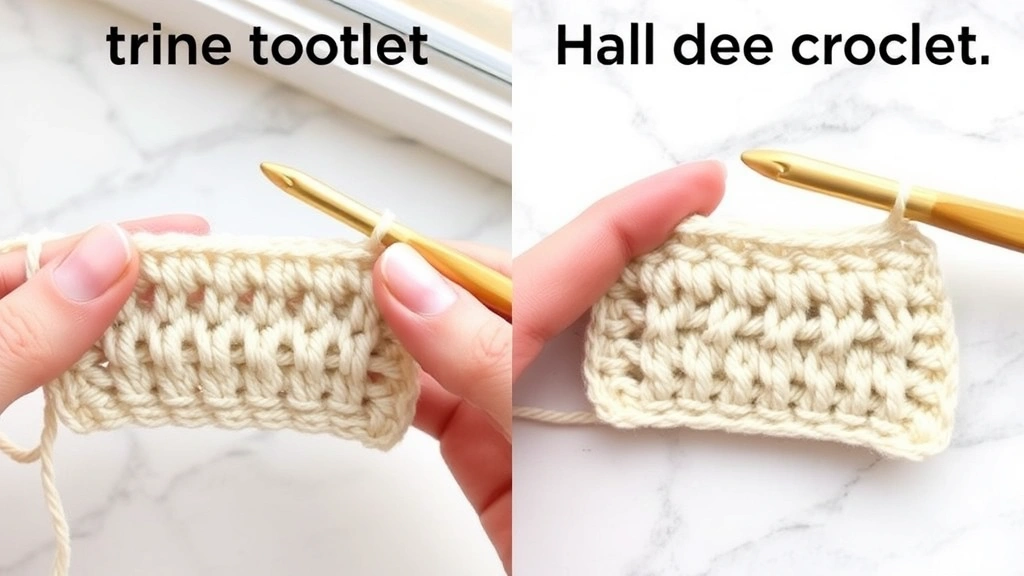
Last week, I was helping my neighbor Sarah with her first crochet project when she looked at me with complete confusion and asked, “What’s the difference between single crochet and half double crochet?” It hit me that while these stitches seem basic to those of us who’ve been crocheting for years, they’re actually the foundation that makes or breaks your entire crochet journey.
I remember my own early days, fumbling through patterns and wondering why my fabric looked nothing like the pictures. The truth is, understanding the fundamental differences between single crochet (sc) and half double crochet (hdc) isn’t just about knowing two stitches – it’s about understanding how these stitches behave, when to use them, and how they’ll affect your finished project.
These two stitches create completely different textures, drape, and fabric density. Single crochet creates a tight, sturdy fabric that’s perfect for structured items like bags and dishcloths. Half double crochet produces a slightly looser, more flexible fabric that works beautifully for garments and blankets. The height difference alone – single crochet being the shortest stitch and half double crochet sitting right in the middle of the height spectrum – changes everything about how your project will look and feel.
Whether you’re a complete beginner trying to decode your first pattern or someone who’s been crocheting for a while but never really understood why certain stitches are chosen for specific projects, this guide will clear up the confusion once and for all.
Quick Answer
Single crochet creates dense, sturdy fabric using yarn over once, while half double crochet produces looser, more flexible fabric using yarn over twice. Single crochet is shorter (about 1 chain height) and half double crochet is taller (about 2 chains height), making them suitable for different project types.
Height and Structure Differences
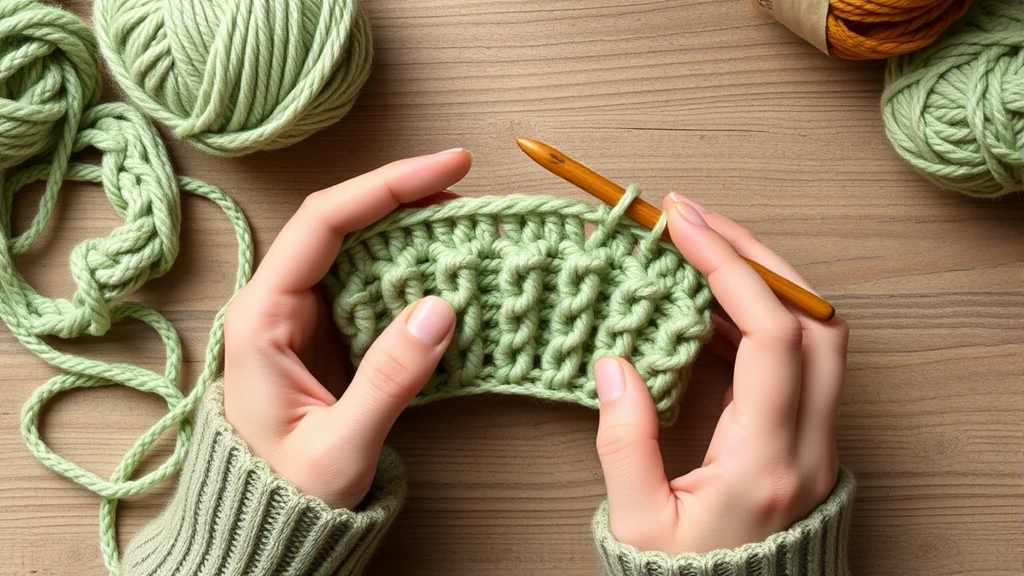
The most obvious difference between single crochet and half double crochet is their height, but this seemingly simple distinction affects everything about how your project will turn out. Single crochet measures roughly the height of one chain stitch, while half double crochet is about twice as tall, equivalent to two chain stitches.
This height difference means you’ll need different turning chains when working in rows. For single crochet, you’ll typically chain 1 at the end of each row before turning your work. For half double crochet, you’ll chain 2. These turning chains don’t just help you turn your work – they maintain the proper height and keep your edges straight.
When I’m working on beginner-friendly blankets, I often recommend starting with single crochet because the shorter stitch height makes it easier to see your work and count stitches. The compact nature of single crochet also means your blanket will grow more slowly, which might seem like a downside, but it actually gives beginners more time to practice and perfect their tension.
Half double crochet’s extra height means your projects grow faster, which is fantastic when you’re working on larger items like afghans or scarves. However, this speed comes with a trade-off – it’s easier to lose track of your stitch count, and tension irregularities become more noticeable in the taller stitches.
Pro Tip: When switching between single crochet and half double crochet in the same project, always double-check your stitch count. The height difference can throw off your counting, especially in poor lighting.
Visual Impact on Projects
The height difference creates distinctly different visual textures. Single crochet produces a dense, almost woven appearance with minimal space between stitches. Half double crochet creates more visible stitch definition with slight gaps that add visual interest and drape.
I’ve noticed that beginners often prefer the look of single crochet initially because it hides minor tension inconsistencies better. The tight fabric structure camouflages small irregularities that would be more obvious in the looser half double crochet fabric.
How Each Stitch Works
Understanding the mechanics of each stitch helps you troubleshoot problems and make informed decisions about which stitch to use. Let me walk you through both stitches step by step, focusing on the key differences that affect your final result.
Single Crochet Technique
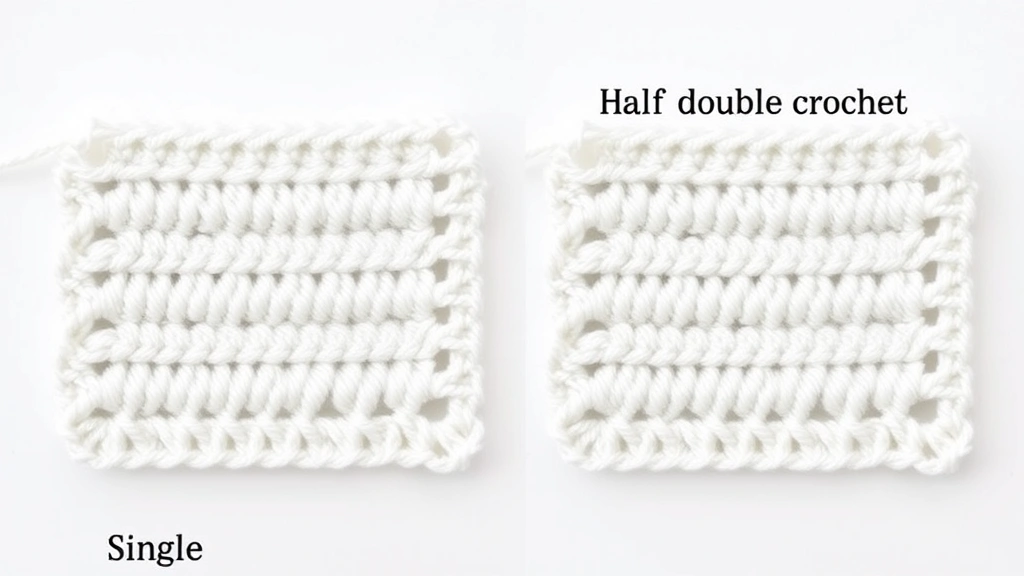
Single crochet is worked by inserting your hook into the designated stitch, yarning over, and pulling through (you now have two loops on your hook). Yarn over again and pull through both loops on your hook. That’s it – one single crochet complete.
The simplicity of single crochet makes it incredibly versatile. Because you’re only working with two loops at a time, there’s less chance for confusion, and the stitch works up consistently. This makes single crochet perfect for amigurumi projects where you need precise stitch placement and consistent tension.
When working single crochet, I always tell beginners to focus on keeping their yarn tension consistent. Since the stitch is so compact, any variation in tension becomes immediately obvious in the finished fabric. Practice with a medium-weight yarn (worsted weight) and a size H-8 (5.0mm) hook until you develop muscle memory.
Half Double Crochet Technique
Half double crochet starts differently – you yarn over first, then insert your hook into the designated stitch. This means you begin with two loops on your hook instead of one. Yarn over and pull through the stitch (now you have three loops), then yarn over again and pull through all three loops at once.
This extra yarn over at the beginning is what gives half double crochet its additional height and creates the slightly different texture. The fact that you’re pulling through three loops at the end instead of two loops twice means the stitch has a different structure at its base.
Many crocheters find half double crochet trickier at first because managing three loops can feel awkward. I recommend practicing the motion slowly until it becomes natural. The key is maintaining consistent tension while managing that final pull-through of three loops.
Tension Tip: If your half double crochet stitches look uneven, focus on that final yarn over and pull-through. Keep the same gentle tension you’d use for single crochet, but be prepared for the slightly different hand motion.
Fabric Properties and Texture
The fabric characteristics created by these two stitches are dramatically different, and understanding these differences will help you choose the right stitch for your project goals.
Single Crochet Fabric Properties
Single crochet creates what I call a “workhorse” fabric. It’s dense, sturdy, and holds its shape beautifully. The tight stitch structure means there’s minimal stretch, making it perfect for items that need to maintain their form. When I make structured bags or market totes, single crochet is my go-to stitch because it won’t stretch out under weight.
The density of single crochet fabric also makes it naturally more opaque. If you’re making a summer top or cardigan, single crochet will provide more coverage than half double crochet. This can be either an advantage or disadvantage depending on your project goals.
From a practical standpoint, single crochet fabric is incredibly durable. The tight interlocking structure means individual stitches support each other, making the fabric resistant to snagging and pulling. I’ve made dishcloths in single crochet that have lasted years of heavy use.
Half Double Crochet Fabric Properties
Half double crochet produces a more relaxed fabric with beautiful drape. The slightly looser structure allows the fabric to move and flow, making it ideal for garments and items where you want flexibility. When I’m working on cardigans or sweaters, half double crochet often gives me the perfect balance between structure and drape.
The fabric has a subtle texture that’s more pronounced than single crochet but not as bold as double crochet. This makes it versatile for both casual and more refined projects. The slight gaps between stitches also make half double crochet fabric more breathable, which is fantastic for spring and summer garments.
However, this looser structure means half double crochet fabric is more prone to stretching over time, especially when used for items that will bear weight. I learned this lesson the hard way when I made a plant hanger in half double crochet – it stretched significantly after a few months of use.
| Property | Single Crochet | Half Double Crochet |
|---|---|---|
| Density | Very dense | Medium density |
| Drape | Minimal | Good |
| Stretch | Very little | Moderate |
| Durability | Excellent | Good |
| Breathability | Low | Medium |
When to Use Each Stitch
Choosing between single crochet and half double crochet isn’t just about personal preference – certain projects genuinely work better with one stitch over the other. Let me share some guidelines I’ve developed over years of making both successful projects and learning from mistakes.
Best Projects for Single Crochet
Single crochet shines in projects where you need structure, durability, and precise shaping. Amigurumi projects almost always use single crochet because the tight fabric prevents stuffing from showing through, and the precise stitch placement allows for detailed shaping.
Kitchen items like dishcloths, pot holders, and trivets work beautifully in single crochet. The dense fabric stands up to heavy use and frequent washing. I’ve made countless dishcloths using Lion Brand 24/7 Cotton in single crochet, and they’ve outlasted store-bought versions by years.
Structured bags, baskets, and home decor items benefit from single crochet’s stability. When I made a large storage basket for my craft room, I used single crochet with a bulky yarn to ensure it would hold its shape even when filled with heavy yarn skeins.
Baby items often work well in single crochet too, especially items like bibs or burp cloths where absorbency and durability matter more than drape. The tight fabric structure also means there are fewer gaps where tiny fingers can get caught.
Best Projects for Half Double Crochet
Half double crochet excels in projects where you want fabric with movement and flow. Scarves, shawls, and wraps benefit from the natural drape that half double crochet provides. The fabric moves with your body instead of feeling stiff or cardboard-like.
For blankets and afghans, half double crochet offers a nice middle ground. It works up faster than single crochet but isn’t as loose as double crochet. The fabric has enough structure to hold up to regular use while still being cozy and flexible.
Summer tops and lightweight cardigans work beautifully in half double crochet, especially when made with cotton or cotton blend yarns. The slight airiness of the fabric makes it more comfortable in warm weather than the dense fabric of single crochet.
I’ve also found half double crochet works well for children’s garments because the fabric has enough give to accommodate growth and movement without being too stretchy to maintain shape.
Project Planning Tip: When in doubt, make a swatch in both stitches using your chosen yarn. The difference in drape and texture will help you make the best decision for your specific project.
Yarn Weight and Hook Size Impact
The choice between single crochet and half double crochet becomes even more important when you consider how different yarn weights and hook sizes affect each stitch. What works beautifully with one combination might be completely wrong for another.
Lightweight Yarns (Fingering to DK)
With lightweight yarns like fingering weight or sport weight, single crochet can create an almost fabric-like density that’s perfect for detailed work but might be too stiff for garments. I love using fingering weight yarn in single crochet for delicate lace projects where I need precise stitch definition.
Half double crochet in lightweight yarns creates beautiful, drapey fabric that’s perfect for summer tops and lightweight shawls. The combination gives you structure without bulk. When working with DK weight yarn, half double crochet often produces the perfect fabric weight for cardigans and pullovers.
Hook size becomes crucial with lightweight yarns. For fingering weight, I typically use a C-2 (2.75mm) to D-3 (3.25mm) hook for single crochet, and an E-4 (3.5mm) to F-5 (3.75mm) for half double crochet. The larger hook for half double crochet helps maintain good drape without making the fabric too loose.
Medium Weight Yarns (Worsted)
Worsted weight yarn is the sweet spot for both stitches. Single crochet with worsted weight creates sturdy, versatile fabric that works for almost any project type. I use an H-8 (5.0mm) hook most of the time, though I’ll go up to an I-9 (5.5mm) if I want slightly looser fabric.
Half double crochet in worsted weight is incredibly versatile. With an I-9 (5.5mm) or J-10 (6.0mm) hook, you get beautiful fabric that’s substantial enough for blankets but still has nice drape. This combination is my go-to for afghans and throws.
The Craft Yarn Council standardizes these weights, but I always recommend making a gauge swatch because individual yarn brands can vary significantly in thickness and behavior.
Bulky and Chunky Yarns
With bulky yarns, the difference between single crochet and half double crochet becomes even more pronounced. Single crochet in bulky yarn creates incredibly dense, warm fabric that’s perfect for winter accessories but can be quite stiff. I use this combination for items like boot cuffs or structured hats where I want maximum warmth and wind resistance.
Half double crochet in bulky yarn strikes a beautiful balance – you get substantial fabric that’s still flexible and comfortable to wear. This is my preferred combination for chunky scarves and cowls. The fabric has enough loft to be cozy without being too heavy or rigid.
| Yarn Weight | Single Crochet Hook | Half Double Crochet Hook | Best Applications |
|---|---|---|---|
| Fingering | C-2 to D-3 | E-4 to F-5 | Delicate items, baby clothes |
| DK | E-4 to F-5 | G-6 to H-8 | Light garments, accessories |
| Worsted | G-6 to I-9 | I-9 to J-10 | Blankets, general projects |
| Bulky | K-10.5 to M-13 | L-11 to N-15 | Winter accessories, quick projects |
Common Problems and Solutions
Over the years, I’ve seen the same issues pop up repeatedly when people are learning these stitches. Let me share the most common problems and the solutions that actually work.
Single Crochet Issues
The most frequent single crochet problem I encounter is fabric that curls at the edges. This happens when your tension is too tight or when you’re not maintaining consistent stitch height. The dense nature of single crochet fabric amplifies any tension inconsistencies.
To fix curling edges, try going up one hook size and focusing on keeping your yarn tension relaxed. I tell students to imagine they’re holding a small bird – firm enough that it won’t fly away, but gentle enough not to hurt it. Also, make sure you’re working into both loops of each stitch unless the pattern specifically says otherwise.
Another common issue is losing stitches at the ends of rows. Single crochet’s compact nature makes it harder to see exactly where your first and last stitches should go. I always recommend using stitch markers in the first and last stitches of each row until you develop the muscle memory to recognize them by feel.
Half Double Crochet Challenges
Half double crochet’s main challenge is maintaining even tension while managing three loops. Many beginners pull too tightly on that final yarn over, creating stitches that are shorter than they should be and fabric that looks uneven.
Practice the motion slowly, focusing on keeping the same gentle tension throughout the entire stitch. If your stitches look inconsistent, try holding your hook slightly differently – some people find that gripping closer to the hook head gives them better control over the final pull-through.
Counting stitches in half double crochet can also be tricky because the taller stitches can lean and overlap slightly. I recommend counting as you go rather than trying to count an entire row at the end. Place a stitch marker every 10 or 20 stitches to make counting easier.
Troubleshooting Tip: If you’re struggling with either stitch, try working with a light-colored, smooth yarn like Red Heart Super Saver in white or cream. Dark colors and textured yarns make it harder to see your stitches clearly while you’re learning.
Using Both Stitches Together
One of the most exciting aspects of understanding both single crochet and half double crochet is learning how to combine them effectively in the same project. This technique opens up endless design possibilities and allows you to take advantage of each stitch’s unique properties within a single piece.
Creating Texture Through Stitch Variation
Alternating between single crochet and half double crochet creates beautiful textural interest without requiring complex stitch patterns. I love using this technique in scarf patterns where I want visual interest but still want the project to be beginner-friendly.
A simple pattern might be two rows of single crochet followed by two rows of half double crochet, repeated throughout. This creates horizontal stripes of different textures – the dense single crochet rows contrast beautifully with the slightly more open half double crochet rows.
For a more subtle effect, try alternating stitches within the same row. Work single crochet in the first stitch, half double crochet in the second, and repeat across. This creates a lovely, slightly irregular texture that adds visual interest without being overwhelming.
Strategic Stitch Placement
You can also use the different properties of each stitch strategically within a project. For example, when making a cardigan, you might use single crochet for the button bands (where you need structure and stability) and half double crochet for the body (where you want drape and comfort).
I’ve made several baby blankets where I used single crochet for the border to create a stable edge that won’t stretch out of shape, and half double crochet for the main body to keep the blanket soft and cuddly. This combination gives you the best of both worlds.
When working on hat patterns, consider using single crochet for the brim (for structure and shape retention) and half double crochet for the crown (for comfort and fit). The different stitch heights also add visual interest to what might otherwise be a plain hat.
Transition Techniques
When switching between stitches, pay attention to your turning chains. If you’re going from single crochet to half double crochet, you’ll need to change from chaining 1 to chaining 2 at the end of your single crochet row. The reverse is true when going from half double crochet back to single crochet.
Some patterns will have you work a transition row where you gradually change stitch heights. This might involve working single crochet, then half double crochet, then double crochet across a single row to create a smooth height transition. These techniques are particularly useful in shaped garments where you need the fabric to curve or flare naturally.
Common Questions
Which stitch uses more yarn, single crochet or half double crochet?
Single crochet uses more yarn per square inch because it creates denser fabric. However, half double crochet projects often require more total yarn because the taller stitches mean you need more rows to achieve the same height. For a typical worsted weight blanket, expect to use about 15-20% more yarn with single crochet compared to half double crochet for the same finished size.
Can I substitute single crochet for half double crochet in a pattern?
You can substitute, but you’ll need to make significant adjustments. Single crochet is about half the height of half double crochet, so you’ll need roughly twice as many rows to achieve the same length. The fabric will also be denser and less drapey. Always make a gauge swatch first and be prepared to adjust your project dimensions and yarn requirements.
Which stitch is better for beginners?
Single crochet is generally easier for absolute beginners because it involves fewer steps and yarn overs. The compact nature also makes it easier to see and count stitches. However, half double crochet isn’t significantly more difficult – once you master single crochet, half double crochet is a natural next step. I recommend learning both within your first few projects.
How do I fix uneven edges when working in rows?
Uneven edges usually result from inconsistent turning chain placement or missing the first/last stitches. For single crochet, chain 1 and turn, then work your first single crochet into the first stitch (not the turning chain). For half double crochet, chain 2 and turn, then work your first half double crochet into the first stitch. Use stitch markers in your first and last stitches until this becomes automatic.
Why do my half double crochet stitches look shorter than they should?
This usually happens when you pull too tightly on the final yarn over that goes through all three loops. Try loosening your grip slightly and making sure you’re yarning over completely before pulling through. Also check that you’re starting with the yarn over before inserting your hook – skipping this step will create a shorter stitch.
What’s the best yarn for practicing these stitches?
Medium weight (worsted) acrylic yarn in a light color is ideal for practice. Red Heart Super Saver or Lion Brand Vanna’s Choice are excellent choices because they’re smooth, affordable, and the light colors make it easy to see your stitches. Use an H-8 (5.0mm) hook for single crochet and an I-9 (5.5mm) hook for half double crochet when practicing.
How do I count stitches accurately in half double crochet?
Count the posts (vertical parts) of your stitches rather than trying to count the tops. Each post represents one stitch. In half double crochet, the posts are more visible than in single crochet, making them easier to count once you know what to look for. Place stitch markers every 10-20 stitches in long rows to make counting more manageable.
Can I use both stitches in the same row?
Absolutely! Combining single crochet and half double crochet in the same row creates beautiful textural effects. Just remember that half double crochet is taller, so your row will have a slightly uneven height. This can be a design feature rather than a problem. Many stitch patterns specifically call for mixing different stitch heights within the same row.
Understanding the differences between single crochet and half double crochet has probably been one of the most valuable lessons in my crochet journey. These two fundamental stitches form the backbone of countless patterns, and knowing when and how to use each one will make you a more confident and successful crocheter.
The key takeaway is that neither stitch is inherently better than the other – they’re simply different tools for different jobs. Single crochet gives you structure and durability, while half double crochet provides flexibility and drape. Sometimes you need the workhorse reliability of single crochet, and sometimes you need the graceful flow of half double crochet.
As you continue your crochet journey, I encourage you to experiment with both stitches in different yarn weights and project types. Make swatches, try combinations, and don’t be afraid to make mistakes. Every wonky practice square and uneven row teaches you something valuable about how these stitches behave.
Remember, becoming comfortable with these fundamental stitches opens the door to virtually every other crochet technique you’ll encounter. Once you’ve mastered single crochet and half double crochet, you’ll have the foundation you need to tackle any pattern with confidence. Happy crocheting!