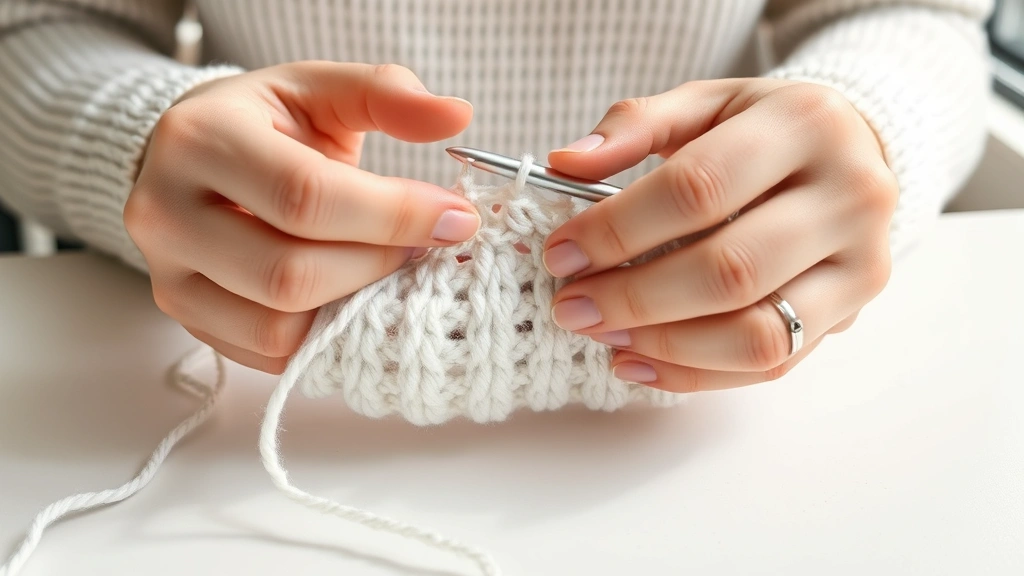
I still remember the first time I tried to crochet with cotton yarn. I was used to working with acrylic, and suddenly my hook felt like it was dragging through sand. The yarn split every few stitches, my tension was all over the place, and I was ready to give up. But here’s the thing about cotton – once you understand how to work with it, it becomes one of the most rewarding fibers to crochet with.
Cotton yarn has this beautiful drape and structure that makes finished projects look polished and professional. It’s breathable, washable, and gets softer with every wash. But it definitely requires a different approach than synthetic yarns. The fiber doesn’t have the stretch and forgiveness of acrylic, which means your technique needs to be more deliberate.
After years of working with cotton in everything from dishcloths to summer tops, I’ve learned the tricks that make all the difference. The right hook choice can transform your experience from frustrating to enjoyable. Your stitch tension needs adjustment. Even the way you hold your yarn might need tweaking. But don’t worry – I’m going to walk you through everything I wish someone had told me when I started.
Quick Answer
Cotton yarn works best with hooks 0.5-1mm larger than the yarn label suggests, looser tension than acrylic, and smooth hooks like aluminum or bamboo. Choose mercerized cotton for beginners, work in good lighting, and expect less stretch in your finished fabric.
Choosing the Right Cotton Yarn
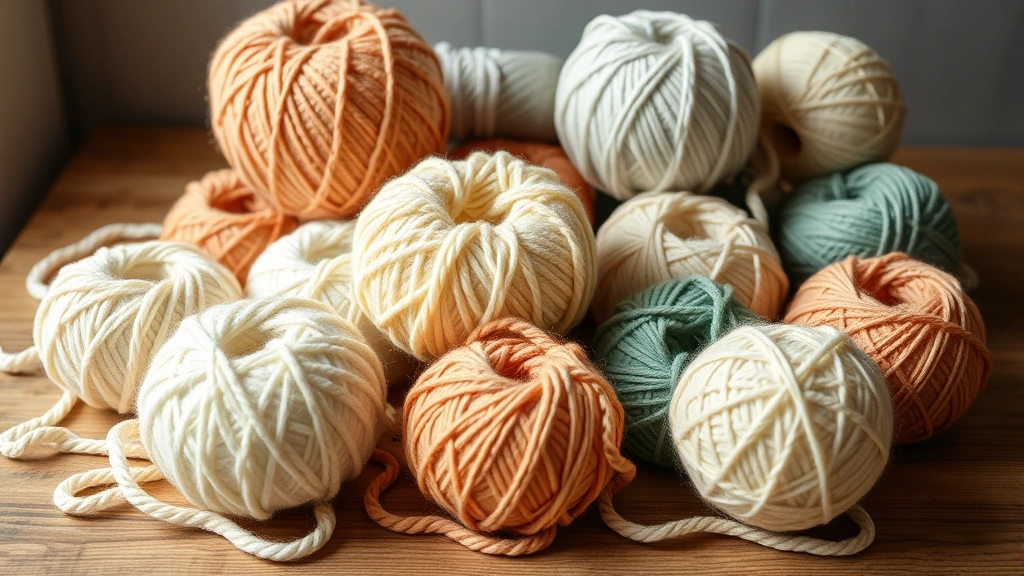
Not all cotton yarns are created equal, and picking the wrong one can make your first cotton experience unnecessarily difficult. I learned this the hard way when I grabbed a ball of unmercerized cotton for my first attempt at a summer cardigan. The yarn was rough, splitty, and made my hands sore after just an hour of crocheting.
Mercerized cotton should be your go-to choice, especially when you’re starting out. The mercerization process treats the cotton fibers with sodium hydroxide, which makes them stronger, more lustrous, and much easier to work with. Brands like Lion Brand 24/7 Cotton and Red Heart Soft Cotton are excellent mercerized options that won’t break the bank.
For your first cotton project, I recommend sticking with worsted weight (size 4) yarn. It’s substantial enough that you won’t struggle with splitting, but not so thick that it becomes unwieldy. DK weight (size 3) is another great choice, especially for garments where you want good stitch definition.
Pro tip: Feel the yarn before you buy it. Good cotton should feel smooth and substantial, not rough or papery. If you’re shopping online, read reviews specifically mentioning how the yarn feels to work with.
Avoid cotton blends until you’re comfortable with pure cotton. Cotton-acrylic blends might seem easier, but they often combine the challenges of both fibers without the full benefits of either. Pure cotton gives you that crisp stitch definition and beautiful drape that makes the extra effort worthwhile.
| Cotton Type | Best For | Skill Level | Price Range |
|---|---|---|---|
| Mercerized Cotton | All projects, especially garments | Beginner-friendly | $4-8 per ball |
| Organic Cotton | Baby items, sensitive skin | Intermediate | $6-12 per ball |
| Unmercerized Cotton | Rustic projects, dishcloths | Advanced | $3-6 per ball |
| Egyptian Cotton | Luxury projects | Intermediate | $8-15 per ball |
Hook Selection for Cotton
Here’s where most people go wrong with cotton: they use the same hook size the yarn label recommends. Cotton doesn’t have the natural elasticity of wool or the give of acrylic, so working with the suggested hook size often results in tight, stiff fabric that’s no fun to make or wear.
I always go up at least one hook size, sometimes two, when working with cotton. If the yarn label suggests a 5mm hook, I’ll start with a 5.5mm or even 6mm. This gives the cotton room to breathe and creates a much more pleasant working experience. Your stitches will be easier to work into, and your finished fabric will have better drape.
Hook material matters more with cotton than other fibers. The lack of stretch in cotton means you’ll feel every little snag or rough spot on your hook. I’ve found that aluminum hooks work beautifully with cotton – they’re smooth, the yarn glides easily, and they’re durable enough to handle the extra friction.
Bamboo hooks are another excellent choice, especially if you prefer a warmer feel in your hands. The natural oils in bamboo help the cotton yarn slide smoothly. Just avoid the very cheap bamboo hooks that can have rough spots or splinters.
I learned this lesson while making a cotton market bag. I started with a steel hook (because that’s what I had), and after two hours, my hand was cramping and the yarn kept catching. I switched to an aluminum hook one size larger, and suddenly the project was enjoyable again.
Ergonomic handles become especially important with cotton because you’ll be working with more resistance. If you’re planning a large cotton project like an afghan or sweater, investing in comfortable hooks will save your hands.
Hook Size Conversion for Cotton
When working with cotton, I use this general rule for hook sizing:
- Fingering weight cotton: Use 3.5-4mm instead of recommended 3.25mm
- DK weight cotton: Use 4.5-5mm instead of recommended 4mm
- Worsted weight cotton: Use 5.5-6mm instead of recommended 5mm
- Bulky cotton: Use 7-8mm instead of recommended 6.5mm
Mastering Tension with Cotton
Tension control is probably the biggest adjustment you’ll need to make when switching to cotton. The yarn doesn’t stretch to accommodate uneven stitches the way acrylic does, so inconsistent tension becomes much more obvious in your finished work.
The key is working with a lighter touch than you might be used to. Cotton wants to maintain its structure, so you don’t need to pull tight to create defined stitches. In fact, pulling too tight will make your work stiff and your next row difficult to work into.
I hold cotton yarn with slightly less tension in my non-hook hand than I would with acrylic. Instead of wrapping the yarn around my finger twice, I might only wrap it once and rely more on finger positioning to control the flow. This takes practice, but it makes such a difference in how the yarn feels as you work.
Tension test: Work a small swatch with your normal tension, then work another with consciously looser tension. You’ll be amazed at how much easier the looser version is to work with, and the finished fabric will likely look better too.
Pay special attention to your yarn overs with cotton. Because the fiber doesn’t stretch, tight yarn overs can make the next row nearly impossible to work. I’ve learned to make my yarn overs slightly larger than feels natural – the cotton will settle into the right size as you work the next stitch.
If you’re struggling with consistent tension, consider using a stitch marker to mark every 10th or 20th stitch in your foundation chain. This helps you see if your tension is gradually getting tighter or looser as you work.
Essential Techniques for Cotton
Working with cotton requires some technique adjustments that aren’t immediately obvious. These small changes can transform your cotton crocheting from a struggle into a pleasure.
Foundation Chain Modifications
Cotton foundation chains need to be looser than you think. I always use a hook one size larger for my foundation chain, then switch to my working hook for the rest of the project. This prevents that common problem where your first row is impossibly tight to work into.
Another technique I love for cotton is the foundation single crochet. This eliminates the foundation chain entirely and creates a much more flexible starting edge. It’s especially useful for cotton projects where you want the bottom edge to have the same stretch as the rest of the fabric.
Stitch Insertion Technique
With cotton, I insert my hook more deliberately than with stretchy yarns. The fiber won’t give way if you’re slightly off-target, so take an extra moment to ensure you’re going through both loops of the stitch (unless the pattern specifies otherwise).
When working in the round, cotton’s lack of stretch means you need to be extra careful about your stitch count. Missed increases or decreases become obvious quickly because the fabric won’t stretch to compensate.
- Position Your Hook
Take time to position your hook correctly in each stitch. Cotton won’t stretch to accommodate sloppy insertion.
- Gentle Yarn Overs
Make yarn overs with a light touch. Cotton doesn’t need to be pulled tight to create definition.
- Consistent Rhythm
Develop a steady rhythm. Cotton responds well to consistent handling rather than rushed, uneven stitches.
Overcoming Common Cotton Challenges
Let’s address the elephant in the room – cotton can be frustrating when you first start working with it. Here are the most common issues I see people struggle with and how to fix them.
Yarn Splitting
Cotton yarn splits more easily than synthetic fibers, especially when you’re learning. The solution isn’t just a sharper hook – it’s about hook insertion angle and yarn tension. Insert your hook straight through the stitch rather than at an angle, and keep your yarn tension loose enough that the fibers aren’t under stress.
If you’re working with a particularly splitty cotton, try a hook with a more pronounced throat. The deeper groove helps catch the entire strand rather than just part of it.
Hand Fatigue
Cotton requires more hand strength than acrylic because there’s more resistance. Take breaks more frequently than you would with other yarns. I usually work for 45 minutes, then take a 10-minute break to stretch my hands and wrists.
Using the right hook size helps tremendously here. If your hands are getting tired quickly, you’re probably using too small a hook for the yarn weight.
Stiff Finished Fabric
If your cotton projects come out feeling like cardboard, you’re likely working too tightly or using too small a hook. Cotton should create fabric with good drape, not stiff boards. The fix is usually going up a hook size and consciously loosening your tension.
Quick fix: If you’ve already completed a project that turned out too stiff, try washing it in warm water with fabric softener, then blocking it while damp. This can help relax the fibers significantly.
Best Projects for Cotton Yarn
Cotton really shines in certain types of projects. Understanding where cotton works best will help you choose successful first projects and build your confidence with the fiber.
Ideal Cotton Projects
Summer garments are where cotton really excels. The breathability and structure make it perfect for tank tops, cardigans, and light sweaters. I love making tank tops in cotton because the fabric holds its shape wash after wash.
Home decor items like dishcloths, potholders, and market bags are excellent beginner cotton projects. They’re small enough to complete quickly, and the natural properties of cotton make them practical for these uses.
Baby items work beautifully in cotton, especially organic varieties. The breathability and washability make cotton perfect for baby blankets, bibs, and clothing. Just be sure to choose soft, mercerized cotton for items that will touch sensitive skin.
| Project Type | Why Cotton Works | Recommended Weight |
|---|---|---|
| Summer tops | Breathable, holds shape | DK or Sport |
| Dishcloths | Absorbent, durable | Worsted |
| Market bags | Strong, washable | Worsted or DK |
| Baby blankets | Soft, breathable, safe | DK or Worsted |
Projects to Avoid Initially
While you’re learning to work with cotton, I’d avoid projects that require a lot of stretch or shaping. Fitted sweaters can be challenging because cotton doesn’t have the forgiveness of wool or acrylic. Amigurumi can also be tricky because cotton doesn’t stretch to accommodate stuffing the way acrylic does.
Save complex colorwork patterns for when you’re more comfortable with cotton. The yarn’s tendency to split makes it harder to maintain consistent tension across color changes.
Caring for Cotton Projects
One of cotton’s biggest advantages is how easy it is to care for, but there are some specific techniques that will keep your cotton projects looking their best for years.
Cotton can usually be machine washed in warm water, which is a huge advantage over wool projects. I wash my cotton items in warm water with regular detergent, and they come out looking fresh and clean. The key is not to over-dry them in the machine.
I always remove cotton items from the dryer while they’re still slightly damp and lay them flat to finish drying. This prevents over-drying, which can make cotton feel stiff and rough. If you do accidentally over-dry a cotton item, a light steam or brief tumble in the dryer with a damp towel can help restore softness.
Here’s something I learned from my grandmother: adding a cup of white vinegar to the rinse cycle occasionally helps keep cotton soft and bright. It removes any soap residue that can build up and make the fabric feel stiff.
Cotton actually gets softer with washing, which is the opposite of many synthetic fibers. Don’t be discouraged if your first cotton project feels a bit stiff when you finish it – a few washes will transform the texture.
For blocking cotton projects, I use the wet blocking method. Cotton responds beautifully to being pinned out while damp, and it holds its blocked shape well even after washing.
Common Questions
Why does my cotton yarn keep splitting while I crochet?
Cotton splits when your hook catches individual plies instead of the whole strand. This usually happens with dull or rough hooks, or when inserting the hook at an angle. Try a smoother hook material like aluminum, and insert your hook straight through stitches rather than at an angle. Also check that you’re not working too tightly – excess tension can cause the yarn to separate.
Should I use the same hook size for cotton as for acrylic?
No, cotton typically needs a larger hook than acrylic. I recommend going up 0.5-1mm from what the yarn label suggests. Cotton doesn’t stretch like acrylic, so using the recommended hook size often creates stiff, tight fabric. Start with a larger hook and adjust down if your fabric seems too loose.
How much cotton yarn do I need for a baby blanket?
For a standard 36×36 inch baby blanket in worsted weight cotton, you’ll need approximately 1200-1500 yards. This varies based on your stitch pattern and hook size. Dense stitches like single crochet use more yarn, while open patterns like granny squares use less. Always buy an extra ball to account for tension differences and potential mistakes.
Can I substitute cotton yarn in patterns written for acrylic?
Yes, but you’ll need to make adjustments. Cotton has less stretch and different drape than acrylic, so your finished measurements might vary. Make a gauge swatch first and be prepared to go up a hook size. The finished fabric will have a different feel – more structured and less stretchy than acrylic would produce.
Why do my cotton projects feel stiff and rough?
Stiff cotton projects usually result from working too tightly or using too small a hook. Cotton needs room to breathe to achieve its characteristic drape. Try using a larger hook and consciously loosening your tension. Also, make sure you’re using mercerized cotton, which is much softer than unmercerized varieties.
How do I prevent my hands from getting tired when crocheting with cotton?
Cotton requires more effort than synthetic yarns because it doesn’t stretch. Use ergonomic hooks with comfortable grips, take frequent breaks (every 45-60 minutes), and make sure you’re using an appropriate hook size. Working too tightly with too small a hook will tire your hands quickly. Consider doing hand stretches between crocheting sessions.
What’s the difference between mercerized and unmercerized cotton?
Mercerized cotton has been treated with sodium hydroxide, making it stronger, more lustrous, and easier to work with. The fibers are smoother and less likely to split. Unmercerized cotton has a more natural, matte appearance but can be rougher and more difficult for beginners. For your first cotton projects, stick with mercerized varieties.
Can I use cotton yarn for winter projects?
Cotton isn’t ideal for winter outerwear because it doesn’t provide insulation when wet and can feel cold against the skin. However, cotton works well for layering pieces like cardigans or vests that you’d wear indoors or under coats. For warm winter items, wool or acrylic blends are better choices than pure cotton.
Ready to Embrace Cotton Crocheting
Working with cotton yarn doesn’t have to be the frustrating experience many crocheters expect. Yes, it requires some technique adjustments and a different mindset than synthetic yarns, but the results are so worth it. That crisp stitch definition, beautiful drape, and professional finish you get with cotton simply can’t be replicated with other fibers.
Start with a simple project like a dishcloth or small bag to get comfortable with how cotton behaves. Use mercerized cotton in worsted weight, go up a hook size from what feels normal, and focus on keeping your tension relaxed. Once you experience that satisfying feeling of working with quality cotton yarn using the right techniques, you’ll understand why so many experienced crocheters love this fiber.
Remember, every expert was once a beginner who felt frustrated with their first cotton project. The key is patience with yourself and willingness to adjust your usual techniques. Your hands will adapt, your tension will improve, and soon you’ll be reaching for cotton yarn for all your special projects. Happy crocheting!