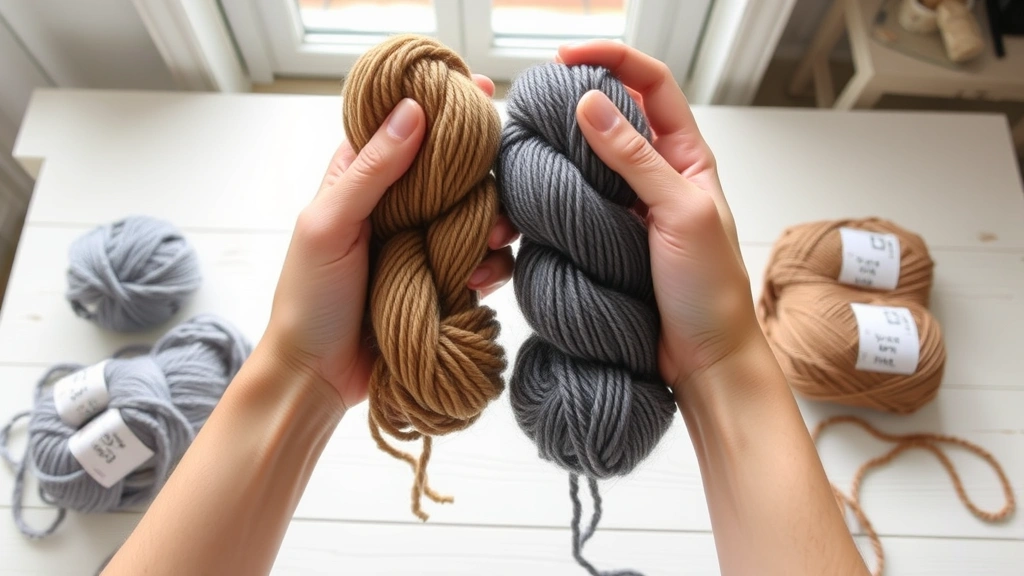
You know that feeling when you’re staring at a gorgeous crochet pattern, but the yarn it calls for costs more than your monthly coffee budget? I’ve been there. Last month, I fell in love with a chunky cardigan pattern that specified this beautiful alpaca blend – at $25 per skein, and needing eight skeins. Yeah, that wasn’t happening.
Here’s what I’ve learned after years of pattern substitutions: you absolutely can swap yarns, but it’s not just about grabbing whatever’s on sale. The key is understanding how different fibers behave, how yarn weights translate across brands, and what adjustments you’ll need to make to get similar results.
I’ve made some spectacular failures (a cotton sweater that could double as body armor) and some happy accidents (a wool blend that made my project even better than the original). The good news? Once you understand the basics, yarn substitution becomes second nature, and you’ll save serious money while still creating beautiful pieces.
Quick Answer
Yes, you can substitute yarn in crochet patterns by matching yarn weight, fiber content, and yardage requirements. Always make a gauge swatch first and consider how different fibers will affect drape, stretch, and care instructions.
Understanding Yarn Weights and Categories
The Craft Yarn Council created a standardized system that makes substitutions much easier. Each yarn weight has a number from 0 (lace) to 7 (jumbo), and this is your starting point for any substitution.
But here’s where it gets tricky – not all worsted weight yarns are created equal. I’ve worked with “worsted” yarns that ranged from 220 to 280 yards per 100 grams. That difference matters when you’re planning a large project.
| Weight Category | Number | Typical Yardage/100g | Hook Size Range |
|---|---|---|---|
| Lace | 0 | 500-800 yards | 1.5-2.25mm (steel) |
| Sport | 2 | 250-350 yards | 3.5-4.5mm (E-G) |
| DK | 3 | 200-280 yards | 4.0-5.0mm (G-H) |
| Worsted | 4 | 180-250 yards | 5.0-6.0mm (H-J) |
| Chunky | 5 | 120-180 yards | 6.5-9.0mm (K-M) |
When I’m working on baby blanket patterns, I pay extra attention to these ranges because baby projects need to be soft and washable. A sport weight cotton might work perfectly where the pattern calls for DK acrylic, as long as you adjust your hook size accordingly.
Pro Tip: Always check the yarn label for the weight symbol, not just the name. Some brands call their DK weight “light worsted,” which can be confusing.
Reading Between the Lines
Pattern designers usually specify yarn weights for good reasons. A chunky yarn creates quick, cozy textures perfect for chunky yarn projects, while fingering weight gives you intricate detail work. Understanding why they chose that weight helps you make better substitution decisions.
Why Fiber Content Actually Matters
This is where I see most crocheters go wrong. They match the weight perfectly but ignore fiber content, then wonder why their finished project looks nothing like the photo.
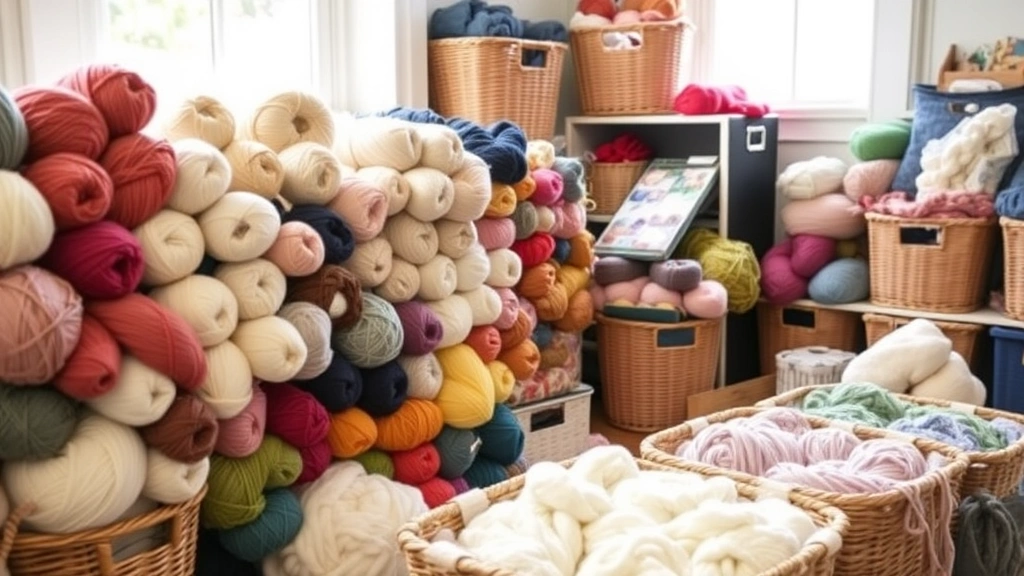
Cotton has no stretch and can be quite heavy when worked up. Wool has natural elasticity and warmth. Acrylic is lightweight and easy-care but can be less breathable. These aren’t just technical details – they completely change how your finished piece looks and feels.
Fiber Behavior Guide
Cotton: Perfect for summer tops, dishcloths, and structured pieces. It won’t stretch out of shape but can be heavy in large projects. When working on summer crochet tops, cotton blends give you breathability without too much weight.
Wool: Naturally elastic, warm, and forgiving. Great for sweaters and winter accessories. Pure wool can felt if washed incorrectly, so check care instructions carefully.
Acrylic: Lightweight, affordable, and machine washable. Modern acrylics have come a long way – brands like Lion Brand and Red Heart offer surprisingly soft options.
Blends: Often the best of both worlds. Cotton-acrylic blends give you cotton’s structure with acrylic’s easy care. Wool-acrylic blends offer warmth without the fussiness.
I learned this lesson the hard way making a summer cardigan. The pattern called for cotton, but I substituted pure wool because I loved the color. The result? A beautiful cardigan that was way too warm for summer and stretched out after a few wears.
Calculating Yardage for Substitutions
Here’s where math becomes your friend (I promise it’s not scary math). The key is calculating total yardage needed, not just the number of skeins.
Let’s say your pattern calls for 6 skeins of Brand A worsted weight at 220 yards per skein. That’s 1,320 total yards. If you want to substitute Brand B worsted weight at 180 yards per skein, you’ll need 8 skeins (1,440 yards) to have enough yarn.
- Calculate Total Yardage
Multiply the number of skeins by yards per skein from the original pattern. This gives you the total yardage needed.
- Divide by New Yarn Yardage
Take your total yardage and divide by the yards per skein of your substitute yarn. Round up to the nearest whole skein.
- Add a Buffer
I always add 10% extra, especially for large projects or if I’m changing fiber types. Better to have leftover yarn than run short.
When planning projects like granny square blankets, this calculation becomes even more important because you’ll need consistent yarn throughout multiple squares.
Weight vs. Yardage
Don’t assume heavier yarn means more yardage. A 100g skein of cotton might have 180 yards, while a 100g skein of wool could have 220 yards. Always go by yardage, not weight, when calculating substitutions.
Making Gauge Swatches That Actually Help
I know, I know. Nobody wants to make gauge swatches. But when you’re substituting yarn, they’re absolutely essential. I’ve learned to think of them as insurance against frogging an entire project.
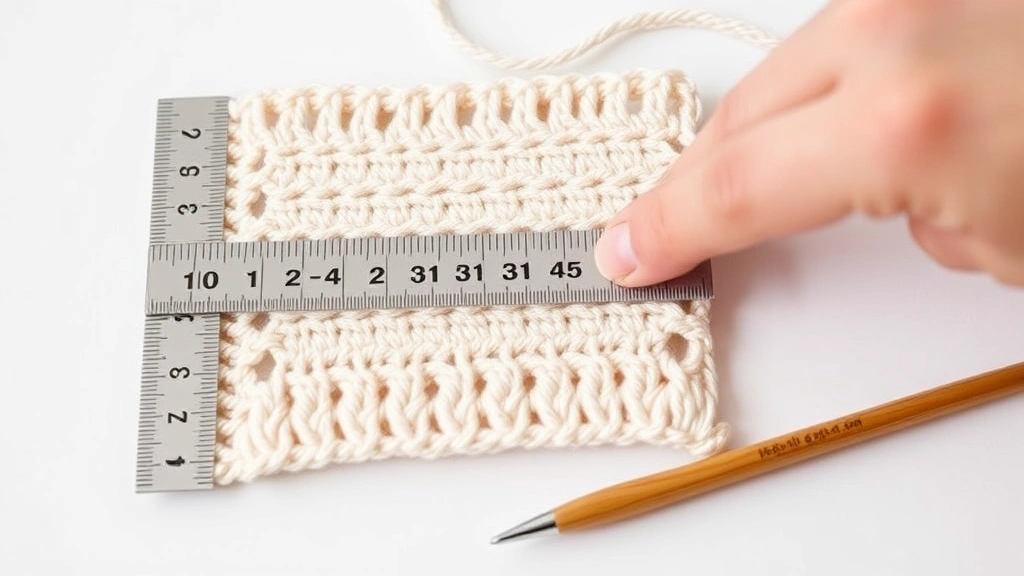
Make your swatch at least 6 inches square using the hook size recommended for your substitute yarn. Work in the main stitch pattern of your project – if it’s mostly single crochet, swatch in single crochet. If it uses a lot of double crochet techniques, include those.
What to Look For
Stitch Count: Measure how many stitches you get per inch horizontally and how many rows per inch vertically. Compare this to the pattern’s gauge.
Drape: Hold your swatch up. Does it hang similarly to what you’d expect from the pattern photos? Cotton will hang straighter, wool will have more body.
Stretch: Gently stretch your swatch. How much give does it have? This affects fit, especially in garments.
Time-Saving Tip: If your gauge is off, try changing hook sizes before changing yarns. Going up one hook size usually adds about 10% more stretch and drape.
Successful Substitution Strategies
After years of trial and error, I’ve developed some strategies that work consistently. The key is being strategic about what you change and what you keep the same.
The Conservative Approach
Stay within the same fiber family and weight category. If the pattern calls for worsted weight cotton, substitute with a different worsted weight cotton. This gives you the highest success rate with minimal adjustments needed.
The Calculated Risk
Change one element at a time. Maybe keep the same weight but switch from cotton to a cotton blend. Or keep the same fiber but go from DK to worsted weight. This approach works well for beginner crochet projects where you want some flexibility without too much complexity.
The Bold Substitution
Sometimes you want to completely transform a project. I’ve taken cotton dishcloth patterns and made them in silk for elegant washcloths, or used chunky wool where a pattern called for worsted acrylic to create a completely different aesthetic.
| Original Yarn | Safe Substitute | Bold Alternative | Expected Changes |
|---|---|---|---|
| Worsted Cotton | Worsted Cotton Blend | DK Wool | Softer drape, warmer |
| DK Acrylic | DK Cotton | Sport Wool | More structure, finer detail |
| Chunky Wool | Chunky Acrylic | Bulky Cotton | Less stretch, more weight |
When working on crochet sweater patterns, I lean toward conservative substitutions because fit is so important. But for home decor items, I’m much more adventurous.
Avoiding Common Substitution Disasters
Let me share some mistakes I’ve made so you don’t have to. These aren’t just theoretical problems – these are real issues I’ve encountered in my own projects.
The Shrinkage Surprise
I once substituted a cotton-wool blend for pure cotton in a baby blanket. The blanket looked perfect until the first wash, when it shrank significantly. Now I always check care instructions and test wash my gauge swatch first.
The Stretch-Out Disaster
Pure cotton has no memory – it stretches and stays stretched. I learned this making a tote bag with cotton where the pattern called for acrylic. The bag stretched out of shape after just a few uses because cotton couldn’t bounce back like acrylic would have.
The Weight Problem
Substituting multiple strands of lighter weight yarn for one strand of heavier yarn seems logical, but it creates bulk and changes the drape completely. A cardigan made with two strands of DK instead of one strand of worsted will be much thicker and less flexible.
Pro tip: If you must use multiple strands, choose yarns that are half the weight of your target yarn, not just any lighter weight. Two strands of sport weight approximate worsted weight much better than two strands of DK.
Color Considerations
Yarn dye lots matter more with some fibers than others. Cotton shows dye lot differences more obviously than wool. When substituting, buy all your yarn at once, and if possible, buy an extra skein in case you need more later.
Project-Specific Substitution Tips
Different types of projects have different substitution considerations. Here’s what I’ve learned works best for specific project categories.
Garments and Wearables
Fit is everything with garments. Stick close to the original fiber content, especially regarding stretch. If you’re working on crochet cardigan patterns, pay extra attention to how the substitute yarn behaves around buttonholes and edges.
For summer tops, cotton and cotton blends are almost always your best bet. For winter sweaters, wool or wool blends provide the warmth and elasticity you need. Acrylic can work for casual sweaters, but choose high-quality options for better drape.
Baby Items
Safety and washability trump everything else. Stick to machine-washable yarns, and avoid anything that might felt or shrink dramatically. When working on baby crochet patterns, I prefer cotton or high-quality acrylic over wool, even if the original pattern calls for wool.
Home Decor
This is where you can be most adventurous. Pillows, blankets, and wall hangings can handle dramatic fiber changes. I’ve successfully used chunky cotton rope where patterns called for wool, creating completely different but equally beautiful results.
For items that need structure, like baskets or plant hangers, cotton or cotton blends work better than stretchy wools. For cozy throws, wool or soft acrylics create better snuggle factor than cotton.
Amigurumi and Toys
Consistency is key for amigurumi patterns. The yarn needs to create tight, even stitches that won’t show stuffing. Cotton and tight-twist acrylics work best. Avoid fuzzy or loosely spun yarns that won’t hold their shape.
Safety Note: For children’s toys, always choose machine-washable, colorfast yarns. Test your gauge swatch by washing it to make sure colors don’t bleed.
Common Questions
Can I substitute a lighter weight yarn by using multiple strands?
This can work, but it’s tricky. Two strands of sport weight don’t exactly equal one strand of worsted – they create more bulk and less drape. If you must do this, choose yarns that are exactly half the weight of your target yarn, and make a large gauge swatch first. The texture will still be different, but the sizing should work out better.
How much extra yarn should I buy when substituting?
I always buy 10-15% more than the pattern calls for when substituting yarns. Different fibers use different amounts of yarn to create the same fabric. Cotton typically uses more yardage than wool for the same coverage because it has no stretch. Fuzzy yarns like mohair use less because the fuzz fills in gaps between stitches.
What if my substitute yarn has a completely different yardage per skein?
Focus on total yardage, not number of skeins. Calculate the total yards needed (skeins × yards per skein), then divide by your substitute yarn’s yardage per skein. Always round up and add extra. For a pattern calling for 6 skeins at 200 yards each (1,200 total), you’d need 7 skeins of yarn with 180 yards each (1,260 yards).
Can I substitute cotton for wool in sweater patterns?
This substitution is challenging because cotton has no stretch memory – it stretches out and stays stretched. Wool naturally bounces back to its original shape. If you must make this substitution, choose a cotton-elastic blend, go down one hook size to create tighter fabric, and expect the sweater to have less recovery after wearing. Cotton works better for structured cardigans than fitted pullovers.
How do I know if my gauge swatch is accurate for the whole project?
Make your swatch at least 6 inches square using the main stitch pattern of your project. Wash and block it the same way you’ll care for the finished item. Measure after it’s completely dry. If you’re still not sure, make a larger swatch or start with a small test piece like a hat before committing to a large project.
What’s the biggest mistake people make with yarn substitution?
Ignoring fiber content and focusing only on yarn weight. A worsted weight cotton behaves completely differently from a worsted weight wool, even though they’re both labeled as worsted weight. The cotton will be heavier, have no stretch, and hang differently. Always consider both weight and fiber content together.
Can I substitute expensive yarn with budget yarn and get similar results?
Sometimes, yes. Modern budget acrylics have improved dramatically. Red Heart Super Saver isn’t the scratchy yarn it used to be, and brands like Lion Brand Wool-Ease offer good quality at reasonable prices. The key is choosing the right budget yarn for your project. For baby items or everyday sweaters, good acrylic works fine. For special occasion pieces or heirloom projects, investing in better yarn usually shows in the finished product.
How do I substitute yarn for vintage patterns that call for discontinued yarns?
Check Ravelry for project notes from other crocheters who’ve made the same pattern – they often list successful substitutions. Look for yarns with similar yardage and fiber content rather than trying to match brand names. Many vintage patterns used wool or cotton that’s easy to substitute with modern equivalents. The Craft Yarn Council website has conversion charts that can help translate older yarn categories to modern weight systems.
Making Smart Substitution Choices
Yarn substitution doesn’t have to be scary or complicated. Start with conservative swaps – same weight, similar fiber content – and build your confidence from there. Pay attention to how different yarns behave in your hands, and don’t be afraid to make notes for future projects.
Remember that sometimes a substitution creates something even better than the original. Some of my favorite finished projects came from happy accidents where my yarn choice improved on the designer’s vision. Trust your instincts, make that gauge swatch, and enjoy the process of making each pattern uniquely yours.
The most important thing? Don’t let perfect be the enemy of good. A finished project made with substitute yarn beats an unstarted project with the “perfect” yarn sitting in your stash. Happy crocheting!