Last week, I was at my local yarn shop when I overheard a newer crocheter asking about the difference between treble and double treble crochet stitches. She was holding a pattern that called for “dtr” and looked completely puzzled. I totally get it – when I first started crocheting, anything beyond a double crochet felt like advanced wizardry. The truth is, once you understand the basic mechanics, treble and double treble stitches are just extensions of what you already know.
These taller stitches are incredibly useful for creating height quickly, making them perfect for everything from afghans to decorative elements. They’re also essential for many lace patterns and can help you create beautiful draping effects. But here’s what no one tells you upfront: they eat up yarn faster than shorter stitches, and getting consistent tension takes practice.
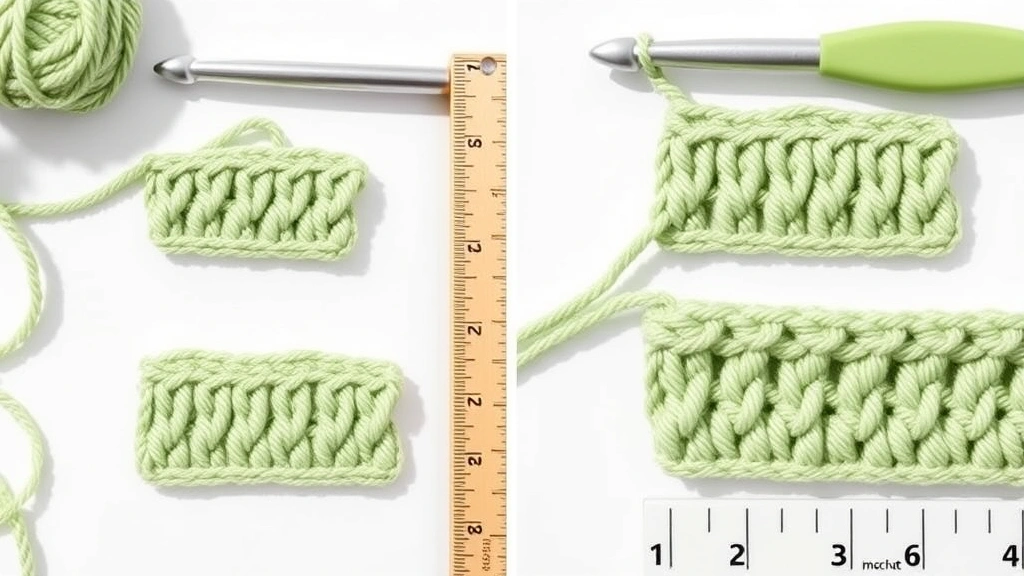
The main difference between treble (tr) and double treble (dtr) comes down to how many yarn overs you start with and how many loops you work off your hook. A treble crochet starts with two yarn overs, while a double treble starts with three. This creates different stitch heights – treble crochet is about the height of three chains, while double treble equals about four chains.
Quick Answer
Treble crochet uses 2 yarn overs and creates a stitch about 3 chains tall, while double treble uses 3 yarn overs for a 4-chain height. Both follow the same basic pattern of yarn over, pull through, then work off pairs of loops until one remains on your hook.
Understanding the Basics
Before diving into the techniques, let’s talk about why these stitches exist. Both treble and double treble crochet are part of what we call “tall stitches.” They’re designed to create height quickly, which is incredibly useful when you want to work up a project faster or create specific design elements.
Think of it this way: if single crochet is like taking small steps, and double crochet is like taking regular strides, then treble and double treble are like taking big leaps. Each additional yarn over adds height and creates a more open, airy fabric.
The terminology can be confusing because UK and US crochet terms differ. In US terms, treble crochet (tr) is what UK crocheters call double treble (dtr). What Americans call double treble (dtr), the UK calls triple treble (ttr). For this article, I’m using US terminology throughout.
Pro tip: When learning these stitches, practice with a smooth, light-colored worsted weight yarn like Lion Brand Vanna’s Choice. The smooth texture makes it easier to see your stitches and correct mistakes.
Both stitches follow the same basic principle: yarn over, insert hook, yarn over and pull through (creating loops on your hook), then work off the loops in pairs until only one loop remains. The difference is simply how many times you yarn over at the beginning.
How to Work Treble Crochet
Treble crochet starts with two yarn overs, which might feel awkward at first. Here’s the step-by-step process I teach in my classes:
- Chain and Yarn Over Twice
Start by chaining 4 (this counts as your first treble crochet plus turning chain). Yarn over twice – wrap the yarn around your hook two complete times. This creates three loops on your hook before you even insert it into the work.
- Insert and Pull Through
Insert your hook into the fifth chain from the hook (or into the designated stitch if you’re working into existing fabric). Yarn over and pull through the chain. You now have four loops on your hook.
- Work Off the Loops
Here’s where the magic happens. Yarn over and pull through the first two loops on your hook (leaving three loops). Yarn over again and pull through the next two loops (leaving two loops). Yarn over one final time and pull through the last two loops. One loop remains – your treble crochet is complete.
The rhythm becomes: yarn over, pull through two, yarn over, pull through two, yarn over, pull through two. It’s like a little dance once you get the hang of it.
When working in rows, remember that your turning chain counts as a stitch. Chain 4 at the beginning of each row, then work your first treble into the second stitch of the previous row. This prevents your work from getting wider as you go.
Mastering Double Treble Crochet
Double treble crochet follows the same principle as treble, but with one additional yarn over at the start. This creates an even taller stitch that’s perfect for creating dramatic height differences in your work.
The setup is crucial: chain 5 (this counts as your first double treble), then yarn over three times. Yes, three complete wraps around your hook. This creates four loops on your hook before you insert it anywhere.
- Yarn Over Three Times
This is the trickiest part for most people. Wrap the yarn around your hook three complete times. Hold the yarn overs in place with your finger if needed – they tend to slide around more than with shorter stitches.
- Insert and Create Your Base
Insert your hook into the sixth chain from the hook (or designated stitch). Yarn over and pull through. You now have five loops on your hook – this looks intimidating but follows the same pattern.
- Work Off in Pairs
Yarn over, pull through two loops (four remain). Yarn over, pull through two loops (three remain). Yarn over, pull through two loops (two remain). Yarn over, pull through the final two loops. Done!
The key to consistent even stitches is maintaining consistent tension throughout all those yarn overs. I’ve found that keeping a light grip on the working yarn helps prevent the yarn overs from becoming too tight or too loose.
Double treble crochet is particularly useful in filet crochet patterns where you need significant height variations. It’s also common in vintage doily patterns and modern geometric designs.
Common Mistakes and Fixes
After teaching these stitches for years, I’ve seen the same mistakes over and over. The good news is they’re all fixable with a little awareness and practice.
Losing Yarn Overs
This is probably the most common issue. You start with the right number of yarn overs, but somewhere in the process, one slides off your hook. The result is a shorter stitch that throws off your row height.
The fix: Count your loops before inserting your hook. For treble, you should have three loops. For double treble, you should have four loops. If you’re missing one, add another yarn over before proceeding.
Inconsistent Tension
Tall stitches are more sensitive to tension variations than shorter ones. Too tight, and your stitches lean. Too loose, and they look sloppy and create gaps.
Practice with the same yarn and hook combination until you find your sweet spot. I recommend starting with a 5.5mm (I/9) hook with worsted weight yarn – it’s forgiving and easy to see your work.
Counting Confusion
It’s easy to lose track of where you are in the stitch sequence, especially with double treble. I’ve found it helps to think of each “yarn over, pull through two” as one complete action rather than trying to count individual steps.
Here’s a trick I learned from my grandmother: if you lose track of where you are in a tall stitch, look at how many loops are on your hook. For treble, you should never have more than four loops. For double treble, never more than five. If you have too many, you probably missed a step.
When to Use Each Stitch
Understanding when to use treble versus double treble crochet can make the difference between a good project and a great one. Each has its strengths and ideal applications.
Treble Crochet Applications
Treble crochet is incredibly versatile. I use it most often in granny square variations where I want more height than double crochet provides but don’t need the extreme height of double treble. It’s also perfect for creating shells and fans in edging work.
Afghan patterns often call for treble crochet because it works up quickly while still providing good coverage. The stitch is tall enough to create interesting texture but not so tall that it becomes impractical for everyday use items.
Lace patterns frequently use treble crochet for creating the open, airy feeling that makes lace so beautiful. Combined with chain spaces, treble stitches create lovely draping effects.
Double Treble Crochet Uses
Double treble crochet shines in situations where you need dramatic height differences. I love using it in mandala patterns where the extreme height creates beautiful radiating effects.
It’s also essential for certain vintage patterns, particularly doilies and table runners from the 1920s and 1930s. Many of these patterns rely on the height contrast between single crochet and double treble to create their distinctive look.
In modern crochet, double treble is making a comeback in geometric wall hangings and art pieces where the height variation creates visual interest and shadow effects.
| Stitch Type | Height (chains) | Best For | Yarn Usage |
|---|---|---|---|
| Treble Crochet | 4 chains | Afghans, shells, medium lace | Moderate |
| Double Treble | 5 chains | Doilies, art pieces, dramatic height | High |
Yarn Weight and Hook Considerations
The yarn weight you choose dramatically affects how these tall stitches behave. I’ve experimented with everything from fingering weight to bulky, and each creates a completely different fabric.
Lighter Weight Yarns
With fingering or sport weight yarns, both treble and double treble create delicate, lacy fabrics. The stitches have beautiful drape but require more careful attention to tension. I recommend going up a hook size or two from what the yarn label suggests to maintain good stitch definition.
These combinations are perfect for shawls, summer tops, and decorative elements where you want an ethereal quality.
Worsted Weight and Beyond
Worsted weight yarn is the sweet spot for learning these stitches. The yarn has enough body to show stitch definition clearly, but it’s not so thick that the tall stitches become unwieldy.
With chunky weight yarns, treble and double treble stitches can become almost architectural. They’re great for statement pieces and home decor items, but they eat up yarn quickly and can be challenging to work with consistently.
Troubleshooting Height Issues
One of the most frustrating things about tall stitches is when they don’t turn out the right height. I’ve been there – you follow the pattern exactly, but your stitches look wonky compared to the photo.
Stitches Too Short
If your treble or double treble stitches are coming out shorter than expected, you’re probably losing yarn overs or working too tightly. Check that you’re starting with the correct number of yarn overs and that they’re not sliding off your hook.
Another common cause is working into the wrong part of the stitch below. Make sure you’re inserting your hook under both loops of the stitch top, not just one loop or into the space between stitches.
Stitches Too Tall or Loose
If your stitches are taller than the pattern shows, you might be adding extra yarn overs or working too loosely. Count your yarn overs carefully and practice maintaining consistent tension.
Sometimes the issue is hook size. If you’re using a significantly larger hook than recommended, your stitches will naturally be taller and looser.
Uneven Heights
This is usually a tension issue. The good news is that blocking your finished project can help even out minor height variations. For more significant issues, practice is really the only solution.
I tell my students to make several practice swatches with the same yarn and hook combination. Work rows of just treble crochet, then rows of just double treble. This helps build the muscle memory needed for consistent results.
Common Questions
How much more yarn do tall stitches use compared to shorter ones?
Treble crochet uses about 50% more yarn than double crochet, while double treble can use up to 75% more. This is because of the additional yarn overs and the increased height. Always buy extra yarn when working patterns heavy in tall stitches.
Can I substitute treble crochet for double crochet in patterns?
You can, but it will significantly change the look and size of your project. The fabric will be more open and the piece will be taller. If you want to make this substitution, work a gauge swatch first and adjust your starting chain count accordingly.
Why do my tall stitches lean to one side?
This is usually caused by inconsistent tension or inserting your hook at an angle. Focus on keeping your hook perpendicular to your work and maintaining steady tension throughout the stitch. Practice with a larger hook if you tend to work tightly.
What’s the difference between US and UK terminology for these stitches?
In US terms, treble crochet (tr) is called double treble (dtr) in UK patterns. US double treble (dtr) is UK triple treble (ttr). Always check which terminology a pattern uses to avoid confusion.
How do I fix a dropped yarn over in the middle of a stitch?
If you notice you’ve lost a yarn over partway through a stitch, the easiest fix is to unravel back to the beginning of that stitch and start over. Trying to add yarn overs mid-stitch usually creates more problems than it solves.
Are tall stitches suitable for beginners?
I recommend mastering single and double crochet first, but treble crochet isn’t too challenging for motivated beginners. Double treble requires more coordination and is better saved until you’re comfortable with shorter stitches. Start with simple practice rows before attempting complex patterns.
What hook size should I use for tall stitches?
Start with the hook size recommended for your yarn weight, but don’t be afraid to go up a size if your stitches feel cramped or difficult to work. Tall stitches often benefit from a slightly larger hook to maintain good stitch definition.
How do I count tall stitches in a row?
Remember that your turning chain counts as a stitch. For treble crochet, chain 4 counts as the first treble. For double treble, chain 5 counts as the first double treble. When counting stitches, include these turning chains in your total.
Mastering treble and double treble crochet opens up a whole world of pattern possibilities. These stitches might feel awkward at first, but with practice, they become as natural as any other stitch in your repertoire. The key is to start slowly, focus on consistency, and don’t get discouraged if your first attempts aren’t perfect.
Remember that every crocheter has been where you are now, struggling with yarn overs and trying to keep track of loops. The satisfaction of finally nailing these stitches and seeing how they transform your projects makes all the practice worthwhile. Take your time, be patient with yourself, and enjoy the process of learning something new.
Happy crocheting, and remember – there’s no such thing as a perfect stitch, just stitches that work for your project. Keep practicing, and soon you’ll be incorporating these beautiful tall stitches into all sorts of creative projects.