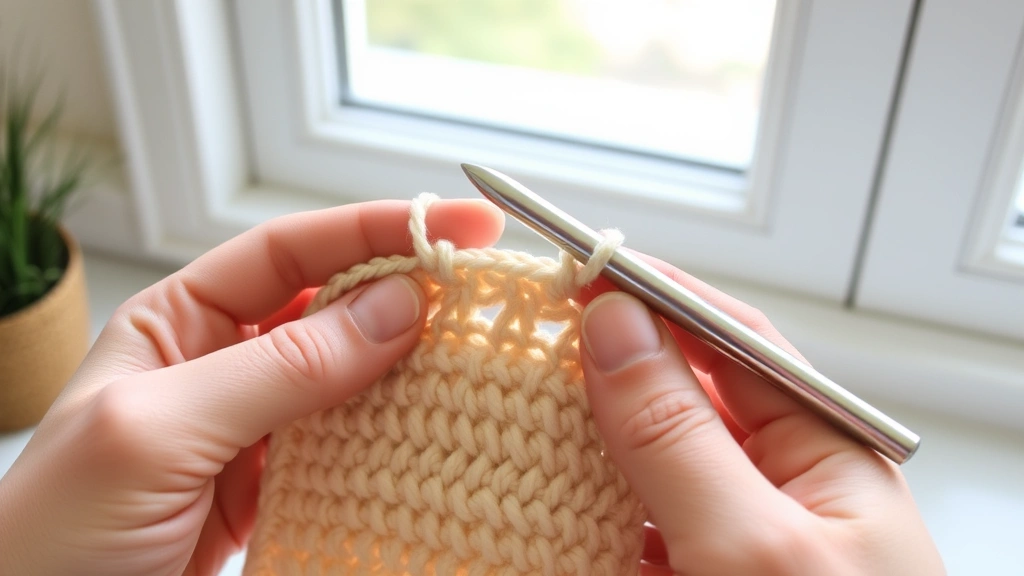
Last week, I watched my friend Sarah struggle with her first double crochet project. She’d mastered single crochet beautifully, but those double crochets looked more like wonky towers than neat stitches. Sound familiar? The jump from single to double crochet feels huge when you’re starting out, but here’s the thing – once you get the rhythm down, double crochet becomes your go-to stitch for so many projects.
Double crochet is honestly one of my favorite stitches. It works up faster than single crochet, creates beautiful texture, and opens the door to countless patterns. Whether you’re dreaming of making cozy blankets or delicate shawls, mastering this stitch is your ticket to more exciting crochet adventures.
I’ve taught this stitch to dozens of people over the years, and I’ve seen the same mistakes pop up again and again. The good news? They’re all totally fixable with the right guidance. Today, I’m going to walk you through everything you need to know about double crochet – from the basic mechanics to troubleshooting those pesky problems that trip up new crocheters.
Quick Answer
Double crochet involves yarn over, insert hook, yarn over and pull through (3 loops on hook), yarn over and pull through 2 loops twice. It creates a taller stitch than single crochet and works up quickly for blankets, scarves, and garments.
What Is Double Crochet?
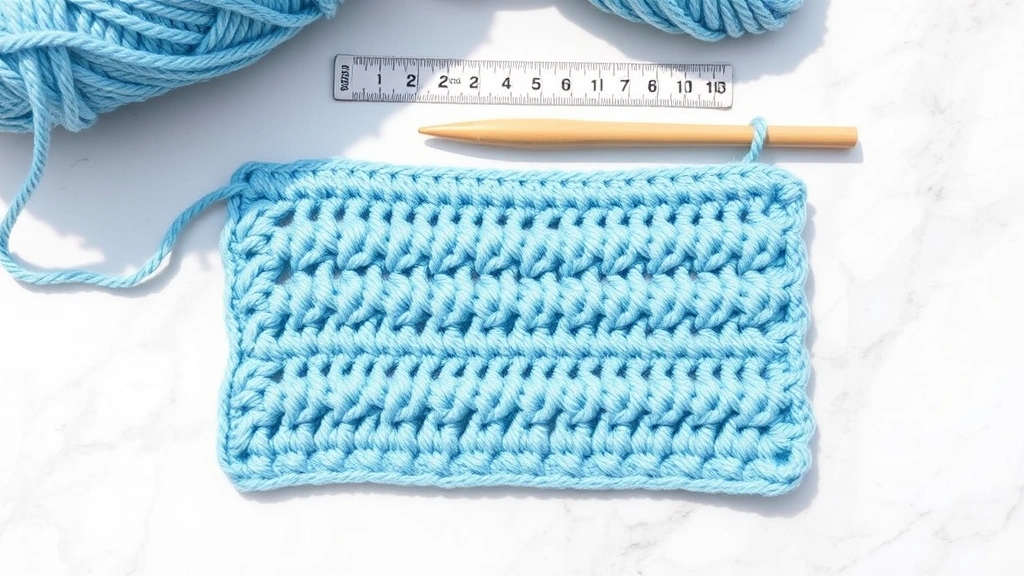
Double crochet (abbreviated as dc in US patterns, or tr for treble crochet in UK patterns) is a fundamental crochet stitch that’s about twice as tall as single crochet. While single crochet creates a dense, sturdy fabric, double crochet gives you a more open, drapey texture that’s perfect for lightweight blankets, summer tops, and decorative items.
The stitch gets its name because you yarn over before inserting your hook, creating that extra height. This makes it incredibly efficient – you can cover a lot of ground quickly with double crochet, which is why it’s such a popular choice for baby blankets and afghans.
In terms of stitch height, double crochet typically measures about 3/4 to 1 inch tall, depending on your yarn weight and tension. This makes it perfect for creating texture and visual interest in your projects. When you’re working in rows, you’ll chain 3 at the beginning of each row to match the height of your double crochet stitches.
Pro tip: If you’re coming from knitting, double crochet creates a similar drape to stockinette stitch, but with more structure and definition.
Step-by-Step Double Crochet Tutorial
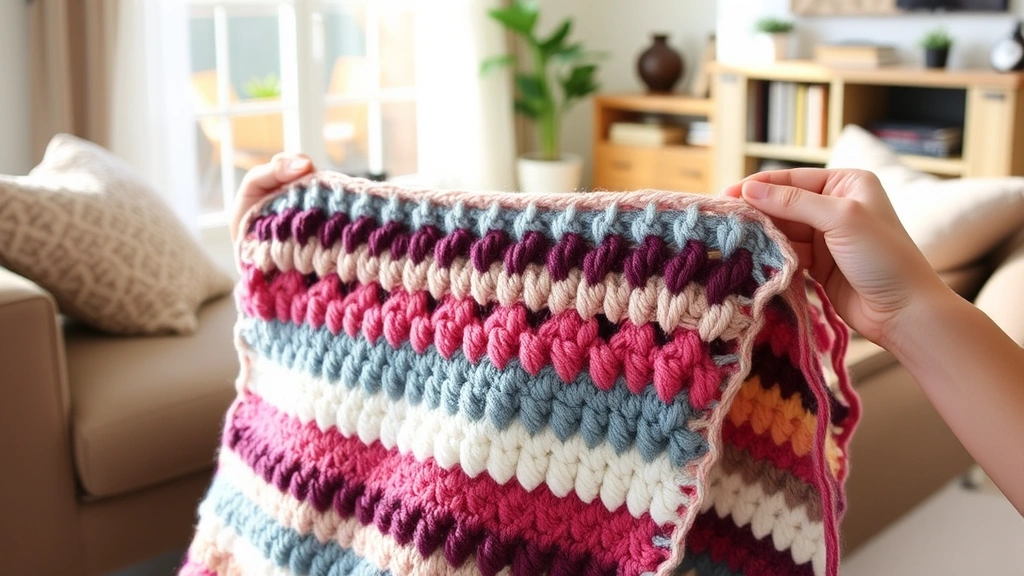
Let me walk you through the double crochet stitch step by step. I recommend practicing with worsted weight yarn (like Lion Brand Vanna’s Choice) and a size H (5mm) hook when you’re learning – it’s forgiving and easy to see your stitches.
- Start with a foundation chain
Make a foundation chain with however many stitches your pattern calls for, plus 3 extra chains. These 3 chains will count as your first double crochet stitch.
- Yarn over
Wrap the yarn over your hook from back to front. This is crucial – without this yarn over, you won’t have enough height for a proper double crochet.
- Insert your hook
Skip the first 3 chains (they count as your first dc) and insert your hook into the 4th chain from your hook. Push the hook all the way through so you can see it clearly on the other side.
- Yarn over and pull through
Yarn over again and pull the yarn through the chain stitch. You should now have 3 loops on your hook – don’t panic, this is exactly right!
- First yarn over and pull through
Yarn over once more and pull through the first 2 loops on your hook. You’ll have 2 loops remaining on your hook.
- Final yarn over and pull through
Yarn over one last time and pull through the remaining 2 loops. Congratulations – you’ve just completed your first double crochet stitch!
For your second double crochet, you’ll yarn over and insert your hook into the next chain, then repeat steps 4-6. The rhythm becomes: yarn over, insert, yarn over and pull through (3 loops), yarn over and pull through 2, yarn over and pull through 2.
The key to smooth double crochet is maintaining consistent tension. Your yarn overs should be loose enough to work with easily, but not so loose that your stitches look sloppy.
Common Mistakes and How to Fix Them
I’ve seen the same mistakes countless times when teaching double crochet, and honestly, they’re all part of the learning process. Here are the big ones and how to fix them:
Forgetting the Initial Yarn Over
This is probably the most common mistake. If you forget to yarn over before inserting your hook, you’ll end up with a single crochet instead of a double crochet. Your work will look uneven, with some stitches taller than others. The fix is simple: always yarn over first, then insert your hook.
Counting the Turning Chain Wrong
When you’re working in rows, that chain-3 at the beginning counts as your first double crochet. Many beginners either skip it when counting stitches or work into it incorrectly. Remember: chain 3, then start your first real double crochet in the second stitch of the previous row.
Inconsistent Tension
Tension issues show up as stitches that are either too tight (making it hard to insert your hook) or too loose (creating gaps in your work). Practice with the same yarn and hook combination until you develop muscle memory. Good tension comes with time and practice.
Working Into the Wrong Part of the Stitch
Always insert your hook under both loops at the top of the stitch below, unless your pattern specifically says otherwise. Working into just one loop or into the space between stitches will throw off your stitch count and create an uneven fabric.
Quick fix: If your double crochets look wonky, slow down and count your yarn overs. Each double crochet should have exactly three yarn overs total – one at the start, then one each for the two pull-throughs.
Best Yarn and Hook Combinations
The yarn and hook you choose can make or break your double crochet experience. Here’s what I’ve learned works best for different situations:
| Yarn Weight | Hook Size | Best For | Gauge (4 inches) |
|---|---|---|---|
| DK (3) | 5mm (H) | Baby items, lightweight scarves | 16-18 dc |
| Worsted (4) | 5.5mm (I) | Blankets, sweaters | 14-16 dc |
| Chunky (5) | 6.5mm (K) | Quick projects, home decor | 11-13 dc |
| Super Chunky (6) | 8mm (L) | Statement pieces, rugs | 8-10 dc |
For beginners, I always recommend starting with worsted weight acrylic yarn. Red Heart Super Saver or Caron Simply Soft are excellent choices – they’re affordable, forgiving, and come in tons of colors. The smooth texture makes it easy to see your stitches and catch mistakes early.
Cotton yarns like Lily Sugar ‘n Cream work beautifully for double crochet dishcloths and summer tops, but they can be less forgiving for beginners because they don’t have much stretch. Save the cotton for when you’re feeling confident with your technique.
Hook Material Matters
The material of your crochet hook affects how smoothly your yarn glides. Aluminum hooks are my go-to for most projects – they’re smooth, durable, and reasonably priced. Bamboo hooks feel lovely in your hands and work well with natural fibers, while plastic hooks are great for beginners because they’re lightweight and inexpensive.
Perfect Practice Projects
Once you’ve got the basic stitch down, you’ll want to practice with real projects. Here are my favorite beginner-friendly double crochet projects that will help you build confidence:
Simple Dishcloths
Start with a basic square dishcloth using cotton yarn. Chain 31 (that’s 28 dc plus 3 for your turning chain), then work in double crochet for about 30 rows. It’s perfect for practicing consistent tension and turning chains. Plus, you’ll end up with something useful!
Granny Square Blanket
The classic granny square is mostly double crochet worked in the round. It’s a great way to practice the stitch while creating something beautiful. Start with 6-inch squares and join them as you go.
Basic Scarf
A simple double crochet scarf is wonderfully meditative to make. Chain about 25 stitches (adjust for your preferred width), then work in double crochet until it’s as long as you want. I usually aim for about 60 inches for an adult scarf.
Project tip: Keep track of your rows with a row counter or by marking every 10th row with a contrasting piece of yarn. It helps you stay motivated and catch mistakes early.
Double Crochet Variations
Once you’re comfortable with basic double crochet, there are several variations that add interest and texture to your work:
Front Post and Back Post Double Crochet
These techniques create raised and recessed stitches by working around the post of the stitch instead of through the top loops. Front post double crochet (fpdc) creates a raised stitch, while back post double crochet (bpdc) creates a recessed one. They’re essential for creating ribbing and textured patterns.
Double Crochet Clusters
Clusters group multiple double crochets together at the top, creating a fan or shell effect. They’re gorgeous in lace patterns and add visual interest to simple projects. A basic 3-dc cluster involves working three incomplete double crochets, then yarning over and pulling through all the loops at once.
Extended Double Crochet
This variation adds an extra step to create a slightly taller stitch. After you yarn over and pull through the first loop, you yarn over and pull through one loop (instead of two), then continue with the regular double crochet steps. It creates beautiful drape and is perfect for garments.
Troubleshooting Your Double Crochet
Even experienced crocheters run into issues sometimes. Here’s how to diagnose and fix the most common double crochet problems:
Stitches Getting Taller or Shorter
If your stitches aren’t consistent height, check your yarn overs. Each double crochet should have exactly three yarn overs – one at the beginning, then one each for the two pull-through steps. Also, make sure you’re maintaining consistent tension throughout.
Gaps in Your Work
Large gaps usually mean your tension is too loose, or you’re accidentally adding extra stitches. Count your stitches at the end of each row to make sure you have the right number. Remember, your turning chain counts as the first stitch of each row.
Work Curving or Cupping
If your flat project is curving, you might be adding or losing stitches. Double-check your stitch count and make sure you’re working into the correct loops. Cupping often happens when you’re working too tightly – try relaxing your tension or going up a hook size.
When in doubt, take a break and come back to your project with fresh eyes. Sometimes the solution becomes obvious after a little time away.
Common Questions
How much yarn do I need for a double crochet blanket?
For a throw-size blanket (about 50×60 inches) in worsted weight yarn, you’ll need approximately 1,800-2,200 yards. Baby blankets typically require 800-1,200 yards, while king-size blankets can need 3,000+ yards. Always buy an extra skein or two to account for gauge differences and mistakes.
Why do my double crochet stitches look twisted?
Twisted stitches usually happen when you’re inserting your hook incorrectly or working into the wrong part of the stitch below. Make sure you’re going under both loops at the top of each stitch, and keep your hook straight as you work.
Can I use double crochet for amigurumi?
While single crochet is more common for amigurumi because it creates a tighter fabric, double crochet can work for larger pieces or when you want a more open, drapey effect. Just be aware that you might need to stuff more firmly to prevent the filling from showing through.
How long does it take to learn double crochet?
Most people can work a recognizable double crochet within their first practice session, but developing smooth, consistent technique usually takes a few weeks of regular practice. Don’t get discouraged if it feels awkward at first – muscle memory takes time to develop.
What’s the difference between US and UK double crochet terms?
This is super confusing! What Americans call “double crochet” is called “treble crochet” in UK patterns. UK “double crochet” is what Americans call “single crochet.” Always check which terminology your pattern uses to avoid confusion.
Should I block my double crochet projects?
Blocking can really improve the look of double crochet work, especially for garments and decorative items. It evens out your stitches and helps the fabric drape better. For acrylic yarns, steam blocking works well, while natural fibers can be wet blocked.
My double crochet fabric is too stiff – what can I do?
Stiff fabric usually means your tension is too tight. Try going up a hook size or consciously relaxing your grip on the yarn. Some yarns also soften considerably after washing, so don’t judge the final drape until after you’ve cared for your finished project.
How do I count double crochet stitches correctly?
Count the vertical posts of your stitches, not the spaces between them. In each row, your turning chain-3 counts as one stitch, so when you’re working back across, skip the first real stitch and work into the second one. At the end of the row, work into the top of the turning chain from the previous row.
Double crochet truly is one of those stitches that opens up a whole world of crochet possibilities. Yes, it feels awkward when you’re starting out – all those yarn overs and loops can seem overwhelming. But stick with it, because once you get the rhythm down, you’ll find yourself reaching for double crochet again and again.
The projects you can make with this one stitch are endless. From quick weekend scarves to heirloom blankets, double crochet gives you the perfect balance of speed and beauty. Take your time learning it properly, practice with forgiving materials, and don’t be afraid to rip out and start over if something doesn’t look right.
Remember, every expert crocheter started exactly where you are now. We’ve all made wonky stitches and dropped yarn overs and wondered if we’d ever get it right. But here’s the beautiful thing about crochet – it’s forgiving, and every mistake is just another step toward mastery. So grab your hook and yarn, and let’s get those double crochets looking gorgeous!