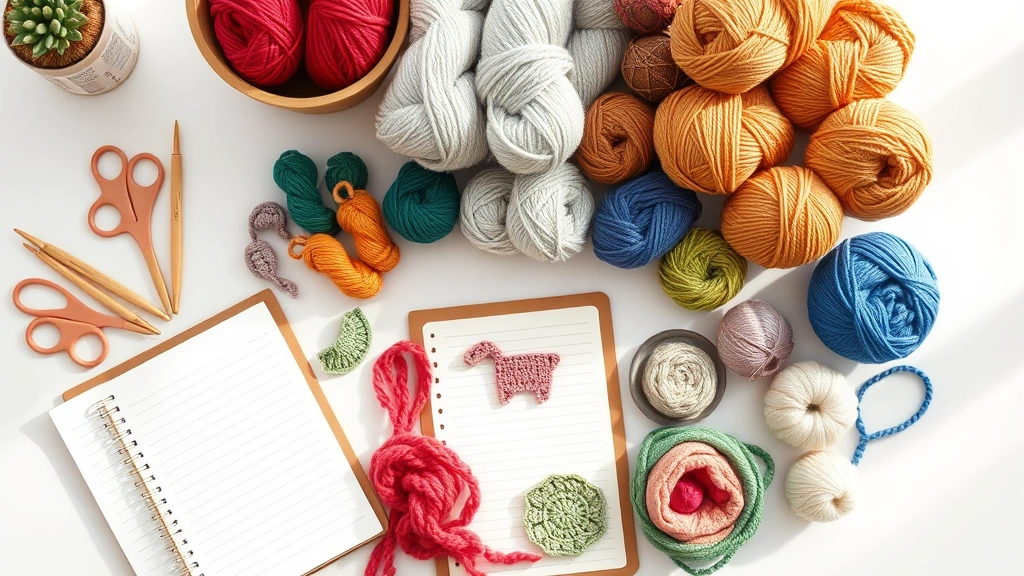
Last weekend, I was helping my neighbor Sarah with her first crochet project when she asked me something that stopped me in my tracks: “How do I know when I’m actually ready to sell my crochet work?” She’d been crocheting for about six months, making scarves and dishcloths for family, and people kept telling her she should start a business. But here’s the thing – there’s a huge difference between making something your mom loves and creating products that strangers will pay good money for.
I’ve been down this road myself, and I’ve watched countless crocheters jump into selling too early, only to get overwhelmed or discouraged. The truth is, timing matters more than you might think. Start too soon, and you’ll struggle with pricing, quality control, and customer expectations. Wait too long, and you might miss opportunities or lose confidence.
After running my own crochet business for five years and mentoring dozens of crafters through this transition, I’ve learned there are some clear indicators that separate hobbyists from ready-to-sell crocheters. It’s not just about skill level – though that matters. It’s about understanding your market, managing your time, and honestly assessing whether you’re prepared for the business side of crafting.
Quick Answer
You’re ready to sell your crochet work when you can consistently create quality pieces in reasonable time frames, have mastered basic business skills like pricing and customer service, and can handle the mental shift from crafting for joy to crafting for profit. Most successful sellers have at least 1-2 years of regular crocheting experience and have tested their market with friends and family first.
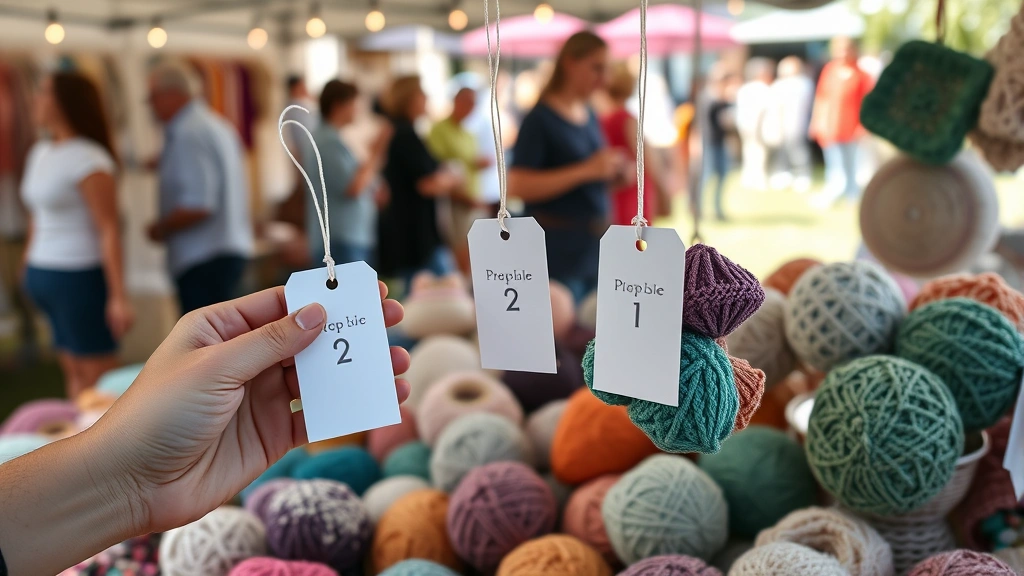
Assessing Your Skill Level Honestly
Before you even think about selling, you need to take a brutally honest look at your crochet skills. I’m not trying to be harsh here, but I’ve seen too many beginners get discouraged because they started selling before they were truly ready.
Here’s what I consider the baseline skill set for selling crochet work: you should be able to read and follow patterns without constantly referring to YouTube tutorials, maintain consistent tension throughout your projects, and fix common mistakes without starting over. You should also be comfortable with basic crochet stitches and be able to work them quickly and evenly.
Technical Skills Checklist
Can you confidently work these techniques without looking them up every time? Single crochet, double crochet, half double crochet, treble crochet, working in the round, increasing and decreasing, reading stitch diagrams, and basic colorwork. If you’re planning to sell amigurumi projects, add invisible decreases, color changes, and basic shaping to that list.
Speed matters too, though not as much as consistency. You don’t need to be the fastest crocheter in the world, but you should be able to complete a simple scarf in a weekend, not a month. I can usually gauge someone’s readiness by how long it takes them to make a basic beanie – if it’s taking more than 6-8 hours for a simple single crochet hat, they probably need more practice before selling.
Pro tip: Make the same pattern three times in a row. If each one looks significantly different from the others, you need more practice before selling. Consistency is everything in handmade business.
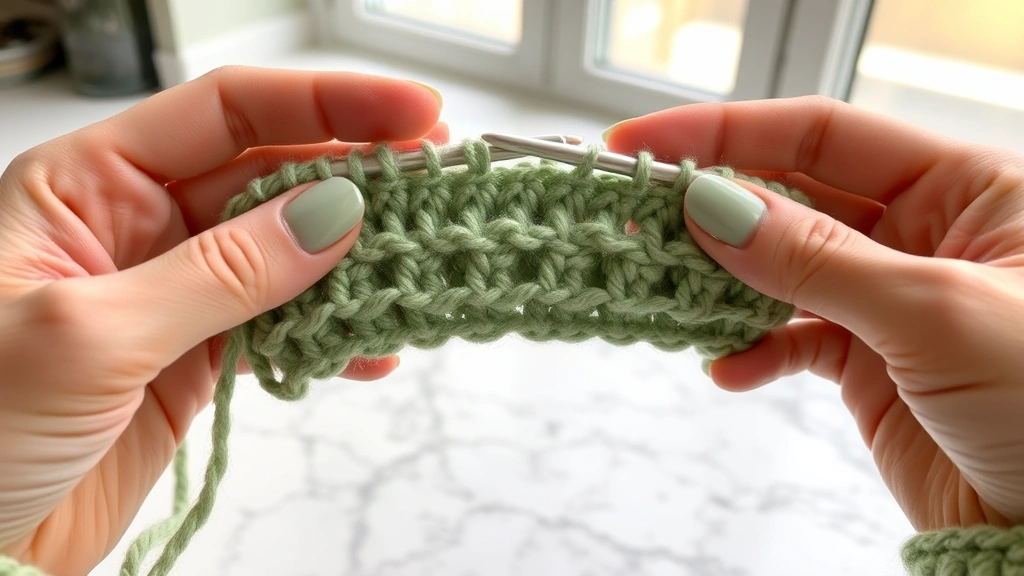
Business Skills You Actually Need
This is where a lot of crocheters get tripped up. Making beautiful things is only about 30% of running a successful crochet business. The other 70% is actual business stuff, and it’s not nearly as fun as the crafting part.
You’ll need to handle customer service, which means responding to messages promptly and professionally, even when someone asks if you can make a king-size crochet blanket for $50. You’ll need basic photography skills to showcase your work online, and trust me, good photos make or break online sales.
Essential Business Tasks
Inventory management sounds boring, but it’s crucial. You need to track your yarn supplies, know how much each project costs to make, and plan ahead for busy seasons. I learned this the hard way when I got 15 custom ornament orders in November and realized I didn’t have nearly enough metallic thread.
Marketing is another big one. Even if you’re just selling at local craft fairs, you need to know how to talk about your work, display it attractively, and connect with potential customers. Social media management has become pretty much essential too – whether that’s Instagram, Facebook, or TikTok depends on your target market.
Financial record-keeping might be the least exciting part, but the IRS doesn’t care if you find bookkeeping boring. You need to track income, expenses, and mileage from the very beginning. I use a simple spreadsheet, but there are apps like QuickBooks Self-Employed that make it easier.
Time Management and Production Reality
Here’s something nobody talks about enough: selling crochet work means you’ll be crocheting a lot less for fun. When every project has a deadline and a customer attached to it, the relaxing, meditative aspect of crochet can disappear pretty quickly.
Before you start taking orders, you need to honestly assess how much time you can dedicate to crocheting for profit versus crocheting for pleasure. I recommend keeping at least 20% of your crochet time for personal projects, or you’ll burn out fast.
Production Time Reality Check
Let’s talk numbers. A simple crochet scarf might take you 8-12 hours to complete. If you’re charging $60 for it (which is reasonable), and you spend $15 on materials, you’re making about $4-5 per hour before taxes and business expenses. That’s why speed and efficiency matter so much.
You also need buffer time for the non-crocheting parts of each order: communicating with customers, shopping for materials, blocking and finishing pieces, packaging, and shipping. For every hour you spend crocheting, plan on at least 30 minutes for these other tasks.
| Project Type | Crochet Time | Total Time | Typical Price Range |
|---|---|---|---|
| Simple hat | 3-4 hours | 4-5 hours | $25-40 |
| Basic scarf | 8-12 hours | 10-15 hours | $50-80 |
| Baby blanket | 20-30 hours | 25-35 hours | $150-250 |
| Amigurumi toy | 6-10 hours | 8-12 hours | $40-70 |
Understanding Your Market and Competition
Before you make your first sale, you need to understand who’s buying handmade crochet items and what they’re willing to pay. This isn’t as simple as posting on Facebook and hoping for the best.
Start by checking out local craft fairs and farmers markets. What kinds of crochet items are other vendors selling? What are their prices like? How busy are their booths? Don’t just look at the successful vendors – pay attention to the ones sitting alone with no customers. What might they be doing wrong?
Online Market Research
Spend some serious time on Etsy, looking at shops that sell similar items to what you want to make. Check their reviews, pricing, and how they describe their products. Ravelry is also a goldmine for understanding what crocheters are actually making and selling.
Pay attention to seasonal trends too. Christmas ornaments sell great in November and December but are impossible to move in February. Summer tops and beach bags have their season, just like winter hats and scarves.
One thing I wish I’d understood earlier: your local market might be completely different from the online market. In my small town, people love practical items like dishcloths and pot holders. Online, decorative items and fashion accessories sell much better.
Research tip: Join Facebook groups for your local area and see what kinds of handmade items people are asking for. This gives you real insight into local demand.
Pricing Your Work Profitably
Pricing is where most new crochet sellers make their biggest mistakes. I get it – when you’re starting out, it feels greedy to charge “too much” for something you enjoy making. But underpricing your work hurts everyone in the handmade community.
Here’s my basic pricing formula: (Materials cost + Labor cost + Business expenses) × 2 = Wholesale price. Then wholesale price × 2 = Retail price. So if a scarf costs $10 in yarn, takes 10 hours at $15/hour labor, and has $5 in business expenses (packaging, fees, etc.), that’s $165 wholesale or $330 retail.
Common Pricing Mistakes
The biggest mistake is not paying yourself fairly. Your time is worth at least minimum wage, and probably more if you have specialized skills. Don’t fall into the trap of thinking “I was going to crochet anyway, so my time is free.” That’s hobby thinking, not business thinking.
Another mistake is not factoring in all your costs. Yarn is obvious, but don’t forget about hooks, stitch markers, scissors, packaging materials, shipping supplies, craft fair booth fees, gas money, and your time for non-crocheting tasks.
Competition pricing can be tricky too. Yes, you need to be competitive, but you also can’t compete with mass-produced items or sellers who aren’t paying themselves fairly. Focus on the value you provide: custom colors, perfect fit, quality materials, and the story behind handmade items.
Maintaining Quality and Consistency
When you’re making something for yourself, a slightly wonky stitch here and there doesn’t matter. When someone is paying you for your work, every detail matters. This shift in mindset is huge and honestly, it’s one of the hardest parts of transitioning from hobby to business.
Consistency starts with your materials. If you’re making baby blankets to sell, you can’t use whatever yarn you have lying around. You need to stick to specific yarns in specific colors so that every blanket looks professional and matches your photos.
Quality Control Process
I recommend developing a quality checklist for each type of item you make. For a hat, that might include: even tension throughout, proper shaping, secure color changes, all ends woven in neatly, and final measurements within specifications.
Blocking becomes much more important when you’re selling. A properly blocked piece looks professional and finished. An unblocked piece can look homemade in the worst way, even if the stitching is perfect.
Photography is part of quality control too. Your items need to look consistent across all your listings. That means similar lighting, backgrounds, and styling. I learned to take all my product photos on the same day each week, with the same setup, to maintain consistency.
Legal and Tax Considerations
Nobody starts crocheting because they love paperwork, but once you start selling, you’re running a business whether you feel ready or not. This means taxes, and possibly business licenses, depending on your location and sales volume.
The good news is that most craft businesses start small enough that the legal requirements are pretty minimal. In most places, you can operate as a sole proprietorship without filing any special paperwork, at least initially.
Tax Basics for Crochet Sellers
You’ll need to report any income from your crochet sales on your tax return, but you can also deduct legitimate business expenses. This includes yarn, hooks, patterns, craft fair fees, mileage to craft events, and even a portion of your home if you use it exclusively for your business.
Keep receipts for everything business-related from day one. I use a simple system: one folder for income records (PayPal receipts, cash sales logs) and another for expense receipts (yarn purchases, craft fair fees, etc.).
Sales tax requirements vary by state and locality, but generally, if you’re selling at craft fairs or online to customers in your state, you’ll need to collect and remit sales tax. Check with your state’s department of revenue for specific requirements.
Legal tip: Consider getting a business bank account once you start making regular sales. It makes record-keeping much easier and looks more professional to customers.
Insurance is worth thinking about too. Your homeowner’s or renter’s insurance might not cover business activities, and if someone gets hurt at your craft fair booth, you could be liable. Many craft fair organizers require vendors to have liability insurance.
Common Questions
How long should I be crocheting before I start selling?
Most successful sellers have been crocheting regularly for at least 1-2 years before they start selling seriously. This gives you time to develop consistent tension, learn multiple techniques, and build up a portfolio of completed projects. However, skill level matters more than time – if you’re a fast learner who practices daily, you might be ready sooner.
What’s the minimum I should charge for my work?
Never charge less than materials cost plus minimum wage for your time. In most areas, this means at least $20-25 for a simple hat, $50-60 for a basic scarf, and $150+ for a baby blanket. Remember, you’re providing a luxury handmade item, not competing with mass-produced goods.
Should I start with online sales or craft fairs?
Craft fairs are often easier for beginners because you get immediate feedback and don’t need to master product photography right away. Start with small, local events to test your products and pricing. Online sales require more upfront work but can reach a much larger market once you get established.
How do I handle custom orders?
Start with simple customizations like color changes before taking on complex custom designs. Always require a deposit (I recommend 50%) before starting any custom work, and be very clear about timelines and what changes are included. Custom work should cost more than ready-made items because it requires more communication and planning.
What if someone complains about my pricing?
This will happen, and it’s not personal. Politely explain that your prices reflect the time and skill involved in handmade items. Don’t justify or apologize for fair pricing. If someone can’t afford your work, they’re not your target customer, and that’s okay.
How many items should I have ready before I start selling?
For craft fairs, aim for at least 20-30 smaller items or 10-15 larger pieces to create an attractive display. For online sales, you can start with just a few items, but having 10-15 listings makes your shop look more established. Focus on one or two types of items initially rather than trying to offer everything.
Do I need to use expensive yarn to sell my work?
You don’t need the most expensive yarn, but you do need quality yarn that’s appropriate for the item. Lion Brand and Red Heart make excellent mid-range yarns that work well for most projects. Avoid the cheapest acrylic yarns, as they can look and feel cheap in finished items.
How do I know if I’m ready to quit my day job?
Don’t quit your day job until your crochet income consistently covers all your expenses for at least 6-12 months, and you have a substantial emergency fund. Most successful craft business owners start part-time and gradually transition to full-time as their business grows. The craft market can be seasonal and unpredictable, so financial stability is crucial.
Starting a crochet business is exciting, but it’s also a big responsibility. The difference between successful sellers and those who burn out quickly often comes down to preparation and realistic expectations. Take the time to honestly assess your skills, understand your market, and set up proper business practices from the beginning.
Remember, there’s no shame in waiting until you’re truly ready. I’d rather see you start strong in a year than struggle and get discouraged now. Your crochet journey should be rewarding, whether you’re making items for family or building a thriving business. Trust your instincts, do your homework, and don’t be afraid to start small and grow gradually.