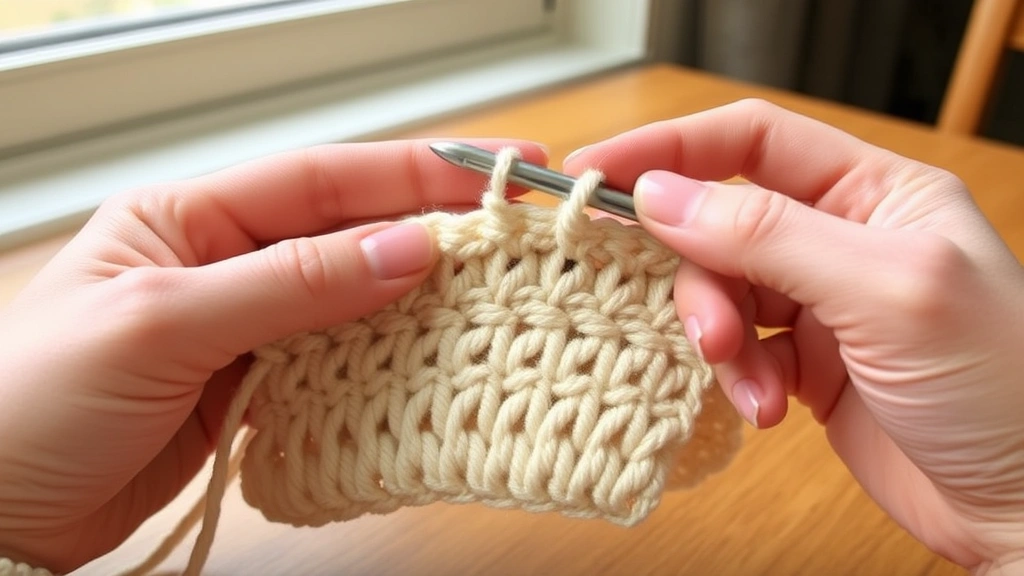
You know that moment when you’re scrolling through crochet patterns and see “HDC” and your brain just… stops? Yeah, I’ve been there too. Half double crochet might sound intimidating, but it’s actually one of the most versatile stitches in your crochet toolkit. It sits perfectly between single and double crochet, giving you that ideal balance of speed and fabric density that works for so many projects.
I remember when I first learned HDC – I was making a baby blanket and getting frustrated with how long single crochet was taking, but double crochet felt too loose and holey. Half double crochet was the perfect solution. It works up faster than single crochet but creates a denser, warmer fabric than double crochet. Plus, it has this lovely, slightly stretchy texture that’s perfect for everything from cozy baby blankets to stylish sweaters.
The thing about half double crochet is that once you get the rhythm down, it becomes second nature. But I’ll be honest – those first few rows can feel awkward. Your hands need to learn the motion, and figuring out where to insert your hook takes practice. Don’t worry though; I’m going to walk you through everything step by step, including the common mistakes I made (so you don’t have to!).
Quick Answer
Half double crochet (HDC) is worked by yarning over, inserting your hook, yarning over and pulling through (3 loops on hook), then yarning over and pulling through all 3 loops at once. It creates a medium-height stitch that’s faster than single crochet but denser than double crochet.
What is Half Double Crochet?
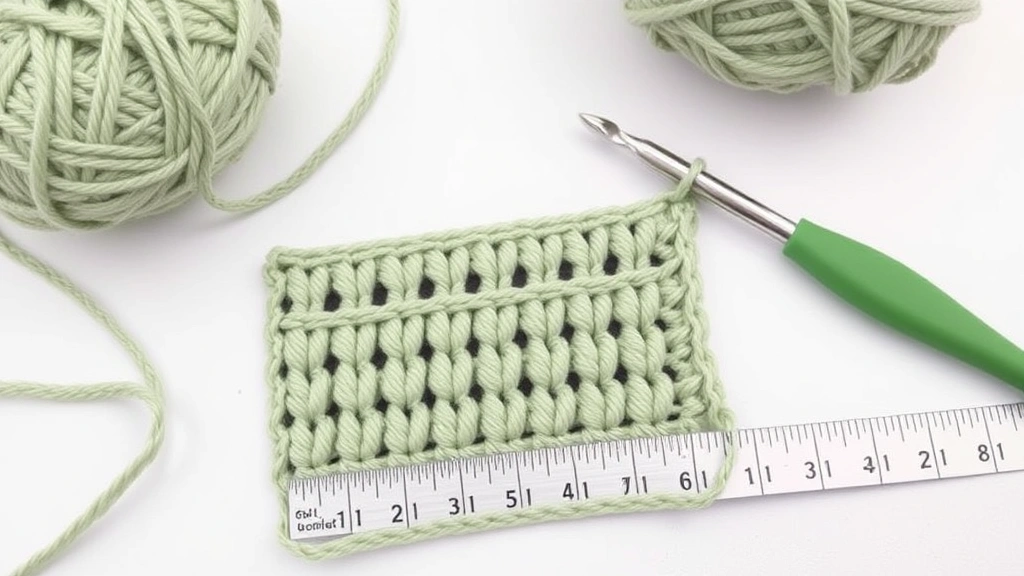
Half double crochet is exactly what it sounds like – a stitch that’s halfway between single crochet and double crochet in height. While a single crochet measures about 1/4 inch tall and a double crochet reaches about 1/2 inch, half double crochet sits right in the middle at approximately 3/8 inch tall.
What makes HDC special is its construction. Unlike single crochet where you pull through two loops twice, or double crochet where you work off the loops in pairs, half double crochet pulls through all three loops on your hook in one final motion. This creates a stitch that has the density of single crochet but works up almost as quickly as double crochet.
The fabric created by half double crochet has a unique texture too. It’s got more body than double crochet fabric, making it perfect for dishcloths and washcloths that need to hold their shape, but it’s not as stiff as single crochet fabric. The Craft Yarn Council recognizes HDC as one of the fundamental crochet stitches, and once you master it, you’ll understand why.
When to Use Half Double Crochet
I reach for half double crochet when I want a project to work up relatively quickly but still have good stitch definition. It’s fantastic for:
- Blankets that need warmth without being too heavy
- Sweaters and cardigans where you want drape but not holes
- Scarves that should have body but remain flexible
- Home decor items like baskets or placemats
The stitch also creates beautiful texture when worked in colorwork patterns, since the stitches are tall enough to show off color changes but dense enough to prevent the fabric from looking messy.
Step-by-Step Tutorial
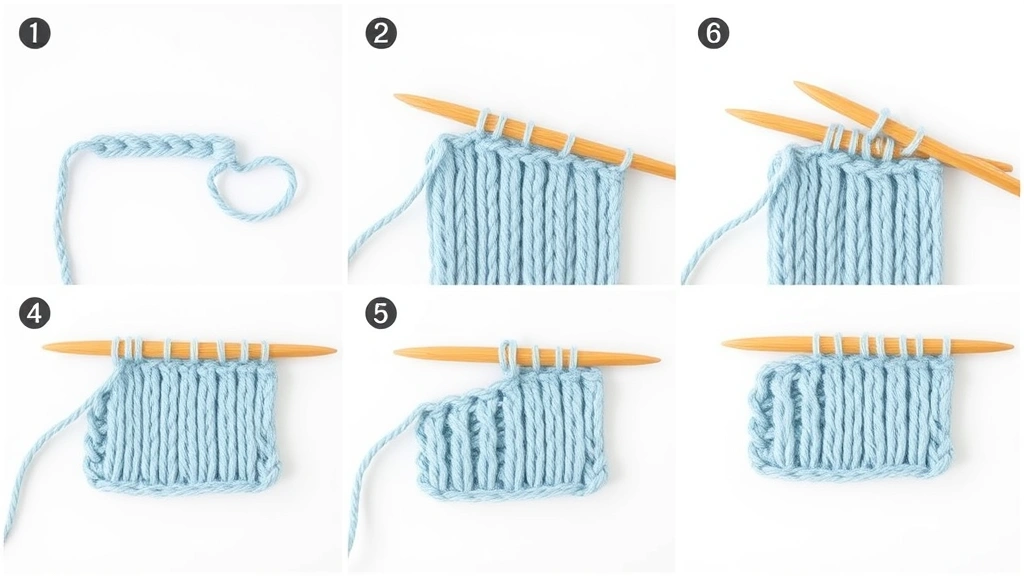
Let me walk you through making your first half double crochet. I always tell beginners to start with a medium-weight yarn (worsted weight) and a size H-8 (5.0mm) hook – it’s the easiest combination to see your stitches clearly.
- Start with your foundation chain
Make a foundation chain with the number of stitches your pattern calls for, plus 2 extra chains. These extra chains will count as your turning chain. So if you need 20 HDC stitches, chain 22.
- Yarn over and insert your hook
Skip the first 3 chains from your hook (these count as your first HDC). Yarn over your hook from back to front, then insert your hook into the 4th chain from your hook, going under both top loops of the chain.
- Yarn over and pull through the chain
With your hook inserted in the chain, yarn over again and pull the yarn through the chain stitch only. You should now have 3 loops on your hook – don’t panic, this is exactly right!
- Complete the stitch
Here’s where HDC differs from other stitches: yarn over one more time and pull through all 3 loops on your hook in one smooth motion. You’ve just made your first half double crochet!
- Continue across the row
Yarn over, insert your hook into the next chain, yarn over and pull through (3 loops on hook), yarn over and pull through all 3 loops. Repeat this across your entire foundation row.
Pro Tip: Keep your tension consistent but not too tight. HDC stitches need a little room to breathe, especially when you’re working into them on the next row.
Working Into Your Stitches
When you’re working HDC into existing HDC stitches (not the foundation chain), you’ll insert your hook under both loops at the top of the stitch from the previous row. This is different from working into a foundation chain, where you’re working under the V-shaped loops of the chain itself.
The top of a half double crochet stitch looks like a sideways V when viewed from above. Make sure you’re going under both strands of this V unless your pattern specifically tells you to work in the front loop only or back loop only.
Turning Chains and Row Beginnings
This is where a lot of people get confused, and honestly, it took me a while to get this right too. Half double crochet uses a turning chain of 2, and this turning chain counts as your first stitch of the new row.
Here’s how it works: at the end of each row, you’ll chain 2, then turn your work. This chain-2 space represents the height of your first HDC stitch. Then you’ll work your first actual HDC into the second stitch of the previous row (skipping the stitch right at the base of your turning chain).
The Turning Chain Dilemma
Some patterns treat the turning chain as a stitch, others don’t. Always check your pattern instructions! If the turning chain counts as a stitch, you’ll skip the first stitch of the row and work your last HDC of the row into the top of the turning chain from the previous row. If it doesn’t count, you’ll work into every stitch including the first one, and ignore the turning chain when working the next row.
I’ve found that treating the turning chain as a stitch creates neater edges, but not counting it gives you more consistent stitch counts. Choose based on what your pattern specifies, or experiment to see which method you prefer for your project.
| Method | Pros | Cons | Best For |
|---|---|---|---|
| Chain counts as stitch | Neater edges, traditional method | Can create loose edge stitches | Blankets, scarves |
| Chain doesn’t count | Consistent stitch count, firmer edges | Slightly messier edge appearance | Garments, structured items |
Common Mistakes and How to Fix Them
Let me save you some frustration by sharing the mistakes I see most often with half double crochet. Trust me, I’ve made every single one of these!
Forgetting the Initial Yarn Over
This is the big one. Half double crochet starts with a yarn over before you insert your hook, but it’s easy to forget since single crochet doesn’t start this way. Without that initial yarn over, you’re basically making a single crochet stitch instead of HDC.
If you catch this mistake mid-stitch (you only have 2 loops on your hook instead of 3), just yarn over before completing the stitch. Your stitch height will be slightly off, but it’s better than ripping out the whole thing.
Pulling Through the Wrong Number of Loops
Sometimes muscle memory kicks in from other stitches, and you’ll find yourself pulling through 2 loops at a time like you would for double crochet. Remember: HDC pulls through all 3 loops at once in that final step.
If you accidentally pull through 2 loops first, you’ve essentially made a double crochet. You can either accept it (one tall stitch usually won’t ruin a project) or carefully undo the stitch and try again.
Inconsistent Tension
HDC stitches can look wonky if your tension varies too much. Some people grip the yarn tighter when they’re concentrating on the new stitch sequence, which makes those stitches shorter and tighter than the rest.
Fix This: Practice making HDC stitches in scrap yarn until the motion feels natural. Focus on keeping your yarn tension consistent rather than worrying about speed.
Working Into the Wrong Part of the Stitch
When working HDC into existing HDC stitches, make sure you’re going under both loops at the top of the stitch. It’s tempting to work into just the front loop, especially if your stitches are tight, but this will change the appearance and structure of your fabric.
If you’re struggling to get your hook under both loops, your tension might be too tight. Try using a slightly larger hook or consciously loosening your yarn tension.
Best Projects for Half Double Crochet
Half double crochet really shines in certain types of projects. After years of crocheting, I’ve learned which projects benefit most from HDC’s unique characteristics.
Blankets and Throws
HDC creates the perfect blanket fabric – warm and cozy without being too heavy or stiff. It works up faster than single crochet, so you won’t spend months on a throw. I love using HDC for afghan patterns because the stitches show off color changes beautifully without creating a fabric that’s too open.
For a standard throw blanket (about 50″ x 60″), you’ll typically need around 2000-2500 yards of worsted weight yarn. With HDC, this usually takes me about 40-50 hours of crocheting time, compared to 60+ hours for the same blanket in single crochet.
Garments with Structure
HDC is fantastic for sweaters, cardigans, and vests where you want the garment to hold its shape but still have good drape. The stitch creates enough structure to prevent sagging but isn’t so stiff that the garment feels cardboard-like.
I particularly love HDC for cardigan patterns because the stitch gauge is predictable and the fabric has just enough stretch to be comfortable. When working garments, pay extra attention to your gauge – HDC can vary significantly in size depending on your tension and hook choice.
Home Decor Items
Baskets, placemats, coasters, and other home decor items benefit from HDC’s body and structure. The stitch creates a fabric that holds its shape well, which is exactly what you want for functional items.
For basket patterns, I often use HDC with a smaller hook than recommended for the yarn weight. This creates an even denser fabric that’s perfect for storage baskets that need to hold their shape when filled.
Yarn and Hook Combinations
Getting the right yarn and hook combination can make or break your HDC project. Here’s what I’ve learned through lots of trial and error:
| Yarn Weight | Recommended Hook Size | Gauge (4″ square) | Best Projects |
|---|---|---|---|
| DK (3) | G-6 (4.0mm) | 16-18 stitches | Baby items, lightweight sweaters |
| Worsted (4) | H-8 (5.0mm) | 14-16 stitches | Blankets, scarves, most projects |
| Chunky (5) | J-10 (6.0mm) | 11-13 stitches | Quick blankets, thick scarves |
| Super Chunky (6) | M-13 (9.0mm) | 8-10 stitches | Super quick projects, statement pieces |
Cotton vs. Acrylic vs. Wool
The fiber content of your yarn affects how your HDC stitches look and behave. Cotton yarns like Lion Brand 24/7 Cotton create crisp, defined stitches that are perfect for dishcloths and summer tops. The stitches hold their shape well and don’t have much stretch.
Acrylic yarns are forgiving and great for beginners learning HDC. They have a bit of give, so if your tension varies slightly, it’s not as noticeable. Red Heart Super Saver is my go-to recommendation for practice projects.
Wool and wool blends create HDC stitches with beautiful drape and natural stretch. They’re perfect for garments but can be less forgiving of tension issues. The stitches tend to relax and even out over time, which can be both good and bad depending on your project.
Hook Material Matters
I’ve found that aluminum hooks work best for HDC, especially when you’re learning. The yarn slides smoothly, and the hook tips are usually sharp enough to insert easily into stitches. Plastic hooks can snag on some yarns, and wooden hooks, while beautiful, can be too smooth for beginners who are still developing consistent tension.
Hook Size Tip: If your HDC fabric feels too stiff, try going up a hook size. If it’s too loose and holey, size down. Don’t be afraid to adjust from the pattern recommendation to get the fabric you want.
HDC Variations and Advanced Techniques
Once you’re comfortable with basic half double crochet, there are several variations that can add interest to your projects. These techniques use the same basic HDC motion but create different effects.
Front Post and Back Post HDC
Front post half double crochet (fphdc) and back post half double crochet (bphdc) create raised and recessed stitches that add texture to your work. Instead of working under the top loops of the stitch, you work around the vertical post of the stitch from the previous row.
For front post HDC, insert your hook from right to left around the front of the post, then complete the stitch normally. This creates a raised stitch that pops forward. Back post HDC works around the back of the post, creating a recessed effect.
These techniques are fantastic for creating ribbing on hat patterns or adding textural elements to blankets and scarves.
HDC in the Third Loop
This is a technique I discovered while experimenting with stitch textures. Instead of working under both top loops or in just the front or back loop, you work in the horizontal loop that sits between the front and back loops of the previous row’s HDC stitches.
Working in the third loop creates a subtle ridged texture and makes your fabric slightly more stretchy. It’s perfect for projects where you want a little extra give, like the cuffs of sweaters or the brims of hats.
Linked Half Double Crochet
Linked HDC creates a denser, more stable fabric by connecting each stitch to the previous one. After your initial yarn over, you insert your hook into the horizontal bar of the previous stitch, yarn over and pull through, then continue with the normal HDC sequence.
This technique is excellent for projects that need extra structure, like bags or baskets, and it creates an interesting braided texture that looks more complex than it actually is.
I love using linked HDC for the body of tote bags. The extra stability means the bag holds its shape better, and the unique texture makes it look like I spent way more time on it than I actually did!
Common Questions
How much yarn do I need for a half double crochet project?
HDC uses more yarn than single crochet but less than double crochet. As a general rule, expect to use about 25% more yarn than single crochet and 15% less than double crochet for the same size project. For a worsted weight throw blanket (50″ x 60″), plan on 2000-2500 yards of yarn.
Why do my HDC stitches look uneven?
Uneven HDC stitches usually result from inconsistent tension or forgetting the initial yarn over on some stitches. Practice maintaining steady yarn tension, and double-check that you’re starting each stitch with a yarn over. If some stitches are shorter than others, you might be accidentally making single crochet instead of HDC.
Can I substitute HDC for other stitches in patterns?
Yes, but you’ll need to adjust your stitch count and possibly your hook size. HDC is taller than single crochet, so you’ll need fewer stitches across. It’s shorter than double crochet, so you’ll need more stitches. Always make a gauge swatch first to see how the substitution affects your fabric.
What’s the best way to count HDC stitches?
Count the V-shaped tops of your stitches, just like with other crochet stitches. Each V represents one HDC stitch. If you’re having trouble seeing the Vs, gently stretch your work horizontally – this usually makes the stitch tops more visible.
How do I fix a dropped HDC stitch?
Use a crochet hook to pick up the dropped stitch. Insert your hook through the loose loop, then work your way up the ladder of horizontal threads until you reach the current row. Yarn over and pull through all the loops to complete the stitch. It’s trickier than fixing a dropped single crochet but definitely doable with patience.
Should I block my HDC projects?
Blocking can really improve the appearance of HDC projects, especially garments. The process helps even out any tension irregularities and gives your stitches a more uniform appearance. Use the blocking method appropriate for your yarn fiber – wet blocking for natural fibers, steam blocking for acrylics.
Why does my turning chain create a hole at the edge?
This usually happens when the turning chain is too loose or when you’re not working into it properly on the return row. Try making your turning chain with slightly tighter tension, or experiment with chaining 1 instead of 2 and working your first HDC into the same stitch as the turning chain.
How long does it take to learn HDC properly?
Most people can make recognizable HDC stitches within an hour of practice, but developing consistent tension and rhythm usually takes a few practice sessions. I recommend making several practice swatches over the course of a week – your muscle memory will develop faster with multiple short sessions than one long cramming session.
Half double crochet really is one of those stitches that opens up so many project possibilities once you master it. Yes, it feels awkward at first, and yes, you’ll probably make some wonky stitches while you’re learning. But stick with it! The combination of speed and fabric quality that HDC provides makes it worth the initial learning curve.
Remember, every crocheter’s stitches look a little different, and that’s perfectly normal. Focus on consistency rather than perfection, and don’t be afraid to rip out and start over if something doesn’t look right. I still do that sometimes, even after years of crocheting. It’s all part of the process, and each project teaches you something new about how your hands work with the yarn and hook.
Now grab some yarn and give it a try – I think you’re going to love what you can create with half double crochet!