Last weekend, I was working on a baby blanket for my niece when I realized I’d been making the same mistake for years. I was using single crochet for everything, wondering why my projects took forever and my hands cramped up after an hour. Then it hit me – I needed to understand when to use different crochet stitches instead of defaulting to the same old reliable single crochet.
Here’s the thing: choosing the right stitch can make or break your project. Use the wrong one, and you’ll end up with a blanket that’s stiff as cardboard or a sweater that stretches out after one wash. But pick the perfect stitch for your project, and suddenly everything clicks – your work flows faster, looks better, and actually behaves the way it should.
After fifteen years of crocheting (and plenty of frogged projects), I’ve learned that understanding stitch characteristics isn’t just helpful – it’s essential. Whether you’re debating between double crochet and half double crochet for a scarf, or wondering if moss stitch is really worth the extra effort for that throw pillow, I’ve got you covered.
Quick Answer
Choose stitches based on your project’s needs: single crochet for structure and durability, double crochet for drape and speed, half double crochet for balanced texture. Consider fabric weight, stretch, and appearance when deciding.
Understanding Basic Stitch Characteristics
Before diving into specific projects, let’s talk about what makes each stitch unique. Think of stitches like tools in a toolbox – each one has its strengths and ideal uses.
Height and drape are your first considerations. Single crochet creates short, tight stitches that stack up like bricks, giving you a firm, structured fabric. Double crochet, on the other hand, creates tall stitches with more space between rows, resulting in a fabric that drapes beautifully but has less structure.
Yarn consumption varies dramatically between stitches. Single crochet is a yarn hog – it uses about 25% more yarn than double crochet for the same coverage area. If you’re working with expensive yarn or trying to stretch your budget, this matters more than you might think.
Work speed is another crucial factor. Double crochet works up roughly twice as fast as single crochet because you’re gaining more height with each stitch. When I’m making a large blanket, this speed difference can mean the difference between finishing in a month versus three months.
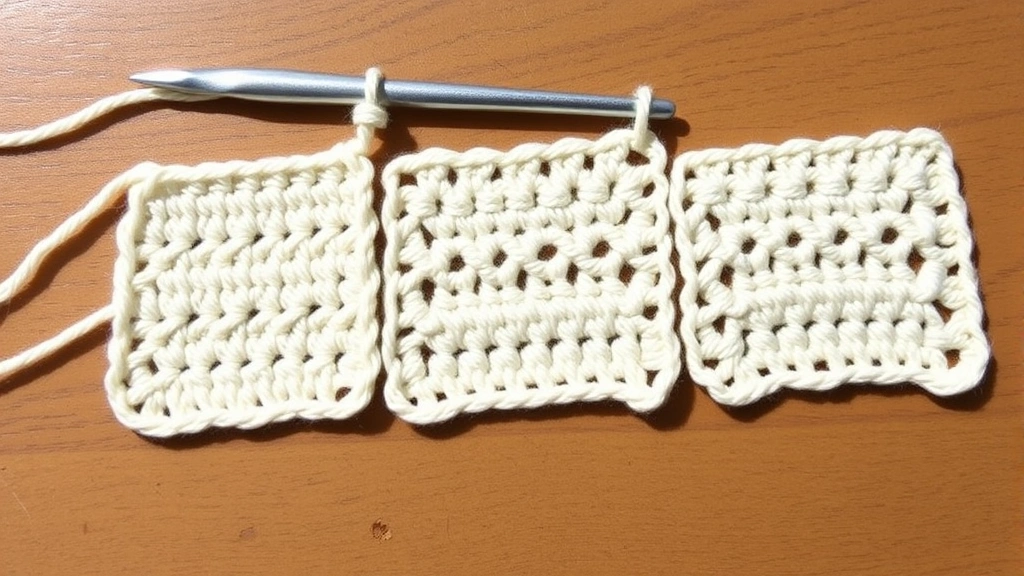
Pro tip: Make swatches in different stitches using the same yarn and hook. You’ll see dramatic differences in drape, thickness, and overall feel that photos can’t capture.
| Stitch Type | Height | Yarn Usage | Work Speed | Best For |
|---|---|---|---|---|
| Single Crochet | Short | High | Slow | Structure, durability |
| Half Double | Medium | Medium | Medium | Balanced projects |
| Double Crochet | Tall | Low | Fast | Drape, coverage |
| Treble Crochet | Very Tall | Very Low | Very Fast | Lacy, open work |
Single Crochet vs Double Crochet: The Big Decision
This is probably the most common stitch dilemma, and honestly, I see people make the wrong choice all the time. Let me break down when each one shines.
Single crochet is your go-to for:
- Amigurumi and stuffed toys (tight stitches prevent stuffing from showing)
- Dishcloths and washcloths (durability matters more than drape)
- Bag bottoms and structural elements
- Baby items that need to hold their shape
- Projects where you want minimal stretch
I learned this the hard way when I made my first amigurumi elephant using double crochet. The stuffing peeked through everywhere, and the poor thing looked more like a deflated balloon than a cuddly toy.
Double crochet excels at:
- Blankets and throws (drape and warmth without excessive weight)
- Scarves and shawls (you want flow and movement)
- Sweaters and cardigans (especially the body portions)
- Quick projects where coverage matters more than structure
The classic granny square uses double crochet for a reason – it creates the perfect balance of structure and drape while working up quickly.
Here’s something most tutorials won’t tell you: single crochet fabric tends to curl at the edges more than double crochet. If you’re making something flat like a potholder, plan for a border or blocking.
Gauge considerations: With worsted weight yarn, single crochet typically works up at about 4 stitches per inch with a size H (5mm) hook, while double crochet gives you about 3 stitches per inch with the same setup. This difference affects not just your finished measurements, but also how the fabric feels and behaves.
When Half Double Crochet is Your Best Friend
Half double crochet often gets overlooked, which is a shame because it’s incredibly versatile. Think of it as the middle child of crochet stitches – not as structured as single crochet, not as drapey as double crochet, but perfect for situations where you need something in between.
I use half double crochet more than I used to, especially for sweater projects where I want a fabric that has body but isn’t stiff. It creates a lovely texture that’s more interesting than single crochet but denser than double crochet.
Half double crochet is perfect for:
- Sweater yokes and fitted areas (great stretch and recovery)
- Hats that need to hold their shape but remain comfortable
- Market bags (structure with some give)
- Transitional areas in projects (moving from structured to drapey sections)
The stitch creates a subtle texture that works beautifully with variegated yarns. Unlike single crochet, which can make color changes look choppy, or double crochet, which sometimes lets colors pool awkwardly, half double crochet lets variegated yarns shine.
Technique tip: Half double crochet can be tricky to keep consistent at first. Focus on where you insert your hook – it should go under both loops of the previous row’s stitches, not just one.
One thing I love about half double crochet is how it behaves with different yarn weights. With DK weight yarn and a 4.5mm hook, it creates a perfect fabric for baby sweaters – soft enough for sensitive skin but structured enough to maintain shape through multiple washes.
Texture Stitches: Adding Interest Without Complexity
Once you’ve mastered the basic stitches, texture stitches open up a whole new world. But here’s the thing – not every project needs fancy texture stitches. Sometimes simple is better, and sometimes texture makes all the difference.
Moss stitch (single crochet and chain combinations) creates a lovely bumpy texture that’s perfect for blankets and scarves. It uses slightly more yarn than plain single crochet but works up at about the same speed. I love it for projects where I want visual interest without the complexity of colorwork.
Shell stitches are fantastic for creating drape and movement. They work especially well for shawls and the bottom edges of sweaters. The key is understanding that shell stitches create a scalloped edge naturally – work with this feature, don’t fight it.
Post stitches (front post and back post) let you create ribbing and raised patterns. They’re essential for hat bands and sweater cuffs where you want stretch and recovery. The fabric they create is denser than regular stitches, so factor that into your yarn calculations.
| Texture Stitch | Complexity | Yarn Usage | Best Projects | Special Notes |
|---|---|---|---|---|
| Moss Stitch | Easy | Medium | Blankets, scarves | Great for beginners |
| Shell Stitch | Easy-Medium | Medium | Shawls, edgings | Creates natural scallops |
| Post Stitches | Medium | High | Ribbing, texture panels | Dense, stretchy fabric |
| Bobble Stitch | Medium-Hard | High | Accent pieces | Very textured, slow work |
The Craft Yarn Council provides excellent stitch symbols that help you understand how different texture stitches are constructed, which can guide your selection process.
Project-Specific Stitch Recommendations
Let’s get practical. Here are my tried-and-true stitch recommendations for common projects, based on years of trial and error (emphasis on the error part).
Blankets and Throws
For baby blankets, I almost always use single crochet or half double crochet. Babies are rough on their belongings, and these stitches hold up to repeated washing and tugging. Double crochet can work, but it tends to snag more easily.
Adult blankets are where double crochet really shines. The drape is beautiful, and you’ll finish much faster. For a queen-size blanket in worsted weight yarn, double crochet can save you 20-30 hours compared to single crochet.
Wearables
Sweaters need different stitches in different areas. I typically use single crochet for button bands and pocket edges (structure), half double crochet for fitted areas like sleeves and yokes (stretch with stability), and double crochet for body panels (drape and comfort).
For scarves, think about how you’ll wear them. A scarf that needs to drape elegantly calls for double crochet or taller stitches. A chunky winter scarf that needs to hold its shape works better in half double crochet.
Home Decor Items
Dishcloths and washcloths should always be single crochet – you need that tight, durable fabric. Decorative items like throw pillows can handle texture stitches beautifully, and the extra yarn usage isn’t a concern for smaller projects.
Personal experience: I made curtain panels in single crochet once, thinking they’d hang better. Wrong! They were so heavy they pulled down my curtain rod. Double crochet would have given me the coverage I wanted without the excessive weight.
How Yarn Weight Affects Stitch Choice
Your yarn weight dramatically impacts how different stitches perform. What works beautifully in worsted weight might be a disaster in lace weight, and vice versa.
Lace and fingering weights (0-1) work best with taller stitches like double crochet and treble crochet. Single crochet in lace weight creates a fabric so dense it defeats the purpose of using delicate yarn. These weights shine in shawl patterns with lots of chain spaces and height.
Sport and DK weights (2-3) are incredibly versatile. They work well with any basic stitch, making them perfect for beginners who want to experiment. I often recommend DK weight for first sweater projects because it’s forgiving and shows stitch definition clearly.
Worsted weight (4) is the goldilocks of yarn – not too thick, not too thin, and works with everything. It’s what most patterns assume you’re using, so stitch recommendations are usually spot-on.
Chunky and super chunky weights (5-6) can be tricky. Single crochet in chunky yarn creates an incredibly thick, heavy fabric that’s often impractical. Double crochet or taller stitches let the yarn’s natural drape show while keeping the project manageable.
I learned this lesson making a chunky blanket in single crochet. It weighed about fifteen pounds and was too stiff to snuggle under. Live and learn!
| Yarn Weight | Best Stitches | Avoid | Hook Size Range |
|---|---|---|---|
| Lace (0) | DC, TR, chain spaces | SC (too dense) | 1.5-2.25mm |
| Sport (2) | All stitches work | Very tall stitches | 3.5-4.5mm |
| Worsted (4) | All stitches work | None specifically | 5-6mm |
| Chunky (5) | DC, HDC, texture | SC (too heavy) | 6.5-9mm |
Common Stitch Selection Mistakes to Avoid
After helping hundreds of crocheters troubleshoot their projects, I’ve noticed some patterns in stitch selection mistakes. Let me save you some frustration.
Using single crochet for everything is probably the biggest mistake I see. Yes, it’s reliable and familiar, but it’s not always the right choice. That afghan you’ve been working on for six months? It might have been done in three if you’d used double crochet.
Ignoring gauge with different stitches trips up even experienced crocheters. Your gauge will be different between single crochet and double crochet, even with the same hook and yarn. Always make a gauge swatch in your chosen stitch, not just any stitch.
Not considering fabric weight for the end use. I’ve seen beautiful baby blankets made in worsted weight single crochet that were too heavy for actual baby use. Think about who will use your finished project and how.
Mixing stitch heights without planning can create fit issues in wearables. If you’re combining different stitches in one project, understand how the different heights will affect the overall shape and fit.
Troubleshooting tip: If your project isn’t turning out as expected, the stitch choice might be the culprit. Don’t be afraid to frog a few rows and try a different approach – it’s faster than finishing a project you won’t love.
Popular yarn brands like Lion Brand and Red Heart often include stitch recommendations on their yarn labels, which can be helpful starting points for your projects.
Common Questions
Which stitch uses the least yarn?
Treble crochet uses the least yarn per square inch of coverage, followed by double crochet. Single crochet uses the most yarn – sometimes 25-30% more than double crochet for the same coverage area. If you’re trying to stretch expensive yarn, go with taller stitches and incorporate chain spaces.
What’s the fastest crochet stitch to work?
Double crochet is generally the fastest basic stitch because you gain height quickly. Treble crochet is even faster for coverage, but it’s less commonly used. For texture stitches, simple shell stitches work up quickly and create beautiful results without complex stitch manipulation.
Which stitches are best for beginners?
Start with single crochet and double crochet – they’re the foundation of most crochet work. Once you’re comfortable with these, add half double crochet and basic shells. Avoid post stitches and complex texture patterns until you have solid tension control and can work basic stitches without thinking about them.
How do I know if I’m using the right stitch for my project?
Make a 4-inch square swatch and live with it for a few days. Stretch it, wash it, see how it drapes. Does it feel right for your intended use? Too stiff for a scarf? Too floppy for a bag? Your swatch will tell you more than any description can.
Can I substitute one stitch for another in a pattern?
Sometimes, but it requires adjustments. Different stitches have different heights and widths, so you’ll need to recalculate your stitch counts and possibly your hook size. Single crochet to double crochet substitution is common – expect to use about 75% as many stitches and possibly go down a hook size.
Which stitches work best with variegated yarn?
Half double crochet and simple texture stitches like moss stitch work beautifully with variegated yarns. They let the colors flow naturally without creating busy patterns that compete with the color changes. Avoid very tall stitches, which can cause color pooling in unpleasant ways.
What’s the most versatile crochet stitch?
Double crochet wins for versatility – it works for almost everything, creates nice drape, works up relatively quickly, and most crocheters find it comfortable to maintain for long periods. It’s my go-to when I’m unsure about stitch choice.
How much yarn do different stitches actually use?
For a 10-inch square in worsted weight yarn: single crochet uses about 100-120 yards, half double crochet uses 85-100 yards, double crochet uses 75-85 yards, and treble crochet uses 65-75 yards. These are approximations – your gauge and yarn choice will affect actual usage.
Choosing the right crochet stitch really comes down to understanding your project’s needs and being honest about your goals. That baby blanket needs durability more than speed, so single crochet makes sense even if it takes longer. That cozy throw for your living room needs drape and warmth, making double crochet the clear winner.
Don’t be afraid to experiment with different stitches in your projects. Make swatches, try combinations, and pay attention to how different stitches feel in your hands and look in your chosen yarn. The more you understand about how stitches behave, the better your finished projects will be.
Remember, there’s no single “right” answer for most projects – there are just different approaches with different benefits. Trust your instincts, consider your priorities (speed vs. durability vs. appearance), and don’t be afraid to change course if something isn’t working. Happy crocheting!