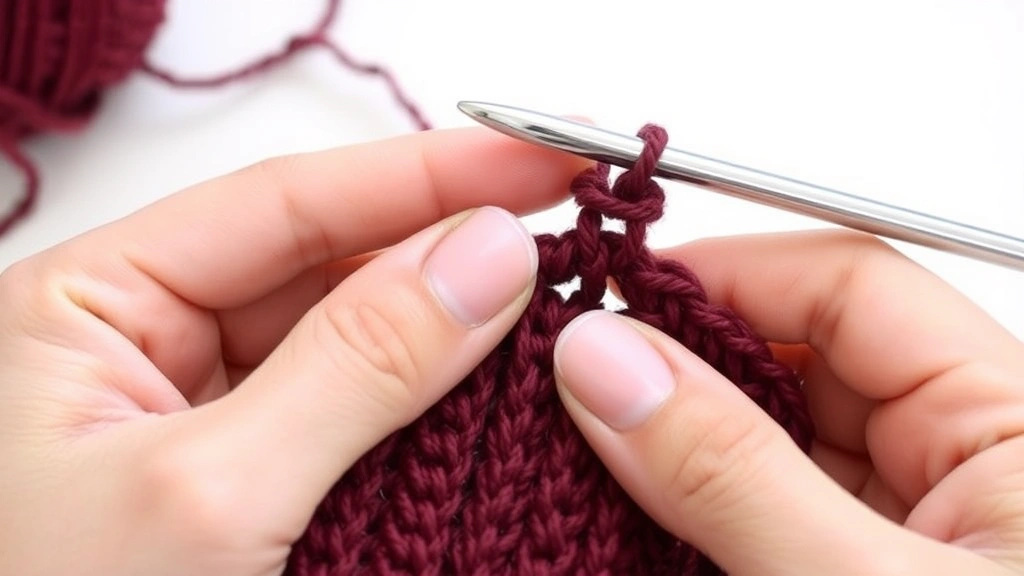
You know that moment when you’re crocheting along happily, and suddenly your work starts looking wonky? The edges are pulling in, or maybe your blanket is developing mysterious waves that weren’t in the pattern. Nine times out of ten, it’s a tension issue. I’ve been there – we all have. After years of teaching crochet and watching students wrestle with this exact problem, I can tell you that understanding and controlling your crochet tension is probably the most important skill you’ll develop as a crocheter.
Here’s the thing about tension: it’s not just about making your stitches look pretty (though that’s a nice bonus). Proper tension affects everything from how much yarn you’ll need to whether your finished project will actually fit. I’ve seen beautiful sweaters that were unwearable because the tension was off, and baby blankets that turned into washcloths because every stitch was pulled too tight.
The good news? Once you understand what’s happening with your tension and learn a few practical techniques to control it, your crochet will improve dramatically. You’ll use less yarn, your projects will turn out the right size, and you’ll actually enjoy the process more because you won’t be constantly fighting your stitches.
Quick Answer
Crochet tension refers to how tightly or loosely you pull your yarn while working, affecting stitch size and fabric drape. Consistent tension creates even stitches and ensures your project matches the pattern’s measurements and gauge requirements.
Understanding Crochet Tension
Crochet tension is essentially how tight or loose your stitches are, which is controlled by how much you pull the yarn as you work. Think of it like handwriting – everyone has their own natural “pressure” when they write, and the same goes for crochet. Some people naturally pull their yarn snug, creating tight, dense stitches, while others work more loosely, creating open, drapey fabric.
Your tension is influenced by several factors: how you hold your yarn, how you grip your hook, the speed at which you work, and even your mood. I’ve noticed my tension gets tighter when I’m stressed or trying to finish a project quickly, and looser when I’m relaxed and taking my time.
The key word here is consistent. Perfect tension isn’t about being tight or loose – it’s about being the same throughout your project. When you maintain consistent tension, your stitches will be uniform, your fabric will lie flat, and your measurements will match the pattern.
How Tension Affects Your Work
When your tension is consistent, several good things happen. Your single crochet stitches will be even and neat, your fabric will have the right amount of drape for the project, and you’ll use approximately the amount of yarn the pattern calls for. Most importantly, your finished measurements will match what the pattern promises.
Inconsistent tension, on the other hand, creates all sorts of problems. Your work might look bumpy or uneven, edges can curl or ruffle, and you might end up with a project that’s significantly larger or smaller than intended.
Why Proper Tension Matters
Let me share a story that illustrates why tension is so crucial. A student once brought me a sweater she’d spent months working on – beautiful double crochet stitches, gorgeous colorwork, perfect construction. The only problem? It could have fit two people. Her tension was so loose that despite following the pattern exactly, the sweater turned out three sizes larger than intended.
This happens because patterns are written based on a specific gauge – the number of stitches and rows per inch when worked at the designer’s tension. When your tension doesn’t match theirs, your measurements won’t either.
Gauge and Fit
For fitted items like sweaters, hats, or gloves, proper tension is absolutely critical. Even being off by half a stitch per inch can result in a finished garment that’s inches too big or too small. This is why most patterns include a gauge swatch instruction – it’s not busy work, it’s insurance that your project will fit.
But tension matters for other projects too. A baby blanket worked too tightly will be stiff and uncomfortable, while one worked too loosely might have gaps that aren’t safe for little fingers. Amigurumi projects need tight tension to prevent stuffing from showing through, while lacy shawls need looser tension to allow the pattern to bloom and drape properly.
Yarn Usage
Your tension also directly affects how much yarn you’ll need. Tight tension uses more yarn because you’re packing more stitches into each inch, while loose tension uses less. I’ve seen crocheters run out of yarn on the last row of a blanket because their tension was tighter than the pattern assumed, and others who had skeins left over because they worked more loosely.
| Tension Type | Yarn Usage | Fabric Feel | Best For |
|---|---|---|---|
| Tight | More yarn needed | Stiff, dense | Amigurumi, bags |
| Medium | Pattern amount | Balanced drape | Most projects |
| Loose | Less yarn needed | Soft, drapey | Shawls, summer tops |
Common Tension Problems
Over the years, I’ve seen the same tension issues pop up again and again. The good news is that once you recognize these problems, they’re usually pretty easy to fix.
Tight Tension Issues
If you’re a tight crocheter, your stitches might be difficult to work into on the next row. You’ll find yourself struggling to get your hook through stitches, and your work might feel stiff or cardboard-like. Tight tension often happens when you’re concentrating hard, feeling stressed, or trying to work quickly.
I see this a lot with beginners who are afraid their stitches will come undone, so they pull everything extra tight. The irony is that overly tight stitches are actually more likely to distort your work than loose ones.
Loose Tension Issues
Loose tension creates its own set of problems. Your stitches might look uneven or sloppy, and your fabric could have unwanted gaps. For projects that need structure, like bags or crochet baskets, loose tension can make them floppy and unable to hold their shape.
Loose tension often happens when you’re relaxed (which isn’t necessarily bad!) or when you’re working with a yarn that’s slippery or unfamiliar.
Inconsistent Tension
This is probably the most common problem I see, especially with newer crocheters. Your tension might start out tight, then loosen up as you get into a rhythm, then tighten up again when you’re trying to finish quickly. The result is fabric that looks wavy or uneven, with some sections that are clearly different from others.
Pro Tip: Take breaks regularly when working on large projects. Coming back to your work after a break often means your tension will be slightly different, so work a few practice stitches to get back into your rhythm before continuing on your project.
How to Measure Your Tension
The most reliable way to check your tension is by making a gauge swatch. I know, I know – nobody wants to make a gauge swatch when they’re excited to start their project. But trust me on this one. The 30 minutes you spend on a swatch can save you hours of frogging later.
Making a Gauge Swatch
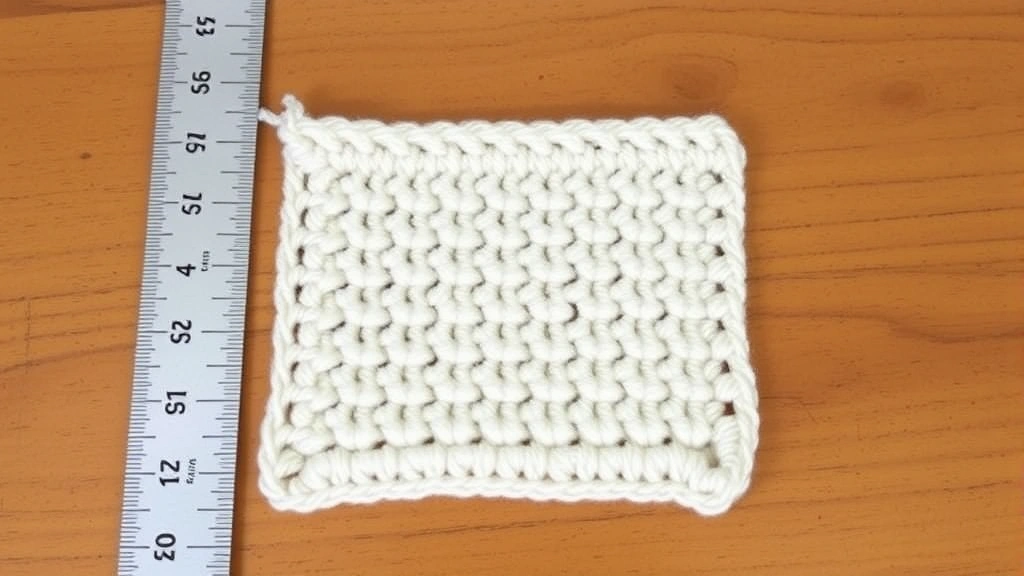
Start by making a swatch that’s at least 4 inches square using the yarn and hook size specified in your pattern. Work in the main stitch pattern of your project – if it’s mostly half double crochet, make your swatch in half double crochet.
Once your swatch is complete, let it relax for a few hours. Don’t stretch it or manipulate it – just let it sit naturally. Then, using a ruler or gauge tool, measure how many stitches and rows you have in a 4-inch square.
- Cast on your swatch
Chain enough stitches for about 5-6 inches of width, then work in your pattern stitch for about the same height.
- Let it rest
Set your swatch aside for at least an hour. This lets the stitches settle into their natural position.
- Measure carefully
Place a ruler across your swatch and count stitches across 4 inches. Do the same vertically for rows.
- Compare to pattern
Check your measurements against the pattern’s gauge requirements.
What to Do If Your Gauge Is Off
If you have more stitches per inch than the pattern calls for, your tension is too tight. Try going up a hook size or consciously loosening your grip on the yarn. If you have fewer stitches per inch, your tension is too loose – try a smaller hook or pulling your yarn a bit snugger.
The Craft Yarn Council recommends adjusting your hook size rather than trying to force your tension to change, since hook size adjustments tend to be more reliable and consistent.
Techniques to Improve Your Tension
Improving your tension is mostly about developing muscle memory and finding techniques that work for your hands and working style. Here are the methods I’ve found most effective over the years.
Yarn Holding Techniques
How you hold your yarn has a huge impact on your tension. The most common method is to wrap the yarn around your pinky finger, then thread it over your ring finger, under your middle finger, and over your index finger. This creates natural tension points that help keep your yarn flow consistent.
Some crocheters prefer to wrap the yarn around their pinky twice for extra control, especially when working with slippery yarns like bamboo or silk. Others find that holding the yarn more loosely in their palm works better for them.
The key is to find a method that feels comfortable and gives you consistent control. Don’t be afraid to experiment – what works for your friend might not work for you, and that’s perfectly fine.
Hook Grip and Position
Your hook grip also affects your tension. Most crocheters use either a knife grip (holding the hook like you’d hold a knife) or a pencil grip (like holding a pencil). Neither is right or wrong, but your grip should be relaxed and comfortable.
If you find yourself gripping your hook too tightly, try using a hook with an ergonomic handle. The larger grip area can help you relax your hand and maintain more consistent tension.
Practice Tip: Spend 10-15 minutes each day working on simple stitches like single crochet or double crochet, focusing only on keeping your tension even. Don’t worry about making anything – just practice the motion until it becomes automatic.
Working Speed
Many crocheters find that their tension changes when they try to work too quickly. If you’re rushing to finish a project, you might unconsciously pull your yarn tighter or work your stitches more loosely. Try to maintain a steady, comfortable pace rather than speeding up.
That said, some people do find that working at a consistent (even if quick) pace helps them maintain better tension than stopping and starting frequently. Pay attention to your own patterns and adjust accordingly.
Troubleshooting Tension Issues
When tension problems crop up in the middle of a project, don’t panic. Most issues can be fixed without starting over, though you might need to do some strategic frogging.
Mid-Project Tension Changes
If you notice your tension has changed partway through a project, the first thing to do is figure out why. Are you using a different yarn from the same dye lot? Have you switched to a different chair or lighting situation? Are you feeling rushed or stressed?
Sometimes the fix is as simple as taking a break and coming back to your work when you’re in a similar mindset to when you started. Other times, you might need to frog back to where the tension change began and rework that section.
Edge Issues
Curling or ruffled edges are often tension-related. If your edges are curling inward, you might be working your edge stitches too tightly. Try to keep the same tension on your turning chains and edge stitches as you do on your regular stitches.
If your edges are ruffling or flaring out, you might be working too loosely or adding extra stitches without realizing it. Count your stitches regularly to make sure you’re maintaining the correct stitch count.
When to Start Over
Sometimes, unfortunately, the best solution is to start over. This is especially true if your gauge is significantly off or if you have major tension inconsistencies throughout your work. I know it’s frustrating, but starting over with the right technique will give you much better results than trying to force a poorly-tensioned project to work.
Before you frog everything, though, consider whether the tension issue might actually work in your favor. A looser-than-intended crochet scarf might have a lovely drape, and a tighter-than-planned dishcloth might be more durable.
Practice Exercises for Better Tension
Like any skill, tension control improves with practice. Here are some exercises I recommend to help develop consistent tension.
Basic Stitch Practice
Choose one basic stitch – single crochet is perfect for this – and work rows and rows of it, focusing only on keeping your tension consistent. Don’t worry about making anything useful; just concentrate on the feel of the yarn and the rhythm of your stitches.
Work for 15-20 minutes at a time, checking your work regularly. Are your stitches the same height? Do they feel the same when you insert your hook? If you notice inconsistencies, slow down and focus on the problem areas.
Tension Ladder Exercise
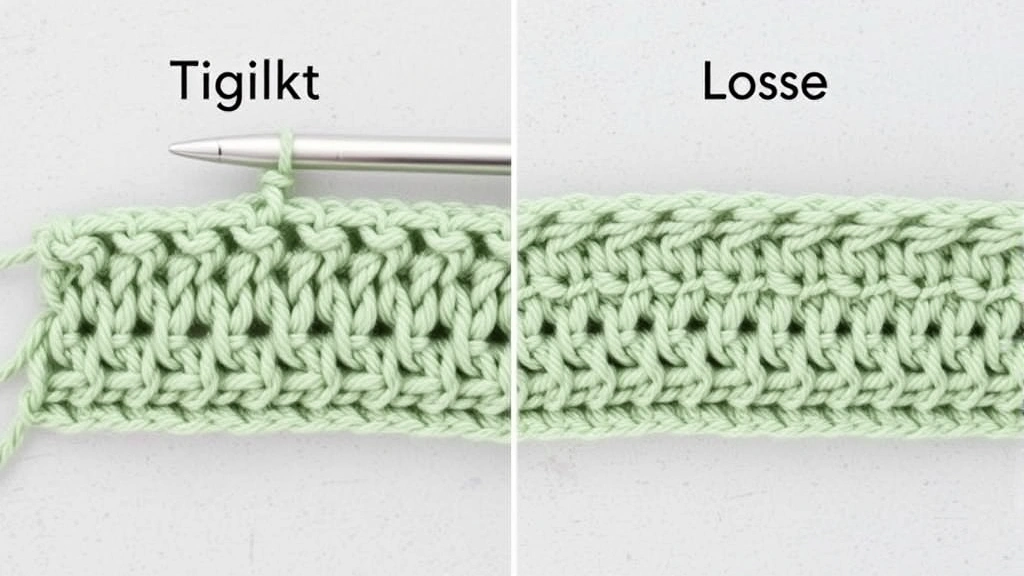
This is a great exercise for learning to control your tension consciously. Make a foundation chain, then work the first row with deliberately tight tension, the second row with medium tension, and the third row with loose tension. Repeat this pattern for several rows.
This exercise helps you understand how different tension levels feel and look, and it trains your hands to adjust tension on command. With practice, you’ll be able to make subtle adjustments to match any gauge.
Different Yarn Weights
Practice with different yarn weights to understand how yarn thickness affects your natural tension. You might find that you naturally work more tightly with thicker yarns or more loosely with fine ones. Understanding these tendencies will help you adjust more quickly when starting new projects.
Remember, developing good tension takes time. Don’t get discouraged if it doesn’t click immediately. Even experienced crocheters sometimes struggle with tension when they’re tired, stressed, or working with unfamiliar materials.
Common Questions
How long does it take to develop consistent tension?
Most crocheters start seeing improvement in their tension within a few weeks of regular practice, but developing truly consistent tension can take several months. The key is regular practice – even 15 minutes a day will help build the muscle memory you need. Don’t rush the process; focus on quality over speed.
Should I always make a gauge swatch?
For any project where size matters – garments, fitted accessories, or items that need specific dimensions – yes, absolutely make a gauge swatch. For more forgiving projects like crochet blankets, dishcloths, or decorative items, you can often skip the swatch if you’re experienced with your tension and the yarn type.
Why does my tension change when I use different yarns?
Different yarn fibers have different characteristics that affect how they feel in your hands. Smooth yarns like cotton or bamboo might slip through your fingers more easily, leading to looser tension, while sticky yarns like wool might cause you to work more tightly. Yarn weight also affects tension – many crocheters work more tightly with bulky yarns and more loosely with fine ones.
Can I fix tension problems without starting over?
Sometimes, yes. Minor tension variations can often be evened out with blocking, especially in natural fibers like wool. However, major tension inconsistencies or significant gauge differences usually require frogging and reworking. It’s better to fix the problem early than to struggle with an ill-fitting finished project.
What’s the best hook material for maintaining consistent tension?
This is very personal and depends on your working style and the yarn you’re using. Aluminum hooks are smooth and allow yarn to glide easily, which some crocheters prefer. Wood and bamboo hooks have more grip, which can help with slippery yarns. Ravelry has extensive discussions about hook preferences that can help you decide what might work best for you.
How do I maintain consistent tension across multiple sessions?
Start each session by working a few practice stitches with scrap yarn to get back into your rhythm. Keep notes about your working environment – the same chair, lighting, and time of day can help maintain consistency. Some crocheters find it helpful to work a few rows from their previous session to remind their hands of the proper tension before continuing with new work.
Why is my tension tighter at the beginning of projects?
This is incredibly common and usually happens because you’re concentrating harder at the beginning or feeling nervous about starting something new. Your tension typically loosens as you get into a rhythm and become more comfortable with the pattern. Starting with a longer foundation chain than needed and working a few practice rows can help you settle into your natural tension before beginning the actual project.
Should I adjust my hook size or try to change my tension?
In most cases, adjusting your hook size is more reliable than trying to force your tension to change. Your natural tension is partly determined by your hand anatomy and muscle memory, so fighting against it often leads to inconsistent results. Hook size adjustments give you more predictable changes in gauge. That said, learning to make small tension adjustments is still valuable for fine-tuning your work.
Mastering Your Tension Journey
Learning to control your crochet tension is one of those skills that transforms your entire crafting experience. Once you’ve got it down, you’ll find that your projects turn out more predictably, you’ll waste less yarn on failed attempts, and you’ll actually enjoy the process more because you’re not constantly fighting your stitches.
Remember that everyone’s natural tension is different, and that’s perfectly fine. The goal isn’t to crochet exactly like someone else – it’s to develop your own consistent style that produces the results you want. Some of the most beautiful crochet work I’ve seen comes from people who embrace their natural tension and choose projects that work well with their style.
Be patient with yourself as you develop this skill. Like learning to ride a bike or drive a car, tension control becomes automatic with practice, but it takes time to get there. Focus on consistency over perfection, and don’t be afraid to experiment with different techniques until you find what works best for your hands and your projects. Happy crocheting!