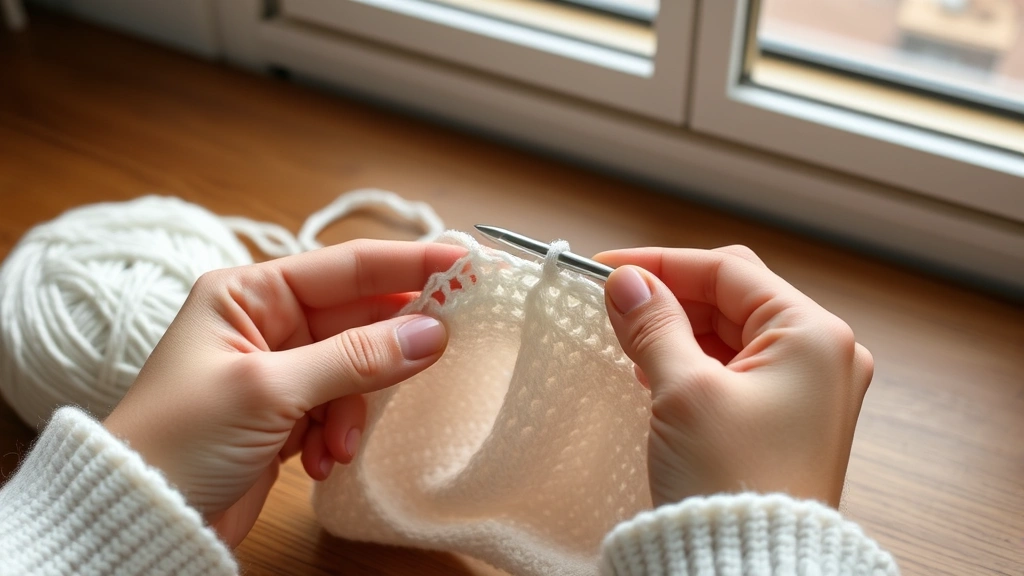
I still remember the first time I tried to crochet with cotton yarn after years of working exclusively with acrylic. The hook felt different, the stitches looked crisper, and honestly, I was a little intimidated. Cotton has this reputation for being “difficult,” but after working with it for over a decade, I can tell you that’s mostly nonsense. Yes, it behaves differently than acrylic, but once you understand its quirks, cotton becomes one of the most rewarding fibers to work with.
The thing about cotton is that it doesn’t forgive mistakes the way acrylic does, and it doesn’t have that built-in stretch that can hide uneven tension. But here’s what I’ve learned: those aren’t bugs, they’re features. Cotton forces you to become a better crocheter, and the finished products? They’re absolutely gorgeous. From kitchen towels that actually absorb water to summer tops that breathe, cotton opens up a whole world of practical, beautiful projects.
Whether you’re thinking about making your first cotton dishcloth or you’re ready to tackle a cotton cardigan, understanding how to work with this fiber will change your crochet game. Let me walk you through everything I wish someone had told me when I first picked up that ball of cotton yarn.
Quick Answer
Cotton yarn requires looser tension, larger hook sizes, and different techniques than acrylic. It’s less forgiving but creates durable, breathable projects perfect for home goods, summer garments, and baby items. Start with worsted weight cotton and a hook one size larger than recommended.
Why Choose Cotton Yarn
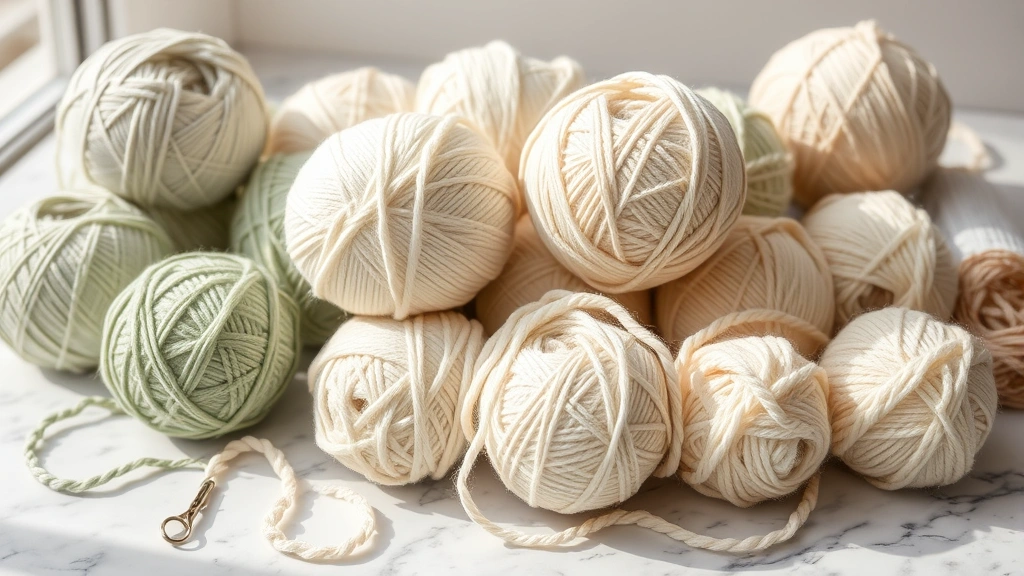
Cotton yarn brings qualities to your projects that synthetic fibers simply can’t match. It’s naturally breathable, which makes it perfect for summer crochet projects and anything that needs to wick moisture away from skin. I’ve made countless kitchen towels, and let me tell you, there’s no comparison between a cotton dishcloth and an acrylic one when it comes to actually cleaning up spills.
The durability factor is huge too. Cotton gets softer and more beautiful with each wash, unlike some synthetics that can pill or lose their shape. I have cotton afghans that my grandmother made in the 1970s, and they still look fantastic. That’s the kind of longevity you get with quality cotton.
Cotton also takes dye beautifully, which means you get rich, saturated colors that don’t fade easily. When you’re working on projects that will see regular use and washing, this matters more than you might think.
Pro tip: Cotton is naturally antimicrobial, making it an excellent choice for baby items, kitchen accessories, and bath linens.
The structure of cotton fibers creates incredibly defined stitches. Your stitch patterns will pop in ways they never do with fuzzy acrylics. This makes cotton particularly stunning for textured work, cables, and intricate colorwork patterns.
Types of Cotton Yarn
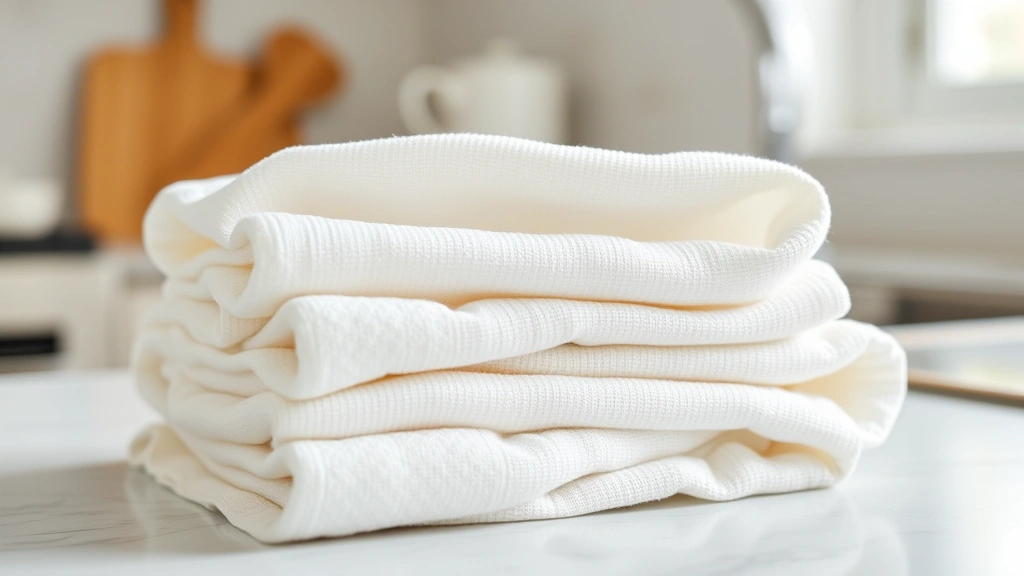
Not all cotton yarns are created equal, and understanding the differences will save you from some frustrating projects. Let’s break down the main categories you’ll encounter.
Mercerized Cotton
This is cotton that’s been treated with a chemical process to increase its strength and luster. Lion Brand 24/7 Cotton and Aunt Lydia’s Classic Crochet Thread are good examples. Mercerized cotton has a slight sheen and holds up incredibly well to washing. It’s my go-to for dishcloths and pot holders.
Organic Cotton
Grown without pesticides or synthetic fertilizers, organic cotton tends to be softer and more expensive than conventional cotton. It’s worth the extra cost for baby items or anything that will be against sensitive skin. The texture is usually more matte than mercerized cotton.
Cotton Blends
These combine cotton with other fibers like bamboo, linen, or even small amounts of synthetic fibers. Berroco makes some beautiful cotton-bamboo blends that have the breathability of cotton with added drape. These can be easier for beginners because they’re more forgiving than 100% cotton.
| Cotton Type | Best For | Price Range | Beginner Friendly |
|---|---|---|---|
| Mercerized | Kitchen items, bags | $ | Moderate |
| Organic | Baby items, garments | $$ | Yes |
| Cotton Blends | Summer tops, shawls | $$ | Yes |
| Crochet Thread | Doilies, fine work | $ | No |
Cotton Crochet Thread
This is much thinner than regular cotton yarn and comes in sizes 3, 5, 10, 20, and higher. It’s what you’d use for traditional doilies or very fine lacework. Unless you’re specifically interested in thread crochet, I’d recommend starting with worsted weight cotton yarn.
Choosing the Right Hook
Here’s where a lot of people go wrong with cotton: they use the same hook size they’d use for acrylic yarn. Cotton has less give than synthetic fibers, so you’ll almost always want to go up a hook size or two from what the yarn label suggests.
For worsted weight cotton, I typically use a 6mm (J) or 6.5mm (K) hook instead of the recommended 5mm (H). This creates a fabric that’s still sturdy but not so tight that your hands cramp up after twenty minutes. When working with DK weight cotton, I’ll use a 5mm or 5.5mm hook instead of the suggested 4mm.
Hook material matters: Aluminum hooks glide through cotton more easily than plastic ones. Wood and bamboo hooks can catch on cotton fibers, especially with mercerized varieties.
The key is to make a gauge swatch first. I know, I know, nobody wants to make gauge swatches, but with cotton, it’s really important. The fabric should have some drape but still hold its shape. If your stitches are so tight you can barely get your hook through them, go up a size.
Ergonomic Considerations
Cotton can be harder on your hands than softer yarns, especially during long crochet sessions. If you’re planning a large cotton project, consider investing in ergonomic hooks with comfortable grips. Your wrists will thank you.
Mastering Cotton Tension
This is probably the biggest adjustment when switching from acrylic to cotton. Cotton doesn’t stretch, so if you crochet tightly, you’ll end up with a stiff, board-like fabric that’s no fun to work with.
I had to completely retrain my hands when I started working with cotton regularly. Here’s what worked for me: instead of gripping the yarn tightly, let it flow more freely through your fingers. Think of it like the difference between holding a pencil for detailed drawing versus sketching loosely.
The Float Method
Try this technique: instead of wrapping the yarn around your finger multiple times, just drape it over your index finger and use your middle finger to control the tension. This gives you more control without creating that death grip that makes cotton impossible to work with.
Practice with simple stitches first. Make a few rows of single crochet, focusing on keeping your tension consistent but relaxed. Your stitches should be even in size, and you should be able to easily insert your hook into each stitch without forcing it.
“The biggest mistake I see with cotton is people trying to force it to behave like acrylic. Cotton wants to be worked with a looser hand and more patience.” – experienced crocheter wisdom
Checking Your Work
With cotton, you can’t rely on the yarn’s stretch to hide uneven tension the way you can with acrylic. Lay your work flat frequently and look for stitches that are noticeably tighter or looser than others. It’s better to catch these issues early than to discover them after you’ve completed several inches.
Best Projects for Cotton
Cotton really shines in certain types of projects. Let me share some of my favorites and why cotton is perfect for them.
Kitchen and Bath Items
This is where cotton absolutely dominates. Dishcloths, pot holders, bath mats, and towels all benefit from cotton’s absorbency and durability. I’ve been using the same set of cotton dishcloths for three years, and they still look great after hundreds of washes.
For these projects, I usually stick with worsted weight cotton and a simple stitch pattern. Single crochet works beautifully, but don’t overlook textured stitches like the lemon peel or moss stitch for extra scrubbing power.
Summer Garments
Cotton’s breathability makes it perfect for warm-weather clothing. Tank tops, cardigans, and summer sweaters in cotton are comfortable and practical. The key is choosing patterns designed for cotton’s drape characteristics.
I love working granny square tops in cotton – the open construction lets air flow through, and cotton granny squares hold their shape beautifully over time.
Baby Items
Cotton is naturally hypoallergenic and gets softer with washing, making it ideal for baby blankets, clothes, and toys. Choose organic cotton when possible for the softest feel against delicate skin.
Safety note: Cotton doesn’t have the flame-resistant properties that some synthetic yarns do, so be mindful of this when making children’s sleepwear.
Home Decor
Cotton holds its shape well, making it excellent for baskets, plant hangers, and decorative items that need structure. The crisp stitch definition also makes cotton perfect for intricate doilies and table runners.
| Project Type | Recommended Weight | Hook Size | Difficulty |
|---|---|---|---|
| Dishcloths | Worsted | 6mm (J) | Beginner |
| Summer tops | DK or Sport | 5mm (H) | Intermediate |
| Baby blankets | DK | 5mm (H) | Beginner |
| Market bags | Worsted | 6.5mm (K) | Beginner |
Avoiding Common Pitfalls
Let me save you from the mistakes I made when I was learning to work with cotton. These are the big ones that can turn a potentially beautiful project into a frustrating mess.
Starting Too Tight
The most common mistake is beginning your foundation chain too tightly. Cotton doesn’t stretch like acrylic, so if your starting chain is tight, your entire first row will be a struggle. Make your foundation chain with a hook one or two sizes larger than you’ll use for the rest of the project, or learn to work foundation stitches instead.
Ignoring Gauge
I used to skip gauge swatches all the time with acrylic because you can usually fudge it. With cotton, especially for garments, gauge is crucial. Cotton doesn’t have the forgiveness to hide sizing issues, and it won’t stretch to accommodate a poor fit.
Choosing the Wrong Projects
Some patterns just don’t work well in cotton. Anything that relies on yarn stretch for fit or drape will disappoint you in cotton. Stick to patterns specifically designed for cotton or non-stretchy fibers when you’re starting out.
I learned this the hard way with a beautiful lace shawl pattern that was designed for wool. In cotton, it looked flat and lifeless because it couldn’t block to the dramatic points the designer intended.
Inadequate Blocking
Cotton responds beautifully to blocking, but many people skip this step. Wet blocking can transform a cotton project from “meh” to “wow.” The fibers relax, stitches even out, and the true drape of the fabric emerges.
Caring for Cotton Projects
One of cotton’s biggest advantages is how easy it is to care for, but there are still some best practices that will keep your projects looking their best for years.
Washing
Cotton can handle regular machine washing in warm water, which makes it perfect for frequently used items. I wash my cotton dishcloths in hot water with bleach when needed, and they come out looking like new. For colored cottons, stick to warm water to prevent fading.
Cotton can shrink, especially on the first wash, so always check your gauge swatch after washing it. Some cottons shrink more than others, and it’s better to know this before you finish a project.
Drying
Cotton can go in the dryer on medium heat, but air drying will help maintain the shape and color longer. For structured items like baskets or bags, I always air dry to prevent losing their shape.
Storage
Cotton doesn’t attract moths the way wool does, so storage is pretty straightforward. Just make sure items are clean and completely dry before storing to prevent mildew. Cotton can handle being folded, unlike some delicate fibers.
Stain removal: Cotton can handle stronger stain treatments than most other natural fibers. Oxygen bleach is safe for most cotton items and won’t weaken the fibers like chlorine bleach can.
Common Questions
What’s the best cotton yarn for beginners?
I recommend starting with a cotton blend like Lion Brand Comfy Cotton Blend or Bernat Handicrafter Cotton. These have a small percentage of acrylic that makes them more forgiving while still giving you the cotton experience. For 100% cotton, Lily Sugar ‘n Cream is affordable and widely available, though it can be a bit stiff initially.
Why does my cotton project look different after washing?
Cotton often “blooms” after its first wash, meaning the fibers relax and the fabric becomes softer and more drapey. This is normal and usually improves the look of your project. The stitches may appear slightly looser, but the overall fabric will have better drape.
Can I substitute cotton for wool in any pattern?
Not always. Wool has memory and bounce that cotton lacks, so patterns designed for wool might not work well in cotton. Look for patterns specifically written for cotton or non-stretchy fibers. If you want to substitute, choose patterns with minimal shaping or those that rely on stitch patterns rather than yarn characteristics for their appeal.
How much cotton yarn do I need for a dishcloth?
A standard 8-inch square dishcloth typically uses about 2 ounces (60-70 yards) of worsted weight cotton. I always buy an extra ball when making a set because dye lots can vary, and you’ll want them to match perfectly.
Is cotton yarn more expensive than acrylic?
Generally yes, cotton costs more than acrylic because it’s a natural fiber that requires more processing. Budget cotton like Lily Sugar ‘n Cream runs about $2-3 per ball, while premium organic cottons can cost $8-12 per ball. The durability often makes up for the higher initial cost.
Why does my cotton yarn keep splitting?
Cotton fibers are shorter than wool, which can make some cotton yarns prone to splitting. Using a hook with a smoother tip can help, as can adjusting your technique to avoid catching individual plies. Some cotton yarns are simply more splitty than others – mercerized cottons tend to split less than unmercerized ones.
How do I fix mistakes in cotton projects?
Cotton doesn’t forgive mistakes as easily as stretchy yarns do. Small mistakes often become more obvious after washing. For minor issues, you can sometimes massage the stitches into place while the item is damp. For major mistakes, it’s usually better to rip back and redo rather than trying to work around the problem.
Can I use cotton for amigurumi?
Absolutely! Cotton creates firm, stable fabric that’s perfect for amigurumi projects. The lack of stretch means your stuffed animals will hold their shape well. Use a smaller hook than usual to create tight, even stitches that won’t show the stuffing through gaps.
Working with cotton yarn has honestly made me a better crocheter overall. It taught me the importance of consistent tension, proper gauge, and choosing the right tools for the job. Yes, there’s a learning curve, but once you get comfortable with cotton’s characteristics, you’ll find yourself reaching for it again and again. The durability, breathability, and beautiful stitch definition make it worth mastering. Start with a simple project like dishcloths or a summer tank top, and don’t be discouraged if your first attempt isn’t perfect. Like any new skill, working with cotton gets easier with practice, and the results are so worth the effort.