You know that moment when you’re halfway through a gorgeous granny square afghan, and you suddenly realize you’ve been working with the wrong yarn weight this entire time? Yeah, I’ve been there too. The squares are either swimming in fabric or so tight they could double as coasters. Understanding yarn weight isn’t just about following patterns – it’s about making projects that actually turn out the way you envision them.
Here’s the thing: yarn weight affects everything from your stitch definition to how much yarn you’ll need, and even how your finished project will drape and feel. I learned this the hard way when I spent weeks on a baby blanket using worsted weight yarn instead of the recommended DK, only to end up with something that could’ve doubled as a tent. Now I always double-check my yarn weight before I even wind my first skein.
The yarn weight system might seem complicated at first, but once you understand how it works, it becomes second nature. You’ll be able to substitute yarns confidently, adjust patterns for different effects, and troubleshoot problems before they happen. Plus, knowing your yarn weights opens up a whole world of creative possibilities – like intentionally using a heavier weight yarn for a chunky, cozy version of a delicate pattern.
Quick Answer
Yarn weight refers to the thickness of yarn, categorized from 0 (lace) to 7 (jumbo), with each weight requiring specific hook sizes and producing different fabric densities. Understanding yarn weight helps you choose the right materials for your project and achieve professional-looking results.
Understanding the Yarn Weight System
The Craft Yarn Council developed the standardized yarn weight system to make our lives easier. Before this system, every yarn company had their own naming conventions, which made substituting yarns feel like solving a puzzle blindfolded.
The system uses numbers from 0 to 7, with 0 being the finest (lace weight) and 7 being the thickest (jumbo weight). Each number corresponds to a specific thickness range, recommended hook sizes, and typical uses. What I love about this system is that it’s universal – whether you’re buying yarn from a big box store or a specialty shop, the weight categories remain consistent.
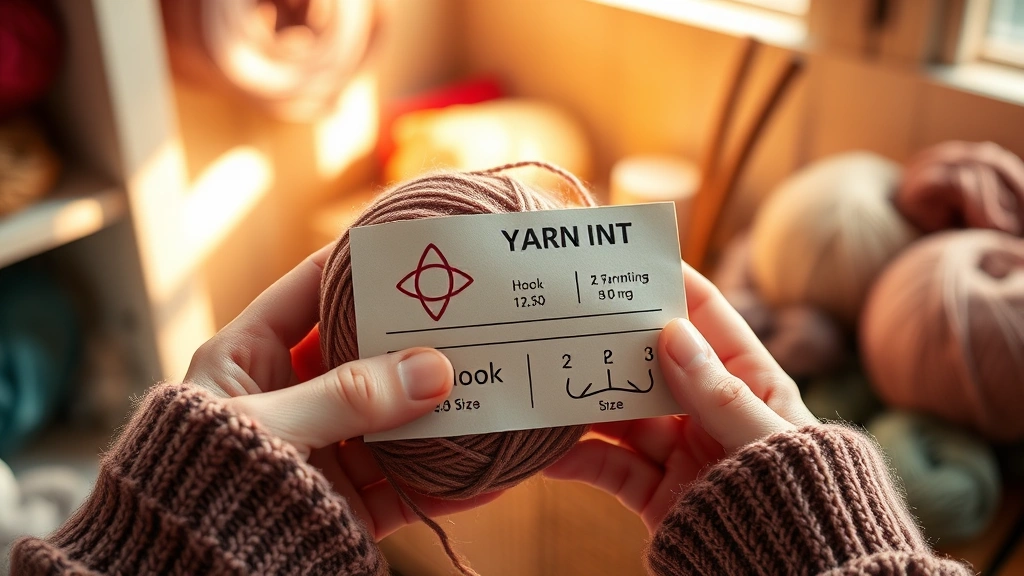
You’ll usually find the weight number displayed prominently on yarn labels, often inside a small skein symbol. Some labels also include the weight name (like “worsted” or “DK”), but the number is what really matters for consistency. When you’re working on crochet blanket patterns, this standardization becomes especially important because you need consistent gauge across potentially dozens of skeins.
Pro Tip: Keep a small notebook or phone note with your go-to yarn weights and hook sizes. I write down what works best for my tension, because everyone crochets a little differently.
The Seven Main Weight Categories
Let me walk you through each yarn weight category, because knowing these inside and out will transform your crochet game. I’ll share what I actually use each weight for, not just the textbook definitions.
Weight 0: Lace (Fingering)
This is the finest yarn you’ll typically encounter, perfect for delicate shawls and intricate lacework. I use size 10 cotton thread for crochet doily patterns – it creates those gorgeous, airy designs that look impossibly delicate. Hook sizes range from 1.6mm to 2.25mm (steel hooks), and you’ll need patience because progress feels slow.
Weight 1: Super Fine (Fingering/Baby)
This weight works beautifully for baby items and lightweight garments. I love using Lion Brand Babysoft in this weight for newborn hats – they turn out soft and delicate without being bulky. Hook sizes typically range from 2.25mm to 3.5mm (B-1 to E-4).
Weight 2: Fine (Sport)
Sport weight is my go-to for lightweight sweaters and baby blankets. It creates beautiful stitch definition without being too heavy. Hook sizes range from 3.5mm to 4.5mm (E-4 to 7). This weight works wonderfully for summer tops and children’s garments.
Weight 3: Light (DK/Light Worsted)
DK weight sits perfectly between sport and worsted – it’s substantial enough for quick progress but fine enough for detailed work. I use this weight for most of my amigurumi patterns because it creates smooth, even fabric. Hook sizes range from 4.5mm to 5.5mm (7 to I-9).
Weight 4: Medium (Worsted/Afghan/Aran)
This is the workhorse of the yarn world. Most patterns are written for worsted weight because it’s readily available and works up quickly. Red Heart Super Saver and Lion Brand Vanna’s Choice are classic examples. Hook sizes range from 5.5mm to 6.5mm (I-9 to K-10.5).
Weight 5: Bulky (Chunky)
Perfect for cozy afghans and quick projects. When I want to finish a scarf in a weekend, I reach for bulky yarn. Hook sizes range from 6.5mm to 9mm (K-10.5 to M-13). The chunky yarn guide I follow helps me choose the right fiber content for different projects.
Weight 6: Super Bulky
These yarns work up incredibly fast and create wonderfully squishy fabric. I use super bulky for throw pillows and quick baby blankets. Hook sizes range from 9mm to 15mm (M-13 to Q).
| Weight | Name | Hook Size Range | Best For |
|---|---|---|---|
| 0 | Lace | 1.6-2.25mm | Doilies, fine shawls |
| 1 | Super Fine | 2.25-3.5mm | Baby items, socks |
| 2 | Fine (Sport) | 3.5-4.5mm | Lightweight garments |
| 3 | Light (DK) | 4.5-5.5mm | Sweaters, amigurumi |
| 4 | Medium (Worsted) | 5.5-6.5mm | Afghans, general crafts |
| 5 | Bulky | 6.5-9mm | Quick scarves, hats |
| 6 | Super Bulky | 9-15mm | Chunky blankets |
Choosing the Right Weight for Your Project
Picking the right yarn weight isn’t just about following pattern instructions – though that’s important too. It’s about understanding what each weight brings to your finished project. I’ve learned that the same pattern can look completely different depending on the yarn weight you choose.
For wearables, consider the season and intended use. I never make summer cardigans in worsted weight anymore because they’re just too warm. Sport or DK weight creates the perfect drape for lightweight layers. For winter accessories like hats and scarves, bulky yarn provides the warmth and quick satisfaction that makes cold-weather crafting enjoyable.
Home decor items have different considerations. Crochet pillow patterns work beautifully in worsted weight because you get good structure without excessive bulk. But for throw blankets, I often prefer a slightly lighter weight like DK because the finished blanket drapes better and isn’t too heavy for year-round use.
Consider Your Skill Level: Beginners often do better with worsted weight yarn because mistakes are easier to see and fix, and the yarn is forgiving to work with.
Think about care requirements too. If you’re making something that needs frequent washing, like dishcloths or baby items, cotton in a medium weight holds up better than delicate fibers. I learned this after making beautiful lace-weight cotton washcloths that fell apart after a few trips through the washing machine.
Hook Size and Yarn Weight Pairing
Getting the hook size right is crucial for achieving the correct gauge and fabric feel. The recommended hook sizes on yarn labels are starting points, but your personal tension plays a huge role in what actually works best.
I always start with the recommended hook size and make a gauge swatch. If my stitches are too tight (smaller than the pattern gauge), I go up a hook size. If they’re too loose (larger than pattern gauge), I go down a size. This might seem obvious, but I see so many crocheters skip this step and then wonder why their projects don’t match the pattern photos.
For beginner crochet projects, I recommend sticking close to the suggested hook sizes until you develop a feel for different tensions. Once you’re comfortable, you can experiment with going up or down a hook size to achieve different effects – larger hooks create more open, drapey fabric, while smaller hooks create denser, more structured fabric.
Remember: the hook size that works for single crochet might not be the same size you need for double crochet in the same yarn. Taller stitches often need slightly larger hooks to maintain consistent gauge.
When substituting yarns, always check both the weight and the recommended hook size. Sometimes a yarn might be labeled as worsted weight but recommend a larger hook than typical, indicating it might be on the lighter side of the weight category.
Yarn Substitution Guidelines
Substituting yarns successfully requires more than just matching the weight number. You need to consider fiber content, yardage, and how the yarn behaves when worked up. I’ve made some spectacular substitution failures over the years, so let me save you some heartache.
First, always check the yardage per skein or ball. Even within the same weight category, different yarns can have vastly different yardages. A 100g ball of one worsted weight yarn might have 220 yards, while another has 190 yards. Calculate your total yardage needs based on the pattern requirements, not just the number of skeins.
Fiber content affects drape, stretch, and care requirements. Cotton has no memory – it won’t bounce back if stretched. Wool has natural elasticity and warmth. Acrylic is durable and machine-washable but can be less breathable. When working on crochet sweater patterns, these differences become critical for fit and comfort.
Consider the yarn construction too. Single-ply yarns behave differently than multi-ply yarns, even in the same weight. Single-ply tends to be softer but can pill more easily, while multi-ply is generally more durable but can feel stiffer initially.
Substitution Safety Net: Always buy an extra skein when substituting yarns, especially if you’re changing fiber content. You might need more or less yarn than the pattern calls for.
Troubleshooting Common Weight Issues
Let’s talk about what happens when yarn weight goes wrong and how to fix it. I’ve rescued more projects than I can count by understanding these common issues.
If your project is turning out too small, you might be using a yarn that’s lighter than specified, or your tension might be tighter than the pattern designer’s. Try going up a hook size or two. I once salvaged a baby blanket that was turning out more like a washcloth by switching from a 5mm to a 6.5mm hook with the same DK weight yarn.
Too large or loose? The opposite problem usually means your yarn is heavier than specified or your tension is looser. Going down a hook size often fixes this. But sometimes you need to embrace the change – that oversized cardigan might actually be perfect as a cozy, slouchy fit.
Fabric that’s too stiff often indicates you’re using a yarn that’s denser than the pattern intended, or your hook is too small. This happens a lot when substituting cotton for wool in the same weight category. Cotton generally needs a slightly larger hook than wool to achieve the same gauge.
If your crochet stitch guide techniques aren’t showing up clearly, you might need to adjust your yarn choice. Some stitches showcase better in smooth, plied yarns, while others work beautifully with textured or fuzzy yarns.
Reading Yarn Labels Like a Pro
Yarn labels contain a wealth of information beyond just the weight number. Learning to decode all that information will make you a more confident yarn buyer and project planner.
The weight symbol is usually prominent, but also look for the recommended needle/hook size range. This gives you flexibility in your tool choice. The yardage and weight information helps you calculate how much you need for projects. I always photograph yarn labels with my phone before removing them – it’s saved me countless trips back to the store.
Care symbols tell you how to maintain your finished project. A yarn might be perfect for your project idea, but if it requires dry cleaning and you’re making everyday dishcloths, that’s a mismatch. Ravelry is an excellent resource for finding real crocheter reviews of how different yarns perform in various projects.
Dye lot numbers are crucial for projects requiring multiple skeins. Different dye lots can have subtle color variations that become glaringly obvious in a finished project. I learned this lesson with a granny square afghan where half the squares were noticeably different from the other half.
Some labels include gauge information – this is the manufacturer’s suggestion for achieving a standard fabric density. It’s usually given in knitting terms (stitches per inch), but you can use it as a general guideline for crochet gauge too.
Common Questions
Can I use a different yarn weight than what the pattern calls for?
Yes, but you’ll need to adjust your hook size and possibly the stitch count. Going up one weight category (like from DK to worsted) usually works well with some modifications. Going up or down more than one category requires significant pattern adjustments and might change the entire character of the project.
How much yarn do I need if I substitute a different weight?
Calculate based on yardage, not weight or number of skeins. If the pattern calls for 800 yards of worsted weight yarn and you want to use DK weight, you’ll still need approximately 800 yards, but it might come in more skeins since DK weight typically has less yardage per skein.
Why does my gauge swatch look different from the finished project?
Gauge can change between swatches and larger pieces due to several factors: your tension might relax as you get into a rhythm, different stitch patterns can affect gauge, and the weight of a larger piece can cause stretching. Always make your gauge swatch in the same stitch pattern as the main project.
What’s the difference between DK and worsted weight?
DK (weight 3) is lighter than worsted (weight 4). DK typically uses 4.5-5.5mm hooks while worsted uses 5.5-6.5mm hooks. DK creates a finer fabric that’s perfect for detailed work, while worsted works up faster and creates a more substantial fabric.
Can I mix different yarn weights in the same project?
Absolutely! Mixing weights can create interesting textural effects. Use heavier weights for structural elements and lighter weights for decorative details. Just be mindful of how different weights will affect drape and care requirements. When working on granny square patterns, mixing weights can create beautiful dimensional effects.
How do I know if a yarn substitute will work?
Check the fiber content, yardage, recommended hook size, and care instructions. Make a small swatch to test how the substitute yarn behaves with your chosen hook size. The yarn should achieve similar gauge and create fabric with similar drape and texture to what the pattern intends.
What yarn weight is best for beginners?
Worsted weight (weight 4) is ideal for beginners because it’s easy to see your stitches, widely available, and forgiving of tension inconsistencies. It works up relatively quickly, which keeps beginners motivated, and most basic patterns are written for this weight.
Why do some yarns feel different even though they’re the same weight?
Fiber content, spinning method, and ply structure all affect how yarn feels and behaves. A worsted weight wool will feel different from worsted weight cotton or acrylic. Single-ply yarns feel softer but may be less durable than multi-ply yarns in the same weight category.
Making Yarn Weight Work for You
Understanding yarn weight isn’t about memorizing numbers and charts – it’s about developing an intuitive sense of how different yarns will behave in your projects. The more you experiment with different weights, the more confident you’ll become in making substitutions and adjustments.
Start building a yarn stash that includes several different weights so you can experiment. Keep notes about what works well for different project types. I have a simple spreadsheet where I track successful yarn and hook combinations for future reference.
Remember that rules are meant to be broken creatively. Once you understand how yarn weight affects your finished projects, you can intentionally choose different weights to achieve specific effects. That delicate lace pattern might look stunning worked in worsted weight yarn for a bold, modern interpretation.
Most importantly, don’t let yarn weight intimidate you. Every experienced crocheter has made weight-related mistakes – they’re part of the learning process. Keep experimenting, keep notes on what works, and soon you’ll be choosing yarns with confidence for any project you have in mind.