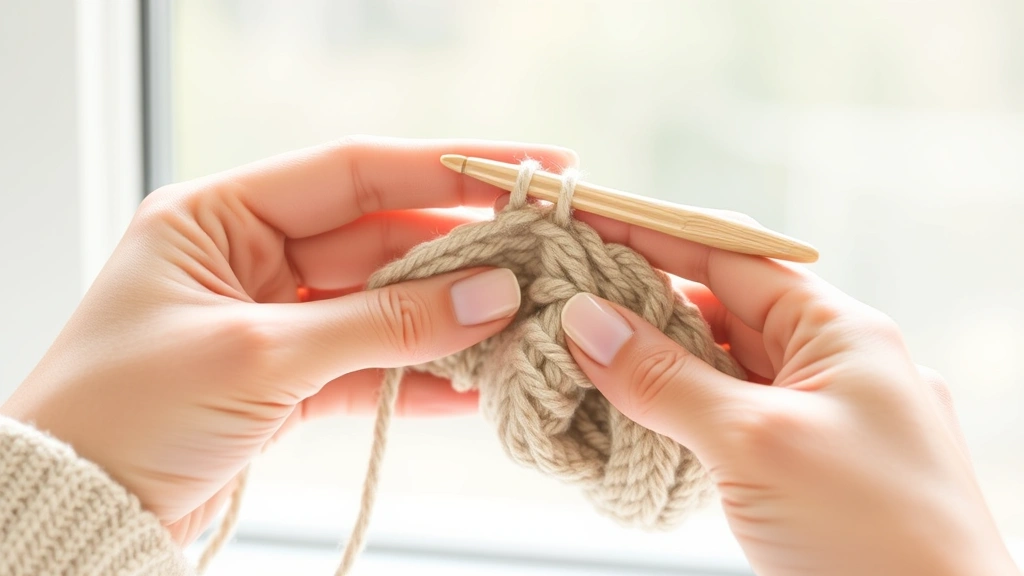
Last week, I was helping my neighbor Sarah troubleshoot her first granny square project, and she asked me something that made me pause: “How do I know if my tension is actually good?” It’s one of those questions that seems simple on the surface, but honestly, it touches on something that affects literally everything you crochet. Your tension – how tightly or loosely you hold your yarn and pull your stitches – is like the foundation of a house. Get it wrong, and even the most beautiful pattern won’t turn out quite right.
Here’s the thing about crochet tension that nobody really talks about: it’s not just about making your stitches look neat. Sure, that matters, but tension affects your gauge, how much yarn you use, whether your finished project will be the right size, and even how your hands feel after a long crafting session. I’ve seen beautiful blankets that ended up too small because the crocheter’s tension was too tight, and adorable amigurumi that looked wonky because the stitches were too loose.
The tricky part is that “good” tension isn’t the same for everyone. What works for me might feel uncomfortable for you, and that’s totally normal. Your hands are different, your grip is different, and even your mood can affect how you hold that yarn. But here’s what I’ve learned after years of making every tension mistake in the book: there are some solid principles that can help you find your sweet spot and create more consistent, enjoyable crochet projects.
Quick Answer
Good crochet tension creates even, consistent stitches that match your pattern’s gauge while feeling comfortable in your hands. Your stitches should slide easily on the hook without being loose or tight, and your fabric should have a nice drape without gaps or stiffness.
Understanding What Tension Really Means
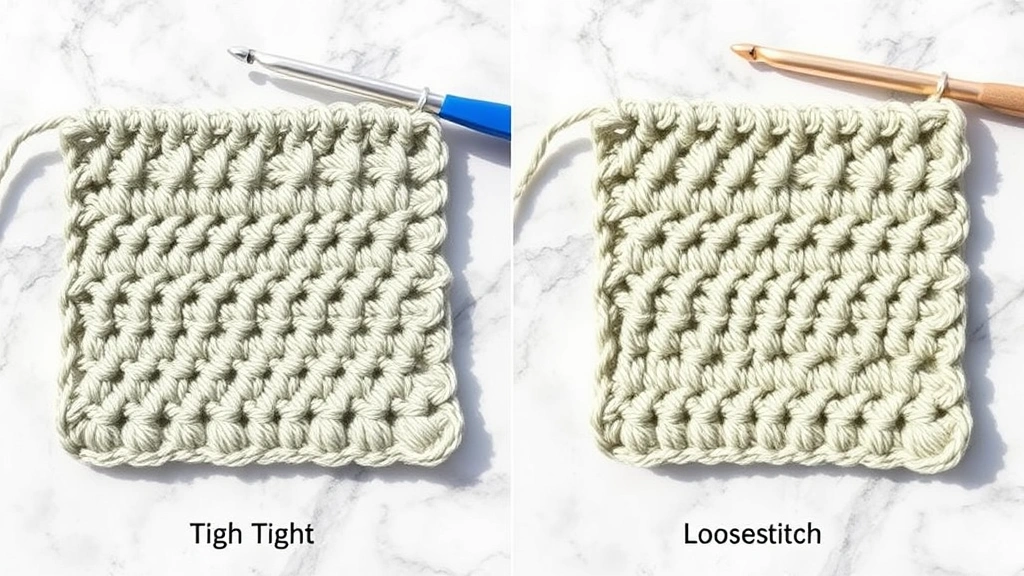
When we talk about crochet tension, we’re really talking about three interconnected things: how you hold your yarn, how tightly you pull each stitch, and how consistently you do both throughout your project. Think of it like your crochet signature – it’s uniquely yours, but it needs to be readable and consistent.
The yarn tension happens in your non-dominant hand (usually your left if you’re right-handed). This is where you control the flow of yarn to your hook. Some people wrap the yarn around their pinky finger, others thread it through multiple fingers, and some just hold it loosely. There’s no single “right” way, but whatever method you choose needs to give you consistent control over how much yarn feeds to your hook.
Then there’s stitch tension – how tightly you pull each loop as you complete it. This is where a lot of beginners struggle because it feels natural to pull tight to “secure” the stitch. But here’s the thing: crochet stitches are inherently secure once they’re formed. Pulling them super tight just makes your work stiff and your next row harder to work into.
The magic happens when both types of tension work together smoothly. Your yarn should flow easily but not too freely, and your completed stitches should have enough give that you can easily insert your hook for the next row. When I’m working with different yarn types, I always spend a few minutes at the beginning adjusting my tension to match the yarn’s characteristics.
Why Tension Matters More Than You Think
Good tension affects everything from your gauge swatch to your final project dimensions. I learned this the hard way when I made a sweater that ended up fitting my teenage nephew instead of me – my tension had gradually gotten tighter as I got more comfortable with the pattern, and I didn’t realize it until I tried it on.
Beyond sizing, tension affects your yarn consumption too. Tight stitches use more yarn because you’re essentially compressing more material into each stitch. Loose stitches might save yarn, but they create a fabric that lacks structure and can look sloppy.
Signs of Good vs. Poor Tension
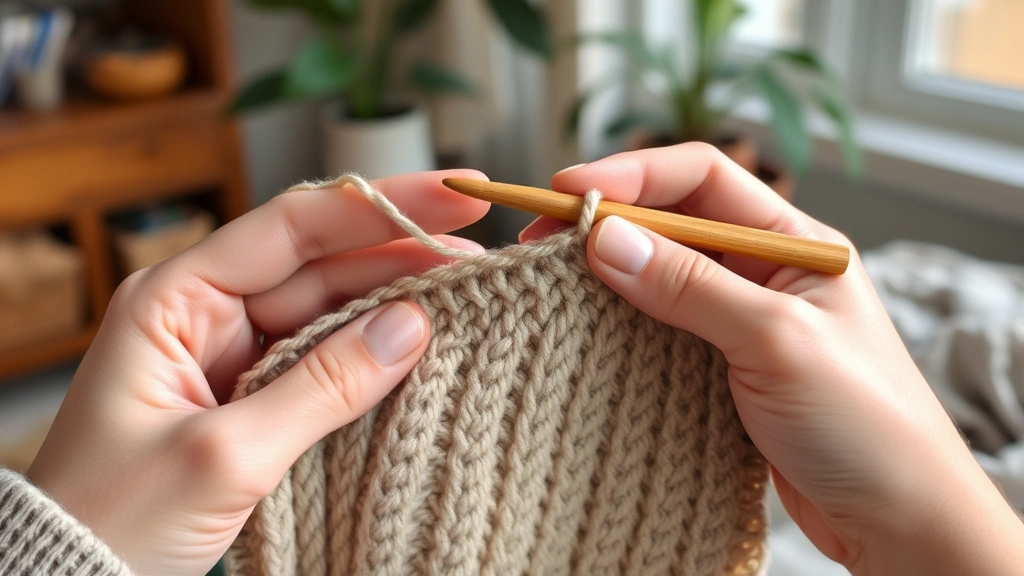
Let me paint you a picture of what good tension looks like in action. When your tension is on point, your hook should glide through stitches like a hot knife through butter. You’re not forcing it, and you’re not struggling to catch the yarn. Your stitches have a nice, even appearance – not too tight that they pucker, not so loose that you can see through them.
Here’s a simple test I use: hold up your work and give it a gentle shake. With good tension, the fabric should have a nice drape and move naturally. If it’s stiff as cardboard, your tension’s too tight. If it’s floppy and shapeless, it’s probably too loose.
Quick Tension Check: Try inserting your hook into a stitch from the previous row. If you have to wrestle with it, you’re too tight. If the hook goes in so easily that you’re not sure you caught the right loops, you might be too loose.
Visual Cues for Good Tension
Your stitches should look like little siblings – similar but not identical twins. They’ll have slight variations because we’re human, not machines, but the overall height and width should be consistent. When working in rounds, like with granny squares, good tension creates smooth curves without tight corners or wavy edges.
The yarn between stitches should have a gentle curve, not be stretched taut or hanging loose. Think of it like the yarn is taking a comfortable stroll from one stitch to the next, not running a marathon or taking a leisurely nap.
When Tension Goes Wrong
Poor tension shows up in predictable ways. Too-tight tension creates fabric that curls, puckers, or feels rigid. Your hands will probably hurt after a while because you’re gripping everything too hard. I see this a lot with beginners who are nervous about making mistakes – they hold everything in a death grip, which ironically makes mistakes more likely.
Loose tension creates the opposite problem: stitches that are uneven in size, fabric that has no structure, and gaps where you can see through your work. This often happens when crocheters try to work too fast or aren’t paying attention to their yarn control.
| Tension Issue | What You’ll See | How It Feels |
|---|---|---|
| Too Tight | Stiff fabric, curling edges, small stitches | Hard to insert hook, hand fatigue |
| Too Loose | Gaps in fabric, uneven stitches, no structure | Hook slides through too easily |
| Just Right | Even stitches, nice drape, consistent gauge | Comfortable to work, smooth hook movement |
How to Find Your Natural Tension
Finding your ideal tension is like finding your favorite coffee blend – it takes some experimentation, but once you find it, you’ll know. Start with a basic single crochet swatch using worsted weight yarn and a size H (5mm) hook. This combination is forgiving and gives you a good baseline to work from.
Begin by holding your yarn in whatever way feels natural. Don’t overthink it at first. Crochet about 20 single crochets, then take a break and look at what you’ve created. Are the stitches even? Can you easily insert your hook into them? Does the fabric feel nice in your hands?
Now here’s the key part: try the same swatch with slightly looser tension. Let the yarn flow a bit more freely, don’t pull each stitch quite as tight. Then try one with tighter tension. Compare all three swatches side by side. You’ll probably find that one feels more natural and looks more even than the others.
The Yarn Hold Experiment
There are several popular ways to hold your yarn, and what works best depends on your hand size, flexibility, and personal preference. The most common method involves wrapping the yarn around your pinky finger, then threading it over your ring finger, under your middle finger, and over your index finger. This gives you multiple points of control.
Some people prefer a simpler approach, just holding the yarn with their pinky and ring finger while their index finger guides it. Others wrap it around their index finger for more control. Try each method with the same pattern and see which feels most comfortable and gives you the most consistent results.
I spent years fighting with the “proper” way to hold yarn because that’s what I learned first. It wasn’t until I watched my grandmother crochet that I realized she held her yarn completely differently, and her tension was gorgeous. Sometimes you have to find your own way.
Techniques for Improving Consistency
Consistency is really the holy grail of good crochet tension. It’s one thing to get good tension for a few stitches, but maintaining it throughout an entire project? That’s where the real skill comes in. The good news is that consistency improves with practice, but there are some specific techniques that can speed up the process.
First, pay attention to your environment and mood. I know it sounds weird, but I crochet differently when I’m stressed versus when I’m relaxed. When I’m watching an intense TV show, my tension tends to get tighter. When I’m chatting with friends, it might get looser. Being aware of these patterns helps you make small adjustments as you go.
Try the “rhythm method” – establish a steady, comfortable pace and stick to it. Don’t speed up during the easy parts and slow down during the tricky bits. This consistent rhythm naturally leads to more consistent tension. When I’m working on baby blankets, I often put on music with a steady beat to help maintain my rhythm.
The Gauge Swatch Reality Check
I know, I know – nobody likes making gauge swatches. But here’s why they’re crucial for tension consistency: they force you to work the same stitch repeatedly, which helps you find and maintain your natural rhythm. Plus, they give you a concrete way to measure whether your tension is consistent.
Make your gauge swatch at least 6 inches square. This gives you enough stitches to see patterns in your tension. Are the edges tighter than the middle? Do your stitches get looser as you get more comfortable? These insights are gold for improving your overall consistency.
Pro Tip: Keep your gauge swatches! I have a collection going back years, and it’s fascinating to see how my tension has evolved. Plus, they’re great for testing new stitch patterns or color combinations.
Hand Position and Posture
Your overall posture affects your tension more than you might think. If you’re hunched over your work, gripping your hook like you’re afraid it’ll escape, your tension will suffer. Sit comfortably with good support, keep your shoulders relaxed, and hold your hook like you would a pencil – firm enough for control, but not so tight that your hand cramps.
Take regular breaks, especially during long crochet sessions. I set a timer for every 30 minutes and do some simple hand stretches. This prevents fatigue-related tension changes and keeps your hands happy for longer crafting sessions.
How Yarn and Hook Choice Affects Tension
Here’s something that took me embarrassingly long to figure out: the same person can have completely different tension with different yarn and hook combinations. That perfect tension you achieved with cotton yarn and an aluminum hook? It might not translate to acrylic yarn with a bamboo hook.
Yarn fiber affects how your stitches behave. Cotton has no stretch, so it shows tension inconsistencies more readily than a forgiving acrylic. Wool has natural elasticity that can mask minor tension variations. Slippery yarns like bamboo or silk require more careful yarn control, while grabby yarns like some acrylics almost control themselves.
Hook material makes a difference too. Aluminum hooks are smooth and fast, which can lead to looser tension if you’re not careful. Bamboo hooks have more grip, naturally slowing you down and often resulting in more controlled, even stitches. Plastic hooks fall somewhere in between.
Matching Hook Size to Your Tension Style
If you naturally crochet tight, you might need to go up a hook size or two from what the pattern recommends to achieve the correct gauge. Loose crocheters often need to size down. This isn’t cheating – it’s adapting the pattern to work with your natural style.
I keep detailed notes about which hook sizes work best for me with different yarn weights. For worsted weight yarn, I typically use an H hook (5mm) instead of the often-recommended I hook (5.5mm) because I tend to crochet a bit loose. When working with chunky yarn, I might go down even more dramatically from the suggested hook size.
| Yarn Weight | Standard Hook Size | For Tight Tension | For Loose Tension |
|---|---|---|---|
| DK (3) | G/6 (4mm) | H/8 (5mm) | F/5 (3.75mm) |
| Worsted (4) | I/9 (5.5mm) | J/10 (6mm) | H/8 (5mm) |
| Chunky (5) | K/10.5 (6.5mm) | L/11 (8mm) | J/10 (6mm) |
Troubleshooting Common Tension Problems
Let’s talk about the tension problems I see most often and how to fix them. The number one issue? Inconsistent tension within the same project. You start out nervous and tight, then relax and get looser, then maybe tighten up again when you hit a tricky section. The result looks like a topographical map of your emotional state while crocheting.
The fix is awareness and regular check-ins with yourself. Every few rows, hold up your work and compare the current section to what you did earlier. If you notice changes, take a moment to readjust before continuing. It’s much easier to fix tension issues as they happen than to try to correct them later.
Another common problem is what I call “edge tension” – where your stitches at the beginning and end of rows are different from the ones in the middle. This usually happens because we change our grip or posture slightly when turning our work. The solution is to pay extra attention to those first and last stitches of each row, making sure they match the tension of your middle stitches.
The Dreaded Tension Creep
Tension creep is when your stitches gradually get tighter or looser throughout a project without you realizing it. It’s incredibly common, especially on large projects like afghans where you might work on them over weeks or months.
Combat tension creep by measuring your work regularly, not just counting rows. If you’re making a blanket that should be 50 inches wide, measure it every 10 rows or so. If it’s getting narrower, your tension is getting tighter. If it’s getting wider, you’re getting looser.
Emergency Tension Fix: If you notice significant tension changes mid-project, don’t panic and rip everything out. Often, blocking can even out minor variations. For major differences, consider adding a decorative border that can help disguise the transition.
When Your Hands Hurt
Hand pain while crocheting is almost always a sign of too-tight tension or poor ergonomics. Your grip on both the hook and yarn should be firm but relaxed. If your knuckles are white or your fingers are cramping, you’re working too hard.
Try this exercise: hold your hook and yarn normally, then consciously relax your grip by about 25%. You’ll probably find you still have perfect control, but your hands feel much more comfortable. Practice this lighter grip until it becomes natural.
Maintaining Good Tension During Long Projects
Long projects test your tension consistency like nothing else. I remember working on a king-size blanket that took me six months to complete, and by the end, I could literally see the story of my life in the stitches – tight sections when I was stressed about work, loose sections during vacation, and everything in between.
The key to maintaining consistent tension over time is routine. Try to crochet at the same time of day when possible, in the same chair, with similar lighting. I know it sounds obsessive, but these environmental factors really do affect how you hold your yarn and hook.
Keep notes about your projects, especially if you’re setting them aside for days or weeks at a time. Write down which hook size you’re using, any modifications you’ve made to achieve the right gauge, and even notes about how the yarn feels to work with. When you pick the project back up, these notes help you get back into the same rhythm.
Project Breaks and Consistency
If you need to take a break from a large project, don’t just set it aside mid-row. Finish the section you’re working on – complete the row, or better yet, finish the entire repeat if you’re working a pattern. This makes it much easier to pick up where you left off with consistent tension.
When you return to the project, spend a few minutes working some practice stitches with the same yarn and hook before diving back into your actual work. This helps your hands remember the feel of that particular combination and gets you back into the right rhythm.
I learned this lesson the hard way with a complex shawl pattern. I put it down for two weeks, then jumped right back in. The section I made after the break was noticeably different, and I ended up having to redo several rows to match the earlier work.
Common Questions
How tight should my crochet tension be for beginners?
As a beginner, aim for tension that’s comfortable rather than perfect. Your stitches should be loose enough that you can easily insert your hook into them for the next row, but tight enough that your fabric has some structure. Start with worsted weight yarn and an H hook (5mm) – this combination is forgiving and helps you develop good habits. Don’t worry about matching gauge perfectly at first; focus on consistency within your own work.
Why does my crochet tension change throughout my project?
Tension changes happen for several reasons: fatigue (you naturally grip tighter when tired), mood (stress often leads to tighter stitches), familiarity with the pattern (you might relax as you get comfortable), and even time of day. Environmental factors like temperature and humidity can also affect how yarn behaves. The key is awareness – check your work regularly and make conscious adjustments when you notice changes.
Should I rip out work if my tension is inconsistent?
Not necessarily! Minor tension variations often even out during blocking, especially with natural fibers like wool. For significant differences that affect the project’s shape or size, consider whether you can work the inconsistency into the design or disguise it with decorative elements. Only rip out if the tension difference is so dramatic that it affects the project’s function or appearance.
How do I know if my hook size is right for my tension?
Make a gauge swatch with the recommended hook size and measure it against the pattern’s gauge. If your swatch is smaller than specified, your tension is tight – try a larger hook. If it’s larger, your tension is loose – try a smaller hook. Remember, the goal is to match the pattern’s gauge, not to force yourself into a “standard” tension. Adjust your tools to work with your natural style.
Can I fix tension problems by changing yarn brands?
Different yarns can definitely affect your tension, but switching brands won’t fix fundamental tension inconsistencies. However, some yarns are more forgiving than others. Yarns with slight stretch (like wool blends) can mask minor tension variations, while cotton shows every inconsistency. If you’re struggling with tension, try practicing with a forgiving acrylic blend before moving to more challenging fibers.
How long does it take to develop consistent tension?
Most crocheters see significant improvement in tension consistency within their first few projects, usually over 2-3 months of regular practice. However, everyone’s timeline is different. The key is deliberate practice – paying attention to your tension rather than just focusing on completing projects. Working on simple, repetitive projects like dishcloths or scarves helps build muscle memory faster than jumping into complex patterns.
Why do my edges have different tension than the middle of my work?
Edge tension issues usually stem from changing your grip or posture when turning your work. You might unconsciously tighten up at the beginning of rows or rush through the last few stitches. Pay special attention to your first and last stitches of each row, making sure they match the tension of your middle stitches. Some crocheters find it helpful to work the first and last stitches of each row slightly looser than normal.
Is it normal for my hands to hurt when I’m working on tension?
No, crochet shouldn’t cause pain. Hand pain usually indicates you’re gripping too tightly or your ergonomics need adjustment. Your hold on both hook and yarn should be firm but relaxed. Take frequent breaks, do hand stretches, and consider whether your seating and lighting are contributing to tension in your shoulders and neck, which can transfer to your hands.
Finding Your Perfect Crochet Flow
Good crochet tension isn’t about achieving some mythical standard of perfection – it’s about finding what works for your hands, your projects, and your crafting goals. The beautiful thing about crochet is that there’s room for your personal style within the technical requirements. Your stitches don’t need to look exactly like mine or anyone else’s; they just need to be consistent and create the fabric you’re aiming for.
Remember that developing good tension is a journey, not a destination. Even experienced crocheters occasionally struggle with tension issues, especially when trying new techniques or working with unfamiliar materials. Be patient with yourself, pay attention to what your hands and your work are telling you, and don’t be afraid to make adjustments along the way.
The most important thing is to enjoy the process. Crochet should be relaxing and rewarding, not a source of stress about whether every stitch is perfect. Focus on consistency over perfection, comfort over speed, and always remember that every crocheter – even the ones whose work looks effortlessly perfect – started exactly where you are now. Happy crocheting!