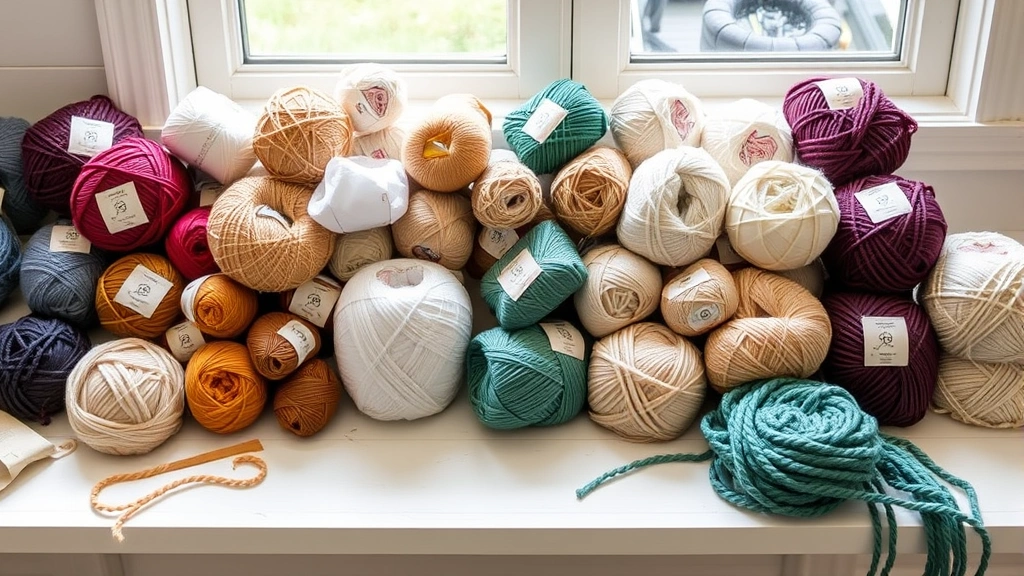
Last week, I was teaching my neighbor how to crochet her first baby blanket when she asked me something that stopped me in my tracks: “How do I know which yarn weight to use?” It hit me that this is one of those fundamental questions that can make or break a project, yet so many of us learn it through trial and error (and a few frustrating frogging sessions).
I’ve been there – standing in the yarn aisle, overwhelmed by all the options, wondering why my finished project looked nothing like the pattern photo. Turns out, yarn weight isn’t just about thickness; it’s about how your stitches will look, how your fabric will drape, and whether your project will actually turn out the way you envision it.
The truth is, understanding yarn weights is like having a secret decoder ring for crochet patterns. Once you get it, everything else falls into place. You’ll know why your dishcloths are too stiff, why your sweater is too loose, and how to substitute yarns like a pro.
Quick Answer
Yarn weight refers to the thickness of yarn, classified from 0 (lace) to 7 (jumbo), with each weight requiring specific hook sizes and creating different fabric textures. Choose lighter weights (1-3) for delicate items like baby clothes, medium weights (4-5) for everyday projects like scarves and sweaters, and heavier weights (6-7) for quick, chunky items like blankets and hats.
Understanding the Yarn Weight System
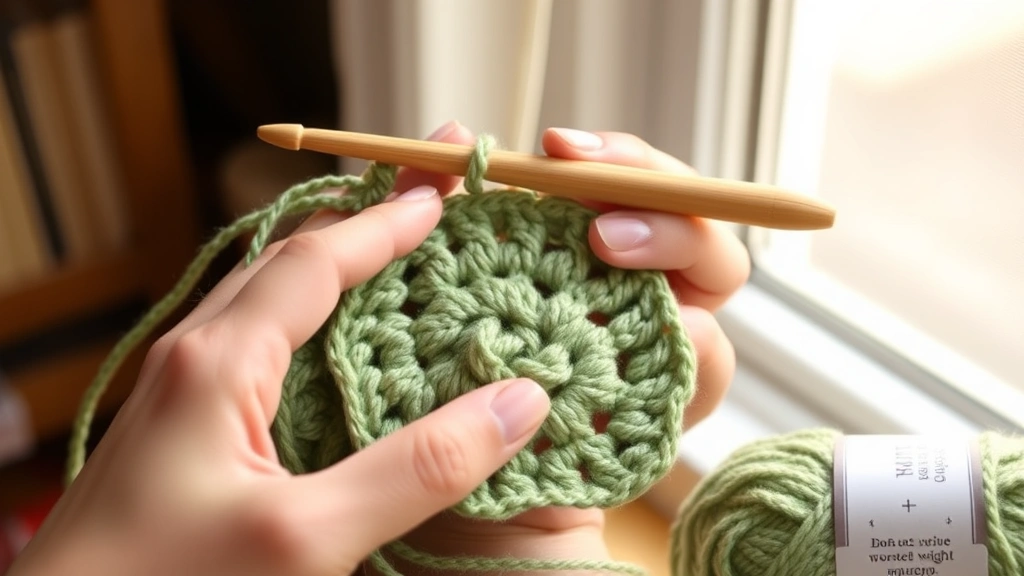
The Craft Yarn Council created a standardized system that uses numbers 0 through 7 to classify yarn weights. Think of it like clothing sizes – once you know the system, shopping becomes so much easier.
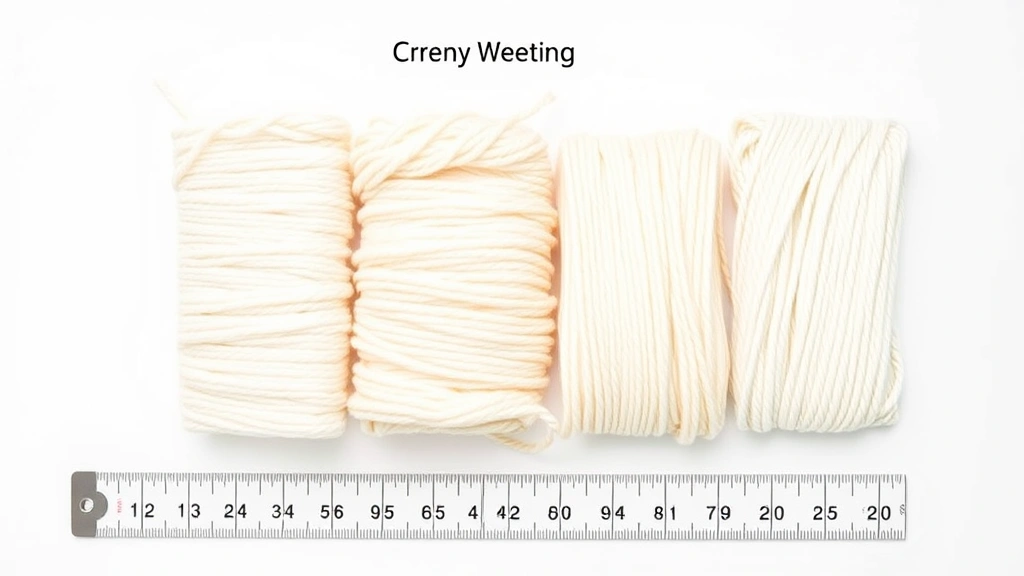
Here’s what those numbers actually mean: the lower the number, the thinner the yarn. A 0-weight yarn is gossamer-thin lace yarn, while a 7-weight yarn is thick enough to work up into a cozy blanket in an afternoon. Each weight category also comes with recommended hook sizes and typical uses.
But here’s where it gets interesting – yarn weight isn’t just about thickness. It’s also about the yarn’s structure, fiber content, and how it behaves when you work with it. A loosely spun worsted weight yarn will create a different fabric than a tightly twisted one, even though they’re both labeled as weight 4.
Pro Tip: Always check the yarn label for the weight symbol, not just the name. Some brands use creative names that don’t always match the standard weight categories.
Complete Weight-by-Weight Breakdown
Let me walk you through each yarn weight category, because understanding these differences will transform how you approach every project.
Lace Weight (0) and Fingering Weight (1)
These delicate yarns require patience but create stunning results. Lace weight is perfect for intricate shawl patterns and heirloom doilies. You’ll typically use a 2.25mm to 3.5mm hook (US B-1 to E-4). Fingering weight is slightly thicker and works beautifully for baby items and lightweight summer tops.
I remember my first lace project – it took forever, but the finished shawl was absolutely ethereal. The key with these weights is to maintain consistent tension and use stitch markers religiously.
Sport Weight (2) and DK Weight (3)
Sport weight yarn is your friend for baby blankets and lightweight garments. It typically calls for a 3.5mm to 4.5mm hook (US E-4 to 7). DK (double knitting) weight is slightly heavier and perfect for children’s sweaters and accessories. You’ll usually use a 4.5mm to 5.5mm hook (US 7 to I-9).
These weights are incredibly versatile. I’ve used Lion Brand Baby Soft in sport weight for countless baby projects, and it washes beautifully.
Worsted Weight (4) – The Universal Favorite
This is the goldilocks of yarn weights – not too thick, not too thin, just right for most projects. Worsted weight typically uses a 5.5mm to 6.5mm hook (US I-9 to K-10.5) and works up quickly while still showing stitch definition beautifully.
Most beginner-friendly patterns use worsted weight because it’s forgiving and readily available. Red Heart Super Saver, Lion Brand Vanna’s Choice, and Caron Simply Soft are popular worsted weight options that you’ll find in most craft stores.
| Yarn Weight | Hook Size (US) | Hook Size (mm) | Best For |
|---|---|---|---|
| Lace (0) | B-1 to E-4 | 2.25-3.5 | Shawls, doilies |
| Fingering (1) | B-1 to E-4 | 2.25-3.5 | Baby items, socks |
| Sport (2) | E-4 to 7 | 3.5-4.5 | Baby blankets, light tops |
| DK (3) | 7 to I-9 | 4.5-5.5 | Children’s wear, accessories |
| Worsted (4) | I-9 to K-10.5 | 5.5-6.5 | Afghans, sweaters, scarves |
| Bulky (5) | K-10.5 to M-13 | 6.5-9 | Quick blankets, hats |
| Super Bulky (6) | M-13 to Q | 9-15 | Chunky blankets, rugs |
| Jumbo (7) | Q and larger | 15+ | Arm knitting, super chunky items |
How to Choose the Right Weight for Your Project
Choosing the right yarn weight isn’t just about following the pattern – it’s about understanding what you want your finished project to look like and feel like. Let me share some guidelines I’ve developed over years of trial and error.
For garments, consider the season and fit you want. Lighter weights (1-3) create drapey, flowing fabrics perfect for summer tops and delicate cardigans. Medium weights (4-5) give you structure and warmth without bulk – ideal for everyday sweaters and cozy cardigans. Heavy weights (6-7) create substantial, warm pieces but can add bulk.
For home decor items, think about function. Dishcloths work best in worsted weight cotton because it’s absorbent and durable. Decorative items can handle more delicate weights, while functional pieces like pot holders need the substance of heavier yarns.
Consider Your Skill Level: Beginners often find worsted weight most forgiving because mistakes are easier to see and fix. As you advance, experimenting with different weights becomes part of the creative process.
Matching Weight to Stitch Pattern
Different stitch patterns showcase different yarn weights beautifully. Lace stitches shine in lighter weights where the open work can be appreciated. Complex textured stitches like cables and bobbles show up best in smooth, medium-weight yarns. Simple stitches in heavy weights create cozy, substantial fabrics perfect for blankets.
I learned this lesson the hard way when I tried to make a delicate lace pattern in bulky yarn – it looked more like a fishing net than elegant lacework!
Reading Yarn Labels Like a Pro
Yarn labels are treasure troves of information, but they can be overwhelming if you don’t know what to look for. The yarn weight symbol is usually prominently displayed – it’s a number inside a yarn ball icon.
But don’t stop there. The label also tells you the recommended hook size, gauge information (how many stitches per inch), yardage, and fiber content. This information helps you make informed decisions about substitutions and project planning.
Here’s something many crocheters miss: the gauge information on the label assumes you’re working in single crochet. If your pattern uses different stitches, your gauge will be different. Always make a gauge swatch in your actual pattern stitch.
Pay attention to the “after washing” instructions on the label. Some yarns change dramatically after their first wash, and you want to know what you’re getting into before you invest hours in a project.
Decoding International Labels
If you’re buying yarn from international sources or vintage stash, you might encounter different labeling systems. UK yarn weights don’t always match US standards, and some European brands use their own systems. When in doubt, check the recommended needle size and gauge information – these translate across systems more reliably than weight names.
Substituting Yarn Weights Successfully
Sometimes you fall in love with a pattern but want to use a different yarn weight. It’s totally doable, but you need to understand how the change will affect your finished project.
Going down a weight (say, using DK instead of worsted) will create a more delicate, drapey fabric. Your finished item will be smaller, so you might need to adjust your stitch count or add repeats. Going up a weight creates a sturdier, warmer fabric but might obscure delicate stitch details.
The key is making a gauge swatch with your substitute yarn and the hook size that gives you the fabric you want. Don’t just follow the hook size on the yarn label – adjust based on how you want the finished fabric to feel and look.
Smart Substitution Strategy: When substituting yarn weights, stay within one category of the original (if the pattern calls for worsted, try DK or bulky, but probably not fingering weight).
I once successfully converted a worsted weight baby blanket pattern to sport weight by going down a hook size and adding extra pattern repeats. The result was more delicate and perfect for a summer baby.
Common Yarn Weight Mistakes to Avoid
Let me save you from some of the mistakes I’ve made over the years. The biggest one? Assuming all yarns labeled the same weight will behave the same way. A loosely spun acrylic worsted weight will create a very different fabric than a tightly twisted wool worsted weight, even with the same hook size.
Another common mistake is ignoring fiber content when choosing yarn weights. Cotton yarns tend to be denser and less elastic than wool or acrylic, so a cotton worsted weight might feel heavier than an acrylic worsted weight in your finished project.
Don’t assume that bigger yarn means faster projects, either. Yes, chunky yarn projects work up quickly, but they also use more yarn per square inch. That “quick” blanket might end up costing more and being heavier than you expected.
The Gauge Swatch Reality Check
I know, I know – gauge swatches feel like homework when you just want to start your project. But with yarn weight substitutions, they’re absolutely essential. I’ve learned to think of them as small experiments that save me from big disappointments later.
Make your swatch at least 4×4 inches in the actual stitch pattern you’ll be using. Wash and block it the same way you plan to care for your finished project. This gives you the most accurate picture of what you’re getting into.
Perfect Weight and Project Pairings
After years of crocheting, I’ve developed some favorite yarn weight and project combinations that rarely disappoint. Here are my go-to pairings:
For cozy afghans, I love worsted weight acrylic blends. They’re warm, washable, and show stitch definition beautifully. Brands like Caron One Pound and Lion Brand Hometown USA are workhorses for these projects.
Baby items are perfect for sport or DK weight cotton or bamboo blends. They’re soft against sensitive skin, breathable, and wash well. Bernat Baby Sport is a reliable choice that comes in lovely soft colors.
For summer tops and lightweight cardigans, I reach for fingering or sport weight cotton or cotton blends. They create beautiful drape without being too warm. The stitch definition in these weights makes lace and textured patterns really shine.
- Assess Your Project Goals
Consider the final use, care requirements, and desired appearance of your finished item.
- Match Weight to Function
Choose lighter weights for delicate items, medium weights for everyday use, heavy weights for quick, cozy projects.
- Consider Your Experience Level
Start with worsted weight if you’re new to a technique, then experiment with other weights as you gain confidence.
- Factor in Time and Budget
Heavier weights work up faster but use more yardage. Lighter weights take longer but often require less total yarn.
Seasonal Considerations
I’ve learned to think seasonally about yarn weights. Spring and summer projects call for lighter weights that breathe – cotton fingering weight for tank tops, linen sport weight for market bags. Fall and winter are perfect for the satisfaction of chunky weights that create cozy warmth quickly.
This seasonal approach also helps with stash management. I buy lighter weights in spring when I’m planning summer projects, and stock up on cozy chunky yarns in fall when I’m thinking about holiday gifts and winter accessories.
Common Questions
What’s the most versatile yarn weight for beginners?
Worsted weight (4) is hands-down the most beginner-friendly option. It’s thick enough to see your stitches clearly, forgiving of tension inconsistencies, and works up at a satisfying pace. Most beginner patterns use worsted weight, and it’s widely available in every craft store. You can make everything from dishcloths to blankets with worsted weight yarn.
Can I use a different yarn weight than what the pattern calls for?
Yes, but you’ll need to adjust your approach. Going one weight category up or down usually works with some modifications. Make a gauge swatch with your chosen yarn and adjust your hook size to get a fabric you like. You may need to recalculate stitch counts for sizing. Dramatic weight changes (like using fingering weight for a chunky pattern) require significant pattern modifications.
How much yarn do I need for different weights?
Yarn requirements vary significantly by weight. As a general rule, lighter weights require more yardage but fewer total ounces, while heavier weights need fewer yards but more ounces. For example, a baby blanket might need 1,200 yards of fingering weight (about 6 ounces) or 600 yards of worsted weight (about 12 ounces). Always check your pattern’s yardage requirements rather than just the number of skeins.
Why does my project look different from the pattern photo even with the right yarn weight?
Several factors affect the final appearance: hook size, tension, yarn brand, and fiber content. Even within the same weight category, different yarns behave differently. A loosely spun wool will create a softer, more relaxed fabric than a tightly twisted cotton. Your tension might also be different from the pattern designer’s. Always make a gauge swatch and adjust your hook size if needed.
What’s the difference between DK and worsted weight?
DK (double knitting) weight is category 3, while worsted weight is category 4. DK is noticeably thinner and typically uses 4.5-5.5mm hooks, while worsted uses 5.5-6.5mm hooks. DK creates more delicate, drapey fabrics and is popular for children’s clothing and lightweight accessories. Worsted weight creates sturdier, more structured fabrics perfect for blankets, scarves, and adult garments.
Can I mix different yarn weights in the same project?
Yes, but it requires careful planning. Mixing weights can create interesting textural effects – like using a lighter weight for delicate edging on a worsted weight blanket. However, different weights will have different care requirements and may age differently. When mixing weights, consider how they’ll work together long-term and always test wash a sample first.
How do I know if my yarn weight is actually what the label says?
Sometimes yarn weights can be mislabeled or inconsistent. The best test is to crochet a gauge swatch using the hook size recommended on the label. If your gauge matches what’s expected for that weight category, you’re good to go. If it’s significantly off, the yarn might be mislabeled or have unusual characteristics. Trust your gauge swatch over the label when making project decisions.
What yarn weight is best for dishcloths and kitchen items?
Worsted weight cotton is ideal for kitchen items like dishcloths and pot holders. It provides good absorbency and durability while being substantial enough to handle regular washing. Avoid acrylic for kitchen items as it can melt with heat and doesn’t absorb water well. Sugar ‘n Cream and Lily Sugar ‘n Cream are popular cotton choices in worsted weight specifically designed for kitchen use.
Understanding yarn weights truly is a game-changer for your crochet journey. Once you grasp how these different weights behave and which projects they’re best suited for, you’ll approach every pattern with confidence. You’ll know why certain substitutions work and others don’t, and you’ll be able to troubleshoot when something doesn’t look quite right.
Remember, there’s no “wrong” yarn weight – just different tools for different jobs. That chunky yarn might not work for a delicate baby bootie, but it’ll make an amazing throw pillow. That fingering weight might seem impossibly thin for a beginner, but it creates the most beautiful, heirloom-quality shawls.
Start experimenting with different weights in small projects first. Make dishcloths in various weights to see how they feel and behave. Try the same simple scarf pattern in different weights to see how dramatically the finished look changes. Before long, you’ll develop your own preferences and instincts about which weights work best for your style and the projects you love to make. Happy crocheting!