Beginner’s Guide to Choosing the Right Yarn for Your Crochet Projects
Let’s be real—walking into a yarn shop or scrolling through online options can feel absolutely overwhelming. There are so many colors, textures, weights, and fiber blends that it’s easy to wonder if you’re making the right choice. I’ve been there, standing in front of walls of yarn, completely paralyzed by the decision. But here’s the thing: choosing yarn doesn’t have to be complicated, and once you understand a few key factors, you’ll feel way more confident about what you’re grabbing for your next project.
The truth is, the right yarn for your crochet project depends on several interconnected factors—what you’re making, how you want it to feel, your budget, and honestly, what speaks to you aesthetically. Some yarns are dream-like and soft, others are sturdy workhorses, and some are just plain fun to work with. In this guide, we’re going to walk through everything you need to know so you can make choices that actually work for your projects and your creative vision.
Understanding Fiber Content and Blends
Okay, so fiber content is basically the foundation of your entire yarn experience. When you pick up a ball of yarn, you’re choosing between natural fibers, synthetic fibers, or some combination of both. Each one has its own personality, and knowing the difference genuinely changes how you feel about your finished project.
Natural fibers like wool, cotton, bamboo, and linen are derived from animals or plants. Wool is probably what most people think of first—it’s warm, bouncy, forgiving when you make mistakes, and it just feels luxurious. If you’re making a cozy sweater or a blanket you want to snuggle into, wool is often the dream choice. Cotton is completely different; it’s crisp, breathable, and perfect for summer garments, dishcloths, or anything you want to feel lightweight. Linen has this beautiful drape and gets softer with every wash. Bamboo yarn is silky and has a gorgeous sheen, though it can be a bit slippery to work with.
Synthetic fibers like acrylic are where budget-friendly crochet lives. Acrylic is durable, colorfast, easy to care for, and comes in virtually every color you can imagine. There’s absolutely nothing wrong with acrylic—it’s practical, it works beautifully for many projects, and it doesn’t require you to spend a fortune. Some people have strong feelings about it, but honestly, a well-made acrylic yarn can produce gorgeous results. Polyester blends and other synthetics offer their own advantages too, like extra durability or specific drape characteristics.
Blends are where things get really interesting. A wool-acrylic blend gives you the forgiving nature of wool with the durability and affordability of acrylic. Wool-silk blends add luxury and sheen. Cotton-linen blends create something with structure and breathability. When you’re shopping, check that label and think about what characteristics matter most for your project. Do you want something that’ll last forever? Do you need it to be easy-care? Are you working within a tight budget?
Decoding Yarn Weight Categories
Yarn weight is honestly one of the most important things to understand, and it’s simpler than it sounds. The weight category tells you how thick the yarn is, which directly affects your finished project’s appearance, drape, and how quickly you can complete it.
The Craft Yarn Council has standardized yarn weights into categories, and they’re usually labeled with both a number (0-7) and a name:
- Lace (0) and Fingering (1) are super thin and delicate—perfect for intricate lacework or fine garments, but they require patience and thinner hooks
- Sport (2) and DK/Light Worsted (3) are still relatively thin, great for detailed work and fitted garments
- Worsted/Aran (4) is probably the most versatile and popular weight—thick enough to work up quickly but not so thick that you can’t see your stitches clearly
- Bulky (5) and Super Bulky (6) are thick and satisfying to work with, perfect for quick projects, chunky blankets, and cozy items
- Jumbo (7) is the big kahuna—projects fly off your hook, but your stitch definition can suffer
Here’s the practical reality: if your pattern calls for a worsted weight yarn and you grab a bulky instead, your finished item will be completely different in size, drape, and appearance. That’s why checking your pattern’s yarn weight recommendation matters so much. If you want to substitute yarn successfully, you need to understand these categories and be willing to do the math on stitches and rows.
Texture and Stitch Definition
Beyond fiber content and weight, texture is where yarn really expresses its personality. Some yarns are smooth and sleek, while others are fuzzy, bumpy, or textured. This matters more than you might think because texture affects how clearly your stitches show up in the finished project.
Smooth, tightly twisted yarns—like many wools or acrylics—show off your stitch work beautifully. If you’re working on something where you want your pattern to really shine, like a complex stitch or colorwork design, smooth yarn is your friend. You can see exactly what you’ve created, which is deeply satisfying.
Textured yarns like chenille, boucle, eyelash, or novelty yarns are fun and create gorgeous finished pieces, but they hide your stitches. If you make a mistake in a novelty yarn, good luck trying to see it—or fix it. These yarns are fantastic for projects where the texture itself is the star, like a cozy cowl or a decorative blanket. But if you’re still building your skills or working on a pattern with intricate stitch work, you might want to save these for when you’re feeling confident.
Fuzzy yarns like mohair or eyelash create this beautiful, almost cloud-like effect, but again, your stitches disappear into the fluff. They’re gorgeous when you want that effect, but frustrating if you want stitch definition.
Budget Reality and Cost Per Project
Let’s talk money, because it’s real and it matters. Yarn prices vary wildly—you can find acrylic for a couple dollars a skein or invest in luxury fibers that cost significantly more. Neither is wrong; it’s about matching the investment to the project and your budget.
Here’s my approach: calculate the total yardage you need for your project, then divide the total cost by the finished item’s usefulness and longevity. A $50 sweater made from quality yarn that you’ll wear for years? That’s actually reasonable. A $50 dishcloth? Probably not the best investment. A $15 acrylic blanket that’ll hold up through countless washes? Absolutely sensible.
Premium yarns from brands like Berroco or specialty fiber producers often cost more upfront but offer superior feel, durability, and sometimes better stitch definition. Budget yarns work perfectly fine for many projects, especially when you’re learning. The best yarn is the one that makes you excited to work on your project, and sometimes that’s the affordable option that comes in your favorite color.
Consider buying from local yarn shops when you can—they often have sales, loyalty programs, and staff who can help you make smart choices. Online retailers offer convenience and sometimes better prices, and communities like Ravelry let you see what other makers used and loved for specific patterns.
Care Instructions Matter
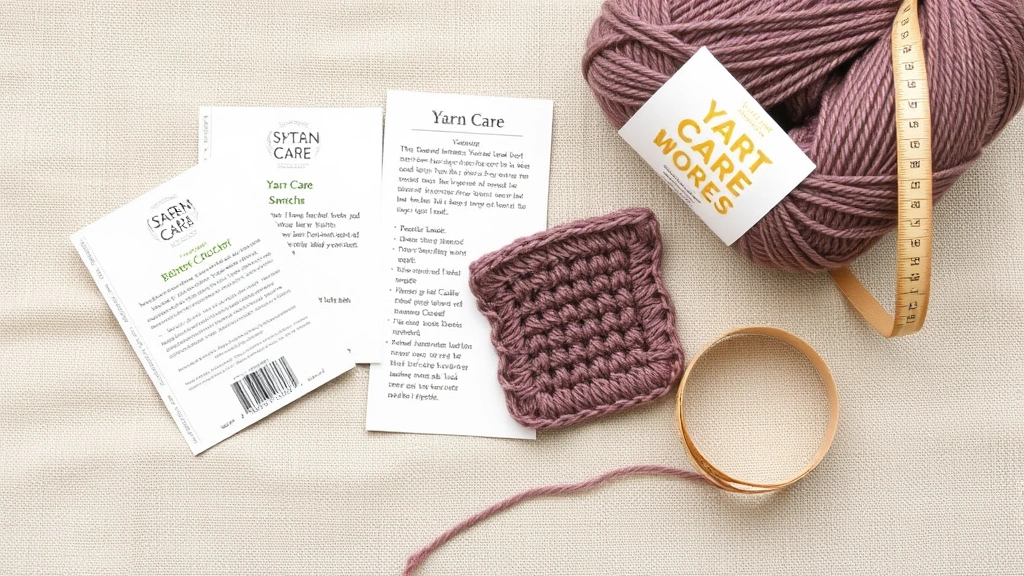
This is the part people sometimes skip, and then they’re devastated when their handmade creation gets ruined in the wash. Every yarn comes with care recommendations, and they’re there for a reason.
Some yarns are machine washable and practically indestructible—these are wonderful for items that’ll get heavy use, like baby blankets or items for kids. Others require gentle hand washing in cool water or dry cleaning only. Luxury fibers often need more careful handling. When you’re choosing yarn, think about who this project is for and how it’ll actually be used. If you’re making something for a toddler who’s going to drag it through mud, you probably want something hardy and washable, not a delicate merino blend that demands special care.
The care label also tells you about shrinkage potential, colorfastness, and whether the yarn might pill or felt. Some yarns are prone to pilling (those little fuzzy balls that form on the surface), while others are engineered to resist it. If you’re making something that’ll get a lot of friction, like a frequently-worn sweater, yarn with good pilling resistance is worth seeking out.
Matching Yarn to Your Specific Project
Now let’s get specific. Different projects have different yarn needs, and matching them correctly is what separates “I love this!” from “I’m not sure about this.”
For garments, you want to think about fit and drape. A fitted sweater needs yarn that’ll show your stitches and hold its shape—worsted weight wool or wool blends are classic choices. A flowy cardigan might benefit from something with more drape, like a lighter weight or a yarn with silk content. If you’re making something to wear close to your skin, consider softness and breathability.
For blankets and afghans, weight and warmth matter. A cozy throw might be worsted or bulky weight, while a lightweight summer blanket could be DK or sport weight. Think about who’ll use it and what climate they’re in. Acrylic is practical here because it’s washable and affordable for the yardage required.
For amigurumi (those adorable stuffed creatures), you want yarn that’s smooth enough to show off your stitches, holds its shape well, and is sturdy enough to not show the stuffing through. Acrylic works beautifully for amigurumi because it’s affordable, comes in tons of colors, and is durable enough for toys.
For lacy projects, lighter weights showcase the openwork beautifully. Fingering or sport weight lets you see the delicate patterns. Natural fibers like wool or bamboo often work well because they have enough structure to hold the lace shape.
For dishcloths and washcloths, cotton or cotton-linen blends are your friends. They’re absorbent, durable, and actually improve with washing. This isn’t the place for fuzzy or delicate yarns.
The Swatch Test That Changes Everything
Okay, this is my secret weapon, and I’m sharing it because it’s genuinely life-changing. Before committing to a big project with yarn you’re uncertain about, make a swatch. I know, swatches feel tedious, but trust me on this.
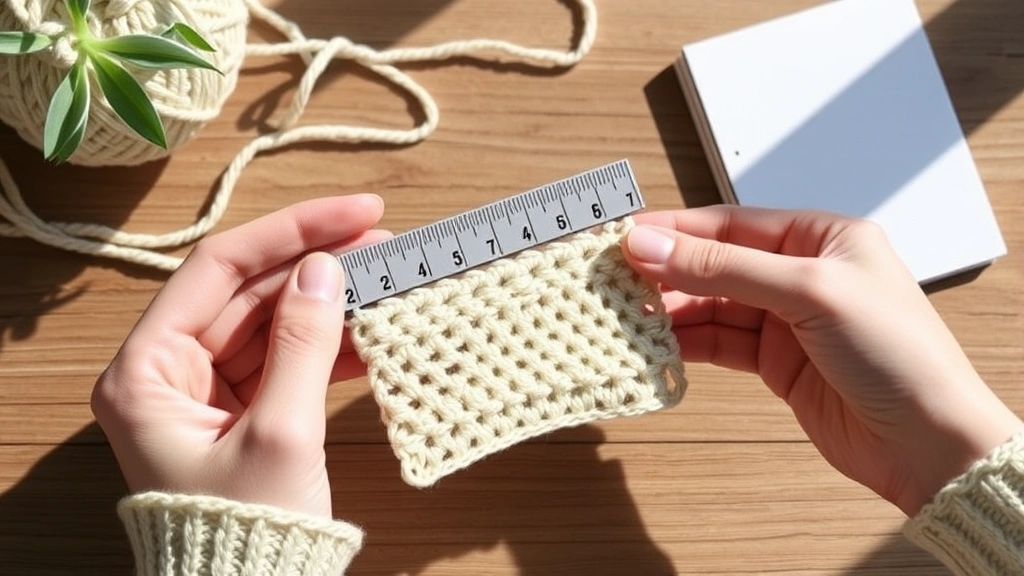
Here’s what you do: grab your yarn, use the recommended hook size, and crochet a 4-inch square using single crochet or the main stitch of your project. Then, measure your gauge (how many stitches and rows per inch), wash it the way you plan to wash your finished project, and assess what happened.
Did it shrink? Did it get softer? Did the colors bleed? Does it feel the way you hoped? This 15-minute test prevents you from spending 20 hours on a project only to discover the yarn doesn’t behave the way you wanted. Plus, swatches make excellent dishcloths or coasters—nothing wasted.
When you’re considering different fiber blends, swatching them side by side is incredibly revealing. You can actually feel the difference between that acrylic and the wool-acrylic blend. You can see how light hits the bamboo yarn compared to the cotton. This hands-on comparison is worth way more than reading descriptions online.
I also recommend keeping your swatches with notes about the yarn, hook size, fiber content, and your impressions. Over time, you’ll build this amazing personal reference library that helps you make confident choices on future projects.
FAQ
Can I substitute one yarn for another if they’re the same weight?
Weight is a good starting point, but it’s not everything. Two worsted weight yarns can behave very differently depending on fiber content, twist, and construction. Your best bet is to check yardage—if you need 800 yards and the substitute provides roughly the same yardage, you’re probably okay. But test a swatch first to see how the drape and stitch definition compare.
What’s the difference between yarn from a craft store versus a specialty yarn shop?
Craft stores typically carry acrylic and some basic wool blends—good, affordable options. Specialty yarn shops usually offer a wider range of quality fibers, expert staff who can help you problem-solve, and often a community feel. Both have their place depending on your project and budget.
Is expensive yarn always better?
Not necessarily. Expensive yarn offers qualities like softness, durability, or unique fibers, but a well-made acrylic can produce beautiful results for a fraction of the cost. Choose based on the specific project’s needs, not just price tag.
How do I know if yarn will be itchy?
Some people are sensitive to wool, but quality wool is usually less itchy than budget wool. The best test is to feel it before buying if possible, or order from retailers with good return policies. Acrylic, cotton, and bamboo are generally non-irritating options.
What if I buy too much or too little yarn?
Too much? Save it for future projects or use it for stripes or colorwork. Too little? Check your pattern for adjustments, or reach out to the pattern creator—they often have suggestions. Some crocheters also love trading yarn on community forums.
Should I always follow the pattern’s yarn recommendation?
The pattern’s recommendation is based on how the designer tested it, but you can substitute if you understand yarn weights and are willing to test a swatch. Just know that changes might affect the finished project’s appearance and fit.