Choosing Yarn for Crochet Projects: A Complete Guide to Finding Your Perfect Match
There’s something genuinely magical about walking into a yarn shop or scrolling through an online fiber supplier and seeing all those colors, textures, and weights calling out to you. But here’s the thing—I’ve watched so many crocheters (myself included, honestly) grab a skein of gorgeous yarn without thinking it through, only to realize halfway through a project that it’s totally wrong for what they’re trying to make. The yarn might be too heavy for a delicate shawl, or too thin and splitty for intricate stitch definition, or maybe it just doesn’t have the drape you need. It’s frustrating, wasteful, and honestly, it can kill your enthusiasm for a project you were genuinely excited about.
The good news? Choosing the right yarn is actually a learnable skill, and once you understand the basics—weight, fiber content, yardage, and how different yarns behave—you’ll feel so much more confident picking up a skein and knowing it’s going to work beautifully for what you’ve got in mind. I’m going to walk you through exactly how to think about yarn selection, with real examples and practical tricks I’ve picked up over years of crochet projects.
Understanding Yarn Weight and What It Really Means
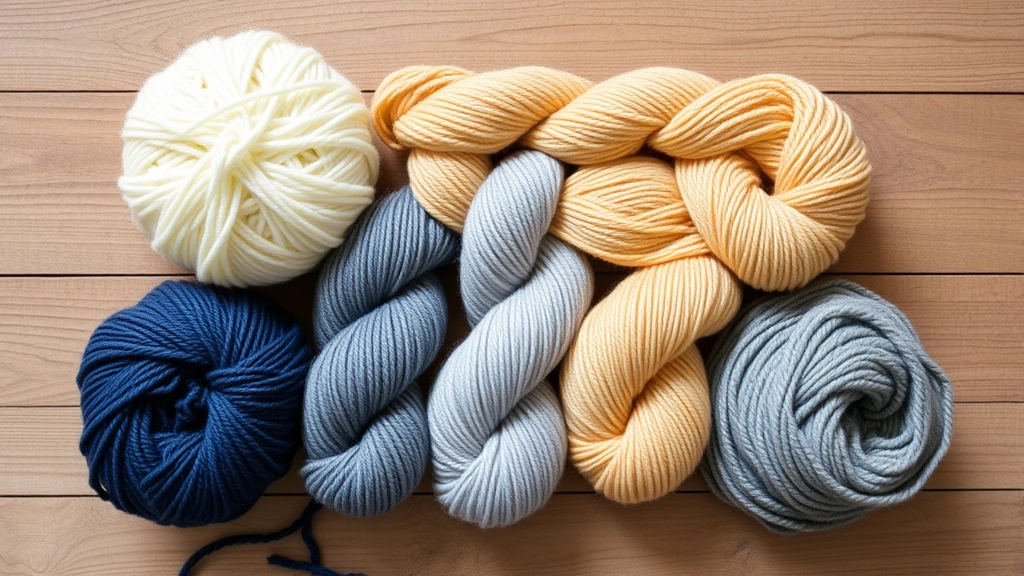
Yarn weight is probably the most important thing to understand when you’re starting to think about what to use for a project. The weight doesn’t really mean how heavy the yarn feels in your hand—it’s about the thickness of the strand and how many yards you get per pound. The Craft Yarn Council has standardized this into categories from 0 (lace) all the way up to 7 (jumbo), and honestly, this system is a lifesaver because it lets you compare yarns from different brands and manufacturers.
Let me give you some real examples of how this plays out. If you’re making a delicate lace shawl, you’re probably looking at a fingering weight (category 1) or sport weight (category 2) yarn. These are thin, which means you’ll have tons of yardage in a single skein, and you’ll see all the beautiful stitch detail you worked so hard to create. On the flip side, if you’re crocheting a chunky throw blanket and you want it done in a weekend, you’d reach for a bulky weight (category 5) or super bulky (category 6) yarn. Fewer stitches, bigger projects, faster work.
Here’s where it gets practical: always—and I mean always—check what weight the pattern calls for. If a pattern says “worsted weight” and you show up with a fingering weight yarn, you’re not just going to have a smaller project. Your gauge will be completely different, your stitch definition might look muddy instead of crisp, and you could end up with something that doesn’t fit or drape the way it’s supposed to. I learned this the hard way when I tried to substitute a sport weight yarn for worsted weight in a fitted sweater pattern. Let’s just say it ended up in the frogging pile.
Fiber Content: The Secret Behind How Your Project Feels
This is where yarn gets really personal, because fiber content isn’t just about performance—it’s about how something feels against your skin and how it behaves over time. Are you allergic to wool? Do you need something machine washable? Are you making a summer tank or a cozy winter sweater? These questions should drive your fiber choices.
Let’s talk about the main players. Acrylic yarn is affordable, comes in basically every color imaginable, and is totally machine washable. It’s perfect for practice projects, amigurumi, or anything where durability and easy care matter more than luxury feel. The downside? It doesn’t breathe as well as natural fibers, it can pill over time, and honestly, it doesn’t have quite the same elegance as wool or cotton for something like a delicate cardigan. But that doesn’t mean it’s bad—it’s just different, and sometimes different is exactly what you need.
Wool yarn is the classic choice for good reason. It’s warm, elastic (which means your stitches stay put and your finished projects keep their shape), and it has this beautiful bounce and drape that acrylic just can’t replicate. Merino wool is softer against skin than traditional wool, so if you’ve had bad experiences with scratchy sweaters, merino might be your person. The catch? It’s pricier, it usually needs hand washing, and if you or someone you’re making for has a wool allergy, you’re out of luck.
Cotton yarn is breathable, perfect for summer garments, and has a lovely stiff drape that’s ideal for structured pieces. The tradeoff is that it doesn’t have the elasticity of wool, so your stitches can look a bit looser, and it takes longer to dry after washing. I use cotton all the time for summer tanks and market bags, but I wouldn’t reach for it for a cozy sweater.
Blended yarns are where things get interesting. A wool-acrylic blend might give you the warmth and elasticity of wool at a lower price point with easier care. A cotton-acrylic blend keeps you cool but adds durability. These blends are honestly some of my favorite yarns to work with because they’re trying to solve real problems.
Yardage, Yardage, Yardage: Planning Your Project
This might sound boring, but understanding yardage is genuinely crucial, and it’s where a lot of people get stuck. Yardage tells you how much yarn you’re getting in that skein, and when you match it against what your pattern needs, you’ll know whether you can actually make the project or if you need to find something different.
Here’s how it works in practice: say you find a gorgeous worsted weight yarn you want to use for a sweater. The skein is 200 yards. You look at your pattern, and it calls for 1200 yards total. That means you need six skeins. Pretty straightforward, right? But here’s where people sometimes slip up—they see the pattern calls for “worsted weight” and assume any worsted weight will work. Not quite. Different worsted weight yarns can have wildly different yardage because of how they’re spun. One might be 190 yards per 100 grams, another might be 220. So if you’re substituting, you need to do the math.
The practical move? Always check the yardage per weight (usually grams) on the label. Compare it to the original yarn the pattern designer used. If you’re in the ballpark, you’re probably fine. If you’re off by more than 10-15%, you might want to recalculate or find a different yarn.
There’s also the question of how much yarn to buy for your own designs or modifications. This is where keeping notes gets valuable. If you’re making a simple dishcloth or basic hat, you can probably estimate. But if you’re designing something custom or sizing up a pattern, write down your gauge, your stitch count, and how many rows you needed. Over time, you’ll develop a feel for it.
Texture and Stitch Definition: What Shows Up in Your Work
Here’s something that doesn’t always get talked about enough: some yarns show off your stitches beautifully, and some kind of hide them. This matters way more than you’d think, especially if you’re working with interesting stitch patterns or if you’ve spent time perfecting your tension.
A smooth, non-textured yarn—think a basic acrylic or wool—is going to show off every stitch, every increase, every decrease. If you’re working a lacy openwork pattern, this is perfect. The stitches read clearly, and the pattern looks intentional and beautiful. But if you’re working a textured yarn with a bumpy or fuzzy surface, some of that stitch definition gets lost. That fuzzy yarn might look cozy and beautiful in the skein, but when you crochet with it, you might not see the intricate cables or bobbles you worked so hard to create.
This doesn’t mean textured yarns are bad—they’re fantastic for certain projects. A chunky, tweedy yarn for a casual sweater? Gorgeous. A soft, fuzzy yarn for a baby blanket? Perfect. But if you’re making something where the stitch work is the star, you want a yarn that’s going to let those stitches shine.
There’s also the question of splitty yarn. Some yarns—especially loosely spun or delicate ones—split easily when you crochet, which means your hook is catching individual fibers instead of the whole strand. This is frustrating, it slows you down, and it can make your finished work look a bit messy. If you know you’re prone to this, test your yarn before diving into a big project. A quick swatch will tell you everything you need to know.
Making Smart Budget Choices Without Sacrificing Quality
Let’s be real: yarn can get expensive, especially if you’re making something big or you fall in love with a luxury fiber. But you don’t need to spend a fortune to make beautiful things, and you definitely don’t need to feel guilty about budget constraints.
The honest truth is that some of the best projects I’ve made have been with mid-range acrylic yarn. I’ve also made gorgeous things with expensive merino blends. What matters is matching the yarn to the project and being intentional about where you’re spending your money.
Here’s my strategy: for practice projects, learning new techniques, or anything that’s going to get a lot of wear and tear, I’ll reach for a good-quality acrylic or acrylic blend. It’s forgiving, it’s affordable, and if I make mistakes, I’m not crying about wasting expensive yarn. For something I’m making as a gift or wearing myself, where I want it to feel special, I’ll invest in better fiber. And for everything else, I’m looking at mid-range options—good quality, reasonable price, and usually some interesting fiber content.
One smart move is to buy yarn on sale or from discount suppliers like Ravelry, where you can browse stash and find deals. You can also join local crochet groups or online communities where people sometimes share bulk purchases or sell yarn from their stash. Just be careful with secondhand yarn—make sure it’s not been stored in weird conditions or exposed to moths.
Testing Your Yarn Before You’re All In
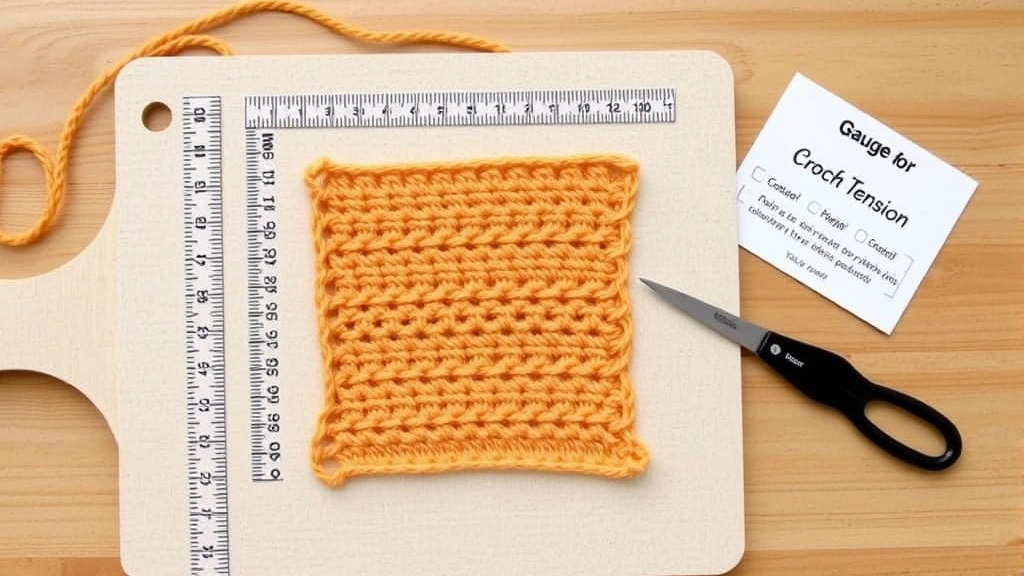
Here’s a habit that’s saved me so much frustration: always make a gauge swatch before starting a project. I know, I know—everyone says this, and it feels like a waste of time when you’re excited to get started. But trust me, fifteen minutes making a swatch can save you hours of frustration and potential frogging.
A gauge swatch does two things. First, it tells you if your tension and hook size are going to give you the right stitch size for the pattern. Second, it lets you see how the yarn behaves, how your stitches look in that particular yarn, and whether you actually like the way it feels to work with. Sometimes a yarn that looks beautiful in the skein feels weird to crochet with, or your stitches look looser or tighter than expected.
Make your swatch at least 4 inches by 4 inches using the hook size and stitch the pattern calls for. Crochet it, measure it, count your stitches and rows, and compare to the pattern’s gauge. If you’re off, go up or down a hook size and try again. And while you’re doing this, pay attention to how the yarn feels. Is it splitty? Does it have good tension? Does it feel nice in your hands? These details matter.
Common Yarn Selection Mistakes (And How to Avoid Them)
After years of watching people crochet and doing plenty of wrong things myself, I’ve seen some patterns in how people struggle with yarn selection. Let me share the biggest ones so you can sidestep them.
Mistake #1: Substituting yarn weight without adjusting the pattern. This is the most common one. Someone falls in love with a yarn that’s a different weight than the pattern calls for, assumes it’ll be fine, and ends up with a project that’s the wrong size or doesn’t drape right. The fix? Don’t assume. Calculate. If you’re substituting, figure out the yardage, check the gauge, and be prepared to adjust your pattern.
Mistake #2: Not checking care instructions. You spend weeks making a beautiful sweater, and then you accidentally throw it in the washing machine and it felts because you didn’t notice it was 100% wool. Read the label. Know what you’re working with. If you’re making something for someone else, think about whether they’re actually going to be able to care for it.
Mistake #3: Buying yarn without a plan. This is the fun mistake, honestly—the one where you buy gorgeous yarn and then spend months trying to figure out what to make with it. There’s nothing wrong with having a stash, but if you’re trying to use up yarn or stick to a budget, have a project in mind before you buy.
Mistake #4: Ignoring yardage calculations. You find the perfect yarn, buy what seems like enough, and halfway through your project, you run out. Always calculate total yardage needed and buy a bit extra. Yarn dye lots can change, and you might not be able to find the exact same color later.
Mistake #5: Working with yarn you don’t actually like. Some yarn just feels bad to work with, or the color isn’t quite right in person, or it splits constantly. Life’s too short to crochet with yarn you don’t enjoy. If something isn’t working, give yourself permission to stop and find something better.
FAQ
What’s the best yarn for beginners?
Honestly? A medium-weight acrylic in a light color. Worsted weight or bulky weight is easy to work with, acrylic is forgiving and affordable, and a light color means you can actually see your stitches instead of squinting at dark yarn under a lamp. Something like Caron Simply Soft or Red Heart Super Saver is perfect for learning.
Can I use any yarn for any project?
Technically, yes. Practically, no. You *can* make a lace shawl with bulky yarn, but it won’t look like a lace shawl—it’ll look like a chunky triangle. Match your yarn weight to your pattern, and you’ll be so much happier with the result.
How do I know if yarn is good quality?
Good quality yarn usually has consistent thickness, doesn’t shed excessively, and feels pleasant to work with. It holds its shape after blocking and doesn’t pill easily. That said, expensive doesn’t always mean better—sometimes a mid-range yarn is perfect for what you’re making.
What’s the difference between yarn and thread?
Thread is much thinner and usually made for sewing or very fine crochet work. Yarn is thicker and what most crocheters use for regular projects. If a pattern calls for thread, don’t substitute regular yarn—you’ll end up with something way too heavy and stiff.
Should I wash my yarn before using it?
Generally no, unless it’s secondhand or you have a specific reason to (like if you’re concerned about dye bleeding). Most yarn comes clean and ready to use. If you’re worried about a yarn’s dyes, make a small swatch, wash it, and see what happens.
How do I store yarn to keep it fresh?
Keep it in a cool, dry place away from direct sunlight, which can fade colors. Store it so moths can’t get to it—sealed containers or bags work great. Some people use cedar blocks or lavender sachets as natural moth deterrents. Proper storage means your stash stays beautiful for years.
What’s the deal with yarn from Yarnspirations and other big manufacturers?
They make solid, reliable yarn at reasonable prices. It’s not fancy, but it’s consistent and good for learning or making projects where you want durability over luxury feel. There’s absolutely nothing wrong with building projects around these yarns.
Can I mix different yarn brands in one project?
You can, but be careful. If you’re mixing different weights or fibers, your project might look uneven or have inconsistent drape. If you’re mixing the same weight and fiber type from different brands, you’re usually okay, but try to keep dye lots consistent so colors match.
Choosing yarn is genuinely one of the most fun parts of crochet, and once you understand what you’re looking for, it becomes so much easier to find exactly what you need for whatever you’re making. Take your time, be thoughtful about it, and don’t be afraid to test things out. Your projects—and your hands—will thank you.