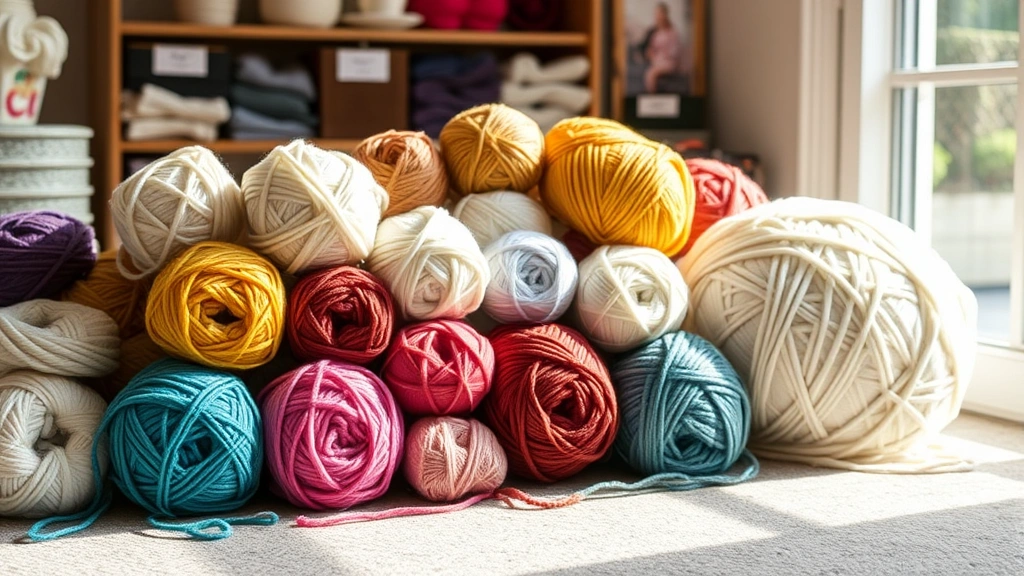
Crochet Yarn Weight Guide: Choose the Right Yarn for Your Projects
You know that feeling when you’re standing in the yarn aisle, surrounded by gorgeous colors and textures, but you have absolutely no idea which yarn weight will actually work for your project? Yeah, I’ve been there too. It’s honestly one of the most common questions I get from people just starting their crochet journey, and even experienced crafters sometimes second-guess themselves when they’re trying something new.
Here’s the thing: understanding yarn weight isn’t just about following rules—it’s about setting yourself up for success. When you pick the right yarn weight for your project, everything flows better. Your stitches look more consistent, your tension feels more natural, and you’re way less likely to end up with a sweater that looks nothing like the picture or a baby blanket that’s stiff as a board. Plus, let’s be real, there’s nothing worse than getting halfway through a project and realizing the yarn you chose is going to make it take twice as long as you expected.
What Is Yarn Weight?
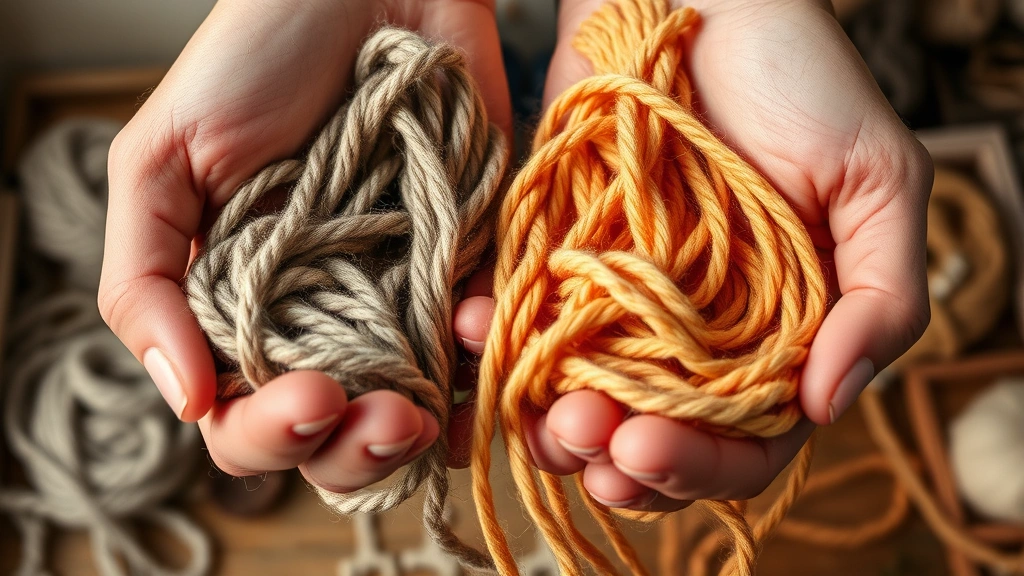
Yarn weight is basically how thick or thin a strand of yarn is. It’s not about how heavy the yarn actually feels in your hand—it’s more about the diameter of the yarn strand itself. Think of it like this: if you took a piece of yarn and measured how many wraps it would take to cover one inch, that’s essentially what yarn weight tells you.
The reason this matters so much for crochet is that yarn weight directly determines which hook size you’ll use, how many stitches you’ll need to cast on, and how your finished project will drape and feel. A delicate lace shawl needs a completely different yarn weight than a chunky winter blanket, right? Using the wrong weight means you’re fighting against the yarn instead of working with it.
What’s really helpful is that yarn manufacturers have standardized yarn weights, so you’re not just guessing. The Yarn Crafts Council has created a universal system that most yarn companies follow, which makes shopping and pattern hunting so much easier than it used to be.
The Standard Yarn Weight Scale
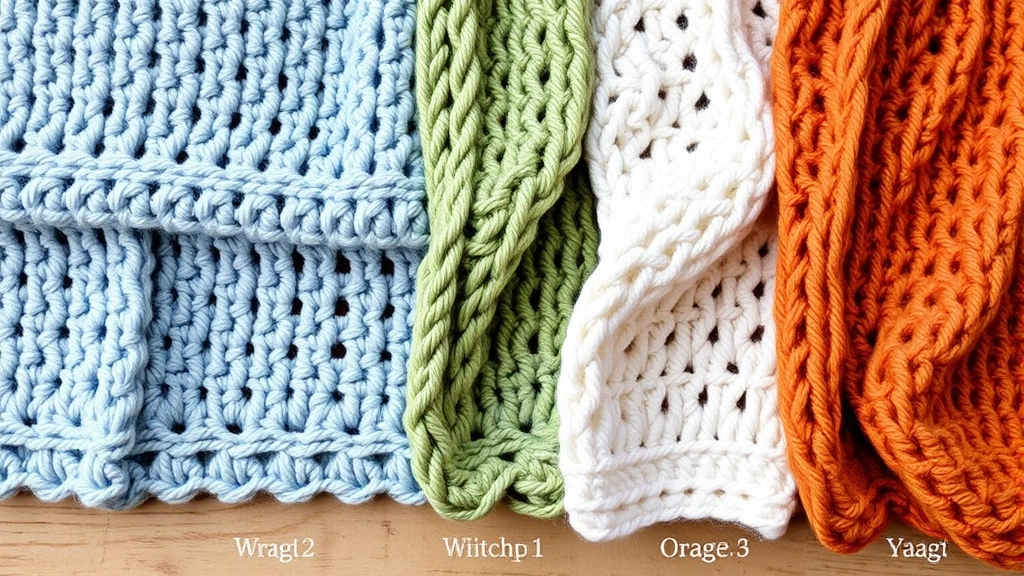
The standard yarn weight system goes from 0 to 7, and each weight has its own name, recommended hook size, and typical uses. Let me break down each one so you can really understand where they fit in the crochet world:
Lace Weight (0): This is the finest yarn you’ll typically encounter. It’s delicate, almost thread-like, and usually requires a tiny steel hook or thread crochet hook. If you’re making intricate doilies, fine shawls, or heirloom pieces, this is your yarn. Fair warning though—it takes serious patience and good lighting.
Fingering Weight (1): Still pretty delicate, but slightly thicker than lace weight. You’ll use hooks in the size 1-3 range. This is perfect for detailed socks, fine amigurumi, and intricate colorwork pieces. It’s challenging but incredibly rewarding.
Sport Weight (2): Now we’re getting into territory that’s more manageable for everyday projects. Sport weight works with hooks around size 3-5 and creates a nice drape. It’s excellent for baby items, lightweight garments, and anything where you want detail without the stress.
DK/Light Worsted (3): This is my go-to for so many projects. It’s versatile, widely available, and works beautifully with hooks in the 5-7 range. You’ll see DK weight recommended for sweaters, shawls, and blankets constantly. It’s the sweet spot between speed and detail.
Worsted Weight (4): Probably the most popular yarn weight out there. Worsted is thick enough to work up quickly but still fine enough for detail. Hooks typically range from 7-9. This is what you’ll find in most beginner patterns, and honestly, there’s a reason for that—it’s just so darn satisfying to work with.
Bulky Weight (5): Now we’re talking chunky and cozy. Bulky yarn uses hooks around 9-11 and creates projects super fast. Perfect for quick gifts, chunky blankets, and anything you want to finish this weekend.
Super Bulky (6): This is serious business. Super bulky yarn might use hooks size 11 and up and creates projects in record time. It’s amazing for statement blankets, oversized scarves, and that satisfying feeling of progress.
Jumbo (7): The thickest of the thick. Jumbo yarn sometimes uses your fingers or giant needles instead of traditional hooks. It’s trendy, fun, and perfect for those moments when you want instant gratification.
How Yarn Weight Affects Your Projects
Here’s where understanding yarn weight really pays off: it affects literally everything about your finished project. Let me walk you through the different ways weight impacts your work.
Drape and Fabric: Lighter weight yarns create fabric with more drape and flow. That’s why you see fingering or sport weight recommended for shawlettes and garments meant to move beautifully. Heavier yarns create stiffer, more structured fabric. A sweater made in bulky weight will hold its shape differently than one made in DK weight, and that’s not good or bad—it’s just different.
Project Timeline: This one’s huge. A blanket in fingering weight might take you months, while the same blanket pattern in super bulky weight could be done in a weekend. If you’re someone who needs that sense of completion to stay motivated, heavier yarns are your friend. If you love the meditative process and don’t mind a long-term project, lighter weights work beautifully.
Stitch Definition: Lighter yarns show stitch detail more clearly. If you’re doing intricate colorwork or complicated stitch patterns, you generally want to go lighter because heavier yarn can obscure those beautiful details you worked so hard on. Conversely, simple stitch patterns work great in heavier weight because the yarn itself becomes part of the visual interest.
Warmth and Weight: This might seem obvious, but it’s worth mentioning. A blanket made in fingering weight will be lighter and more breathable, perfect for layering or warmer climates. A bulky weight blanket will be heavier, warmer, and feel cozier—but it’ll also take up more space in your closet.
When you’re choosing a yarn for a specific project, think about all these factors. What’s the purpose of what you’re making? How do you want it to feel? How quickly do you want to finish? Your answers to these questions should guide your weight selection.
Reading Yarn Labels Like a Pro
Okay, so you’re in the yarn shop or browsing online, and you’ve found something gorgeous. Now what? The yarn label is your best friend. Let me show you exactly what to look for.
The Weight Symbol: Most yarn labels have that standard weight icon—it’s usually a number in a ball symbol. Look for that first. It’ll tell you the official weight category. If you don’t see it, look for the weight name written out (worsted, bulky, etc.).
Yardage and Weight: This is crucial. The label will tell you how many yards (or meters) are in the ball and how much the ball weighs. This info helps you figure out if you have enough yarn for your project. You want to focus on yardage more than weight—a lighter yarn might weigh less but have more yardage.
Recommended Hook Size: Most labels suggest a hook size range. This is a starting point. You might want to go up or down a size depending on your tension and the effect you want, but the label gives you a solid foundation.
Fiber Content: This matters more than people realize. Lion Brand’s fiber guide is fantastic for understanding how different fibers behave. Acrylic behaves differently than wool, which behaves differently than cotton. This affects how your project will feel, how it’ll wash, and how durable it’ll be.
Care Instructions: Always check these. Some yarns are machine washable, others need hand washing, and some need to be dry cleaned. This info is super important if you’re making something that needs regular cleaning (like a baby blanket or kitchen towels).
Dye Lot: If you’re buying multiple balls for a project, try to get the same dye lot. Different dye lots can have slightly different colors, and you might notice the difference in your finished piece. It’s not always a dealbreaker, but it’s worth being aware of.
Matching Yarn Weight to Your Pattern
Here’s where a lot of people get confused: what if you love a pattern but the recommended yarn isn’t available or doesn’t match your vision? Don’t panic. You can absolutely work with different yarn weights, but you need to understand the math behind it.
Most patterns tell you the recommended yarn weight and yardage needed. If you want to substitute a different weight, you need to think about how that change affects the project. A sweater pattern calling for 1200 yards of worsted weight might need 1500-1600 yards of DK weight (because it’s thinner) or 900-1000 yards of bulky weight (because it’s thicker).
Here’s a practical approach: find the pattern on Ravelry and scroll through the project photos. See what other people made it with. If someone made your pattern in a different yarn weight, they’ve already figured out the adjustments for you. Check their notes to see if they changed anything about the pattern or just went for it.
When you’re substituting yarn weights, also think about the final product. If you’re making a fitted sweater and you go two weights heavier, it might be too bulky and lose its shape. If you go too light, it might look too delicate for what you intended. The way yarn weight affects your projects becomes really important here.
My advice? If it’s your first time working a pattern, stick with the recommended weight. Once you understand how the pattern works and what the finished project should look like, then you can experiment with substitutions.
Common Mistakes and How to Avoid Them
After years of crocheting and helping other people troubleshoot their projects, I’ve seen some patterns emerge. Let me share the mistakes I see most often so you don’t have to make them yourself.
Mistake #1: Confusing Yarn Weight with Yarn Thickness: I know I mentioned this earlier, but it bears repeating. A yarn labeled as worsted weight might look thicker or thinner depending on how it’s plied and what fiber it’s made from. Always check the label and the recommended hook size, not just how the yarn looks to you.
Mistake #2: Ignoring the Yardage: This is huge. Two different brands might both sell “worsted weight,” but one ball might have 180 yards and another might have 220 yards. If you’re following a pattern that calls for 1000 yards and you calculate that you need six balls, you might end up short if you pick the lower-yardage option. Always, always check yardage.
Mistake #3: Not Considering Your Tension: Yarn weight is just a guideline. Your personal tension affects how tight or loose your stitches are, which affects how much yardage you’ll need and how your finished project will look. If you’re a tight crocheter, you might need to go up a hook size from what the label recommends. If you’re loose, you might need to go down. Do a gauge swatch before starting any fitted project.
Mistake #4: Picking Weight Based on Color Alone: I get it—you see the most gorgeous color and you want to use it. But if that color only comes in a weight that doesn’t work for your project, you’re setting yourself up for frustration. Consider the weight alongside the color and fiber content.
Mistake #5: Assuming All Weights Work for All Projects: Just because you love bulky yarn doesn’t mean it’s right for every project. A delicate amigurumi doesn’t work well in super bulky yarn. A chunky blanket won’t look good in fingering weight. Match the weight to the project, not the other way around.
Tips for Substituting Yarn Weights
Okay, so you want to substitute yarn weights. I’m going to give you a framework for doing this successfully.
Step 1: Understand the Yardage Math
First, figure out how much yardage you need. If the pattern calls for worsted weight and you have DK weight, you’ll typically need about 25-30% more yardage. If you’re going to bulky, you’ll need about 20-25% less. These aren’t exact—different fiber contents affect this—but they’re good starting points.
Step 2: Swatch and Measure
Make a gauge swatch with your new yarn using the hook size the label recommends. Measure how many stitches and rows you get in four inches. Compare this to what the pattern calls for. If your gauge is off, adjust your hook size until you match the pattern’s gauge. This is especially important for fitted garments.
Step 3: Calculate Your Finished Size
Remember that changing yarn weight will change how your project drapes and feels. A sweater in bulky weight will be stiffer and warmer than one in DK weight. Think about whether this change aligns with what you want.
Step 4: Test with a Small Section
If you’re nervous about a big substitution, make a swatch or a small part of the project first. See how it looks, how it feels, and whether you’re happy with it before committing to the whole thing.
Step 5: Keep Notes
Write down what you changed, what yarn you used, and how it turned out. Future you will thank you when you’re looking back at your projects and trying to remember why something worked or didn’t work.
Understanding what yarn weight is and how to work with different weights opens up so many possibilities. You’re not locked into using exactly what a pattern recommends—you’re empowered to make choices that work for your style, your timeline, and your vision.
FAQ
What’s the difference between yarn weight and yarn thickness?
Yarn weight is the standardized measurement system based on how many wraps of yarn fit in one inch. Yarn thickness is how it looks and feels to your eye. A loosely plied worsted weight might look thinner than a tightly plied DK weight, even though the DK weight is technically lighter. Always go by the weight label, not appearance.
Can I use a heavier yarn with a smaller hook to make it work?
Technically yes, but it’s not ideal. Using a much smaller hook than recommended will create very tight, dense fabric that’s hard to work with and might not have the right drape or feel. It’s better to find yarn that’s closer to what the pattern calls for.
How do I know if I have enough yarn?
Check the yardage on your yarn label and compare it to what the pattern requires. If you’re close but not quite there, you can sometimes adjust the pattern slightly (make it a bit smaller, use a lighter yarn for edging, etc.). Many patterns have notes about yardage flexibility.
Is there a best yarn weight for beginners?
Worsted weight (4) is generally recommended for beginners because it’s fast enough to see progress, forgiving enough that small mistakes aren’t super noticeable, and widely available in tons of colors and prices. That said, understanding the standard yarn weight scale helps you pick what works for your specific situation.
What if my pattern doesn’t list yarn weight?
Older patterns sometimes don’t use the standard weight system. Look for the recommended hook size and yardage, then check what weight typically uses that hook size. You can also take a photo of the recommended yarn to the shop and find something similar, or check Yarnspirations for similar patterns that do use the standard system.
Why does the same yarn weight look different in different colors?
Darker colors can look thicker than lighter colors because of how light reflects off them. This is just visual perception—the yarn weight is still the same. The label will tell you the truth.