Crochet Yarn Weight Guide: Choose the Right Fiber for Every Project
Look, I get it. You’re standing in front of a yarn wall—or scrolling through an online store—and there are like a million options staring back at you. Lace weight, fingering, sport, worsted, bulky, jumbo… it’s enough to make anyone’s head spin. But here’s the thing: understanding yarn weight isn’t some complicated math problem. It’s actually the key to making projects that turn out exactly how you imagined them, fit the way they should, and don’t end up in the donation pile because they’re either tiny doll clothes or oversized ponchos.
I’ve been crocheting for years, and I can tell you that choosing the right yarn weight has saved me from so many project disasters. When you match your yarn weight to your pattern and your vision, everything clicks into place. Your stitches look better, your tension becomes more forgiving, and honestly? The whole process feels less stressful. Let’s walk through this together so you can shop with confidence and start making things you’re genuinely excited about.
What Is Yarn Weight and Why It Matters
Yarn weight is basically the thickness of the strand you’re working with. It’s measured by how many yards (or meters) you get per pound of yarn. Thinner yarns have more yardage, while thicker yarns have less. This matters because it affects everything: how fast your project grows, what it looks like when it’s finished, how it drapes, and how warm or breathable it’ll be.
Here’s a practical example. If you grab a fingering weight yarn and a bulky yarn, the fingering weight might give you 400+ yards per 100 grams, while bulky might only give you 100-150 yards. That means with the same amount of yarn, you could make a whole sweater with fingering weight or just a chunky cowl with bulky. The needle size matters too—thinner yarns use smaller hooks, thicker yarns use bigger hooks. Your hook size directly impacts your stitch definition and fabric drape.
When you understand yarn weight, you’re not just following a pattern blindly. You’re making informed decisions about what’ll work for your lifestyle, your climate, and your actual skill level. Someone new to crochet often finds that worsted weight yarn is way more forgiving than fingering weight because the stitches are bigger and easier to see.
The Official Yarn Weight Categories
The Craft Yarn Council established a standard system with seven main yarn weight categories. Let me break down each one so you know exactly what you’re working with:
0 – Lace Weight: Super delicate, usually 400+ yards per 100g. Think doilies, shawls, and intricate lace patterns. Requires patience and good lighting. If you’re just starting out, maybe skip this for now—but check out our guide to matching yarn weight to projects when you’re ready to explore.
1 – Fingering Weight: Around 350-400 yards per 100g. Perfect for socks, baby items, and detailed colorwork. The stitches are small and precise, which means your tension skills really matter here. This is where a lot of people discover they love intricate patterns.
2 – Sport Weight: Approximately 250-350 yards per 100g. A beautiful middle ground for baby clothes, shawlettes, and lightweight garments. It’s more forgiving than fingering but still gives you nice stitch definition.
3 – DK/Light Worsted: Around 200-250 yards per 100g. Super versatile for sweaters, blankets, and everyday projects. This is honestly my go-to recommendation for people trying to master their tension.
4 – Worsted/Aran: Roughly 180-220 yards per 100g. The most common weight you’ll find in stores. Great for blankets, afghans, hats, and basically everything. If you’re buying yarn at a big box craft store, it’s probably worsted weight. This is the weight I recommend when people ask what to learn on first.
5 – Bulky/Chunky: Around 90-150 yards per 100g. Projects grow super fast—hello, instant gratification! Perfect for cozy scarves, thick blankets, and chunky sweaters. Your hooks are bigger, your stitches are bigger, and honestly, it’s harder to mess up tension-wise.
6 – Super Bulky: Roughly 50-100 yards per 100g. You can finish a scarf in an evening. The trade-off? Your stitch definition is less detailed, and you need to be more intentional about your pattern choice.
7 – Jumbo: Less than 50 yards per 100g. These are those super chunky, trendy blankets that everyone’s making. Fun and fast, but limited pattern options.
How to Read Yarn Labels
Every ball of yarn has a label (usually wrapped around it), and it’s basically your instruction manual. Let me walk you through what you’re actually looking at:
- Fiber content: This tells you what the yarn’s made from—wool, acrylic, cotton, blends, etc. Different fibers behave differently when you’re crocheting. Wool stretches more, cotton’s less forgiving, acrylic’s budget-friendly but can be slippery.
- Weight category: Look for the number (0-7) and the name. This should match your pattern.
- Yardage/meterage: How much yarn you’re actually getting. This is crucial for calculating if you have enough for your project.
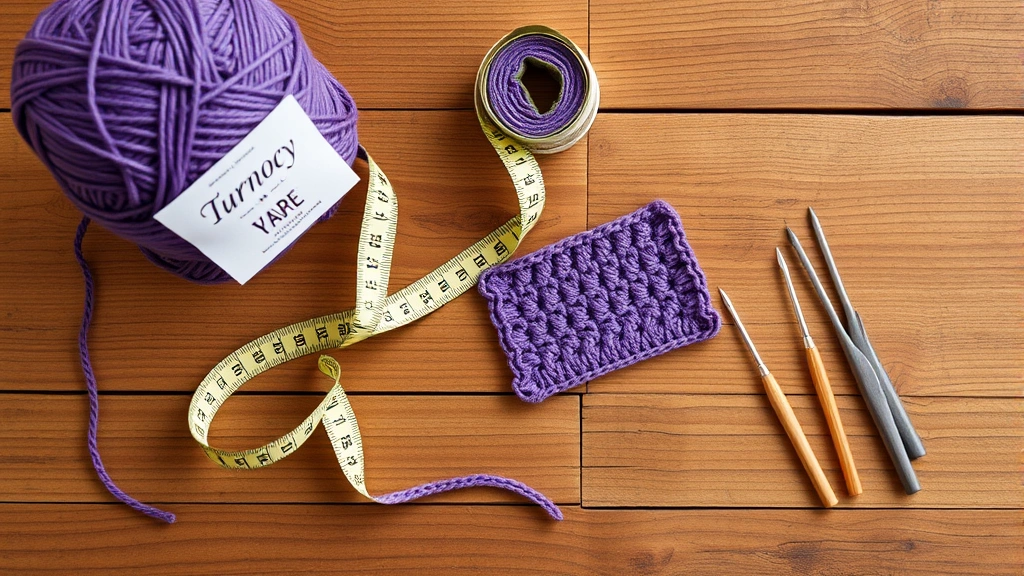
- Recommended hook size: The label suggests what hook works best with this specific yarn. It’s a starting point—your tension might need adjustment.
- Care instructions: Wash temperature, whether you can tumble dry, etc. Super important if you’re making gifts or things you’ll wash regularly.
- Dye lot: All the yarn from the same dye lot should match perfectly in color. If you need multiple balls, try to get the same dye lot.
- Manufacturer and fiber name: Helpful for reordering or finding similar yarn later.
Pro tip: Take a photo of the label before you start your project. I can’t tell you how many times I’ve needed to reference it mid-project or when I’m about to wash something.
Matching Yarn Weight to Your Project
This is where it gets fun because now you’re actually making strategic choices. Different projects benefit from different weights, and understanding why helps you make things that’ll actually get worn or used.
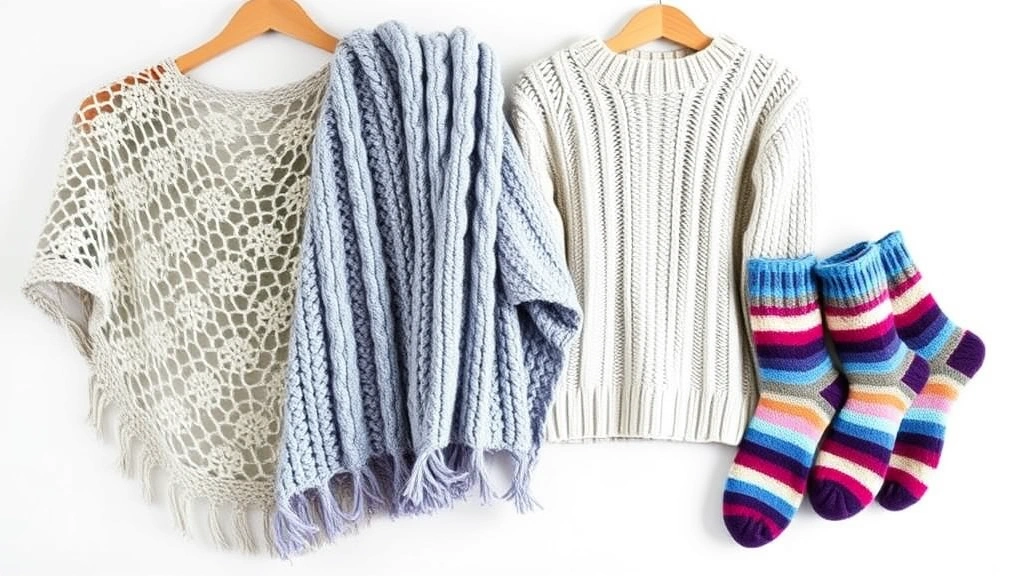
Blankets and Afghans: Worsted to bulky weight is your sweet spot. You want good drape and warmth without the project taking forever. If you’re making a baby blanket, consider going down to DK or sport weight so it’s lighter and more delicate. Jumbo weight can work if you want an absolutely massive statement piece, but be prepared for it to be heavy.
Sweaters and Cardigans: This is where weight gets really personal. DK and light worsted give you beautiful stitch definition and a more fitted look. Worsted weight is perfect for everyday sweaters with good structure. Go up to bulky only if the pattern specifically calls for it or you want an oversized, cozy vibe. The weight affects how the garment hangs on your body, so it matters.
Hats: Worsted weight is classic and reliable. Bulky weight works great if you want a quick, chunky beanie. Sport weight gives you a lighter hat that’s perfect for spring. Fingering weight is gorgeous for colorwork hats but requires more patience.
Socks: Fingering weight is traditional for a reason—the gauge is right, the yardage works out perfectly, and the finished socks fit properly. You can use sport weight, but you’ll need to adjust your pattern expectations.
Scarves: Honestly? Almost any weight works. Lace or fingering gives you an elegant, drapey scarf. Worsted is classic. Bulky or super bulky makes a statement and finishes fast. Consider your climate and who’s wearing it.
Amigurumi (stuffed toys): Lighter weights (sport, DK, or fingering) give you better stitch definition so your finished creatures look polished. Worsted works but can look less refined. Never go bulky for amigurumi unless you want giant, chunky toys.
Common Mistakes and How to Avoid Them
I’ve made these mistakes, you’ve probably made these mistakes, and honestly, making them is how we learn. But maybe we can skip some of the frustration.
Substituting without checking yardage: This is huge. You can’t just swap one worsted weight for another worsted weight without checking yardage. One might have 200 yards per 100g while another has 220. Over a whole project, that adds up. Always verify your total yardage before you buy.
Ignoring recommended hook size: Yes, you can crochet with a smaller hook and create a denser fabric. But if the pattern says use a size J hook with this yarn and you use a G, your finished project will be completely different. Your gauge will be off, and everything’ll be too small. Check out our yarn substitution guide for how to adjust properly.
Mixing weights in the same project: Sometimes you want to—like doing a striped blanket with different weights for visual interest. But if you do this accidentally (grabbed the wrong ball), your blanket will look wonky. Stripes won’t be even, and your tension will show.
Not testing your yarn before committing: Grab a skein, work a swatch, wash it if you’re going to wash the final project. See how it behaves. Does it felt? Does it split easily? Is it scratchy? This is your chance to know before you’re 10 hours in.
Choosing weight based on color alone: That gorgeous yarn might only come in sport weight, but you need worsted for your pattern. Don’t force it just because you love the color. Find a similar color in the right weight, or choose a different pattern. Your finished project will thank you.
Substituting Yarn Weights Like a Pro
Sometimes you find yarn you love, but it’s not the exact weight your pattern calls for. Or you’ve got yarn in your stash that’s perfect but slightly different. Here’s how to make it work:
The math: Yardage is your north star. Calculate how many yards you need for your project. If the pattern calls for 1000 yards of worsted weight (roughly 9 skein at 100g each), you need 1000 yards of your substitute yarn, regardless of weight. The weight might affect how your finished project looks, but at least you’ll have enough yarn.
Hook size adjustment: If you’re going lighter (say, from worsted to DK), you might go down a hook size to maintain similar gauge. If you’re going heavier (bulky instead of worsted), you’d go up a hook size. This is where a gauge swatch becomes your best friend. Crochet 4 inches, measure it, and see if it matches your pattern’s gauge requirement.
Drape and structure changes: Lighter yarns drape differently than heavier ones. A sweater in fingering weight will have completely different movement than one in bulky weight, even with the same stitch pattern. This isn’t bad—it’s just different. Make sure you’re okay with that.
Project feasibility: Some substitutions just don’t work. You can’t make a lacy shawl with super bulky yarn and expect the same result. You can make it, but it’ll be chunky and less impressive. Know when a substitution is just for fun and when it genuinely won’t work.
Budget-Friendly Yarn Weight Shopping
Yarn can get expensive, especially if you’re working on multiple projects. Here’s how to shop smart without sacrificing quality:
Understand what you’re paying for: Expensive yarn isn’t always better. Sometimes you’re paying for a fancy brand name, sometimes for luxury fibers like merino or alpaca, sometimes for indie dyers. Budget yarn can be absolutely beautiful. The Craft Yarn Council has resources to help you compare values across different brands.
Buy worsted weight in bulk: Worsted is the most affordable weight in most stores, and it’s the most versatile. Building your stash with worsted-weight basics means you’re always ready for projects. Save luxury weights for special makes.
Check online marketplaces: Ravelry has a yarn database where you can search by weight, price, and fiber content. You can also find discontinued yarn deals. Yarnspirations offers free patterns and often features affordable yarn options.
Join crochet communities: Local crochet guilds and online groups often share where they find yarn sales. People are genuinely excited to help you find deals. The Crochet Guild of America connects you with local chapters and resources.
Consider fiber content for longevity: Cheap acrylic yarn is fine for practice projects or gifts you’re not worried about. But if you’re making something you’ll keep forever, investing a bit more in quality fiber (merino, cotton blends, wool) means it’ll look good and wear well for years. It’s actually budget-friendly in the long run.
Buy what you need: It’s tempting to stock up on every gorgeous color, but yarn takes up space and money. Buy for projects you’re actually going to make in the next few months. If you find yourself with stash anxiety, that’s a sign you’ve got too much.
Here’s a real talk moment: I used to buy yarn constantly and felt guilty about my stash. Then I realized I was buying aspirational yarn—yarn for projects I thought I should make rather than projects I actually wanted to make. Now I’m intentional. I choose weight, fiber, and color based on something I’m genuinely excited about. My projects finish faster, I’m happier with the results, and I don’t feel overwhelmed. You can do this too.
FAQ
Can I use any hook size with any yarn weight?
Technically, yes. Practically, no. Your hook size determines your gauge (how many stitches per inch). If you use a hook that’s too small, your fabric will be dense and stiff. Too large, and it’ll be loose and floppy. The recommended hook size on the yarn label is a starting point. If your gauge doesn’t match your pattern, adjust up or down.
What’s the difference between yarn weight and yarn thickness?
Yarn weight refers to the yardage per weight (yards per 100g). Yarn thickness is literally how thick the strand is. They’re usually related but not always. Some yarns are fluffier (thick but light), others are dense (thinner but heavy). This is why yardage matters more than just looking at the yarn.
Is worsted weight always called worsted?
Nope. Manufacturers use different names: worsted, aran, medium, #4, all-purpose. This is why checking the weight number (not just the name) on the label is important. Look for that number 0-7 designation.
Can I mix different yarn weights in one project?
Yes, intentionally. No, accidentally. If you’re deliberately creating stripes or color blocks with different weights, plan for it. Your pattern will look different, and you need to account for that in your design. If it’s an accident, you’ll notice—the texture and drape will be off.
What weight is best for beginners?
Worsted weight, hands down. It’s affordable, widely available, forgiving with tension, and your stitches are big enough to see and fix mistakes easily. Once you’re comfortable with worsted, explore other weights. You’ll appreciate the nuances more.
How do I know if I have enough yarn?
Check the yardage requirement in your pattern. Weigh your yarn if it’s not labeled, or look up the specific yarn online. Calculate total yardage. If you’re close but not quite there, consider a slightly smaller size or a pattern that uses less yardage. Better safe than sorry.
Does yarn weight affect how long a project takes?
Absolutely. Heavier weights work up faster because each stitch covers more area. Lace weight takes forever because you’re working with such thin yarn. If you’re impatient (no judgment—I am too), go bulky. If you love the meditative process, fingering weight is your friend.