Choosing the Right Yarn for Your Crochet Projects: A Practical Guide
Let’s be real—standing in front of a yarn store wall can feel absolutely overwhelming. You’ve got your project vision in mind, maybe you’ve already picked out a gorgeous pattern, and then you’re faced with what feels like a million options in different colors, weights, and fibers. It’s easy to just grab whatever’s on sale or what catches your eye, but here’s the thing: choosing the right yarn can make or break your entire crochet experience. I’ve been there, picking up the wrong weight halfway through a project and realizing I’d need to start over. Not fun.
The good news? Once you understand the basics of yarn selection, you’ll feel so much more confident walking into a shop or browsing online. You’ll know exactly what you need, why you need it, and how it’s going to work with your hands and your project timeline. This guide walks you through everything—from understanding yarn weights and fiber content to matching yarn to your specific crochet project and skill level.
Understanding Yarn Weights and Sizes
Yarn weight is probably the most important thing you’ll learn about yarn selection, and honestly, it’s simpler than it sounds. Yarn weight refers to how thick or thin the yarn is, and it’s standardized so you can compare across brands. The Craft Yarn Council has established a system that goes from 0 (lace) all the way up to 7 (jumbo), but most everyday crocheters work with weights 1 through 5.
Here’s a quick breakdown of the most common weights you’ll encounter:
- Lace (0) and Fingering (1): These are super thin, delicate yarns. They’re gorgeous for intricate shawls and detailed garments, but they require patience and smaller hook sizes. If you’re just starting out, I’d honestly skip these for now.
- Sport (2) and DK/Light Worsted (3): These are medium-light weights that work beautifully for baby items, lightweight sweaters, and accessories. They give you nice drape and detail without taking forever to complete.
- Worsted/Aran (4): This is the sweet spot for most crocheters. It works up quickly, it’s forgiving, and there’s an absolutely massive selection available. Most beginner patterns call for worsted weight.
- Bulky (5) and Super Bulky (6+): These are your speed-demon yarns. They’ll finish a project in a weekend, but they show every stitch and mistake more visibly. Great for cozy blankets and chunky scarves.
The weight you choose directly impacts your hook size, your finished fabric’s drape, and how quickly your project comes together. A thicker yarn with a larger hook means fewer stitches and faster progress. A thinner yarn means more stitches, more time, but potentially more intricate detail. There’s no “best” weight—it’s all about what you’re making and what fits your timeline.
When you’re looking at a pattern, always check what weight it calls for. Don’t try to substitute a bulky yarn for a DK weight just because you have it on hand. Your finished project won’t look right, and you’ll probably run into tension and sizing issues.
Fiber Content and What It Means for Your Project
Here’s where yarn gets really personal. The fiber your yarn is made from affects how it feels in your hands, how it behaves as you crochet, how it looks when finished, and how you’ll care for it. Let me walk you through the most common options:
Acrylic Yarn is affordable, comes in a ridiculous range of colors, and is super easy to care for. You can throw acrylic projects in the washing machine, which makes it perfect for baby items, toys, and anything that’ll get heavy use. The downside? It doesn’t have the same warmth or breathability as natural fibers, and it can feel a bit plasticky if it’s lower quality. For practicing new stitches or making gifts for people with sensitive skin or allergies, acrylic is your friend.
Wool is the classic choice for good reason. It’s warm, it has beautiful elasticity, it holds its shape, and it has this wonderful feel in your hands. The problem is that many wools need to be hand-washed, and some people are sensitive to it. Superwash wool solves the washing issue and is totally worth seeking out if you want the benefits of wool without the care hassle. Ravelry has amazing community reviews where folks talk about how different yarns perform and wash.
Cotton and Linen are perfect for summer projects. They’re breathable, they don’t hold heat, and they have a lovely drape. Cotton can be a bit stiff when you’re working with it, but it softens with washing. These fibers are ideal for amigurumi, dishcloths, and lightweight garments meant for warm weather.
Blends are where things get interesting. A wool-acrylic blend gives you the durability and affordability of acrylic with some of wool’s warmth and elasticity. A cotton-acrylic blend is easier to care for than pure cotton while keeping that breathable quality. Understanding what you’re blending and why helps you make smarter choices.
One practical tip: when you’re choosing yarn, hold it in your hands for a minute. How does it feel? Does it make you want to crochet with it, or does it feel scratchy and unpleasant? You’re going to spend hours with this yarn, so if it doesn’t feel good, keep looking. Life’s too short to crochet with yarn you don’t enjoy.
Matching Yarn to Your Crochet Pattern
This is where everything comes together. Your pattern is your roadmap, and the yarn you choose has to match that roadmap.
First, look at what your pattern recommends. A well-written pattern will specify the yarn weight, the yardage needed, and often the recommended fiber content. This isn’t a suggestion—it’s based on the designer’s calculations for how your finished project should look, fit, and behave. If you ignore this, you’re basically saying “I know better than the person who spent hours designing and testing this,” and usually, you don’t.
But here’s where you get creative: you can absolutely substitute yarns as long as they’re the same weight and have a similar fiber content. If a pattern calls for worsted weight wool, you could use a worsted weight wool-acrylic blend, or a different brand of worsted weight wool. What you can’t do is swap in a different weight and expect success. That’s like trying to follow a recipe for chocolate chip cookies but using flour instead of sugar. It’s not going to work.
Before you commit to a big project with a yarn you’ve never used, check out what others have done. Ravelry is invaluable here—you can see photos of the exact pattern made with different yarn choices, read reviews about how specific yarns performed, and even find notes from other crocheters about what they’d do differently.
When you’re working on a garment or wearable, fiber content becomes even more important. You want something that’ll be comfortable against skin, that’ll hold up to regular wearing and washing, and that matches the intended use. A summer tank top in scratchy acrylic is nobody’s idea of a good time, but a cozy winter sweater in a soft merino blend? That’s the dream.
Budget, Yardage, and Project Planning
Let’s talk about the real stuff: money and time. Yarn can get expensive, and bigger projects require more of it. Understanding yardage and how to calculate what you actually need saves you from both running out halfway through and overbuy by accident.
Every ball or skein of yarn has a yardage label. This tells you exactly how many yards (or meters) you’re getting. Your pattern will also specify total yardage needed. If a pattern needs 1,500 yards and you’re looking at yarn with 220 yards per ball, you need roughly seven balls. But here’s the thing—always buy an extra ball or two, especially if you’re new to a project type. You might make tension adjustments, you might want to add a border, or you might make a mistake that requires frogging back. Having that buffer is worth it.
Price varies wildly based on fiber content and brand. Acrylic might be $2-5 per ball, while luxury fibers like alpaca or merino can run $10-20 or more. A big project in luxury yarn can easily cost $50-150+. That’s not bad when you think about how many hours you’re putting in and how long the finished piece will last, but it’s worth planning for.
Here’s my real talk: you don’t need expensive yarn to make beautiful things. Some of my favorite projects have been made with affordable acrylic or cotton blends. What matters is that you’re making something with your own hands that you love. That’s the value right there. If budget is tight, choose projects that don’t need tons of yardage, or look for sales and yarn discounts at Yarnspirations and other pattern sites that often feature budget-friendly project ideas.
When you’re planning a project, factor in time too. A chunky yarn project might take 15-20 hours. A fingering weight lace shawl might take 100+ hours. Both are beautiful, but one fits into your life better depending on where you are right now. Be honest with yourself about how much time you actually have to dedicate to crochet, and choose projects that match your reality.
Yarn Quality and Where to Shop
Not all yarn is created equal, and quality varies even within the same fiber type. Higher quality yarn has more consistent thickness, better color, and better durability. It also feels better in your hands and holds its shape longer after you’re done crocheting.
Where you shop makes a difference too. Local yarn shops are absolute treasures. The staff usually knows their stuff, they can help you match yarn to projects, they often have knowledgeable communities, and they’ll let you feel and compare yarns before buying. Plus, you’re supporting small business. Online shops offer convenience and often wider selection. Ravelry is fantastic for finding specific yarns and reading reviews from real crocheters.
Reputable yarn brands include Caron, Red Heart, Lily, Bernat, and Lion Brand for budget-friendly options, and Cascade, Malabrigo, and Rowan for higher-end choices. But honestly, there are amazing indie dyers and smaller yarn companies doing incredible things. Following Ravelry forums and blogs helps you discover gems you might not find in stores.
A few shopping tips: check the label carefully for yardage, fiber content, care instructions, and dye lot. The dye lot is important—yarn from different dye lots can look slightly different in color, so if you’re buying multiple balls, try to get the same dye lot. If you can’t, you can strategically place the color variations so they’re less noticeable.
Testing and Swatching Before You Commit
Here’s the step that saves you from heartbreak: always make a swatch before diving into a big project with a yarn you’ve never used.
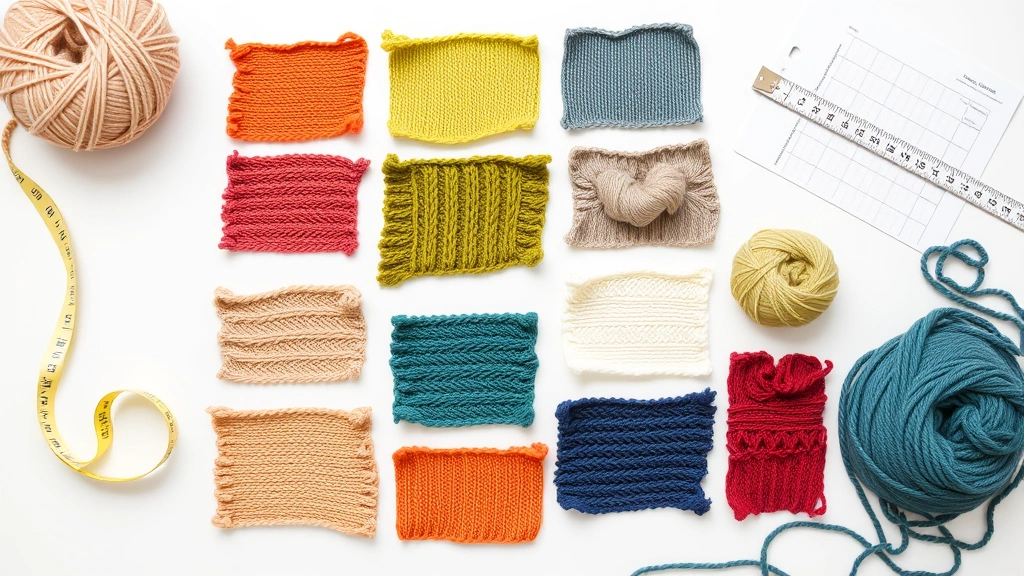
A swatch is just a small square—usually 4×4 inches—made with the recommended hook size and stitch pattern. You make it, measure it, and check the gauge. Gauge is the number of stitches and rows per inch, and it’s crucial for garments and sized projects. If your gauge is off, your finished project won’t fit or look right.
Beyond gauge, a swatch tells you so much about how a yarn behaves. How does it feel in your hands? Does it split easily or is it smooth? How does it look when you’re working with it, and how does it look when you’ve finished and blocked it? Does it have the drape you expected? Is the color true to what you saw in the store or online?
Swatching feels like an extra step, and I get it—you want to dive in and start your project. But swatching saves you from wasting 10+ hours on something that doesn’t fit or doesn’t look right. Plus, you can keep your swatches and use them later as coasters or add them all together to make a blanket.
When you’re working with yarn you’ve used before, you might skip the swatch for small projects like scarves or blankets where gauge doesn’t matter as much. But for anything fitted, anything new, or anything you’re investing real money in—make the swatch. Your future self will thank you.
FAQ
What’s the difference between yarn weight and yarn thickness?
Yarn weight and yarn thickness are basically the same thing—they both refer to how thick or thin the yarn is. Weight is just the standardized term used across the industry to make it easier to compare different brands and types of yarn.
Can I use a different yarn than what the pattern calls for?
You can substitute yarns as long as they’re the same weight and have similar fiber characteristics. Always make a swatch first to check your gauge. Substituting different weights usually won’t work and will change how your project looks and fits.
How do I know if a yarn is good quality?
Good quality yarn has consistent thickness, vibrant color, and holds its shape well. It feels pleasant in your hands and doesn’t pill excessively. Read reviews on Ravelry, feel the yarn in person if possible, and check the label for fiber content and construction details.
Is expensive yarn always better?
Not necessarily. Expensive yarn often has luxury fibers that feel incredible and have specific qualities, but you can make beautiful projects with affordable yarn. The best yarn is the one that matches your budget, your project needs, and feels good to work with.
What should I do if I buy yarn and hate how it feels?
Honestly? Return it if you can, or gift it to someone else. Life’s too short to crochet with yarn you don’t enjoy. There’s so much amazing yarn out there that you’ll find something you love.
How much yarn do I actually need for a project?
Always check your pattern for the yardage requirement. Add 10-20% extra for adjustments, mistakes, or design changes. It’s better to have leftover yarn than to run short partway through.