Crochet Yarn Weights Explained: A Practical Guide to Choosing the Right Yarn
Let’s be honest—walking into a yarn shop or scrolling through an online store can feel totally overwhelming when you’re staring at what seems like a million different yarn weights. There’s fingering weight, worsted weight, bulky weight, and about seventeen other terms that might as well be in another language if you’re just starting out. But here’s the thing: understanding yarn weights isn’t actually complicated once you break it down, and it’s genuinely one of the most important skills you’ll develop as a crocheter.
I’ve been there, standing in front of the yarn wall feeling completely lost, wondering if I was supposed to just grab whatever looked pretty and hope for the best. Spoiler alert: that’s not the move, but also, don’t stress. Once you understand how yarn weights work and why they matter, you’ll feel so much more confident picking out yarn for your projects. You’ll know exactly what you need, you’ll avoid costly mistakes, and you’ll actually finish projects that you love wearing and using.
What Are Yarn Weights and Why They Matter
Yarn weight refers to how thick or thin a strand of yarn is. It’s measured by how many yards of yarn you get in a pound, and it affects pretty much everything about your finished project—how it drapes, how quickly you can make it, what hook size you’ll use, and honestly, whether you’ll actually enjoy the process or feel frustrated the entire time.
Here’s why this matters so much: if you pick yarn that’s too thick for your pattern, your finished piece might end up stiff and bulky instead of the graceful, flowy garment you imagined. Pick yarn that’s too thin, and you might be crocheting for weeks with a hook that feels awkward in your hands. Plus, you could run through way more yarn than the pattern calls for, which means either running out mid-project or spending way more money than you budgeted.
The beautiful part is that the yarn industry has standardized yarn weights so that patterns and yarn labels speak the same language. This means once you understand the system, you can confidently grab yarn and know it’ll work for your project. You can also get creative with substitutions when you find a yarn you absolutely love but it’s not the exact weight called for in your pattern.
When you’re matching yarn weight to your project, you’re basically setting yourself up for success before you even pick up your hook. It’s the foundation of everything else.
The Standard Yarn Weight System
The Craft Yarn Council established a standardized system that uses numbers from 0 to 7, plus some descriptive names. Let me walk you through each one, because knowing these categories inside and out is going to make your yarn shopping so much easier.
Weight 0: Lace is basically thread. We’re talking super delicate, gossamer-like yarn that creates intricate, detailed work. You’ll use tiny hooks, typically size 000 to 1. Lace weight projects take forever, but they’re absolutely stunning. Think doilies, shawlettes, and delicate amigurumi details.
Weight 1: Fingering is thin and elegant. It’s perfect for socks, baby clothes, and fine shawls. Hooks typically range from size 1 to 3. You get a lot of yardage per skein, so one skein can go surprisingly far. Many indie dyers love working with fingering weight because the thinness really shows off color variations.
Weight 2: Sport is slightly thicker than fingering but still quite delicate. It works beautifully for baby garments, lightweight sweaters, and anything where you want drape without bulk. Hooks are usually sizes 3 to 5. Sport weight is kind of the Goldilocks of thin yarns—not too delicate to handle easily, but still giving you beautiful stitch definition.
Weight 3: DK (Double Knit) is right in that comfortable middle zone. It’s versatile enough for sweaters, blankets, amigurumi, and tons of other projects. Hooks typically range from 5 to 7. DK weight is honestly a great weight to stock up on because you can make so many different things with it, and it’s not so thin that your hands get tired.
Weight 4: Worsted is probably what most people think of when they picture yarn. It’s thick enough that projects work up relatively quickly, but not so bulky that you can’t create refined details. Hooks range from 7 to 9. Worsted weight is the classic choice for afghans, sweaters, and lots of home décor projects. It’s also usually the most affordable per yard.
Weight 5: Bulky is chunky and substantial. Projects work up fast—like, sometimes shockingly fast—which is why lots of people love bulky weight for their first projects or when they want instant gratification. Hooks are typically 9 to 11. Bulky weight is perfect for cozy blankets, chunky scarves, and projects where you want that textured, handmade look to really shine.
Weight 6: Super Bulky is thick and dramatic. We’re talking projects that finish in a weekend. Hooks are usually 11 and up. Super bulky creates bold, sculptural pieces. It’s amazing for quick gifts, statement blankets, and anything where you want maximum visual impact.
Weight 7: Jumbo is the absolute thickest category. We’re talking arm knitting territory sometimes. Projects can finish in hours. Jumbo weight is more niche—it’s used for really chunky, sculptural pieces and oversized home décor items.
How to Read Yarn Labels Like a Pro
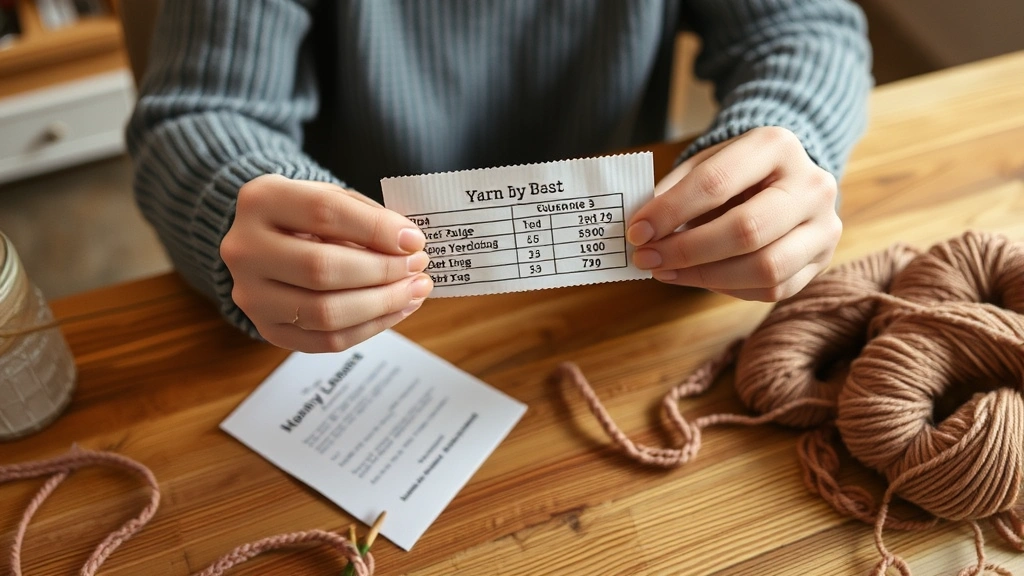
Every skein of yarn should have a label, and that label is basically a treasure map for successful projects. Let me show you exactly what to look for because understanding yarn labels is honestly half the battle.
First, look for the weight category. Most labels will show the number (0-7) and the name (like “Worsted” or “DK”). Some brands also show a little icon—usually a ball of yarn with a number on it. That’s your quick reference.
Next, find the yardage. This tells you how many yards are in one skein. Write this down when you’re shopping because you’ll need it to figure out if you have enough yarn for your project. A 50-gram skein of fingering weight might be 400+ yards, while a 50-gram skein of bulky weight might only be 50 yards. Same weight, completely different amounts of yarn.
The fiber content is crucial. Is it 100% acrylic? Merino wool? A cotton blend? This affects how your finished project will feel, how it’ll drape, how you’ll care for it, and honestly, how much you’ll enjoy working with it. Some people’s hands get tired with certain fibers, and that’s totally valid. Common mistakes when choosing yarn weight often include ignoring fiber content, which is honestly a shame because it makes such a difference.
Look for the recommended hook size. This is usually shown as a range, like “Size 7-9 hook.” This recommendation is based on getting the right gauge and fabric density for that particular yarn. It’s not absolute law, but it’s a really solid starting point.
The care instructions matter more than you might think. If you’re making a sweater you’ll wear all the time, you probably don’t want yarn that requires hand washing and laying flat to dry. If you’re making a special occasion shawl, maybe you don’t mind. Know your lifestyle and choose accordingly.
Some labels also show yardage per gram, which is super helpful for comparing yarn weights across different brands. A yarn with 10 yards per gram is going to be thinner than one with 5 yards per gram.
Matching Yarn Weight to Your Project
This is where everything comes together. You’ve got your pattern, you understand the yarn weight system, and now you need to make sure they match up.
First, check what yarn weight your pattern calls for. It should say something like “This pattern uses Worsted weight yarn” or show a yarn weight symbol. If it’s not clear, that’s a red flag—you might want to find a different pattern or reach out to the designer for clarification.
Next, make sure you understand what your pattern is going for. Are you making a lightweight summer sweater? You probably want fingering, sport, or DK weight. Making a cozy winter blanket? Worsted, bulky, or super bulky would be perfect. The pattern designer chose their yarn weight deliberately to achieve a specific look and feel.
Check the yardage requirements. Your pattern should tell you how many yards you need total. Count up the yardage of each skein you’re planning to use, then add a little buffer (I always add about 10%) for mistakes, gauge adjustments, or weaving in ends. Running short is one of the most frustrating feelings, so overestimating slightly is totally worth it.
Consider the fiber content relative to the project type. If you’re making an everyday garment, you probably want something easy-care. If it’s a special shawl, splurging on luxury fiber might be worth it. Think about who’ll be wearing or using the finished project and what their life is actually like.
Finally, think about your skill level and the time you want to invest. Thinner yarns take longer but create more detailed, refined pieces. Thicker yarns work up faster but create bolder textures. Neither is better—it just depends on what you want right now.
Common Mistakes When Choosing Yarn Weight
I’ve made these mistakes, you’ve probably made them, and that’s how we learn. Let me highlight the big ones so you can skip ahead on the learning curve.
Mistake #1: Ignoring gauge. Gauge is how many stitches and rows you get in a specific measurement when you work with a specific yarn and hook. It sounds technical and boring, but it’s genuinely important. If your gauge is off, your finished project won’t be the right size. Always—and I mean always—crochet a gauge swatch before starting a garment. It takes 20 minutes and saves you from potential heartbreak.
Mistake #2: Assuming all yarn of the same weight is the same. It’s not. A fingering weight merino blend will behave differently than a fingering weight acrylic. Same weight, totally different projects. Always check the fiber content and think about how it’ll work for your specific project.
Mistake #3: Not reading the label carefully. Some brands label their yarn differently than others. What one company calls “worsted” might be slightly different from another company’s worsted. Always, always look at the yardage and the recommended hook size, not just the weight name.
Mistake #4: Picking yarn you don’t actually enjoy working with. If a yarn makes your hands hurt, or if you hate the way it feels, you’re not going to finish the project. It doesn’t matter how perfect it is for the pattern if you dread picking it up. Life’s too short to crochet with yarn you don’t like. Find something that makes you happy.
Mistake #5: Underestimating yardage needs. Always add a buffer. Always. Weaving in ends takes more yarn than you’d think, and sometimes you need to frog and redo sections. I’ve learned this lesson the hard way multiple times.
Tips for Substituting Yarn Weights
Sometimes you fall in love with a yarn that’s not exactly the weight your pattern calls for. Or maybe that yarn is sold out and you found something similar. Substitution is totally possible, but it requires a little strategy.
Substituting up a weight (thicker yarn): If your pattern calls for DK but you want to use worsted, you can make it work. You’ll use fewer stitches and rows, so your finished project might be slightly smaller and work up faster. Adjust your hook size down if needed to maintain a similar fabric density. Your pattern might need tweaking, especially for garments where fit matters.
Substituting down a weight (thinner yarn): Going from worsted to DK means you’ll need more stitches and rows. You might need more total yardage. Your project will be more delicate. This is trickier than substituting up because you might run out of yarn, so calculate carefully. Check how to read yarn labels like a pro to get exact yardage information before committing.
The fiber content matters too. Substituting a wool with an acrylic of the same weight will look and feel different. Acrylic tends to be stiffer, while wool is more forgiving and has better drape. Think about whether that difference matters for your project.
Always crochet a gauge swatch with your substitute yarn. This is non-negotiable when you’re deviating from the pattern. Your gauge might be completely different, and that’ll affect your finished project’s size and appearance.
For detailed guidance on choosing quality yarn, check out Yarnspirations, which offers extensive yarn information and pattern resources. Ravelry is also incredible for finding patterns, tracking projects, and seeing what other crocheters have used for specific patterns—seriously, the community reviews are gold.
FAQ
What’s the difference between yarn weight and yarn thickness?
They’re basically the same thing. Yarn weight refers to how thick a strand is, measured by yardage per pound. Thicker yarn = lower yardage per pound = higher weight number (bulkier). Thinner yarn = higher yardage per pound = lower weight number (finer).
Can I use a different hook size than recommended?
You can, but it’ll change your gauge and your finished fabric. A smaller hook creates tighter, denser fabric. A larger hook creates looser, more open fabric. Only deviate from the recommended size if you’re intentionally trying to achieve a different look or if your gauge swatch tells you to adjust.
How do I know if I have enough yarn?
Calculate the total yardage you need by adding up all the skein yardages. Compare that to your pattern’s yardage requirement, then add 10-15% as a buffer. If you’re close but not quite there, you might still be okay if the pattern has flexible elements (like a shawl you can make smaller), but for garments, it’s risky.
Does yarn weight affect how long a project takes?
Absolutely. Thinner yarn takes longer because you’re making more stitches per square inch. Bulky yarn works up much faster. If you want quick gratification, go thicker. If you want to really sink into a long-term project, thinner weights are your friend.
What’s the most versatile yarn weight to start with?
Worsted weight or DK weight are both incredibly versatile. Worsted is thicker and faster, great for blankets and casual garments. DK is more refined and works for everything from sweaters to amigurumi. Start with whatever appeals to you—there’s no wrong choice.
Should I always follow the pattern’s yarn recommendation exactly?
Not necessarily, but you should understand what’ll change if you don’t. Always crochet a gauge swatch with your chosen yarn. If your gauge matches the pattern, you’re golden. If it doesn’t, you’ll need to adjust your hook size or be prepared for the project to turn out different than expected.
Understanding yarn weights transforms you from someone who’s confused in the yarn shop to someone who knows exactly what they’re looking for. You’ll make better choices, finish more projects, and actually enjoy the entire process instead of feeling stressed. Start paying attention to yarn weights on every project you make, notice how different weights feel in your hands, and pretty soon this’ll all become second nature. You’ve got this.