The Complete Guide to Choosing the Right Yarn for Your Crochet Projects
Let’s be honest—walking into a yarn shop or scrolling through online options can feel absolutely overwhelming. There are so many textures, weights, fiber types, and price points that it’s easy to freeze up and just grab whatever’s on sale. I’ve totally been there, standing in front of a wall of yarn with no idea which skein would actually work for the blanket I’m trying to make, or whether that gorgeous mohair blend would be a nightmare to work with.
The thing is, choosing the right yarn doesn’t have to be complicated. It’s actually one of the most important decisions you’ll make for any crochet project, because the yarn you pick affects everything—how your stitches look, how fast you can work, how much the finished piece costs, and honestly, whether you’ll even enjoy making it. I want to walk you through this together, so you can feel confident picking yarn that’ll actually make you happy.
Understanding Yarn Weight and What It Means
Yarn weight is basically the thickness of the strand, and it’s measured by how many yards (or meters) you get in a specific weight. The Craft Yarn Council standardizes this with numbers from 0 (lace) to 7 (jumbo), but honestly, the easiest way to think about it is: thicker yarn = fewer stitches per inch, faster projects, and chunkier finished items.
Here’s the breakdown that actually matters for your projects:
- Lace (0) and Fingering (1): These are delicate, thin yarns perfect for intricate shawls and doilies. They require patience and smaller hooks, but the results are stunning. If you’re new to crochet, I’d skip these for now—they can be frustrating.
- Sport (2) and DK (3): These mid-weight options are fantastic for blankets, amigurumi, and garments. They give you good stitch definition without taking forever. A lot of beginner crochet projects actually work best with these weights.
- Worsted (4): This is the sweet spot for most people. It’s thick enough to work up quickly but still shows off stitch patterns beautifully. Most crochet patterns you’ll find are written for worsted weight.
- Bulky (5) and Super Bulky (6): Perfect for cozy blankets that you want to finish in a weekend. The trade-off? They can sometimes look a bit chunky, and finding patterns can be trickier.
- Jumbo (7): These are fun for statement pieces and super-fast projects, but they’re expensive and limited in pattern availability.
Here’s my real talk: if you’re buying yarn and you’re not sure what weight you need, check the pattern first. Seriously. The pattern tells you exactly what weight to use, and that’s your north star. Don’t try to substitute a DK yarn for a worsted weight just because you like the color—it’ll change everything about how your project turns out.
Fiber Content: The Foundation of Your Project
This is where things get personal, because fiber content affects how the yarn feels in your hands, how it wears over time, and how much you’ll actually enjoy making your project. Let me break down the main options:
Acrylic: Let’s start here because acrylic gets a bad rap, and honestly, it doesn’t deserve all the judgment. Yes, it’s synthetic. Yes, it can sometimes feel plasticky. But acrylic is affordable, comes in every color imaginable, and it’s perfect for practice projects, baby items (machine washable!), and blankets. Brands like Lion Brand and Red Heart make quality acrylic that works beautifully. If you’re learning basic crochet stitches, acrylic is honestly your friend because you won’t cry if you rip it out.
Cotton: This is my go-to for summer projects, dishcloths, and anything that’ll get a lot of use. Cotton breathes, it’s durable, and it has a lovely drape. The downside? It can be tougher on your hands if you’re crocheting for hours, and it doesn’t have as much give as wool. It’s also heavier than you’d think, so a cotton blanket can feel substantial—which is great for weight but not so great if you’re making something meant to be light and airy.
Wool: If you want your stitches to really pop and you love working with something that feels luxurious, wool is incredible. It’s elastic, which means your stitches stay consistent, and it blocks beautifully. The catch? It’s pricier, and you need to be careful with washing. Also, not everyone loves the feel of wool on their skin, so consider who you’re making the project for.
Blends: A wool-acrylic blend gives you the best of both worlds—the elasticity and feel of wool with the affordability and washability of acrylic. Cotton-acrylic blends are great for durability with a bit more softness. These are genuinely my favorite for everyday projects because they’re forgiving and practical.
Here’s something I wish I’d known earlier: check whether the yarn is superwash treated if you’re concerned about felting. Superwash wool can go in the washing machine without shrinking, which makes it way more practical for blankets and wearables. It’s worth paying a bit extra for this if you’re making something that’ll need regular washing.
Calculating Yardage and Budget
This is where a lot of people get stuck, but it’s actually pretty straightforward once you understand the basics. Every crochet pattern tells you how much yarn you need in yardage (or meters). Your job is to match that with the yarn you’re choosing.
Here’s the step-by-step:
- Find your pattern’s yardage requirement. It’ll say something like “1,200 yards of worsted weight yarn.”
- Check your yarn’s yardage per skein. This is on the ball band (that label wrapped around the yarn). It might say “220 yards per 100g.”
- Do the math. Divide total yardage needed by yardage per skein. So 1,200 ÷ 220 = about 5.5 skeins. Always round up, so you’d buy 6 skeins.
- Buy from the same dye lot if possible. This is important! Yarn dyed in different batches can have slightly different colors. If you’re buying multiple skeins, check that the dye lot number on the ball bands matches.
Now, about budget—and I’m going to be real with you here. There’s no shame in choosing yarn based on what you can afford. A beautiful acrylic blanket that you actually finish is infinitely better than an abandoned wool project that cost twice as much. That said, here’s how to stretch your budget:
- Buy yarn on sale. Seriously, wait for sales if you can. Online shops like Ravelry have a stash feature where you can track prices.
- Check out yarn shops’ clearance sections. You’ll find discontinued colors and overstocked skeins at discounts.
- Consider thicker yarn. Bulky weight projects use less yardage overall, so they’re actually cheaper even if the per-skein price is higher.
- Join a yarn club or sign up for newsletters. You’ll get early access to sales and exclusive discounts.
One more thing: don’t let budget paralyze you. If you’re choosing between two yarns and one is $2 more per skein, that’s maybe $10-15 more for an entire project. If that yarn makes you happier every time you pick up your work, it’s worth it. Crochet should bring you joy, not stress.
Texture, Drape, and Feel
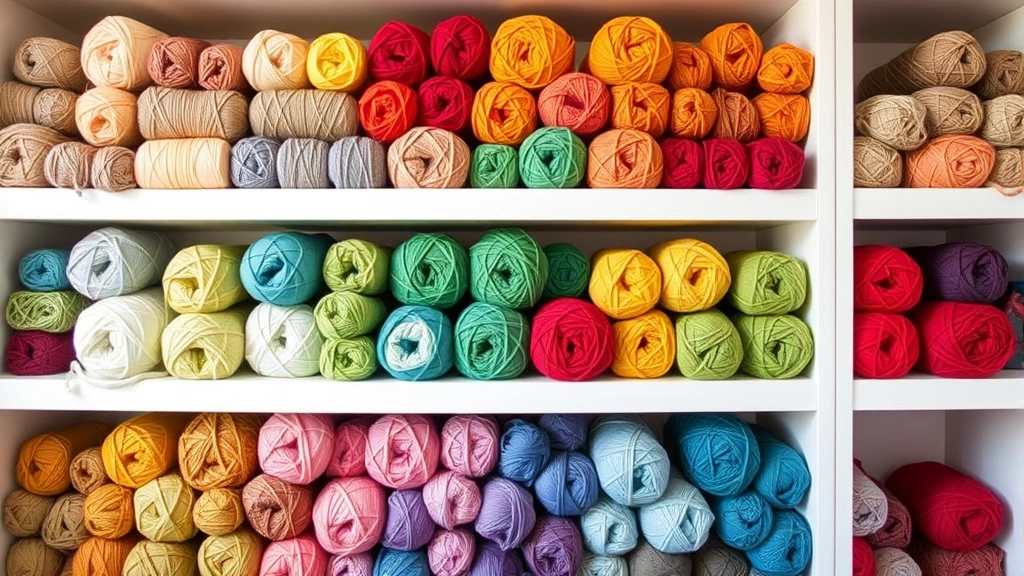
This is the part that separates a good crochet project from one you actually love making. Texture and drape are about how the yarn feels in your hands and how the finished piece moves and falls.
Texture: Some yarns are smooth and sleek—these are amazing for showing off stitch detail. Others are fuzzy, bumpy, or have texture built in. A fuzzy yarn (like mohair or eyelash yarn) can hide stitch definition, which is great if your tension isn’t perfect yet, but it’s terrible if you want to show off intricate stitchwork. Bumpy or novelty yarns? They’re fun but can be frustrating to work with because it’s harder to see where you’re inserting your hook.
Drape: This is how the yarn hangs and moves. A yarn with good drape falls beautifully and creates flowing, graceful finished pieces—perfect for shawls and lightweight sweaters. A yarn with poor drape is stiffer and more structured. It’s not bad, it’s just different. Use stiff yarn for things that need structure (like bags or amigurumi) and drapey yarn for things that should move (like wraps or cardigans).
Feel: And honestly? How it feels in your hands matters so much. If you hate the way a yarn feels to work with, you won’t want to crochet with it, and then your project becomes a chore. Go to a yarn shop if you can and touch things. Order samples online. Feel how different fibers work with your hands. Some people love the warmth of wool; others find it itchy. Some love the cool smoothness of cotton; others find it too stiff. There’s no right answer—it’s about what makes you happy.
Testing Your Yarn Before Committing
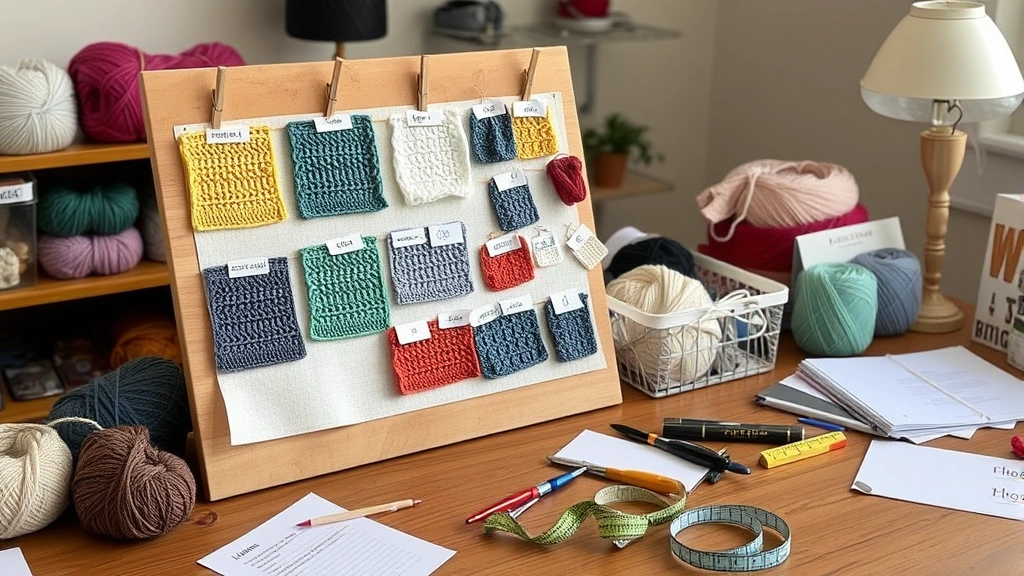
Here’s my favorite tip that honestly saves so much heartbreak: always make a swatch before diving into your full project. I know it feels like wasted time, but it’s not. It’s insurance.
Here’s what you do:
- Crochet a 4×4 inch square using the stitch pattern from your project and the hook size recommended on the yarn label.
- Check your gauge. Count how many stitches and rows you have in 4 inches. Does it match what the pattern calls for? If not, adjust your hook size up (for fewer stitches per inch) or down (for more stitches per inch). This is crucial for garments especially.
- Feel it. How does it feel now that it’s crocheted? Does it have the drape you wanted? Is it too stiff or too soft?
- Wash it if you’re going to wash the finished project.** Throw it in the washer with the same settings you’d use for the final piece. Does it shrink? Does it pill? Does it lose its shape? This tells you a lot.
- Look at your stitch definition.** Are your stitches showing up clearly, or is the yarn too fuzzy? Are you happy with how it looks?
I used to skip this step because I was impatient, and I wasted so much yarn on projects that didn’t work out. Now I always swatch, and it takes maybe 30 minutes but saves me from hours of rework.
Common Yarn Mistakes and How to Avoid Them
Let me share some things I’ve learned the hard way, so you don’t have to:
Mistake 1: Buying yarn before reading the pattern. I did this constantly. You see beautiful yarn, you buy it, and then you realize it’s the wrong weight for the project you wanted to make. Now you have yarn with no purpose. Solution: pattern first, yarn second. Always.
Mistake 2: Not checking yardage carefully. Similar issue—you buy what seems like enough, and halfway through you realize you’re short. This is especially frustrating when the dye lot is discontinued. Solution: buy extra. Seriously. Buy one more skein than you think you need. You can always use it for another project, or keep it as a backup.
Mistake 3: Choosing yarn based only on color. That gorgeous variegated yarn might look beautiful in the skein, but if it’s a scratchy acrylic blend that makes your hands hurt, you’re not going to enjoy making your project. Solution: touch it, feel it, consider how it’ll perform in your specific project.
Mistake 4: Not considering care instructions. You make a beautiful blanket with yarn that’s dry-clean only, and now it’s basically a decoration you can’t actually use. Or you make a baby blanket with yarn that needs hand-washing, and the parent is frustrated. Solution: think about who’ll use the finished project and what care they can realistically do.
Mistake 5: Assuming all yarn in the same weight works the same way. Worsted weight acrylic and worsted weight wool are very different to work with. This is why swatching matters. Solution: always make that swatch, especially if you’re using a new-to-you yarn.
FAQ
What’s the best yarn for beginners?
Worsted weight acrylic in a solid color. It’s affordable, forgiving, comes in every color, and most beginner crochet projects are written for it. Avoid variegated (multicolored) yarn and fuzzy yarn when you’re learning because they make it harder to see your stitches. Brands like Lion Brand and Red Heart are reliable and available everywhere.
Can I substitute yarn weights in patterns?
Not really, if you want the project to turn out as designed. You can try, but you’ll need to adjust the pattern—different stitch counts, different finished size, different appearance. It’s doable if you know what you’re doing, but as a general rule, match the yarn weight the pattern calls for. If you love a different yarn, look for a pattern specifically written for that weight.
Why is my yarn so expensive?
Natural fibers (wool, cotton, silk) cost more because they’re more expensive to produce and process. Specialty fibers like alpaca or cashmere are even pricier. Acrylic is cheap because it’s synthetic and mass-produced. Neither is better—they’re just different. Spend what feels right for your project and your budget.
How do I know if yarn is good quality?
Good quality yarn has consistent thickness, won’t pill excessively when worked, feels good in your hands, and holds its shape after washing. Read reviews on Yarnspirations or Ravelry before buying something new. Other crocheters’ experiences are gold.
Should I buy yarn online or in person?
Ideally both. Buy in person when you can so you can feel the yarn and see the true color. Buy online for convenience and sometimes better prices. Many yarn shops have online stores, so you can support local while shopping from home. Check Ravelry for yarn reviews and availability before ordering.
What’s the difference between yarn and thread?
Thread is thinner and usually has a tighter twist. Yarn is thicker and more loosely twisted. You crochet with yarn; you embroider or do fine work with thread. For crochet, stick with yarn.
Choosing the right yarn is honestly one of the most satisfying parts of crochet. It’s where your vision starts becoming real. Take your time with it, trust your instincts, and remember that the best yarn for your project is the one that makes you excited to pick up your hook. Happy crocheting!