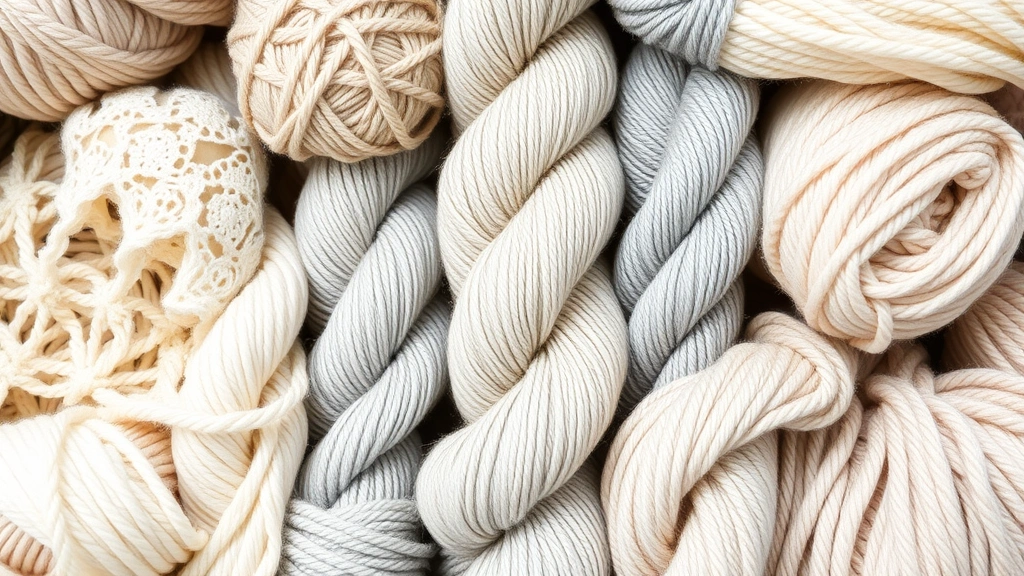
Choosing the Right Yarn Weight for Your Crochet Projects
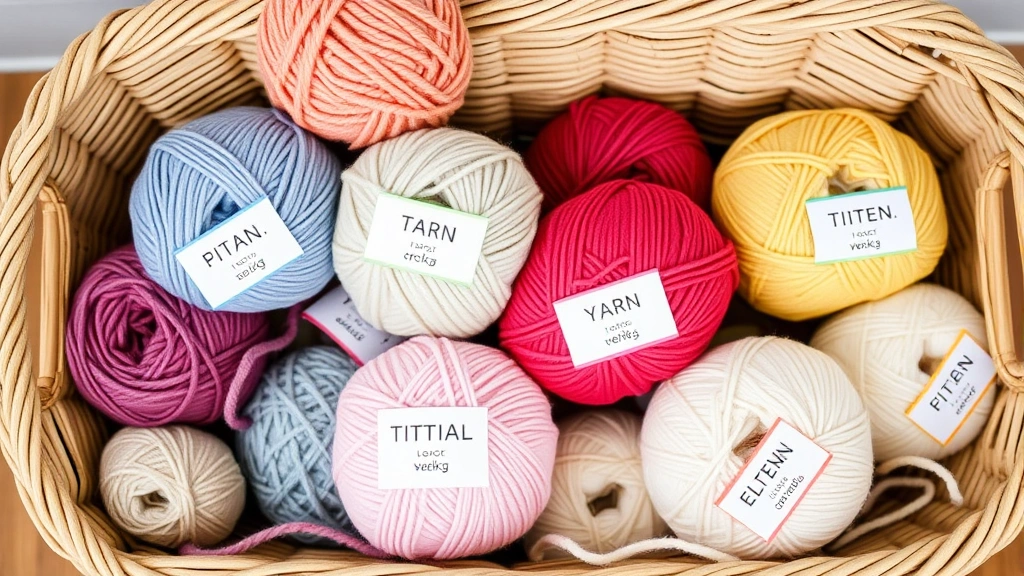
There’s nothing quite like standing in front of a wall of yarn at your local craft store, running your fingers across skeins in every color imaginable, and feeling completely overwhelmed. You’ve got this gorgeous pattern you want to make, but you’re staring at yarn labels with mysterious abbreviations like DK, worsted, and bulky—and honestly? It feels like you need a decoder ring just to figure out what you’re actually buying.
Here’s the thing: choosing the right yarn weight isn’t some mystical art reserved for experienced crocheters. It’s actually pretty straightforward once you understand what those numbers and labels really mean, and why they matter so much for your finished project. I’m going to walk you through this together, and by the end, you’ll feel confident picking up any pattern and knowing exactly which yarn will work.
Understanding Yarn Weight Numbers
The Craft Yarn Council established a standardized system that goes from 0 to 7, and honestly, this was a game-changer for the crochet community. Instead of different manufacturers calling things whatever they wanted, we now have a universal language. Let me break down each weight so you know exactly what you’re dealing with:
0 – Lace: This is the thinnest stuff you’ll encounter. It’s delicate, elegant, and requires patience. You’re looking at around 800+ yards per 50 grams. Projects made with lace yarn take forever, but they’re absolutely stunning when you’re done.
1 – Super Fine: Think fingering weight or baby yarn. These are soft, dainty, and great for detailed work. You’ll get roughly 400-800 yards per 50 grams. Doilies, delicate shawls, and baby blankets love this weight.
2 – Fine: Sport weight falls here. It’s got more substance than super fine but still pretty delicate. Expect 300-400 yards per 50 grams. This is wonderful for garments that need drape and definition.
3 – Light Worsted: DK and light worsted live in this zone. You’re looking at 200-300 yards per 50 grams. This weight is incredibly versatile—it works for sweaters, blankets, and amigurumi if you’re patient.
4 – Medium/Worsted: This is probably the most popular weight you’ll see in patterns. It’s the sweet spot between speed and detail. You’ll get 180-220 yards per 50 grams. Most afghans, scarves, and hats use worsted weight because it works up quickly without being too chunky.
5 – Bulky: Now we’re talking about projects that come together fast. You’re getting 120-150 yards per 50 grams. Chunky scarves, cozy blankets, and quick hats are bulky weight’s specialty. If you’re impatient like me sometimes, bulky is your friend.
6 – Super Bulky: This is the speed demon of yarn. 60-100 yards per 50 grams means your projects finish in days, not weeks. Chunky throw blankets and oversized cowls are perfect here.
7 – Jumbo: The absolute thickest. Less than 60 yards per 50 grams. These projects are more art installation than traditional crochet, but they’re undeniably cool.
The weight number you choose directly impacts how your finished project will look, feel, and function. It’s not arbitrary—it’s the foundation of everything that comes after.
How Weight Affects Your Project
Okay, so now you understand the numbers, but why does this actually matter? Let me give you some real examples because this is where it gets practical.
Imagine you find this adorable amigurumi pattern for a stuffed animal. The pattern calls for worsted weight, and you think, “Hey, I’ve got some beautiful bulky yarn at home. I’ll just use that instead.” Sounds reasonable, right? Wrong. Here’s what happens: your finished animal becomes a giant, loose-textured blob. The stuffing shows through the stitches. Your carefully crafted details—the eyes, the smile, all that personality—gets lost in the chunky fabric. It’s heartbreaking.
Conversely, let’s say you want to make a cozy throw blanket, and the pattern calls for bulky weight. You decide to use worsted instead because you’ve got tons of it. Now you’re looking at a project that takes three times longer, uses way more yarn than you planned, and might not have that satisfying heft you were going for. It’ll be pretty, sure, but it won’t feel like the cozy cocoon you imagined wrapping yourself in on the couch.
Weight affects:
- Drape: Finer yarns drape beautifully, making them ideal for shawls and flowing garments. Bulky yarns tend to hold their shape more rigidly.
- Stitch definition: Lighter weights show off intricate stitch patterns. Heavier weights can obscure delicate details.
- Warmth: Bulkier yarns trap more air, making them warmer. Finer yarns work better for lightweight, breathable garments.
- Project speed: Heavier weights mean fewer stitches and faster completion. If you need something done quickly, go bulky.
- Finished texture: A lace weight creates an airy, openwork feel. Worsted gives you density and structure. Bulky looks bold and modern.
Understanding these effects helps you make intentional choices rather than just grabbing whatever yarn is on sale. And honestly, that’s when crochet becomes really fun—when you’re making decisions based on what you actually want to create, not just what’s available.
Matching Yarn to Patterns
Here’s where a lot of new crocheters get confused: can you use a different yarn weight than what the pattern specifies? The short answer is yes, but it requires some understanding and adjustment.
Every pattern is written with a specific yarn weight in mind. The designer has tested it, measured the gauge (which is the number of stitches and rows per inch), and calculated yardage based on that weight. When you understand yarn weight numbers, you can confidently substitute or adjust.
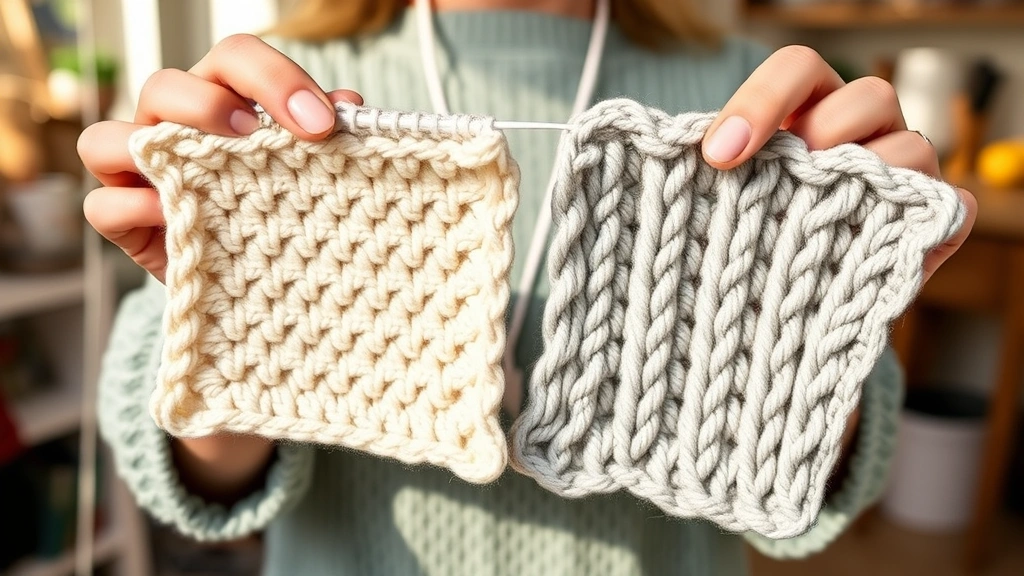
The Gauge Connection: Gauge is your secret weapon here. It’s listed on yarn labels and in patterns, usually something like “11 stitches and 14 rows = 4 inches.” If your gauge doesn’t match the pattern’s gauge, your finished project won’t be the right size. It’s that simple.
If you want to swap yarn weights, you need to:
- Make a gauge swatch with your chosen yarn using the stitch the pattern calls for
- Measure it and count your stitches and rows
- Compare it to the pattern’s gauge requirement
- Adjust your hook size up or down until your gauge matches
- Recalculate yardage based on the new weight
This is where Ravelry becomes your best friend. Thousands of crocheters have documented their yarn substitutions in project notes. You can search for patterns and see what other people used instead of the recommended weight. It’s like having a giant community of people who’ve already figured out what works.
Let’s say you’re making a sweater and the pattern calls for DK weight, but you’ve fallen in love with a worsted weight yarn. You can absolutely do it—you’ll just need a larger hook, your gauge will be different, and you might need more or fewer stitches. It’s doable, and honestly, it’s a great way to make patterns truly your own.
Pro tip: When you’re learning about fiber content considerations, keep in mind that the same weight in different fibers can behave differently. Merino wool drapes differently than acrylic, even at the same weight. This is where real-world testing matters.
Fiber Content Considerations
Yarn weight and fiber content are cousins—they’re related but different things entirely. You can have worsted weight acrylic, worsted weight merino, and worsted weight cotton, and they’ll all behave differently despite being the same weight.
Acrylic: This is your budget-friendly, easy-care option. It doesn’t breathe well, so it’s not ideal for summer garments, but it’s perfect for practice projects and items that need durability. Acrylic holds its shape beautifully, which is why it’s so popular for amigurumi and structured pieces.
Wool: Natural, warm, and elastic. Wool has memory—it bounces back after stretching. It’s more expensive than acrylic, but the quality is often worth it. The downside? It requires careful washing, and some people are sensitive to it.
Cotton: Breathable and perfect for summer projects. It doesn’t have the elasticity of wool, so garments can stretch out over time. Cotton pairs beautifully with lighter yarn weight numbers for delicate, airy projects.
Blends: Wool-acrylic blends, cotton-acrylic blends—these give you the benefits of multiple fibers. They’re often easier to care for than pure wool but have better drape than pure acrylic.
When you’re choosing yarn, consider not just the weight but also what you’re making and who it’s for. Are you creating a baby blanket that needs frequent washing? Cotton or acrylic. A cozy winter scarf? Wool or a wool blend. A lightweight summer top? Cotton or a cotton blend in a lighter weight.
Budget and Weight Trade-Offs
Let’s be real: yarn isn’t cheap, and budget absolutely impacts your decisions. Understanding weight helps you make smart financial choices.
Heavier yarn costs more per skein but uses fewer skeins for a finished project. A bulky weight blanket might require 4 skeins at $8 each—$32 total. The same blanket in worsted weight might need 12 skeins at $3 each—$36 total. Okay, that’s similar, but the time investment is wildly different.
Here’s where it gets tricky: sometimes lighter weight yarn is actually cheaper per yardage, but you need so much more of it that the total cost ends up being higher. When you’re learning to match yarn to patterns, always calculate total yardage needed and multiply by the cost per yardage, not just the number of skeins.
If you’re on a tight budget, consider:
- Starting with worsted weight: It’s the sweet spot between cost and speed. You can find quality worsted weight yarn at reasonable prices from brands like Lion Brand and many store brands.
- Looking for yarn sales: End-of-season sales are your friend. Grab that summer yarn in fall when it’s marked down.
- Choosing smaller projects: A lacy shawl requires less yardage than a blanket, so lighter weights become more affordable.
- Embracing acrylic for practice: There’s absolutely no shame in practicing with budget-friendly acrylic before you invest in expensive natural fibers.
The most expensive yarn in the world won’t make you a better crocheter. Your time, practice, and intention matter way more than the price tag. Choose what fits your budget and your project needs, and don’t apologize for it.
Common Mistakes and How to Avoid Them
I’ve made every single one of these mistakes, and honestly? They’ve all taught me something valuable. Let me save you some frustration.
Mistake 1: Not checking gauge before starting. You’re excited, the yarn is beautiful, and you just want to jump in. I get it. But take 15 minutes to make a gauge swatch. It literally takes that long, and it’ll save you from ripping out 10 hours of work.
Mistake 2: Assuming all yarn weights are created equal. Two different brands’ worsted weights might look or feel different because of fiber content and how tightly the yarn is spun. This is why checking matching yarn to patterns with actual swatches matters so much.
Mistake 3: Forgetting to account for yardage when substituting weights. You can’t just use the same number of skeins if you’re changing weights. A bulky weight skein has way fewer yards than a worsted weight skein. Do the math.
Mistake 4: Ignoring fiber content for the intended use. Making a blanket for a sweaty toddler in wool? Your life will be difficult. Acrylic or cotton is your friend here. Using lightweight cotton for a winter sweater? It’ll be cold and won’t provide warmth.
Mistake 5: Buying yarn before choosing a pattern. I know, I know—that gorgeous colorway called to you. It happens. But now you’re stuck trying to find a pattern that works with what you have instead of choosing a project you actually love. If you do this, write down the yardage and weight immediately so you remember.
The beautiful thing about crochet is that it’s incredibly forgiving. You can rip out stitches, start over, and try again. These mistakes aren’t failures—they’re just part of learning what works for you and your style.
FAQ
Can I use a different hook size to adjust for yarn weight?
Absolutely! Changing hook size is how you adjust gauge. A smaller hook creates tighter stitches and a denser fabric; a larger hook creates looser stitches and more drape. Always swatch to make sure your gauge matches the pattern before committing to the full project.
What if I can’t find the exact yarn weight the pattern calls for?
Check Ravelry’s project notes to see what other crocheters have successfully substituted. You can also look for yarn with similar yardage per skein and adjust your hook size accordingly. The crochet community is incredibly helpful—don’t hesitate to ask in forums.
Is worsted weight really the “easiest” for beginners?
It’s definitely the most forgiving because it’s not too thin (so you can see your stitches clearly) and not too thick (so it works up quickly without being overwhelming). But honestly? Use whatever weight you’re excited about. Enthusiasm matters more than convention.
How do I know if a yarn will work for the project I’m imagining?
Think about the finished product. Will it need drape (lighter weight), structure (medium weight), or bulk and warmth (heavier weight)? Consider care requirements. Think about who it’s for and how it’ll be used. Then find a pattern that matches those criteria and choose your yarn weight accordingly. You can also ask for recommendations from experienced crocheters—we love helping people figure this stuff out.
What’s the best yarn weight for making wearables?
It depends on the garment and climate. Light weight (DK to sport) for delicate summer tops, worsted for standard sweaters and cardigans, and bulky for chunky winter layers. The key is choosing something with good drape and breathability based on the fiber content and intended use.
Can yarn weight affect how much yarn I actually need?
Yes! Heavier yarn uses more fiber per inch of length, so the same project in bulky versus worsted will require different yardage. This is why patterns always specify both weight and yardage—never go by skein count alone.
Final thoughts: Choosing yarn weight isn’t about following rules—it’s about understanding how different weights affect your finished projects so you can make intentional decisions. Whether you’re working with Yarnspirations patterns, exploring Craftsy tutorials, or creating your own designs, knowing your yarn weights makes everything easier and more fun. You’ve got this.