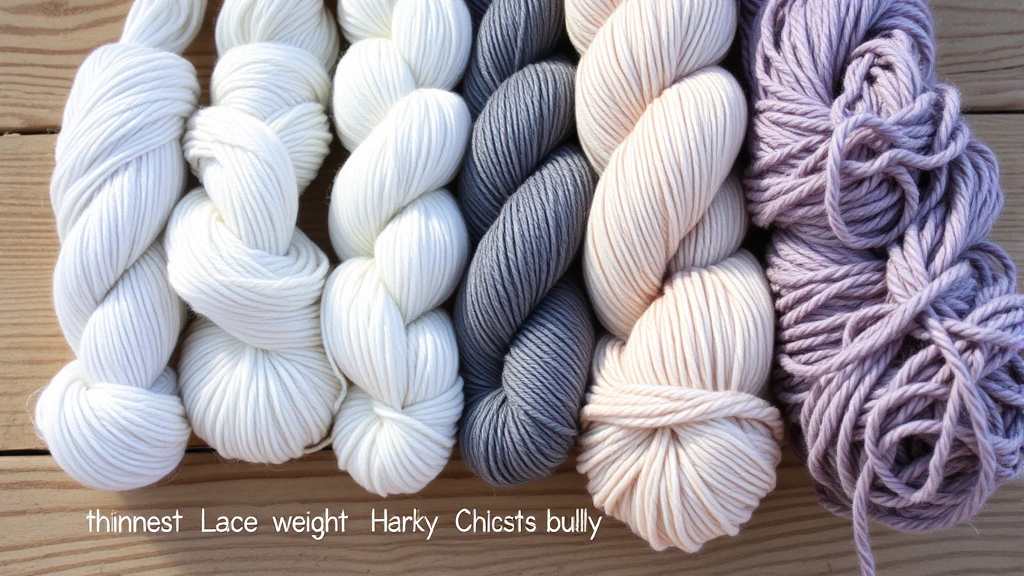
How to Choose the Right Yarn Weight for Your Crochet Projects
You know that feeling when you’re standing in the yarn aisle—or scrolling through an online shop—and you see so many beautiful colors and textures that you just freeze? Yeah, I’ve been there. And honestly, one of the biggest reasons people feel overwhelmed isn’t just about picking a color they love; it’s about figuring out what yarn weight actually works for their project. It sounds technical, but it’s really just about understanding what “weight” means and why it matters for your finished piece.
Here’s the thing: yarn weight isn’t about how heavy it feels in your hand (though that’s part of it). It’s about the thickness of the yarn strand and how many stitches you’ll need to work per inch to get the right fabric drape, structure, and overall vibe. Pick the wrong weight, and you might end up with a sweater that’s too stiff, a blanket that takes forever, or a delicate shawl that’s accidentally chunky. Pick the right one? You’re golden. Let’s break this down together so you can confidently grab yarn and actually finish projects you love.
Understanding Yarn Weight Categories
The Craft and Yarn Council (and most yarn labels) use a standardized system from 0 to 7, with each number representing a different thickness. Let me walk you through them so you actually understand what you’re buying.
0 – Lace: This is the finest yarn you’ll find. Think gossamer, delicate, almost thread-like. You’re working with something so thin that you’d need a tiny hook (like a size B/1 or C/2) and you’ll put in a ton of stitches per inch. Lace weight is gorgeous for shawlettes, doilies, and intricate stitch patterns where the yarn itself becomes the art. Fair warning: these projects take time, and they’re not forgiving if you mess up.
1 – Fingering: Still thin, but workable. Fingering weight is what you’d use for delicate socks, intricate shawls, or anything where you want detail without it taking six months. It’s popular in the sock-knitting world, though crocheters love it too. Expect to use a size B/1 to E/4 hook.
2 – Sport: Getting into more practical territory. Sport weight is lighter than worsted but heavier than fingering. It’s perfect for baby items, lightweight garments, and projects where you want structure without bulk. Size D/3 to E/4 hooks are typical here.
3 – DK (Double Knit): A sweet spot for many crocheters. DK gives you nice stitch definition, works up reasonably fast, and creates fabric that’s not too stiff or too flowy. Great for amigurumi, garments, and blankets where you want some heft but not too much. You’re looking at E/4 to F/5 hooks.
4 – Worsted (also called Aran): This is the bread and butter of crochet. Most patterns are written for worsted weight, and there’s a reason: it’s fast, forgiving, and creates beautiful fabric with good stitch definition. Your hook size jumps to G/6 to I/9. This is where a lot of beginners start, and honestly, there’s nothing wrong with that.
5 – Bulky: Now we’re talking chunky, cozy vibes. Bulky yarn is perfect for quick projects (seriously, a blanket in a weekend is possible), and it creates that gorgeous texture everyone loves. Hooks are bigger—J/6 to L/8 or larger. The downside? Less stitch detail, and you use way more yardage for garments.
6 – Super Bulky: We’re getting into the “I want this done ASAP” territory. Perfect for blankets, chunky scarves, and statement pieces. Hooks are K/10.5 and up. Projects come together fast, which is amazing when you’re excited.
7 – Jumbo: The heavyweight champion. These are those enormous yarns you see that almost look like rope. Jumbo weight is for sculptural pieces, statement blankets, and projects where you’re really playing with texture and form rather than intricate stitch patterns. Size Q/16.5 hooks and up.
Here’s a practical tip: always check the yarn label. It’ll tell you the recommended hook size and gauge, which is your best friend when you’re trying to figure out if a yarn will actually work for your project.
How Weight Affects Your Project Outcome
Okay, so weight categories are one thing. But here’s what actually matters: understanding how weight changes what your finished project feels and looks like. This is where it gets real.
Drape: Lighter yarns (lace, fingering, sport) naturally drape beautifully. They flow, they fold, they have movement. That’s why you see fingering-weight shawls that look like liquid when they’re blocked. Heavier yarns hold their shape more—which is sometimes what you want (a structured sweater, a sturdy blanket) and sometimes not (if you’re trying to make an airy shawl with bulky yarn, you’re fighting physics).
Stitch Definition: Here’s something nobody talks about enough: the heavier your yarn, the less detail you see in your stitches. A lacy stitch pattern in DK weight looks intricate and beautiful. That same pattern in bulky weight? You might not even be able to see what the stitches are doing. This matters if you’re choosing a pattern specifically because you love the stitch pattern itself.
Project Speed: This is the real-world factor. Worsted weight works up fast enough to be satisfying but slow enough to give you something to do. Bulky weight? You’re done in days. Lace weight? We’re talking weeks or months, even for a shawl. Think about your attention span and your schedule. There’s no shame in choosing bulky weight because you want to actually finish something in this decade.
Fabric Structure: Lighter yarns create more delicate, open fabric. Heavier yarns create dense, substantial fabric. For a baby blanket, you might want something in the middle—soft enough but with enough structure that it doesn’t feel flimsy. For an amigurumi, you might actually want tight, dense fabric so your stuffing doesn’t show through.
Think about the purpose of your project before you fall in love with a skein. Are you making a cozy sweater? Worsted or bulky. A delicate wrap? Fingering or lace. A quick gift? Bulky or super bulky. The weight should match the function.
Sample Image Here
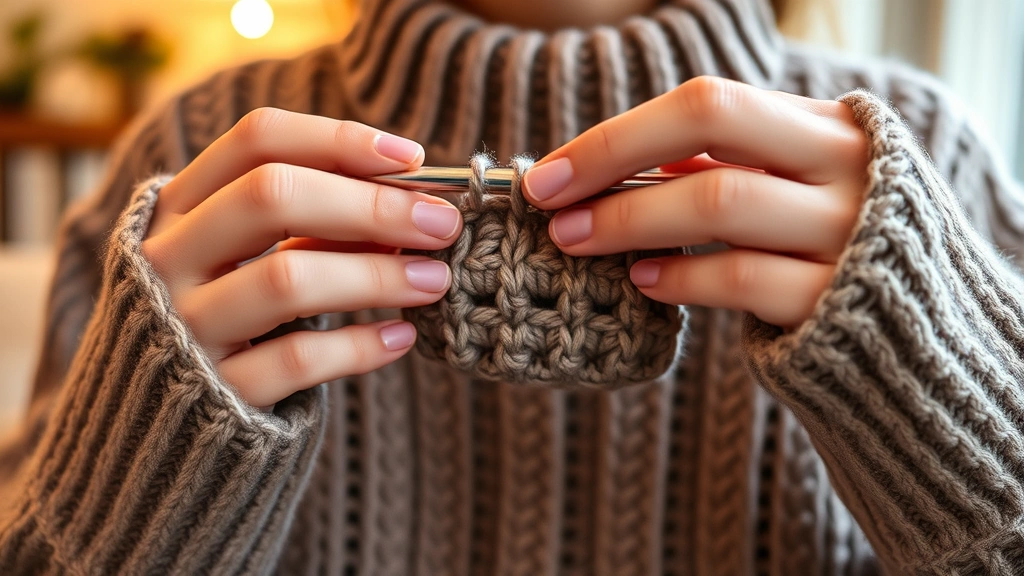
Matching Yarn to Patterns and Substitutions
This is where a lot of people get stuck. You find a pattern you absolutely love, but the yarn it calls for is either unavailable, too expensive, or just not your vibe. Can you substitute? Yes. Should you? Only if you understand yarn weight and how to adapt.
The Golden Rule: You can substitute yarn weights, but you have to understand that your project will change. A sweater pattern written for worsted weight DK will fit differently, use less yarn, and work up faster if you use DK. A blanket pattern for bulky might become a lap blanket if you use worsted. This isn’t bad—it’s just different.
How to Substitute Successfully: First, check the yardage. If a pattern calls for 1,000 yards of worsted weight and you want to use DK, you’ll need approximately 1,500 yards of DK (because DK is thinner, you need more length to get the same weight). Second, swatch. Seriously, make a 4×4 inch swatch in your chosen yarn and measure your gauge. If it’s significantly different from the pattern’s gauge, your finished project dimensions will be off. Third, be prepared to adjust. If your gauge is tighter than the pattern expects, you might need to go up a hook size. Too loose? Size down.
Here’s a resource that makes this easier: Ravelry is an absolute lifesaver for checking what yarn other crocheters have used for patterns, seeing their finished projects, and reading notes about substitutions they made. It’s like having thousands of friends who’ve already done the trial-and-error for you.
Also, Yarnspirations has tons of free patterns with clear yarn weight recommendations, and you can often find multiple patterns using the same yarn weight, which helps you understand what’s possible with that thickness.
Fiber Content Works Hand-in-Hand with Weight
Here’s something that surprises people: two yarns can be the same weight but feel and perform completely differently because of what they’re made from. This matters.
Acrylic: Budget-friendly, durable, and comes in every weight you can imagine. It doesn’t breathe as well as natural fibers, so it’s not ideal for summer garments, but for blankets, amigurumi, and projects that need durability? Perfect. Acrylic is forgiving, easy to wash, and doesn’t require special care. Brands like Caron and Red Heart have excellent worsted and bulky weight options.
Wool: Warm, elastic, and creates beautiful stitch definition. Merino wool is softer than traditional wool. It’s perfect for sweaters, hats, and anything where you want warmth and structure. The trade-off? It’s pricier, and you need to care for it properly (usually hand wash, lay flat to dry). Wool takes dye beautifully, so you’ll see gorgeous colors.
Cotton: Breathable, perfect for summer items, and creates crisp stitch definition. Cotton is heavier than wool or acrylic at the same weight, so a worsted-weight cotton blanket will be denser and heavier than a worsted-weight wool blanket. This is actually great if you want substantial fabric. Downside: cotton can be less elastic, so your stitches might look tighter.
Blends: A lot of modern yarn is a blend—wool and acrylic, cotton and acrylic, etc. Blends give you the best of both worlds: the warmth and elasticity of wool with the durability and affordability of acrylic, for example. Explore blends if you’re trying to find the sweet spot between cost and performance.
The fiber content affects how your yarn choice impacts the final project in ways weight alone doesn’t. A bulky-weight acrylic blanket feels different than a bulky-weight wool blanket, even though they’re the same thickness. Consider what you actually want to make and what you want it to feel like.
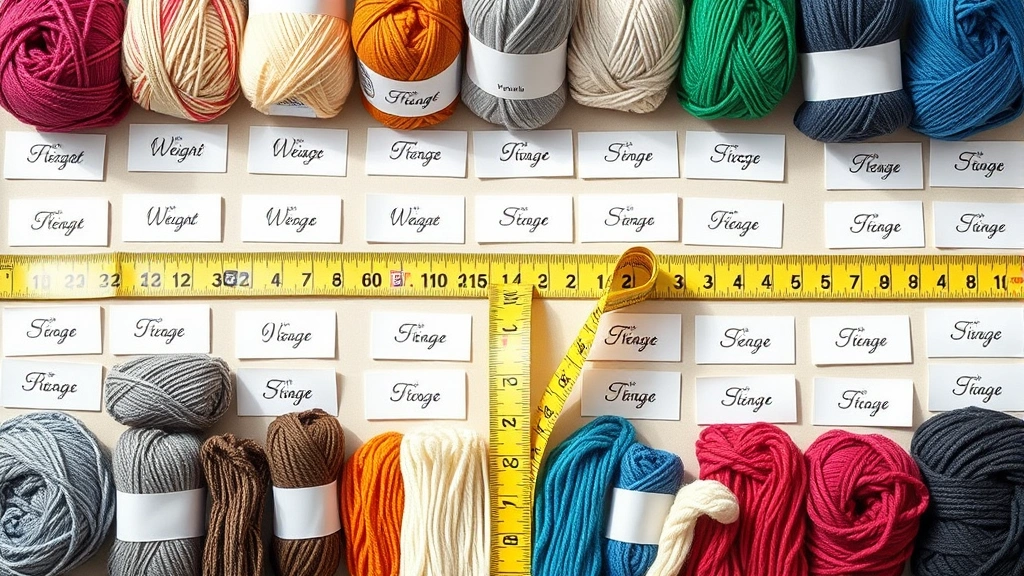
Practical Tips for Choosing Yarn Weight Like a Pro
1. Start with the Pattern, Not the Color: I know, I know. The color is what drew you to the yarn in the first place. But here’s the thing: if the pattern calls for DK weight and you pick a gorgeous bulky-weight yarn, you’re going to have to adapt the pattern significantly. Start by finding patterns you love, note what weight they call for, and then go shopping for colors in that weight. You’ll have way better results.
2. Consider Your Finished Project’s Purpose: Is this a sweater for winter? Worsted or bulky weight. A baby blanket? DK or sport weight—something soft but with enough structure. A summer shawl? Fingering or sport weight for drape. An amigurumi? Worsted or DK so your stuffing doesn’t peek through. The weight should serve the purpose.
3. Check the Yardage Per Weight: Yarn labels tell you yardage and weight (like “200 yards, 100 grams”). A heavier yarn has fewer yards per skein. If you’re buying yarn for a project that needs 1,000 yards, you might need five skeins of worsted weight but only three skeins of bulky weight. This affects your budget and the number of skeins you’re actually buying.
4. Make a Swatch Before Committing: I cannot stress this enough. Buy one skein, make a 4×4 inch swatch, measure your gauge, and see how the yarn feels in your hands. Does it split easily? Is it scratchy? Does the color look right to you in person? A swatch takes 20 minutes and saves you from buying five skeins of yarn you don’t actually love.
5. Understand Gauge Matters: The gauge listed on a pattern (like “16 stitches = 4 inches”) is calculated for a specific yarn weight and hook size. If your gauge is off, your finished project will be the wrong size. This is why swatching isn’t optional—it’s the difference between a sweater that fits and one that doesn’t.
6. Don’t Be Afraid of Yarn Substitution Resources: If you want to use a different yarn than what a pattern calls for, use tools like the Craft and Yarn Council’s weight chart to understand equivalent weights, and always check Ravelry to see what other crocheters have actually used. Real-world experience beats guessing.
7. Think About Care and Durability: If you’re making something for a kid or a pet, durability matters more than luxury. Acrylic or acrylic blends are machine-washable and forgiving. If you’re making a gift for someone special, natural fibers like wool or cotton might feel more special, even if they require more care. Both are valid—just be intentional.
Common Mistakes and How to Avoid Them
Mistake #1: Buying Yarn Before Reading the Pattern
You see beautiful yarn, fall in love, buy five skeins, and then try to find a pattern that fits. This rarely works out. The pattern you find might need a different weight, different yardage, or different fiber content. Instead: find the pattern first, note the exact yarn weight and yardage, then go shopping. You’ll actually finish projects this way.
Mistake #2: Ignoring Gauge
“I’ll just make it work” is not a crochet strategy. Gauge matters for fit, drape, and overall appearance. If you’re off by even two stitches per inch, a sweater can be several sizes different. Make the swatch. Measure it. Adjust your hook size if needed. It takes 15 minutes and prevents heartbreak.
Mistake #3: Assuming All Worsted Weight is the Same
It’s not. A worsted-weight acrylic behaves differently than worsted-weight wool or cotton. The weight is the same, but the fiber content changes everything. Check the label. Read reviews. Understand what you’re getting.
Mistake #4: Choosing Weight Based on Speed Alone
Sure, bulky weight is fast. But if you’re making a delicate shawl or a fitted garment, bulky weight isn’t going to give you the look you want. Choose weight based on the project’s purpose, not just how quickly you want to finish.
Mistake #5: Not Checking Yardage Carefully
Two skeins of different yarn weights can weigh the same but have wildly different yardage. Always check yards per skein, not just grams. If a pattern needs 1,000 yards and your yarn has 200 yards per skein, you need five skeins. If it has 300 yards per skein, you need four. This affects your budget and whether you have enough yarn.
Mistake #6: Skipping the Fiber Content Check
Fiber matters. Acrylic might be perfect for a baby blanket (machine washable, affordable), but it’s not breathable enough for a summer sweater. Wool is warm but needs special care. Cotton is crisp but less elastic. Know what you’re getting and why it matters for your project.
Frequently Asked Questions
Can I use a different yarn weight than what the pattern calls for?
Technically, yes, but you need to understand the consequences. Your finished project will be a different size, use different amounts of yarn, and have a different look. You’ll need to adjust the pattern (often by changing hook size or row counts) and swatch to check your gauge. It’s doable, but it requires knowledge and flexibility. Check Ravelry to see how others have made substitutions with the same pattern.
What’s the best yarn weight for a beginner?
Worsted weight is ideal for beginners because it’s forgiving, works up reasonably fast, and most patterns are written for it. It’s thick enough to see your stitches clearly, but not so bulky that it’s awkward to handle. Start with worsted, get comfortable with your technique, and then explore other weights once you understand how they affect your projects.
How do I know if a yarn will work for my project?
Check the pattern’s yarn weight requirement, look at the yardage you’ll need, and verify that the yarn you’re considering meets those specs. Make a swatch to check gauge. Read reviews on Ravelry to see what other crocheters have done with that yarn. If everything checks out, you’re good to go.
Why does my finished project look different than the pattern photo?
Usually because of gauge or yarn weight differences. If your gauge is tighter or looser than the pattern’s, your stitches will look different. If you used a different yarn weight, the drape and stitch definition will be different. This doesn’t mean you did something wrong—it just means your project is uniquely yours. If you want it to match the pattern more closely, swatch first and adjust your hook size to match the pattern’s gauge.
Is acrylic yarn bad?
Not at all. Acrylic is affordable, durable, and comes in every weight and color imaginable. It’s perfect for blankets, amigurumi, practice projects, and anything that needs to be machine-washable. The “natural fibers are better” gatekeeping isn’t helpful. Choose the fiber that works for your project and your budget. You do you.
What’s the difference between DK and worsted weight?
DK is thinner and lighter than worsted. You’ll need more yardage to complete a project with DK, and the finished fabric will be more delicate with better stitch definition. Worsted is thicker, uses less yardage, and creates more substantial fabric. For the same pattern, DK will create a lighter, more elegant version, while worsted will be sturdier. Neither is better—they’re just different.
Choosing the right yarn weight isn’t as complicated as it seems once you understand what weight actually means and how it affects your finished project. Start by picking a pattern you love, note the weight it calls for, swatch in your chosen yarn, and adjust your hook size if needed to match the pattern’s gauge. From there, you’re set. And remember: understanding yarn weight categories is a skill you build over time. Your first projects might not be perfect, and that’s completely okay. Every crochet project teaches you something new about how yarn behaves, how weight affects drape and structure, and what you actually enjoy making. Embrace the learning process, trust your instincts, and don’t be afraid to ask for help in online communities or at your local yarn shop. You’ve got this.