Finding Your Perfect Crochet Yarn: A Beginner’s Guide to Fiber Types, Weight, and Feel
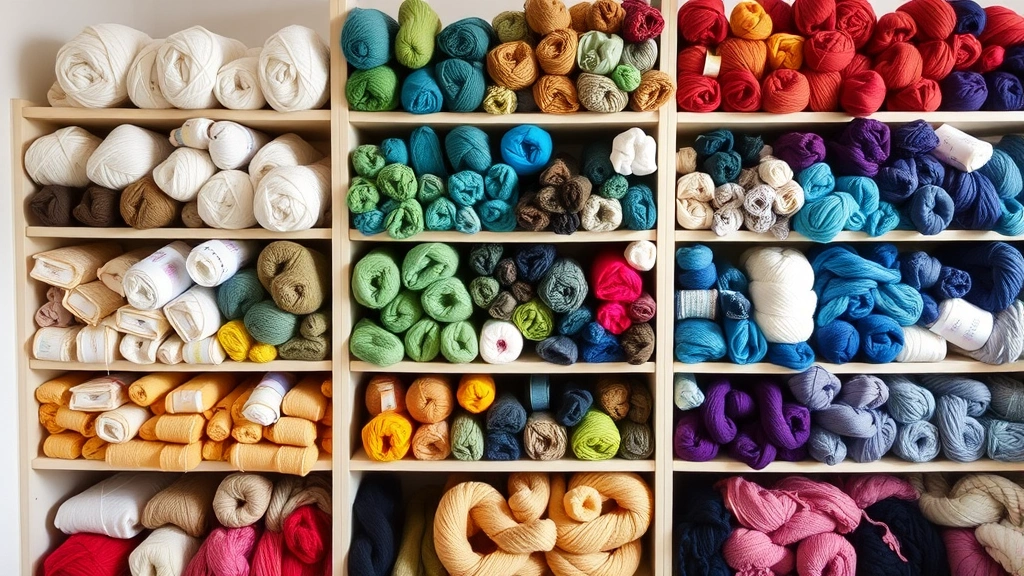
There’s this moment when you’re standing in front of a yarn wall—whether it’s at a local shop or scrolling through an online marketplace—and you feel completely overwhelmed. So many colors, so many textures, and everyone’s throwing around terms like “worsted weight” and “superwash” like you’re supposed to know what they mean. I get it. Choosing yarn for crochet isn’t just about picking something pretty; it’s about understanding what’ll actually work for your project, your hands, and your lifestyle.
The truth is, picking the right yarn can make or break your crochet experience. The wrong choice might leave you frustrated with a project that feels scratchy against your skin, or one that’s so slippery you can’t keep your tension consistent. But when you find yarn that clicks with you? That’s when crochet becomes pure joy. This guide walks you through everything you need to know to confidently choose yarn for any project.
Understanding Fiber Types and Their Qualities
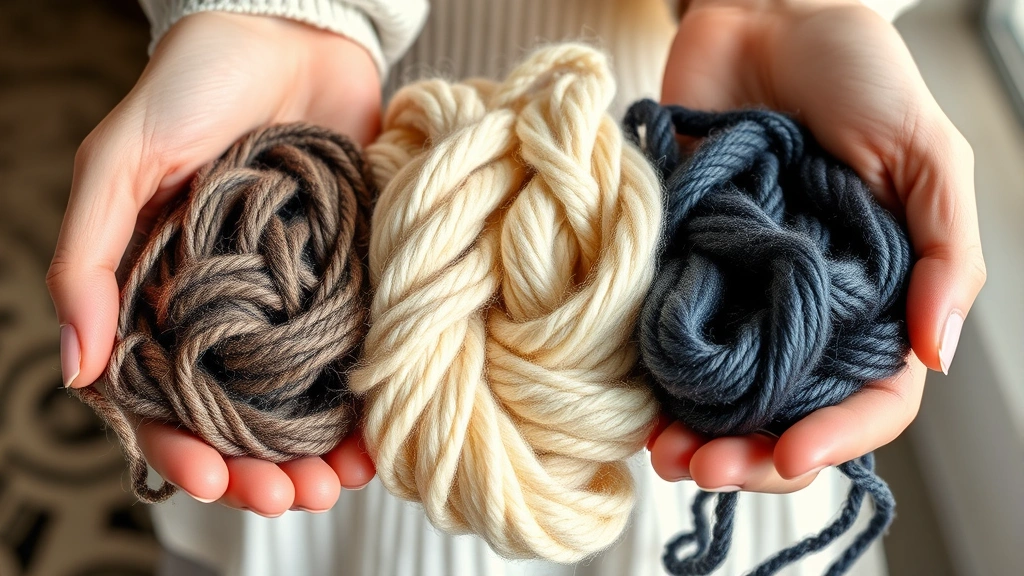
When we talk about yarn fiber, we’re really talking about what the yarn is made from—and this matters way more than you’d think. Each fiber type has its own personality, and understanding that personality helps you predict how your finished project will feel, wear, and behave over time.
Acrylic yarn is the workhorse of the crochet world, and honestly, there’s no shame in that. Acrylic is affordable, comes in practically every color imaginable, and it’s super forgiving when you’re learning. It doesn’t require special care—throw it in the washing machine, and it’ll survive just fine. The catch? It can feel a bit plasticky, especially in cheaper varieties, and it doesn’t breathe like natural fibers. It’s also prone to pilling with wear, though quality matters here too. Budget-conscious makers and people allergic to natural fibers often find acrylic is their best friend. Check out brands like Lion Brand for solid beginner-friendly acrylic options.
Wool is the classic for a reason. It’s warm, it bounces back beautifully (meaning your stitches stay defined), and it has this lovely natural elasticity that makes crochet feel easier. Merino wool is softer than traditional wool, so if you’ve had bad experiences with scratchy sweaters, merino might change your mind. The downside? Wool needs gentler care—hand washing in cool water is ideal, and you’ve got to watch out for felting if you’re not careful. It’s pricier than acrylic too. If you’re making something you want to last years and years, though, wool is worth the investment.
Cotton is perfect for summer projects, dishcloths, and anything you want to breathe. It’s crisp, it drapes beautifully, and it actually gets softer with washing. The trade-off is that cotton doesn’t have much stretch, so your tension needs to be more consistent, and your hands might get tired faster since there’s no give in the fiber. Cotton also takes dye beautifully, so you’ll see some stunning colors. It’s heavier than wool or acrylic for the same yardage, though, which means your finished projects might be weightier.
Blends are where the magic happens for a lot of crocheters. A wool-acrylic blend gives you the affordability of acrylic with some of the elasticity and warmth of wool. Cotton-acrylic blends are easier to care for than pure cotton while keeping that breathable quality. The key is reading the fiber content percentage—if acrylic is listed first, you’re getting more acrylic characteristics, and vice versa.
Specialty fibers like bamboo, linen, alpaca, and silk each bring something unique. Bamboo is silky and drapes gorgeously. Linen is sturdy and gets softer with age. Alpaca is unbelievably soft and warm but can be pricey. These fibers are fantastic when you’re ready to splurge on a special project, but they often require specific care instructions, so check the label.
Decoding Yarn Weight and Thickness
Yarn weight is standardized by the Craft Yarn Council, and understanding it is absolutely crucial because it determines how many stitches you’ll work, how fast your project grows, and ultimately what your finished piece looks like. This isn’t about the actual weight of the yarn—it’s about thickness.
The standard yarn weights go from 0 (Lace) all the way to 7 (Jumbo), but most crocheters work with weights 2-5. Here’s the breakdown:
- Lace (0) and Fingering (1) are thin and delicate. These create intricate lace patterns and take forever to work up, but the results are stunning. If you’re just starting out, skip these for now.
- Sport (2) and DK (3) are light and perfect for garments that need to drape. They work up slowly but give you beautiful stitch definition. Great for summer tops and delicate items.
- Worsted (4) is the sweet spot for most crocheters. It works up at a decent pace, comes in infinite colors and brands, and is forgiving enough for beginners while still being satisfying to work with. Most patterns you’ll find are written for worsted weight.
- Bulky (5) and Super Bulky (6) work up incredibly fast—like, you can finish a blanket in a weekend fast. They’re chunky and cozy, perfect for afghans and winter accessories. The downside is that stitch definition can get lost, and they show tension inconsistencies more obviously.
- Jumbo (7) is the extreme—think arm knitting thick. It’s fun for statement pieces, but not many patterns are written for it.
Here’s a practical tip: the yarn label will tell you the recommended hook size and the stitch gauge (how many stitches and rows you should get per 4 inches). This matters because using the wrong hook size means your project won’t match the pattern’s finished dimensions. If you use a larger hook than recommended, your stitches get looser and your project gets bigger. Smaller hook, tighter stitches, smaller project. It’s one of those things that seems confusing until you actually try it once, then it clicks.
Texture, Feel, and How They Impact Your Project
Beyond fiber type and weight, texture is where yarn gets personal. Some yarn is smooth and sleek, some is fuzzy and cuddly, some is bumpy and textured. This isn’t just aesthetic—texture affects how your stitches look and how the finished project feels on skin.
Smooth yarn shows off stitch definition beautifully. If you’re working a complicated stitch pattern, smooth yarn lets every detail shine. But here’s the thing—smooth yarn is also slippery, which means it’s harder to control if you’re still learning tension. Your stitches might accidentally get bigger or smaller as you work.
Fuzzy yarn (like chenille or novelty yarns) is incredibly forgiving because the fuzz hides minor tension inconsistencies. But that same fuzz makes it nearly impossible to see your stitches, which means frogging (ripping out mistakes) becomes a nightmare. Save fuzzy yarn for when you’re confident in your stitch work or for projects where perfection isn’t the goal.
Textured yarn (like boucle, tweed, or variegated) adds visual interest without requiring complicated stitch patterns. A simple single crochet in a beautiful variegated yarn can look way more complex than it actually is. The downside is that texture can obscure your stitches, making it harder to troubleshoot if something goes wrong.
Splitty yarn is frustrating. Some yarn (especially cheaper acrylic) splits easily when you insert your hook, meaning the strand separates and you end up crocheting with partial strands. Higher-quality yarn resists splitting, which makes your whole experience smoother. This is one area where spending a bit more really pays off.
Think about where your finished project will be used. A blanket that’ll be washed frequently? You want durable, easy-care fiber. A shawl worn over clothes? You can go with something delicate and beautiful. A baby item? You’ll want something soft and washable. A dishcloth? Cotton’s your friend. When you match texture and fiber to purpose, your projects last longer and feel better.
Care Considerations and Durability
Here’s what nobody tells beginners: the yarn you choose determines how much work your finished project will be to maintain. And honestly, if you’re making something beautiful, you want to be able to actually use it without stressing about ruining it.
Acrylic is the low-maintenance option—machine wash cold, tumble dry low, and you’re done. No special treatment needed. This is huge if you’re making gifts for people who won’t baby their items, or if you’re making stuff for kids or pets that’ll get rough treatment.
Wool requires hand washing in cool water with wool-specific soap, then laying flat to dry. It’s not complicated, but it does require intentionality. The upside is that wool is incredibly durable—a well-made wool sweater can last decades if you care for it properly. Superwash wool (which has been treated to be machine washable) is a middle ground if you want wool’s qualities without the fussy care.
Cotton is machine washable and actually improves with washing, but it takes forever to dry and can wrinkle. If you’re making something decorative or something that’ll be washed frequently (like dishcloths), cotton’s durability makes it worth it.
Blends usually take on the care requirements of their dominant fiber. A wool-acrylic blend leans toward wool care; an acrylic-cotton blend is usually fine with gentle machine washing.
The care label on your yarn will tell you everything you need to know. But here’s my real-talk advice: be honest with yourself about whether you’ll actually follow care instructions. If you won’t, choose yarn that doesn’t require it. There’s no point making a beautiful wool sweater if you’re going to machine wash it and felt it by accident because you forgot the special care. Make something you’ll actually want to use.
Budget-Friendly Approaches to Yarn Shopping
Quality yarn is an investment, and that’s okay. But there are smart ways to stretch your yarn budget without sacrificing the joy of making things.
First, understand that Ravelry is your friend. This free website lets you search for patterns, track your yarn stash, and most importantly, read honest reviews from other crocheters about specific yarn brands. Someone’s already tested that yarn and written about whether it’s worth the money. Use their experience.
Buy yarn on sale when you can, but buy it for projects you actually want to make—not just because it’s cheap. Stash creep is real, and a closet full of yarn you’re not excited about doesn’t help anyone. Set a budget for yarn before you shop, and stick to it. It’s weirdly easy to spend $100 without realizing it.
Consider buying yarn in bulk from wholesale retailers if you find something you love. One large skein is often cheaper per ounce than buying several smaller ones. Plus, you get to really get to know a yarn and what it’s capable of.
Thrift stores and estate sales sometimes have vintage yarn. It’s often a gamble quality-wise, but if you’re budget-conscious, it can be fun to experiment. Just check for moth damage and make sure it’s not been stored in weird conditions (like a damp basement).
Don’t skip the mid-range brands in favor of the cheapest option. There’s a sweet spot where yarn is affordable AND pleasant to work with. Brands like Yarnspirations and Red Heart offer solid quality without breaking the bank.
Matching Yarn to Your Crochet Projects
The magic happens when you match the right yarn to the right project. This is where your yarn knowledge becomes practical.
For blankets and afghans, you want yarn that’s durable and easy to care for. Worsted weight acrylic or acrylic-wool blends are perfect here. Bulky weight if you want it to work up fast. Avoid delicate fibers that’ll pill with regular washing.
For wearables like sweaters and shawls, drape and softness matter. DK or sport weight wool, cotton blends, or quality acrylic all work beautifully. Think about who’ll wear it and whether they’ll hand wash it. If they won’t, go with superwash wool or acrylic blends.
For baby items, softness and washability are non-negotiable. Merino wool, superwash wool, or soft acrylic. Avoid anything scratchy or hard to care for. Babies’ skin is sensitive, and you want their caregivers to actually wash the item without stress.
For amigurumi (stuffed toys), you want yarn that won’t show gaps between stitches. Worsted weight in a yarn that’s not too splitty is ideal. Solid colors show stitch definition better than variegated.
For lacy projects and shawls, lighter weights (lace, fingering, sport, DK) and yarn with good drape work best. Natural fibers like wool or cotton shine here because they hang beautifully.
For dishcloths and kitchen items, cotton is your MVP. It’s absorbent, durable, and actually gets softer with washing. Plus, it’s often the most affordable option for what you’re getting.
Here’s a pro tip: before committing to a whole project, buy one skein and make a swatch. Crochet a 4-inch square with your intended stitch, wash it the way the finished project would be washed, and see how it feels and behaves. This small investment of time and money saves you from committing to 20 skeins of yarn you end up hating.
When you’re learning new stitches, like understanding different crochet stitches or mastering tension control, choose yarn that’s forgiving—medium weight, not too slippery, and in a solid color so you can actually see what you’re doing. Save the fancy yarn for when you’re confident in your skills.
Frequently Asked Questions
What’s the difference between yarn weight and fiber weight?
Yarn weight refers to thickness (how many stitches per inch). Fiber weight is what the yarn is made from (wool, cotton, acrylic, etc.). The label will tell you both—fiber content and recommended weight for that yarn. They’re different things, and both matter for your project.
Is expensive yarn always better?
Not necessarily. Expensive yarn is sometimes better because it’s higher quality—less splitty, softer, more durable. But sometimes you’re paying for the brand name. Mid-range yarn often gives you the best value. The best yarn is the one that excites you to work with and suits your project’s purpose.
Can I substitute one yarn for another in a pattern?
Yes, as long as you match the weight and check your gauge. If the pattern calls for worsted weight, any worsted weight yarn should work. But different fibers behave differently—a wool substitute will have different drape than acrylic, for example. Always swatch and check your gauge before committing.
What does “superwash” mean?
Superwash wool has been treated to be machine washable without felting. It’s perfect if you want wool’s qualities without the fussy hand-washing. It costs a bit more, but it’s worth it if care is a concern.
How do I know if yarn is good quality?
Good quality yarn has consistent thickness, doesn’t split easily when you crochet, and feels pleasant in your hands. It holds its shape after washing and doesn’t pill excessively with wear. Reading reviews on Ravelry before buying helps, and testing a single skein before buying multiples is smart.
What should I look for on a yarn label?
The label tells you fiber content (what it’s made from), weight category, recommended hook size, yardage, care instructions, and dye lot. The dye lot matters if you’re buying multiple skeins—same dye lot means consistent color. Different dye lots can have slight color variations.
Is acrylic yarn bad?
Not at all. Acrylic is affordable, durable, comes in every color imaginable, and is perfect for learning and for projects that need easy care. Some people find it doesn’t feel as lovely as natural fibers, but plenty of beautiful projects are made with quality acrylic. Use what works for you and your budget.