The Complete Guide to Choosing Yarn for Your Crochet Projects
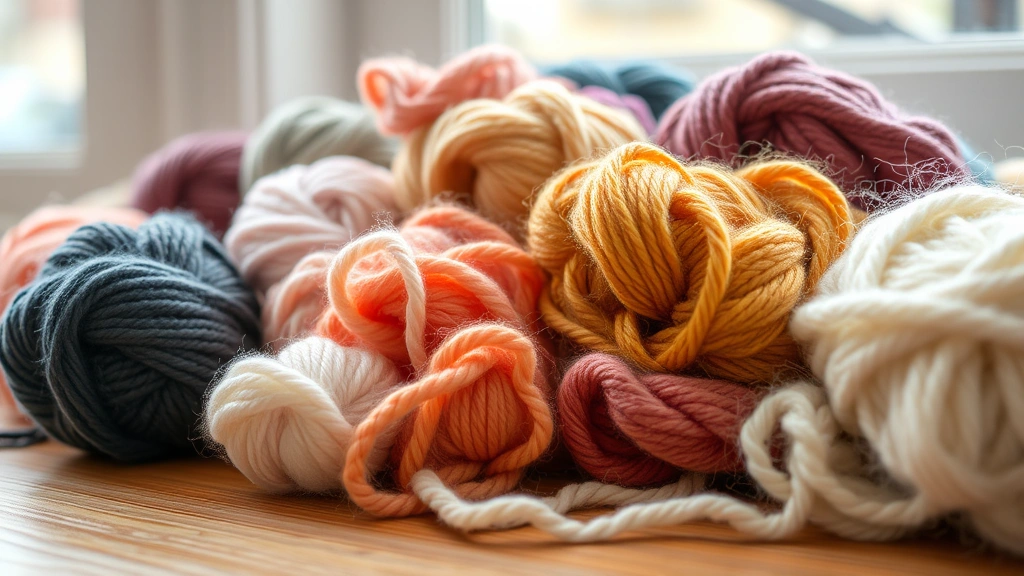
There’s something genuinely magical about walking into a yarn shop and seeing all those colors, textures, and weights calling to you. But here’s the thing—picking the right yarn for your crochet project isn’t just about falling in love with a pretty skein. It’s actually the foundation of whether your finished project will feel amazing, hold its shape, and become something you genuinely want to wear or gift to someone you care about. I’ve been there, standing in front of a wall of yarn, completely overwhelmed by choices, wondering if that gorgeous mohair blend would actually work for the sweater I had in mind. So let’s break this down together, because choosing yarn doesn’t have to be confusing or stressful.
The truth is, once you understand the basics of yarn weight, fiber content, and how different materials behave, you’ll actually start enjoying the selection process way more. You’ll know exactly what questions to ask yourself before buying, and you’ll avoid those disappointing projects where the yarn just didn’t cooperate. Whether you’re making your first dishcloth or planning an intricate blanket, this guide is going to walk you through everything you need to know.
Understanding Yarn Weight and Its Impact
Yarn weight is probably the most critical thing you need to understand, and honestly, it’s not as complicated as it might seem. The weight system (from lace to jumbo) tells you how thick the yarn is, which directly affects how fast your project works up and what it’ll look and feel like when you’re done. If you grab a bulky weight yarn when your pattern calls for sport weight, you’re going to end up with something that doesn’t match the intended design—it might be too stiff, too loose, or just completely different in drape.
Here’s what you need to know: the Yarn Standards Council has created a universal weight system that goes from 0 (lace) all the way up to 7 (jumbo). Most crocheters work with weights 2 through 5—that’s fingering, sport, worsted, and bulky. When you’re looking at a pattern, it’ll specify which weight you need. Don’t ignore this. I know it’s tempting to substitute because you found the perfect color in a different weight, but that’s honestly where projects go sideways.
The weight also determines your hook size and stitch density. A thicker yarn needs a bigger hook, which means your stitches will be larger and looser. This affects everything: how much yardage you’ll actually need, how long the project takes, and whether it has the right amount of structure. When you’re choosing yarn for a fitted garment, weight becomes even more important because you want the fabric to have enough body to hold its shape.
One practical tip: always check the label for the recommended hook size and yardage per 100 grams. This tells you immediately if you’re in the right ballpark. If the label says “US 5-7 hook” and your pattern recommends a size 6, you’re golden. If it says “US 9-11” and you need a size 5, that’s your sign to keep looking.
Fiber Content: Natural, Synthetic, and Blends
Okay, so this is where things get really interesting because fiber content changes literally everything about how your finished project behaves. Natural fibers like wool, cotton, and bamboo each have their own personality, and so do acrylics and synthetics. The best choice depends on what you’re making and what matters to you most.
Wool is the classic choice for good reason. It’s warm, it’s forgiving (seriously, you can fudge tension and it’ll still look good), and it has natural elasticity that helps garments hold their shape. Merino wool is softer and less itchy than traditional wool, making it amazing for wearables. The downside? Wool can felt if you’re not careful, and it’s usually pricier. It’s also not ideal if someone has allergies or sensitivities.
If you’re making something that needs to be soft against skin and you want natural fiber, cotton is your friend. It’s breathable, durable, and perfect for summer items, dishcloths, and baby items. Cotton doesn’t have the stretch that wool does, so your gauge matters more here. It also can feel a bit stiff initially, but softens beautifully with washing. The trade-off is that cotton items tend to be heavier and they don’t bounce back quite like wool does.
Acrylic yarn gets a bad rap sometimes, but honestly? There’s a place for it in every crocheter’s stash. It’s affordable, it comes in practically every color imaginable, it’s easy to care for, and some newer acrylics feel genuinely lovely. It doesn’t breathe like natural fibers, so it’s not ideal for summer wear, but for blankets, amigurumi, and projects you want to be durable and washable, acrylic is fantastic. Plus, when you’re experimenting with a new technique or pattern, practicing with acrylic makes financial sense.
Blends are where you can get the best of both worlds. A wool-acrylic blend gives you the elasticity and warmth of wool with better affordability and easier care. A cotton-acrylic blend gives you the breathability of cotton with more forgiveness. When you’re choosing yarn, look at the fiber content percentage—if wool is listed first, there’s more wool than other fibers.
Here’s something important to consider: how you’ll care for the finished project. If you’re making a baby blanket for someone who’s going to wash it constantly, durability matters more than luxury. If you’re making something you’ll hand-wash occasionally, you have more freedom. Check the care instructions on the label—some yarns require delicate washing, others can handle the machine.
Yardage and Project Planning
This is where a lot of people get tripped up, and it’s actually pretty straightforward once you understand it. Yardage tells you how much yarn you’re getting, and it’s crucial for calculating whether you have enough to complete your project. It’s different from weight—you could have two yarns that both weigh 100 grams but have completely different yardages because one is thicker than the other.
Always check your pattern for the yardage requirement before you buy. Then look at the yardage on the yarn label (usually listed as yards per skein or meters per skein). Multiply the number of skeins you’re buying by the yardage per skein to get your total. If the pattern needs 1200 yards and you’re buying yarn with 400 yards per skein, you need three skeins. Seems obvious, but I’ve definitely bought yarn only to get home and realize I was short.
Here’s a practical approach: buy a tiny bit extra if you can. Even if it’s just one extra skein, having that cushion means you won’t panic if you make a mistake, need to frog back (that’s unraveling stitches for non-crocheters), or want to add a border. Plus, you’ll always have matching yarn for future repairs.
When you’re considering different yarn weights for similar projects, remember that heavier yarn means fewer yards needed. A bulky weight blanket will use way less yardage than a worsted weight blanket of the same dimensions. This is why weight matters—it affects both your hook size and your yardage calculations.
If you’re working with hand-dyed or indie yarn that’s not mass-produced, check the dye lot number on the label. Yarn dyed in different batches can have slightly different colors, and you want all your skeins to match. This is less of an issue with commercial brands, but it’s worth knowing about.
Texture, Drape, and Feel
This is the part that’s actually about joy and satisfaction, and it matters way more than people think. A yarn can have perfect yardage and be the right weight, but if it feels scratchy or doesn’t drape the way you want, you’re not going to enjoy making with it or wearing the finished project.
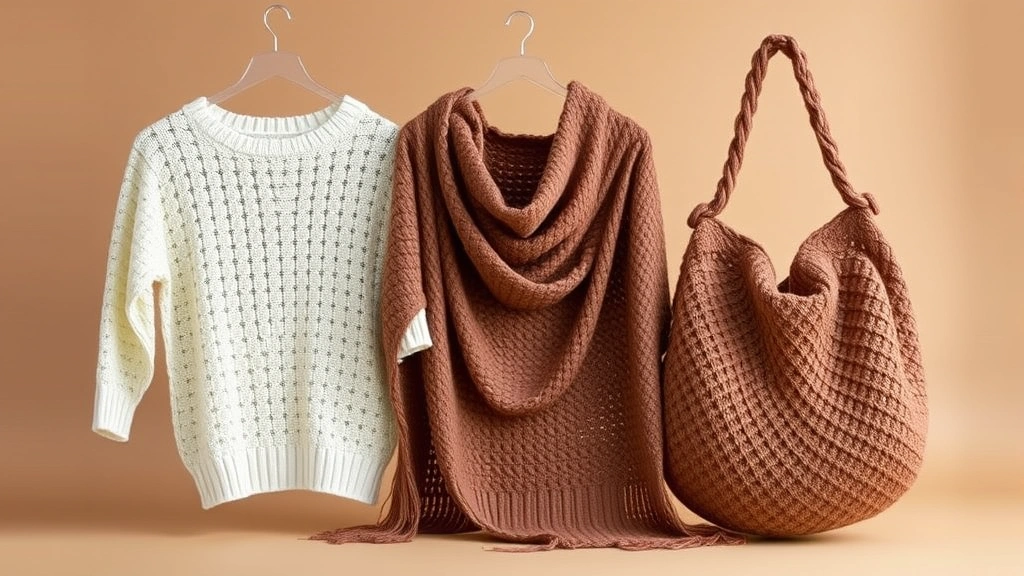
Drape refers to how fabric hangs and moves. Some yarns create stiff, structured fabric, while others create flowing, drapey fabric. This depends on fiber content, twist, and construction. If you’re making a fitted sweater, you probably want some drape so it doesn’t look boxy. If you’re making a bag or structured garment, you might want something with more body. The pattern will usually guide you here, but understanding drape helps you make smart substitutions.
The feel of yarn in your hands affects how much you’ll enjoy the actual process of crocheting. Some yarn is smooth and easy to work with, other yarn is splitty (meaning the hook catches individual plies and it’s frustrating). Some yarn is soft and squishy, other yarn is wiry. Fuzzy yarn like mohair or eyelash yarn can be gorgeous in the finished project but harder to see your stitches while working. Novelty yarns with texture can be fun, but they’re usually harder to frog if you make mistakes.
If you can, feel the yarn before buying. Wrap it around your hand, imagine holding it for hours while crocheting. Does it feel pleasant? Does it feel sturdy enough for what you’re making? Yarn shops usually let you handle skeins before purchasing, and that tactile test is genuinely valuable. If you’re ordering online, check reviews from other crocheters—they’ll often mention how the yarn feels to work with.
Color is fun, but don’t let it override practical considerations. A beautiful variegated yarn might hide your stitch definition, which is frustrating if you’re making something with a detailed stitch pattern. Solid colors show off texture and stitch work beautifully. Lighter colors show tension variations more readily, while darker colors can hide them (but also hide stitch detail). None of these are bad—they’re just different, and knowing what you’re choosing helps you make intentional decisions.
Budget Considerations and Quality
Let’s be real: yarn can get expensive, and it’s easy to feel like you need to choose between quality and affordability. Here’s the honest truth—you don’t always have to pick one or the other.
Budget-friendly options like acrylic from mainstream brands are genuinely good quality these days. Brands like Yarnspirations and other commercial yarn producers have made huge strides in creating affordable yarn that performs well. You can make beautiful projects without spending a fortune. I’ve seen stunning afghans made with basic acrylic that looked just as good as ones made with luxury yarn.
Higher-end yarns—merino, cashmere blends, specialty fibers from independent dyers—are absolutely gorgeous and feel incredible. They’re worth it for special projects or wearables you’ll treasure. But you don’t need to use luxury yarn for every single project.
Smart budgeting means matching yarn quality to project purpose. Use affordable yarn for practice projects, items that need durability and frequent washing, or large projects like blankets where cost adds up fast. Splurge on yarn for fitted garments, items you’ll wear constantly, or special gifts where the luxury feel matters.
Check if your local yarn shops have sales or clearance sections. Online retailers often have better prices on discontinued colors. Yarn swaps and secondhand sites like Ravelry let you buy yarn other crocheters aren’t using. You can find amazing deals if you’re patient.
Don’t fall into the trap of buying cheap yarn that feels awful just because it’s inexpensive. You’ll dread working with it, and that’s not worth the savings. Spend a little more on yarn that feels good—your hands will thank you during those long crochet sessions.
Testing Your Yarn Before Committing
Before you commit to making an entire project with yarn you’ve never worked with, take time to test it. This is genuinely one of the best habits you can develop as a crocheter.
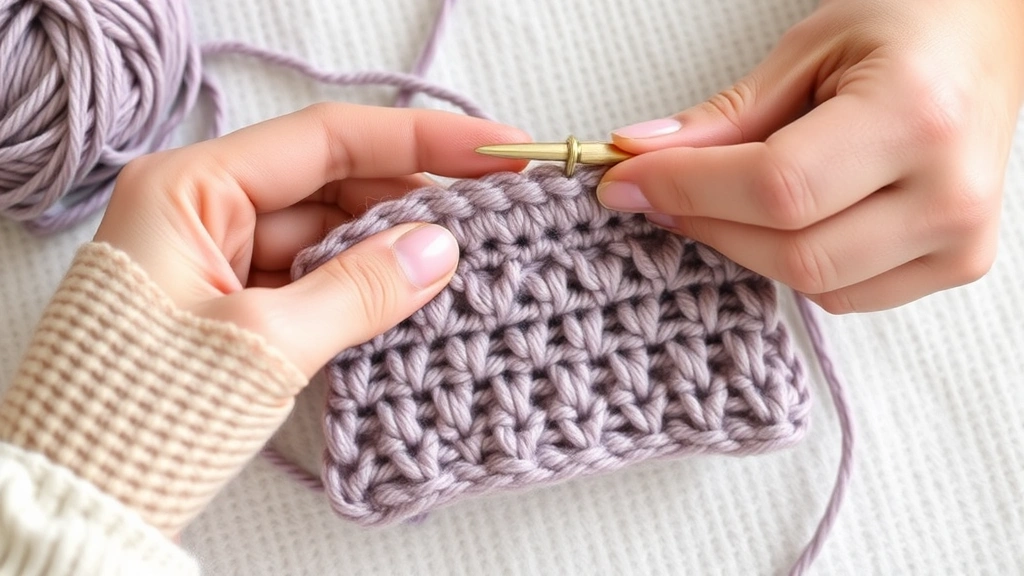
Make a swatch with your chosen yarn and hook size. Crochet at least a 4×4 inch square in your pattern stitch (or basic single crochet if the pattern isn’t specified). This gives you so much information: how the yarn feels in your hands, how it looks when crocheted, whether your tension works well with it, and how it behaves. Wash and block the swatch according to the yarn label instructions. Does it hold its shape? Does the color bleed? Does it soften or get fuzzy? This is invaluable information before you start a big project.
If you’re making a garment, measure your swatch after blocking and calculate your gauge (stitches and rows per inch). This is non-negotiable for fit. Even small gauge differences create garments that don’t fit, and you don’t want to spend weeks making something only to find it’s too big or too small.
Pay attention to how the yarn splits or catches on your hook. Some yarn is smooth and forgiving, other yarn is splitty and frustrating. Some yarn is hairy and creates a fuzzy fabric even if you don’t want that. Some yarn has a tight twist that creates crisp stitch definition, while loosely twisted yarn creates softer, fluffier fabric. Your swatch tells you all of this.
If you’re not happy with how the yarn performs, you haven’t wasted much—just a small amount of yarn and some time. Compare it to wasting multiple skeins on a full project that doesn’t work out. Testing is actually the most efficient use of your time and materials.
FAQ
Can I substitute a different yarn weight for what the pattern calls for?
Technically yes, but be prepared for the finished project to look and fit differently. Substituting requires recalculating gauge, yardage, and hook size. If you’re a beginner, I’d recommend sticking with the suggested yarn weight until you really understand how changes affect the outcome. Once you’re more experienced, substitutions become easier and more predictable.
What’s the difference between yarn weight and fiber weight?
Yarn weight refers to thickness (lace, fingering, sport, DK, worsted, bulky, etc.). Fiber weight refers to how much the yarn weighs—usually measured in grams per skein. These aren’t the same thing. You can have a light yarn (low gram weight) that’s still bulky (thick) because it’s loosely spun.
How do I know if yarn is good quality?
Good quality yarn has consistent thickness, doesn’t shed excessively, feels pleasant to work with, and holds its shape after blocking. Check reviews from other crocheters. Feel the yarn if possible. Look at the fiber content and care instructions. Sometimes the most expensive yarn isn’t the best quality for your needs—it’s about matching the yarn to the project.
Is acrylic yarn bad for crochet?
Not at all. Modern acrylic yarn is durable, colorfast, and affordable. It’s perfect for many projects. The main drawbacks are that it doesn’t breathe (so it’s not ideal for summer wear) and it can feel less luxurious than natural fibers. But for blankets, toys, and practice projects, acrylic is fantastic.
What should I do if I run out of yarn before finishing my project?
This is why buying extra is smart. If you do run short, you can sometimes find the same yarn online or at other shops. If that’s impossible, you might be able to add a contrasting border or stripe with different yarn, or you might need to unravel and adjust your pattern slightly. Prevention through careful yardage calculation is easier than problem-solving mid-project.
How important is the dye lot?
Dye lot matters most for hand-dyed and indie yarns where color variation between batches can be noticeable. For commercial yarns, it’s less critical, but matching dye lots is still the safest choice if you’re buying multiple skeins. If you’re buying online and can’t see dye lots, check if the seller notes them or buy from one dye lot if possible.
Should I wash yarn before using it?
Not usually. Yarn comes ready to use. However, if you’re concerned about color bleeding (especially with dark hand-dyed yarns), you can do a quick test by submerging a small amount in cool water. If significant dye comes out, you might want to pre-wash. For most commercial yarn, this isn’t necessary.