Choosing the Right Yarn Weight for Your Crochet Projects: A Complete Guide
Let’s be real—walking into a yarn shop or scrolling through an online store can feel absolutely overwhelming. There are so many colors, textures, and weights to choose from, and if you’re not sure what you’re looking for, it’s easy to grab something that sounds nice without thinking about whether it’ll actually work for your project. I’ve been there, and honestly, I’ve made some pretty interesting design choices because I picked yarn without thinking it through first.
The truth is, yarn weight is one of the most important decisions you’ll make before you even pick up your crochet hook. It affects how your finished project looks, how long it takes to complete, what hook size you’ll use, and even how much the whole thing costs. But here’s the good news—once you understand how yarn weights work and what they’re actually for, choosing the right one becomes way less stressful. You’ll feel confident grabbing yarn that’ll work perfectly for whatever you’re making.
Understanding Yarn Weight Categories
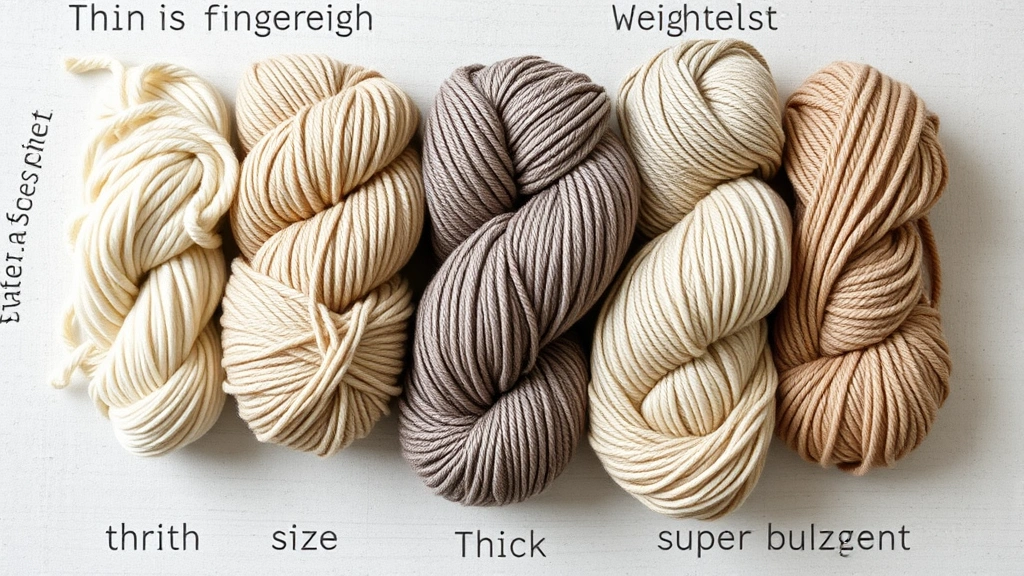
Yarn weights are officially numbered from 0 to 7, and each one has specific characteristics. Think of them as a scale that tells you how thick or thin the yarn is. The Craft Yarn Council created this standardized system so that patterns and yarn labels would speak the same language, which is genuinely helpful when you’re trying to figure out what’ll work.
Lace weight (0): This is the thinnest yarn you’ll typically work with. It’s delicate, creates intricate details, and requires patience and smaller hooks. Lace weight projects take forever but create absolutely stunning results. You’re looking at something like Ravelry patterns for shawls and doilies.
Fingering weight (1): Still pretty thin, but more manageable than lace weight. This is popular for socks and detailed garments. It gives you beautiful stitch definition because you can really see what you’re doing.
Sport weight (2): Getting a bit thicker now. Sport weight is great for lightweight garments and projects where you want some drape but also some structure. It’s not as delicate as fingering weight but still feels nice and refined.
Worsted weight (4): This is probably the most popular weight you’ll encounter. It’s thick enough to work up quickly, which is satisfying, but not so thick that you can’t see your stitches clearly. Most Yarnspirations patterns you’ll find are designed for worsted weight because it’s genuinely versatile.
Bulky weight (5): Now we’re talking thick yarn that works up super fast. Bulky projects can feel really rewarding because you see progress quickly, but they can also feel a bit stiff if you’re not careful with your stitch choice.
Super bulky weight (6): The heavy hitters. These yarns create dramatic textures and projects finish in hours, not weeks. They’re perfect when you want instant gratification or you’re making something chunky and cozy.
There’s also DK weight (3) and jumbo weight (7), which sit in the middle ranges. DK is lighter than worsted but heavier than sport—great for baby items. Jumbo is almost more of a specialty weight that works with your fingers or giant hooks.
How Yarn Weight Affects Your Projects
Here’s where it gets practical. The yarn weight you choose directly impacts four things: your finished fabric’s drape and structure, how long your project takes, what hook size you’ll use, and ultimately, your budget.
Drape and Structure: Lighter yarns create delicate, flowing fabrics. If you’re making a summer shawl or a lightweight cardigan, you want something that moves and breathes. Heavier yarns create stiffer, more structured fabrics. They’re amazing for amigurumi (because the stuffing stays put), blankets (because they provide warmth), and bags (because they hold their shape).
When you’re working with beginner-friendly crochet patterns, you’ll notice that most are written for worsted or bulky weight. That’s because these weights are forgiving—they’re thick enough that small tension inconsistencies don’t show up, but they’re not so thick that you lose stitch definition.
Time Investment: This is huge. A bulky weight blanket might take you 20 hours. The same size blanket in sport weight could take 60 hours. That’s not a judgment either way—sometimes you want a quick project, and sometimes you want something to work on for months. Just know what you’re signing up for.
Hook Size: Lighter yarns use smaller hooks (think size B or C), while heavier yarns use larger hooks (size L, M, or even bigger). This affects your hand comfort during long sessions. Some people love working with tiny hooks; others find them tiring. Some people prefer the feel of large hooks in their hands. This is worth considering when you pick your yarn.
Budget Reality: Here’s something nobody talks about enough: lighter yarns might look cheaper per skein, but you need more yardage to complete projects. A worsted weight blanket might need 2000 yards, but a bulky weight blanket might only need 800 yards. Do the math before you buy.
Matching Yarn Weight to Stitch Types
Different stitches work better with different yarn weights, and understanding this will make your projects look professional.
Lacy, Open Stitches: These include things like shells, V-stitches, and mesh patterns. They look best in lighter weights—fingering, sport, or DK. When you use heavy yarn with lacy stitches, the holes get enormous and the whole thing looks kind of unintentional, like you made mistakes. With lighter yarn, those open spaces create intentional, beautiful texture.
Dense Stitches: Single crochet, half double crochet, and tight patterns benefit from lighter to medium weights. These stitches are naturally dense, so if you pair them with super bulky yarn, your fabric becomes almost board-like. It’s not always bad—sometimes that’s exactly what you want—but it’s worth being intentional about.
Medium Stitches: Double crochet and treble crochet are the Goldilocks of the stitch world. They work with almost any weight, which is why they’re so popular. You can use them with worsted weight to create a nice, balanced fabric, or with bulky weight to speed things up.
Textured Stitches: Popcorn stitches, bobble stitches, and other dimensional techniques often work best with medium weights. Super light yarn makes the texture look delicate; super heavy yarn makes it look lumpy.
When you’re browsing patterns on Ravelry, you’ll notice experienced designers pair specific stitches with specific weights. That’s not random—it’s intentional design work that makes the finished project look intentional and beautiful.
Yardage and Project Planning
This is where a lot of people get stuck. You find a pattern you love, but it calls for worsted weight and you’ve already bought bulky weight. Can you substitute? Sometimes. Should you? It depends.
The Yardage Math: Yarn weight is actually determined by yardage per weight. Worsted weight is typically 180-220 yards per 100 grams. Bulky weight is typically 80-120 yards per 100 grams. If a pattern calls for 1000 yards of worsted weight and you want to use bulky weight, you’d need approximately 450-550 yards of bulky weight (because it covers more area per yard).
But here’s the catch—you can’t just swap weights without considering the pattern. If you’re making a delicate shawl designed for sport weight and you use bulky yarn, it’s going to look completely different. Sometimes that’s fine; sometimes it’s disappointing.
Practical Substitution Strategy: If you’re substituting yarn weights, pick a pattern where it won’t drastically change the design. The Craft Council and various fiber arts organizations recommend substituting within one weight category up or down. So if a pattern calls for worsted weight, you could use DK or bulky weight and likely be okay. Going from sport weight to super bulky weight? That’s pushing it.
When you’re shopping for yarn, check the label for yardage per weight. Write down the total yardage you need for your project, then calculate whether your chosen yarn has enough. This takes two minutes and saves you from buying too little.
Common Mistakes and How to Avoid Them
I’ve made most of these mistakes, and so have plenty of other crocheters. The good news is they’re totally avoidable once you know about them.
Mistake 1: Ignoring the Recommended Gauge Gauge is how many stitches and rows you get in a 4×4 inch square with a specific yarn and hook size. Pattern designers specify this for a reason—if your gauge is off, your finished project will be the wrong size. A baby blanket that’s supposed to be 30 inches might end up being 40 inches if your gauge is loose. Always crochet a gauge swatch before starting a project, especially with amigurumi patterns where sizing really matters.
Mistake 2: Buying Yarn Without Checking Fiber Content Yarn weight and fiber content are different things. A bulky weight acrylic yarn behaves completely differently from bulky weight merino wool. Acrylic is usually cheaper and easier to care for; merino is softer but more expensive. For garments, fiber content matters. For blankets, it’s less critical. Just know what you’re buying.
Mistake 3: Not Calculating Total Cost That gorgeous yarn looks affordable at $8 per skein, but if you need 10 skeins, you’re spending $80. Before you fall in love with a yarn, calculate the total cost for your project. Sometimes a slightly less expensive yarn makes a big difference in your final budget.
Mistake 4: Choosing Weight Based on Color Alone I get it—you saw the perfect color and grabbed it without checking the weight. But if that yarn weight doesn’t match your pattern or your project vision, that perfect color won’t matter. Always check weight and yardage before you let color alone decide.
Mistake 5: Assuming All Worsted Weight Yarns Are Identical They’re not. Worsted weight is a range, not a single thickness. One brand’s worsted might work up slightly differently than another’s. This is why gauge swatches are your friend. They catch these differences before you’re three hours into a project.
Here’s my honest take: yarn weight might seem like just a number, but it’s actually the foundation of successful crochet projects. Spend five minutes understanding what weight you need, and the whole process becomes way more enjoyable. You’ll make projects you love instead of projects you’re frustrated with.
FAQ
What’s the difference between yarn weight and yarn thickness?
Yarn weight is technically determined by yardage per weight (like yards per 100 grams), while thickness is what it looks like visually. They usually correlate—heavier weight yarn is usually thicker—but not always. Some yarns are fluffy and look thick but are actually lighter weight. Always go by the label’s weight category, not how thick it looks.
Can I use a different yarn weight than what the pattern calls for?
You can, but it changes the project. You’ll need to recalculate yardage, adjust your hook size, and be prepared for the finished project to look different. It’s easier if you stay within one weight category of the original recommendation. For simple patterns like blankets and scarves, substitution is more forgiving than for fitted garments.
How do I know what yarn weight I need if I’m designing my own project?
Think about what you want the finished piece to do. Do you want drape? Use lighter weight. Do you want structure? Use heavier weight. Do you want to finish quickly? Use bulkier weight. Then choose a stitch that complements that weight, crochet a gauge swatch, and go from there.
Is there a “best” yarn weight for beginners?
Worsted weight is genuinely beginner-friendly. It’s thick enough to see your stitches clearly, fast enough to feel rewarding, and available in tons of colors and fibers. Bulky weight is also great if you want faster results. Both work with most stitches and are forgiving of tension inconsistencies.
Why do some yarn labels list multiple weight categories?
Some yarns fall between two categories. A yarn might be listed as “DK/Light Worsted” because it’s heavier than typical DK but lighter than typical worsted. In these cases, use your best judgment based on the yardage per weight listed. If it’s closer to DK yardage, treat it as DK.