The Complete Guide to Choosing Yarn for Your Crochet Projects
So you’re standing in the yarn aisle (or scrolling through an online shop) and suddenly you’re paralyzed. There are literally thousands of options—different fibers, weights, colors, price points—and you’re wondering if you’ll somehow pick the “wrong” yarn and ruin your project. Here’s the truth: I’ve been there, and honestly? Most of the time, your yarn choice matters way less than you think it does. What matters more is understanding what you’re actually looking for and why.
Choosing yarn isn’t about finding some perfect, magical skein. It’s about matching your yarn to your project’s needs, your skill level, your budget, and yes, your personal preferences too. Once you know what questions to ask yourself, this whole process becomes so much easier—and actually kind of fun. Let me walk you through everything I’ve learned over years of crochet, from fiber content to how to read those confusing labels.
Understanding Fiber Content
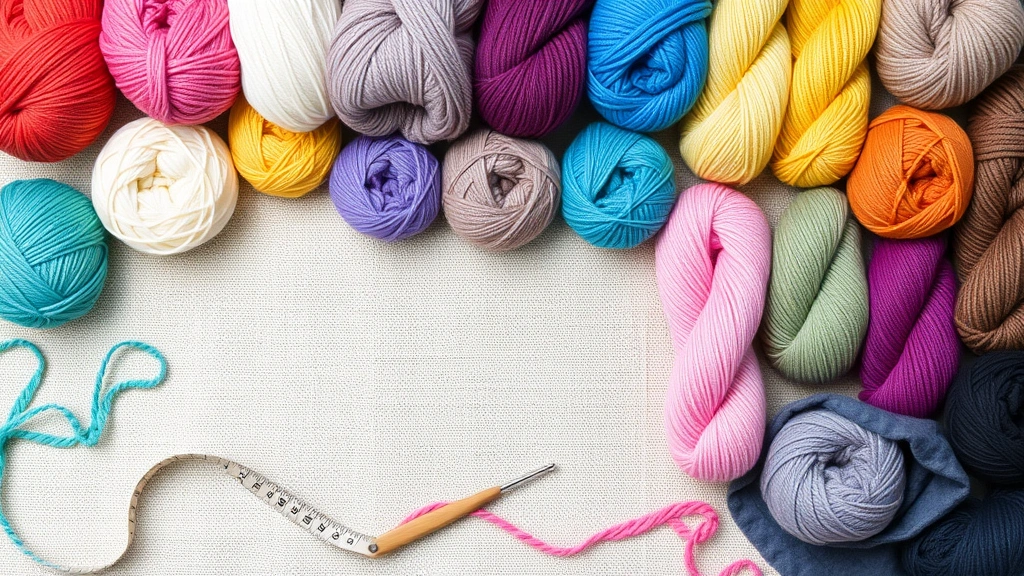
This is where everything starts. The fiber in your yarn determines almost everything else—how it drapes, how it wears, how it feels against your skin, and whether you’ll actually want to wear or gift whatever you make. There’s no “best” fiber; there’s only the best fiber for what you’re making.
Acrylic yarn is probably what you think of first. It’s affordable, comes in endless colors, and it’s honestly fantastic for learning. It doesn’t break the bank if you mess up, and you can wash it without worrying too much. The downside? It can feel a bit plasticky, it doesn’t breathe as well as natural fibers, and it can pill with wear. But here’s the thing—acrylic has gotten so much better over the years. Some premium acrylics feel almost as soft as wool, and they’re perfect for blankets, amigurumi, and projects where you want durability without the price tag.
Wool is the classic for good reason. It’s warm, it has natural elasticity (meaning your stitches stay put), and it feels amazing to work with. Merino wool is softer than traditional wool and less likely to itch. The catch? It’s pricier, and you need to be careful with washing. Wool can felt if you’re not gentle, and it’s not ideal if you’re making something for someone with sensitive skin or allergies. I love wool for cozy sweaters, scarves, and afghans where you want that lush, luxurious feel.
Cotton is your friend if you’re making summer garments, dishcloths, or anything that needs to breathe. It’s crisp, it holds its shape, and it gets softer with washing. Cotton can be less forgiving than wool when you’re learning—it doesn’t have that natural give—but once you get the hang of it, you’ll love how structured your projects become. Cotton blends are great too; they give you some of cotton’s breathability with a bit more elasticity.
Bamboo and other plant-based fibers are increasingly popular, and for good reason. They’re silky, they drape beautifully, and they’re more sustainable than some alternatives. They’re usually pricier than acrylic but often cheaper than pure wool. Fair warning: they can be slippery to work with, especially when you’re starting out, but that silky drape is totally worth learning to manage.
Blends are where things get interesting. An acrylic-wool blend gives you warmth and durability with a softer feel and lower price than pure wool. A cotton-acrylic blend offers structure with a bit of stretch. Experimenting with blends helps you find that sweet spot between what you want and what fits your budget.
Decoding Yarn Weight
Yarn weight is basically how thick your yarn is, and it’s one of the most important things to match to your pattern. This is non-negotiable—if your pattern calls for worsted weight and you grab bulky, your finished project will be completely different (usually too large and too stiff).
The standard weight categories go from 0 (lace) all the way to 7 (jumbo). Here’s what you actually need to know:
- Lace (0) and Fingering (1): Super thin, great for delicate shawls and intricate colorwork. Takes forever but the results are stunning.
- Sport (2) and DK (3): Light and airy, perfect for summer garments and detailed work. Still requires patience but less than lace.
- Worsted (4): The sweet spot. This is what most patterns call for. It works up at a reasonable speed, it’s forgiving for beginners, and it’s widely available.
- Bulky (5) and Super Bulky (6): These work up fast, which is satisfying. Great for cozy blankets and quick projects. Can look chunky if you’re not careful with your stitch choices.
- Jumbo (7): The “finished in a weekend” yarn. It’s fun but limited in what you can do with it.
Here’s my practical tip: always check the yardage, not just the weight. Two yarns labeled “worsted” might have completely different yardages because one is denser than the other. The label should tell you how many yards (or meters) are in each skein. That’s what matters for your project.
Selecting Colors That Work
Color is emotional, and it’s also where a lot of people second-guess themselves. But honestly? Trust your gut. If you love it, you’re more likely to actually finish the project. That said, here are some practical things to consider.
Dark colors hide stitch imperfections better than light colors. If you’re still working on getting consistent tension, a charcoal or navy is more forgiving than white. Light colors show off stitch definition beautifully, so they’re great once you’ve got your technique down.
Variegated and self-striping yarns are fun, but they can hide (or sometimes clash with) your stitch patterns. A solid color lets your stitches shine. If you’re doing a complex stitch pattern, solid is usually the way to go. Save the variegated for simple stitches where the yarn itself is the star.
Consider the end use. A sweater in a color you love is something you’ll actually wear. A blanket in colors that match a room is a blanket that’ll actually get used. These little details matter more than you’d think.
Pro tip: buy one skein and crochet a swatch before committing to a whole project. See how the color looks in different lighting, feel how it works up, and make sure it’s really what you want. It’s a small investment that saves you from buyer’s remorse on a whole project.
Budget Without Compromise
Let’s be real—yarn costs add up. A sweater can easily run $40-100+ in yarn alone, and that’s before your time. It’s okay to have a budget. It’s also okay to splurge on special projects.
If you’re on a tight budget, acrylic is your friend. Brands like Lion Brand and Red Heart offer quality yarn at reasonable prices. You can make beautiful things without spending a fortune. Honestly, some of my favorite projects have been made with budget-friendly yarn because I wasn’t afraid to experiment and mess up.
If you want to splurge, save it for projects you’ll keep or give to people you really love. A luxury merino wool sweater for yourself or a handmade gift for someone special? That’s worth the investment. But your first sweater? Maybe start with something mid-range so you’re not stressing about every stitch.
Shop sales, use coupons, and don’t feel bad about buying yarn on sale for future projects. Yarn doesn’t go bad. Building a stash is totally normal and actually smart—you’ll always have options when inspiration strikes.
Texture and Feel Matter
This is something that’s hard to describe but super important: how yarn feels in your hands while you’re working with it. Some yarn is a dream to crochet with; other yarn makes your hands tired after an hour.
Splitty yarn (yarn that separates easily) can be frustrating when you’re trying to insert your hook. Smooth yarn slides on your hook beautifully. Fuzzy yarn can hide your stitches but also hide mistakes. Yarn with texture adds visual interest but can be harder to see your stitch definition.
The best way to figure out what you like is to work with different yarns. Visit a local yarn shop if you have one nearby and ask to feel different options. Online, read reviews on Ravelry—people are honest about whether yarn is pleasant to work with or a pain.
Don’t underestimate how much the feel of your yarn affects whether you actually finish a project. If you hate working with it, you won’t pick it up as often. If you love the feel, you’ll crochet more, and you’ll improve faster.
Matching Yarn to Your Project
Okay, so now you know about fibers, weights, and colors. How do you actually match yarn to a specific project?
Start with the pattern. The pattern designer chose a specific yarn for a reason. They tested the pattern with that yarn weight and fiber content to make sure it works. If you follow their recommendation, you’re already 90% of the way there.
But patterns also usually say “or similar yarn,” which means you have flexibility. If the pattern calls for a worsted-weight wool but you want acrylic, you can totally substitute as long as you use the same weight. Your finished project might feel slightly different, but it’ll work.
Think about the finished project. A sweater needs yarn that drapes nicely and feels good against skin. A blanket can be thicker and more textured. A stuffed animal needs yarn that’s sturdy and won’t show stuffing through the stitches.
When you’re learning different yarn types, start with projects that aren’t too ambitious. A dishcloth or small blanket is perfect for trying a new fiber. Once you’ve worked with it, you’ll understand its quirks and be ready for a bigger project.
Care and Durability
Here’s something a lot of people don’t think about until after they’ve finished a project: how are you going to care for it?
Acrylic is machine-washable (usually), which makes it perfect for baby blankets, dishcloths, and anything that’ll get heavy use. Wool needs gentle hand-washing. Cotton can handle a regular wash but might need special handling to prevent stretching.
Check the label. It should tell you the care instructions. If you’re making a sweater for someone who’s not going to hand-wash delicate items, maybe skip the pure wool and go with a wool blend or acrylic.
Durability matters too. Some yarn pills easily (those little fuzzy balls that form on the surface). Others hold up beautifully for years. If you’re making something you want to last, invest in yarn that’s known for durability. Check reviews and ask at your yarn shop.
Here’s a real-talk moment: the yarn you choose affects whether your finished project becomes a beloved favorite or something that gets tucked in a closet. Care considerations are part of that equation. Make sure whatever you create is something the recipient (or you) will actually want to care for.
FAQ
What’s the best yarn for beginners?
Worsted-weight acrylic in a light color. It’s forgiving, affordable, easy to see your stitches in, and works up at a good pace. Brands like Lion Brand Vanna’s Choice are specifically designed for beginners and they’re fantastic.
Can I substitute yarn in a pattern?
Yes, as long as you use the same weight. The yardage might be slightly different, so you might need more or less yarn, but the pattern itself will work. Always check yardage and do a gauge swatch first.
What does “gauge” mean and why does it matter?
Gauge is how many stitches and rows you get in a certain measurement (usually 4 inches). If your gauge is off, your finished project will be the wrong size. Always crochet a gauge swatch with the yarn you’re actually using—different yarns can have different gauges even at the same weight.
How much yarn do I actually need?
The pattern tells you. It’s usually listed in yards or meters. If you’re substituting yarn, match the yardage, not the weight. Two worsted-weight yarns can have different yardages per skein.
Is expensive yarn always better?
Not necessarily. Expensive yarn often feels luxurious and might last longer, but a well-chosen budget yarn can create beautiful, durable projects. It depends on the fiber, the quality of the yarn, and what you’re making.
Should I buy my yarn in person or online?
Both have benefits. In person, you can feel the yarn and see the color in natural light. Online, you have way more options and often better prices. Consider buying one skein in person to test before ordering a whole project’s worth online.
What’s a yarn stash and is it normal?
A yarn stash is yarn you’ve bought but haven’t used yet. It’s completely normal and honestly, smart. You’ll always have options when inspiration strikes, and you can take advantage of sales. Just keep it organized so you know what you have.