Finding Your Perfect Crochet Yarn: A Real Talk Guide to Choosing, Stashing, and Actually Using Your Fiber
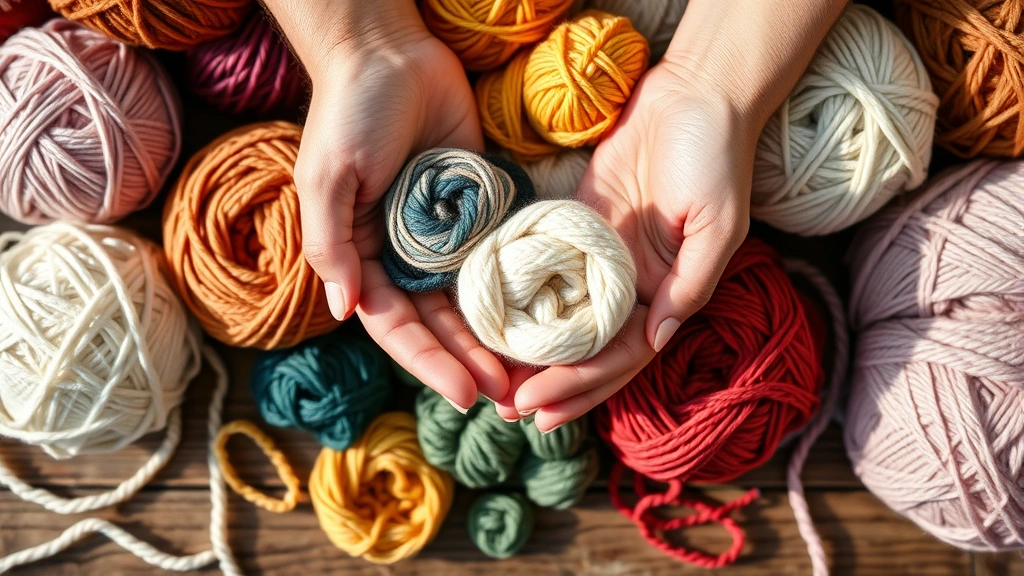
Let’s be honest—standing in front of a wall of yarn can feel absolutely paralyzing. You’ve got acrylic, wool, cotton, blends, variegated colors, solids, and everything in between. Then there’s the weight system, yardage calculations, and that nagging question: “Will I actually finish this project?” I get it. After years of helping friends navigate their yarn stashes and watching people abandon projects mid-way because they picked the wrong fiber, I’ve learned that yarn selection isn’t just about what looks pretty on the shelf.
The truth is, choosing the right yarn can make or break your crochet experience. Pick the wrong fiber for your project, and you’ll end up frustrated, your hands will hurt, and that beautiful pattern you were excited about will end up in a drawer. Pick the right yarn? You’ll find yourself genuinely excited to pick up your hook, your tension stays consistent, and you’ll actually finish what you started. That feeling of draping a completed garment around your shoulders knowing it’s made from yarn you absolutely loved working with—that’s the sweet spot we’re aiming for.
In this guide, we’re going to talk about yarn like actual humans. No gatekeeping, no pretending that expensive yarn is always better, and definitely no judgment about your stash situation. We’ll walk through fiber types, weights, yardage requirements, budget-friendly options, and how to actually match a yarn to your lifestyle and the project you’re dreaming about.
Understanding Fiber Types and Their Behavior
Here’s where it gets interesting, because every fiber has a personality. Some are forgiving, some are finicky, and some will make you fall in love with the process itself.
Acrylic Yarn is the workhorse of the crochet world, and honestly? There’s no shame in that. It’s affordable, comes in basically every color you can imagine, and it’s durable. If you’re learning basic crochet stitches, acrylic is your friend. It doesn’t split easily, it holds your tension well even if you’re still figuring out consistency, and it’s washable. The downside is it can feel a bit plasticky, it doesn’t have much drape, and it tends to pill over time. But for blankets, amigurumi, and projects you want to be indestructible? Acrylic delivers.
Wool is the luxury feel that justifies the price tag—when you find the right kind. Merino wool is soft, elastic, and absolutely dreamy to work with. Your stitches look crisp, the yarn bounces back, and there’s something almost meditative about the way it feels in your hands. Regular wool can be itchy (though superwash wool solves that), and it requires more careful washing. Wool’s natural elasticity means you might need to adjust tension expectations, and it can take longer to dry. But that drape, that gorgeous finished fabric—it’s worth it for special projects.
Cotton is breathable, cool against skin, and perfect for summer garments and dishcloths. It’s got zero stretch, which means your tension matters more, and it can feel stiff until it’s washed and worn in. Cotton requires more effort from your hands because there’s no give, so if you’re dealing with hand fatigue or arthritis, you’ll want to know this going in. But finished cotton pieces are crisp, structured, and get softer with every wash.
Cotton Blends and Wool Blends are the “best of both worlds” option, and they’re genuinely worth exploring. A wool-acrylic blend gives you softness with durability. A cotton-acrylic blend gives you breathability without the stiffness. Blends often split the price difference too, making them accessible if you want something nicer than straight acrylic but aren’t ready to invest in pure merino.
Specialty Fibers like bamboo, linen, alpaca, and silk exist in the wild. Bamboo drapes beautifully and feels silky. Linen is sturdy and breathable but requires patience because it’s stiff until worn. Alpaca is luxuriously soft but expensive and can shed. Silk is gorgeous but slippery and requires careful handling. These are fun to experiment with once you’ve got a few projects under your belt.
Decoding Yarn Weight Systems
The yarn weight system—also called yarn thickness—is standardized, but it’s still confusing at first. Here’s the breakdown:
- Lace (0): Gossamer-thin, for delicate shawls and intricate patterns
- Fingering (1): Thin, used for socks, shawls, and detailed garments
- Sport (2): Light and airy, good for fitted garments and lace patterns
- DK/Light Worsted (3): Versatile middle ground, works for tons of projects
- Worsted/Aran (4): Medium-thick, the most common weight for everyday projects
- Bulky (5): Thick and fast, perfect for quick projects and cozy items
- Super Bulky (6): The speed-demon yarn, creates projects in days
Here’s the practical reality: if you’re picking up a ball of yarn at a craft store, you’ll see a label with a number or name. That number tells you the weight. Weight affects how fast your project grows, how many stitches you need, and what the finished piece will look like. A worsted weight creates a dense, structured fabric. A fingering weight creates something delicate and drapey. Neither is better—they’re just different tools for different jobs.
The yardage per weight matters too. A ball of worsted weight might have 180 yards, while the same weight ball of sport weight could have 250+ yards. More yardage in a lighter weight means finer stitches and longer projects from the same amount of fiber. This is crucial when you’re calculating how much yarn you actually need.
Matching Yarn to Your Project Vision
This is where the magic happens—when you stop just buying yarn and start intentionally choosing it for a specific project. Let me give you some real examples.
Summer Tank Top or T-Shirt: You want something breathable that drapes well. A fingering or sport weight cotton or cotton blend is your move. Acrylic works too if budget is tight, but the drape won’t be quite as beautiful. You’ll need roughly 800-1200 yards depending on size.
Cozy Blanket for Snuggling: This is where worsted or bulky weight acrylic or wool blend shines. You want something that’s soft, durable, and fast to make. A chunky blanket in super bulky weight could be done in a weekend. Budget 1000-2000 yards depending on size.
Amigurumi (Stuffed Animals): You need yarn that holds its shape and doesn’t have too much stretch. Worsted weight acrylic is perfect here. The stuffed animal will hold its form, it’s affordable so you can make multiples, and the colors are vibrant. Budget 200-500 yards per animal.
Lacy Shawl or Shawlette: This is where fingering or sport weight in wool or cotton shines. You want drape, and you want the stitch definition to show. Variegated colors can be beautiful here, or a solid that lets the pattern take center stage. Budget 800-1500 yards.
Baby Items: This requires thoughtful consideration. You want something soft (wool or cotton blends are better than acrylic here), machine washable (superwash wool or acrylic), and hypoallergenic if possible. Avoid anything too fuzzy or prone to shedding. Budget 500-1000 yards depending on what you’re making.
The key is matching the yarn’s properties to what the project actually needs to do. A lacy shawl made in worsted weight acrylic won’t look right because the weight is too heavy and acrylic doesn’t drape. A bulky blanket made in fingering weight will take forever. You’re not being snobby by choosing the right yarn—you’re setting yourself up for success.
Practical Considerations: Budget, Care, and Durability
Real talk: budget matters. Not everyone can afford merino wool, and that’s completely fine. Here’s how to think about yarn spending:
Cost Per Yard: Calculate this by dividing the price by yardage. A $10 skein with 200 yards costs 5 cents per yard. A $12 skein with 400 yards costs 3 cents per yard. Sometimes the more expensive skein is actually better value. This matters when you’re comparing options.
Project Lifespan: If you’re making something you’ll use constantly—a blanket, a work sweater, everyday socks—investing in quality yarn makes sense. You’ll use it for years. If it’s a one-time gift or experimental project, mid-range yarn is perfectly fine.
Care Requirements: Wool and natural fibers often require hand washing or delicate machine cycles. Some people love this ritual; others find it annoying. Be honest about whether you’ll actually care for something properly. There’s no point buying beautiful merino if you’re going to throw it in the dryer and ruin it. Acrylic and superwash blends are more forgiving.
Durability: Acrylic is incredibly durable—it won’t pill easily if you choose quality acrylic, and it holds up to frequent washing. Wool can pill depending on the quality. Cotton gets softer with wear but can develop thin spots if heavily used in the same area. Plan for the garment’s actual use.
Color Retention: Cheaper acrylics sometimes fade unevenly. Better quality acrylic and natural fibers hold color better. If you’re making something you want to look fresh for years, this matters.
Building and Managing Your Yarn Stash Wisely
Okay, so you’re starting to understand yarn, and suddenly you’ve got balls everywhere. Welcome to the yarn stash—that beautiful, overwhelming collection that every crocheter develops.
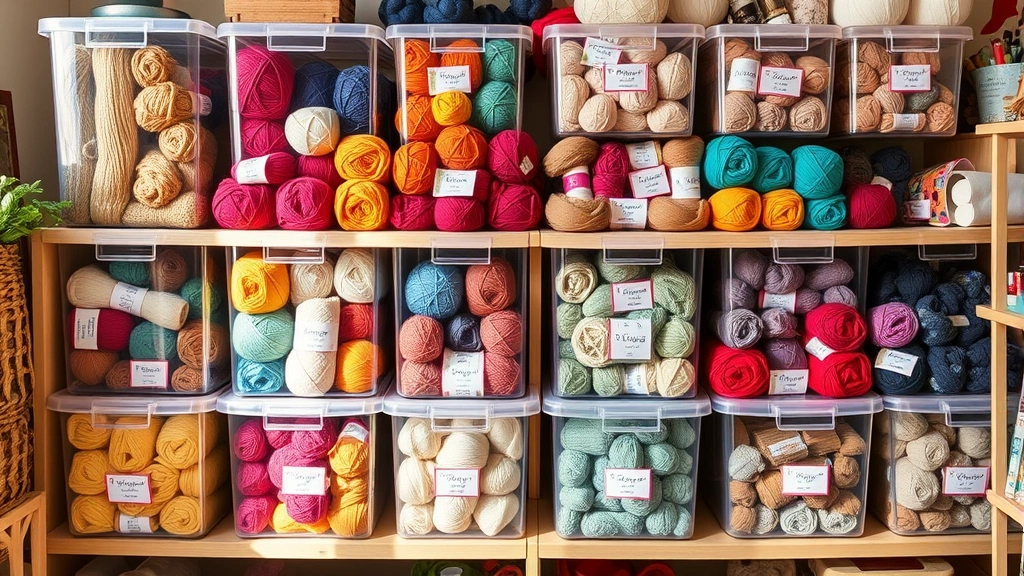
The key to a functional stash is knowing what you have and being intentional about what you add. Take photos of your yarn balls with labels visible, store them in clear containers so you can see everything, and keep notes about yardage and fiber content. This sounds obsessive, but when you’re deciding on a project at 10 PM and want to use stash yarn, you’ll be grateful.
When adding to your stash, ask yourself: “Do I have a project in mind for this?” This doesn’t mean you can never buy yarn without a project—but if you’re buying on impulse, be honest about it. Set yourself a small “fun” budget for those spur-of-the-moment purchases, and use your main budget for planned projects.
The uncomfortable truth is that most crocheters have more yarn than they’ll ever use. That’s okay—yarn brings joy. But if your stash is causing guilt or stress, it’s worth being selective. Donate yarn you genuinely won’t use, gift it to friends who crochet, or start that ambitious project you’ve been avoiding.
Smart Shopping: Where and How to Buy
Your yarn sources matter because availability, price, and quality vary wildly.
Local Yarn Shops: These are worth supporting. You can feel the yarn, get expert advice, and build community. Yes, it’s often pricier than online, but you’re paying for expertise and experience. Plus, many shops offer classes and group crochet time.
Craft Stores: Michaels, Joann, and similar stores carry reliable brands at mid-range prices. They run frequent sales and coupons, so never pay full price. The selection is good but not overwhelming, which can actually be helpful when you’re learning.
Online Retailers: Ravelry connects you with yarn shops and independent sellers worldwide. LoveCrafts has massive selection and international shipping. Amazon works for basics but quality varies. Online lets you compare prices and read reviews, but you can’t feel the yarn first.
Independent Dyers: If you fall in love with yarn, explore independent dyers on Etsy or through Ravelry. They create gorgeous, unique colors and often use high-quality fibers. It’s pricier, but for special projects, it’s magical.
Yarn Brand Websites: Check out Lion Brand and Berroco directly. They often have sales and always have detailed information about fiber content and care.
Pro tip: Join online communities like the Crochet Guild of America or local Facebook groups. People share sales, swaps, and recommendations constantly.
Calculating Yardage: Before you buy, know how much yarn you need. Check your pattern’s yardage requirement, then add 10-15% for gauge adjustments and mistakes. If a pattern says 800 yards, buy 900-920 yards to be safe. It’s better to have extra than to run short near the end.
Dye Lot Matching: When buying multiple skeins, try to get the same dye lot (usually printed on the label). Different dye lots can have subtle color variations that become obvious in your finished project. If you can’t match dye lots, alternate skeins as you work to blend variations naturally.
FAQ
What’s the best yarn for beginners?
Worsted weight acrylic in a light, solid color. It’s forgiving, affordable, shows your stitches clearly, and won’t break your heart if you need to frog (undo) and start over. Brands like Lion Brand Vanna’s Choice are reliable workhorses.
Can I use any yarn for any project?
Technically yes, but practically no. A pattern is designed with specific yarn weight in mind. Using significantly different weight will change the finished size, drape, and appearance. It’s like trying to make a recipe with different measurements—it might work, but it won’t be what you expected.
How do I know if a yarn will pill?
Lower-quality acrylic pills more easily. Natural fibers like wool and cotton pill less. You can test by rubbing a small section vigorously—if fibers come off easily, it’s prone to pilling. Quality matters here; good acrylic pills less than cheap acrylic.
Is expensive yarn always better?
No. Expensive doesn’t always mean better—sometimes you’re paying for a brand name or specialty fiber you don’t actually need. A $15 skein of quality merino isn’t “better” than a $5 skein of quality acrylic; they’re different tools for different jobs. Match the yarn to your needs and budget.
What should I do with leftover yarn?
Keep it! Short lengths are perfect for amigurumi, appliqués, edgings, or color blocking. Save scraps in a container, and when you have enough, make a scrap blanket or granny square project. Nothing goes to waste.
How do I prevent yarn from getting tangled?
Keep yarn in clear containers or ziplock bags. If you’re working with multiple colors, use yarn bobbins to keep them organized. Store finished skeins loosely—tight wrapping can distort the fiber.