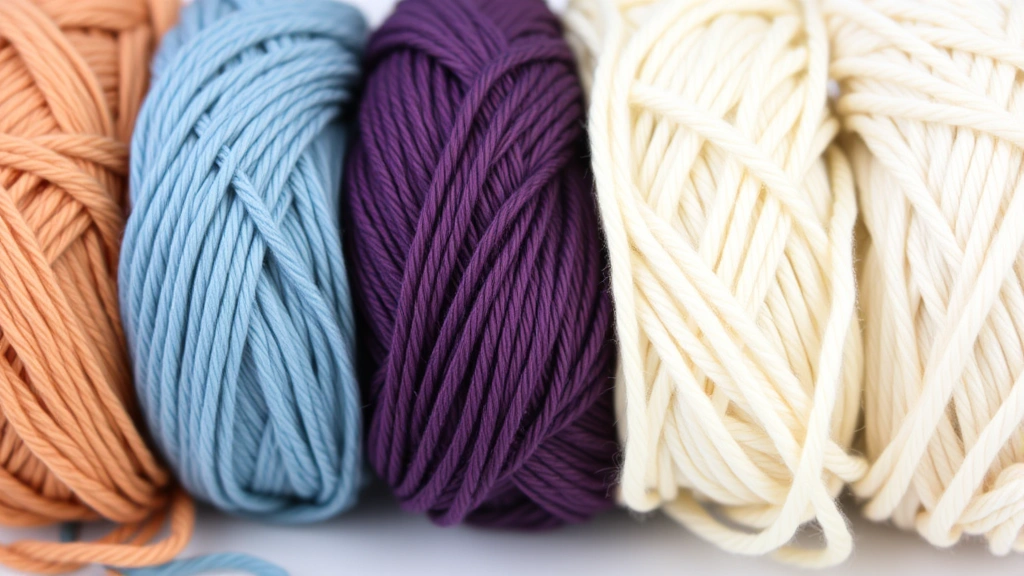
Mastering Yarn Weight Selection for Your Crochet Projects
Okay, let’s be real—picking the right yarn weight for a crochet project can feel like standing in front of an endless wall of yarn at your local craft store, completely overwhelmed. You’ve got this gorgeous pattern you want to make, but then you start wondering: should I use worsted weight? Bulky? Sport weight? And honestly, it matters way more than you’d think, but not in a scary way. It’s actually kind of empowering once you understand how yarn weight affects everything from how quickly your project grows to how it’ll feel when you wear it.
I’ve been crocheting for years, and I’ve learned the hard way that yarn weight isn’t just a number on a label—it’s the foundation of whether your finished sweater drapes beautifully or stands away from your body like a cardboard cutout. It determines your hook size, your stitch definition, how long your project takes, and honestly, how much joy you get out of making it. So let’s dig into this together and make sure you feel confident reaching for exactly the right yarn next time.
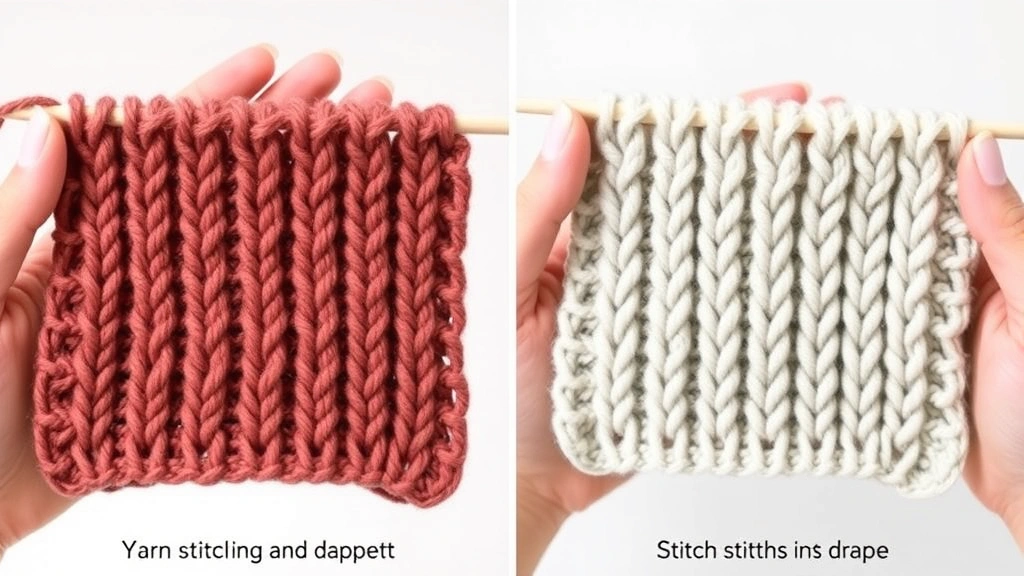
Understanding Yarn Weight Categories
The Craft Yarn Council established a standardized system that goes from 0 to 7, and honestly, once you memorize these categories, everything gets so much easier. Let me break down what you’re actually looking at when you pick up a ball of yarn.
Lace weight (0) is the finest of the fine—we’re talking delicate, gossamer stuff that creates those intricate shawls and lacy garments. It requires tiny hooks (size 000 to 1) and a whole lot of patience, but the results are absolutely breathtaking. If you’re just starting out, I’d probably skip this for now, but don’t write it off forever.
Fingering weight (1) is still pretty delicate and works beautifully for socks, baby items, and detailed colorwork. You’re looking at hooks in the size 1 to 3 range. This weight is fantastic once you’re comfortable with your tension and basic stitches, because you can create incredibly intricate patterns.
Sport weight (2) sits right in that sweet spot between delicate and practical. It’s perfect for lighter garments, baby blankets, and projects where you want decent stitch definition without needing a magnifying glass. Hooks typically range from size 3 to 5, and projects move along at a reasonable pace.
Worsted weight (4) is probably the most popular choice for crocheters, and for good reason. It’s versatile, readily available, affordable, and works up quickly enough to keep you motivated. You’ll use hooks in the 7 to 9 range, and the stitch definition is clear and satisfying. Most beginner-friendly patterns are written in worsted weight because it’s just so dang practical.
Bulky weight (5) is where projects really fly off your hook. Seriously, you can finish a blanket in a weekend if you’re committed. Hooks jump up to sizes 9 to 11, and the fabric has a lovely drape and texture. It’s great for cozy afghans, chunky scarves, and anyone who gets frustrated watching projects move slowly.
Super bulky weight (6) and beyond are the speed demons of the yarn world. These create statement pieces quickly—we’re talking scarves that take hours, not weeks. The trade-off is that stitch definition gets a little softer, but sometimes that’s exactly the aesthetic you want.
Here’s something important: the label on your yarn will tell you the recommended hook size and yardage per weight (usually per 50 grams or 100 grams). That information is gold. It’s not just a suggestion—it’s actually telling you what the yarn manufacturer tested and determined works best for that particular fiber.
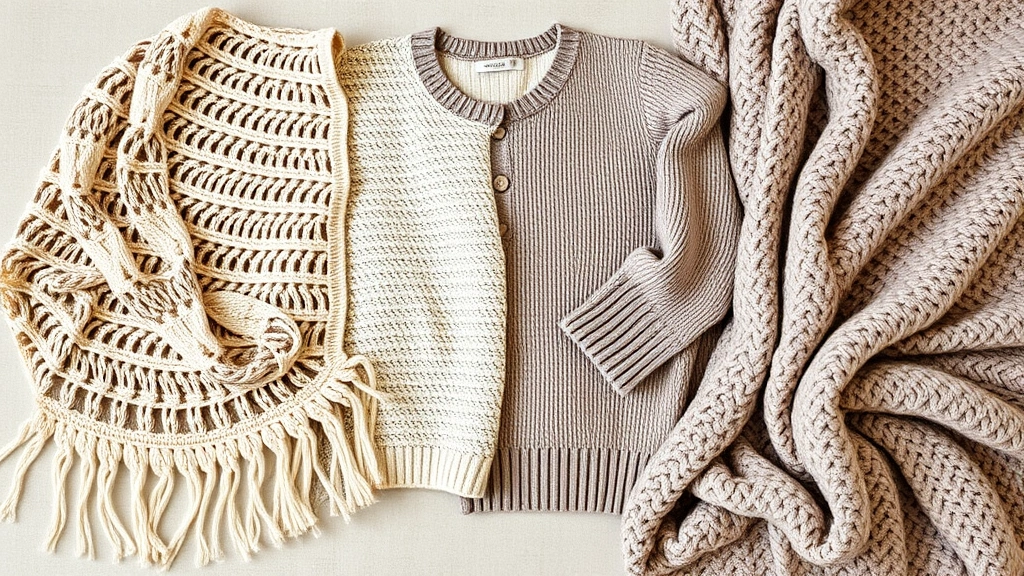
How Yarn Weight Affects Your Project
This is where things get really practical, and honestly, where a lot of crocheters wish someone had explained things more clearly from the start. Yarn weight affects literally everything about your finished project, and I want you to understand the domino effect so you can make smart choices.
Project timeline is the most obvious one. If you’re making a blanket with super bulky yarn, you might knock it out in 5-10 hours of actual crocheting. That same blanket in sport weight? You’re looking at 40-60 hours, easy. Neither is wrong—it just depends on what you want. Sometimes the meditative, long-term project is exactly what you need. Other times, you want instant gratification, and that’s totally valid.
Drape and structure change dramatically with weight. Lighter weights create more fluid, drapey garments that hang beautifully on the body. I made a linen blend sport weight cardigan last year, and the way it moves is just gorgeous. But that same cardigan in bulky weight would look boxy and stiff. Conversely, if you’re making a structured blanket or a bag that needs to hold its shape, a heavier weight gives you that support.
Stitch definition is something you might not think about until you’re looking at your finished project. Finer yarns show off intricate stitch patterns beautifully—all those cables, textures, and color changes really pop. But if you’re going for a soft, modern, minimalist look, sometimes a bulkier yarn that blurs the individual stitches a bit is actually what you want.
Yardage requirements scale with weight, but not always in the way you’d expect. A pattern calling for 1000 yards of worsted weight isn’t going to translate directly to 1000 yards of bulky weight. Generally, you need less total yardage in heavier weights, but the math isn’t always straightforward. This is why substituting yarn requires a little bit of calculation.
Hook size changes with weight, and this affects your hand comfort. Smaller hooks (like sizes 1-5 for fingering and sport weight) can be tough on your hands if you crochet for long sessions. Larger hooks (sizes 9 and up for bulky weights) are easier on your hands and wrists, which matters if you’re dealing with any hand sensitivity.
Choosing the Right Weight for Your Pattern
Okay, so you’ve found a pattern you absolutely love. Here’s how you make sure you pick the right yarn weight without second-guessing yourself.
First, read what the pattern specifies. This is non-negotiable. The designer tested the pattern with a specific yarn weight and hook size, and they’re telling you what works. If the pattern says “worsted weight,” that’s your starting point. There’s a reason they chose that—the proportions, the drape, the finished dimensions all depend on it.
Check the yardage and finished dimensions. The pattern should tell you how many yards you need and what the finished measurements are (like a sweater’s chest width or a blanket’s dimensions). These numbers are your reality check. If the pattern needs 1200 yards and you’re looking at a yarn with 180 yards per 100 grams, you can do the math and make sure you have enough.
Consider the fiber content. A worsted weight merino blend will behave differently than a worsted weight acrylic, even though they’re technically the same weight. Merino stretches and softens with wear. Acrylic holds its shape more rigidly. Cotton drapes beautifully but can be heavy. Understanding fiber content helps you predict how your finished project will actually perform.
Think about the finished garment’s purpose. If you’re making a lightweight summer top, you probably want sport or DK weight—something that won’t be too thick or warm. Making a cozy winter sweater? Worsted or bulky weight creates that insulating warmth and structure. A delicate shawl? You’re going lighter. See how the weight choice actually follows the logic of what you’re making?
Look at the stitch pattern. Intricate lace or detailed colorwork shows best in lighter weights. Simple stitches like single crochet or garter stitch look beautiful in any weight, but bulky yarn can make detailed patterns hard to see. This is where reading crochet patterns carefully really pays off—you’ll notice if a pattern relies on stitch definition.
Yarn Substitution Tips and Tricks
Sometimes you fall in love with a yarn that’s not quite what the pattern calls for. Or maybe you need to substitute because of budget or availability. Here’s how to do it without creating a disaster.
Use the standard yarn weight categories as your guide. The safest substitutions happen within the same weight category. If a pattern calls for worsted weight, grab another worsted weight yarn, and you’re probably fine. The yardage should be similar, the hook size should be the same, and your finished project will turn out right.
Calculate yardage carefully. This is where people get tripped up. Let’s say your pattern needs 1200 yards of worsted weight (about 6.7 ounces). If you’re switching to a different worsted weight yarn, check the yards-per-weight on the label. If it says 180 yards per 100 grams, you need about 667 grams, or 13-14 balls of that yarn. If it says 200 yards per 100 grams, you need fewer balls. The math matters.
Test your gauge. This is absolutely worth doing. Crochet a swatch with your new yarn and the recommended hook size, measure it, and see if it matches what the pattern expects. Checking your gauge takes maybe 15 minutes and saves you from hours of frustration down the line. I know gauge seems boring, but it’s genuinely the difference between a sweater that fits and one that doesn’t.
Consider fiber content differences. If you’re swapping acrylic for wool, or cotton for a synthetic blend, your finished project will feel different. Acrylic is stiff and plastic-y compared to wool. Cotton is heavier and less elastic. These aren’t bad things—they’re just things you should know going in.
When in doubt, go slightly lighter rather than heavier. If you’re torn between two weights, a slightly lighter yarn is more forgiving. You can always use a smaller hook to tighten things up. A yarn that’s too heavy is harder to adjust.
Common Mistakes and How to Avoid Them
I’ve made all of these mistakes, and honestly, they’re kind of how you learn. But maybe you can skip the painful part and learn from my experience.
Ignoring the pattern’s weight recommendation. I get it—you found the perfect yarn and you want to use it, even though it’s not what the pattern calls for. But then you end up with a sweater that’s three sizes too big or a blanket that’s too stiff. The pattern designer chose that weight deliberately. Honor that choice.
Not accounting for yardage when substituting. This is huge. You grab a yarn you love, but you don’t actually calculate whether you have enough yardage. You get halfway through and run out, and now you’re in crisis mode. Spend five minutes doing the math first.
Confusing yarn weight with thickness. Here’s a tricky thing: sometimes a yarn labeled as one weight will look thicker or thinner than you expect, because it depends on how tightly the yarn is spun. A loosely spun worsted weight might look thicker than a tightly spun bulky weight. Don’t trust your eyes alone—trust the label and the yardage.
Picking yarn based purely on color without thinking about weight. That gorgeous variegated yarn might be sport weight, and if you’re trying to make a chunky blanket, it’s not going to work. Color is important, but weight and yardage come first. Then you find colors within the weight you need.
Not considering hand fatigue with tiny hooks. If you’re making a fingering weight project with a size 2 hook, your hands are going to get tired. It’s real. If you have any hand sensitivity, this matters. Don’t choose a weight that’s going to make the project painful to make.
Underestimating how long lighter weight projects take. There’s something about sport weight or fingering weight that makes people think, “Oh, this will be quick!” but actually, you’re making a ton more stitches because the yarn is thinner. Budget your time realistically, or you’ll get frustrated.
FAQ
What’s the difference between DK weight and sport weight?
DK (double knitting) weight is slightly heavier than sport weight—it’s right in between sport and worsted. DK uses hooks around 5-7, while sport uses 3-5. Both are wonderful for garments, but DK works up a bit faster. If a pattern calls for one and you’re substituting with the other, be prepared to do some gauge testing and yardage recalculation.
Can I use a heavier yarn with a smaller hook to match the pattern?
Technically, you can, but it’s not usually a great idea. Using a much smaller hook than recommended creates really tight, dense fabric that can be hard on your hands and doesn’t drape well. Understanding yarn weight means accepting that the hook size and yarn weight work together. If you want to use a heavier yarn, embrace it and adjust your pattern accordingly.
Is worsted weight really the best for beginners?
Honestly? Yes, usually. It’s forgiving, widely available, affordable, and works up quickly enough to keep you motivated without being so fast that you make mistakes. Once you’re comfortable with basic stitches and tension, you can absolutely explore other weights. But for learning, worsted weight is your friend.
How do I know if a yarn is good quality in a particular weight?
Feel it, look at the label (check fiber content and yardage), and read reviews. Ravelry is incredible for this—real crocheters review yarn and share projects they’ve made with it. You’ll see how that yarn actually performs, not just what the marketing says.
What weight should I use for a baby blanket?
Depends on your goals. Fingering or sport weight creates a delicate, breathable blanket that’s lovely for warmer months. DK or worsted weight makes a cozier, sturdier blanket that holds up to washing. Bulky weight creates something quick and chunky that’s perfect for a statement piece. All are appropriate—it’s about what you want the blanket to feel like.
Can I mix yarn weights in one project?
You can, but it takes planning. If you’re making a project with color blocking or sections, you might intentionally use different weights for visual effect. But mixing weights randomly usually results in an uneven, unpredictable project. If you want to try this, test it in swatches first.