Choosing the Right Yarn for Your Crochet Projects: A Complete Guide
Let’s be real—walking into a yarn shop or scrolling through an online catalog can feel absolutely overwhelming. There are so many colors, weights, fiber types, and price points that it’s easy to second-guess yourself before you even pick up a hook. But here’s the thing: choosing the right yarn doesn’t have to be complicated. It’s actually one of the most enjoyable parts of the creative process once you know what you’re looking for.
I’ve been crocheting for years, and I still get excited every time I’m about to start a new project. That excitement comes partly from the pattern itself, sure, but honestly? A huge chunk of it is about finding that perfect yarn. The one that feels good in your hands, matches your vision, and won’t break the bank or your patience halfway through. That’s what we’re diving into today.
Understanding Yarn Weight and How It Matters
Yarn weight is probably the first thing you need to wrap your head around, and it’s honestly simpler than it sounds. Yarn weight refers to the thickness of the yarn strand, and it’s standardized using a numbering system from 0 to 7, where 0 is the thinnest (lace weight) and 7 is the thickest (jumbo weight).
Here’s the practical breakdown: if you’re working with bulky yarn (weight 5), your projects will come together quickly—we’re talking a cozy blanket in a few weeks rather than months. The trade-off? Your stitches are more visible, so mistakes are harder to hide. On the flip side, fingering weight yarn (weight 1) creates delicate, intricate work that showcases stitch detail beautifully, but it requires way more patience and time investment.
The weight you choose directly impacts your project timeline, the final look, and how comfortable you’ll be working with it. When you’re learning the basics of crochet, starting with a medium weight yarn (weights 3-4) is genuinely your best bet. It’s forgiving, works up at a reasonable pace, and it’s easier on your hands if you’re still building strength and endurance.
A quick tip: always check your pattern’s yarn weight recommendation first. Your pattern designer chose that weight for a reason—usually because it shows off the stitch pattern or drape in the best possible way. Switching weights without adjusting your pattern can totally change how your finished project looks and fits.
Fiber Content Basics: Natural vs. Synthetic
Now let’s talk about what your yarn is actually made of, because this genuinely affects everything—how it feels, how it wears, how it ages, and yes, the price tag too.
Natural fibers include wool, cotton, linen, alpaca, silk, and plant-based options. They’re breathable, they soften over time (usually), and they have this gorgeous drape that synthetic fibers sometimes struggle to replicate. Wool is probably the most popular because it’s forgiving, elastic, and warm. Cotton is perfect for summer projects and items that need frequent washing. The downside? Natural fibers are typically more expensive, and some people have sensitivities to certain fibers—wool can feel scratchy to some folks, for example.
Synthetic fibers like acrylic are budget-friendly, durable, and come in every color imaginable. They don’t require special care, which makes them ideal for gifts going to busy households or kids’ items that’ll get thrown in the wash repeatedly. The trade-off is that they don’t breathe as well, they can pill over time, and some people find them less satisfying to work with because they don’t have that same tactile quality.
Here’s my honest take: there’s a place for both. I use acrylic for practice projects and gifts for people with young kids. I reach for wool and cotton when I’m making something I want to keep or wear myself. Some of my favorite projects are blends—maybe 60% wool and 40% acrylic—which give you the best of both worlds: the feel and drape of natural fiber with better durability and easier care.
If you’re sensitive to certain fibers or you’re making something for someone who is, check the label carefully. Yarn companies are usually pretty transparent about content, and if they’re not, that’s actually a red flag.
Budget Considerations Without Sacrificing Quality
Let’s address the elephant in the room: yarn can get expensive. A single skein of premium merino wool might cost $12-20, and a blanket project could need 10-15 skeins. That’s real money, and it’s totally okay to feel that weight.
The good news? You don’t have to choose between budget and quality. You just have to be strategic.
First, figure out your project’s actual yarn requirements before you shop. Use a Ravelry project tracker to see what other people used for the same pattern—they’ll tell you exactly how much yarn they needed and whether they ran out or had leftover. This prevents the heartbreak of running short on yarn two-thirds through your project.
Second, consider where you’re buying. Big box craft stores often have sales, but local yarn shops usually have better quality and expert advice (seriously, talk to the staff—they’re goldmines of information). Online retailers like Crafty Yarn sometimes have competitive pricing on specific brands. Check a few places before committing.
Third, don’t shy away from less expensive yarn—but be intentional about it. Acrylic from a reputable manufacturer works great for many projects. The key is avoiding the absolute bottom-barrel yarn that sheds everywhere, splits easily, and feels terrible to work with. Mid-range acrylic (think Lion Brand or Red Heart) is totally solid.
Finally, think about value over time. Spending a bit more on yarn that’ll last years versus cheaper yarn that pills after a few months actually saves you money. It’s tempting to go for the cheapest option, but if you’re making something you’ll wear or use regularly, the investment pays for itself.
Matching Your Yarn to Specific Patterns
This is where it gets fun—taking a pattern you love and finding the perfect yarn to bring it to life.
Start with the pattern’s recommendations. Most pattern designers have tested their work with specific yarn and will tell you the weight, fiber content, and yardage needed. This is your starting point, not your prison. You’ve got flexibility, but understanding why they chose what they chose helps you make smart substitutions.
Ask yourself: what’s the purpose of this project? If you’re making a sweater, you want yarn with good elasticity and recovery so it holds its shape. If you’re making a lightweight shawl, you might want something with beautiful drape. If you’re making a baby blanket, you probably want something soft and easy to wash.
Then think about stitch definition. Lacy, intricate stitch patterns show up best in solid colors and lighter weights. Variegated or dark yarn can totally obscure delicate stitchwork. Conversely, busy stitch patterns can handle darker colors and variegated yarn beautifully because the texture does the visual work.
Weight matters here too. A pattern written for DK weight (light worsted) might look completely different if you use bulky yarn. The fabric will be denser, drape differently, and fit differently if it’s a wearable. If you’re changing weight, you’ll need to adjust your hook size and possibly your stitch counts.
Pro tip: if you’re substituting yarn, pick something with similar yardage per weight. If your pattern calls for 400 yards of fingering weight and you want to use worsted weight instead, you’ll need roughly 1200-1400 yards of worsted (because thicker yarn covers more distance). The math feels annoying, but it’s worth getting right.
Testing Yarn Before Committing to a Full Project
This is the step people skip, and then they end up frustrated halfway through. Don’t be that person.
Before you commit your time and money to a full project, buy a single skein and make a swatch. A swatch is just a small rectangle where you practice your stitches with that specific yarn and hook combination. It takes maybe 30 minutes, and it tells you everything you need to know.
Make your swatch roughly 6×6 inches using the stitch pattern from your project and the hook size recommended. Then wash it and let it dry completely. This is crucial—yarn behaves differently after washing. It might shrink, it might soften, it might change texture. You want to know this before you’re three-quarters through a sweater.
While it’s drying, note how the yarn felt to work with. Did it split easily? Did your hook catch on it? Does it itch? Did you enjoy the repetitive motion, or did your hands hurt? These things matter for your long-term satisfaction with the project.
Once it’s dry, measure your swatch. If it shrank significantly, you might need to adjust your expectations or reconsider the yarn. If it looks great and feels good, you’re golden. This little test run saves you from expensive mistakes.
Common Mistakes and How to Avoid Them
I’ve been crocheting long enough to have made these mistakes myself, so I’m sharing them from a place of genuine experience, not judgment.
Mistake 1: Ignoring the care instructions. You fall in love with a yarn, buy it, make a beautiful blanket, and then it gets ruined in the wash because you didn’t realize it needed hand-washing. Check the label. If you’re making something that’ll need regular washing (like a baby item or kitchen towel), pick yarn that can handle machine washing.
Mistake 2: Buying yarn for a project you haven’t actually started. I get it—that color is gorgeous and it’s on sale. But yarn takes up space, and if you’re not actively working on that project, it’s just sitting there. Buy yarn for projects you’re ready to start within the next month or so. This also prevents the heartbreak of discovering the yarn was discontinued when you finally want to use it.
Mistake 3: Not accounting for color variation between dye lots. Even within the same color name, yarn dyed at different times can look noticeably different. If your project needs multiple skeins, buy them all at once from the same dye lot (the number on the label). If you can’t, and you need more later, try to find the same dye lot or accept that there might be a visible color shift.
Mistake 4: Choosing yarn based purely on price. I said earlier that budget matters, and it does. But the absolute cheapest yarn isn’t always the best value. You’ll spend hours working with this yarn—it’s worth spending an extra couple dollars for something that feels decent and won’t drive you crazy.
Mistake 5: Not considering your skill level. Some yarns are just harder to work with. Fuzzy yarn hides your stitches (great for hiding mistakes, but also makes it hard to see what you’re doing). Slippery yarn needs a hook with more grip. Dark yarn makes it hard to see individual stitches. If you’re still building skills, pick yarn that’s forgiving and lets you see what you’re actually creating.
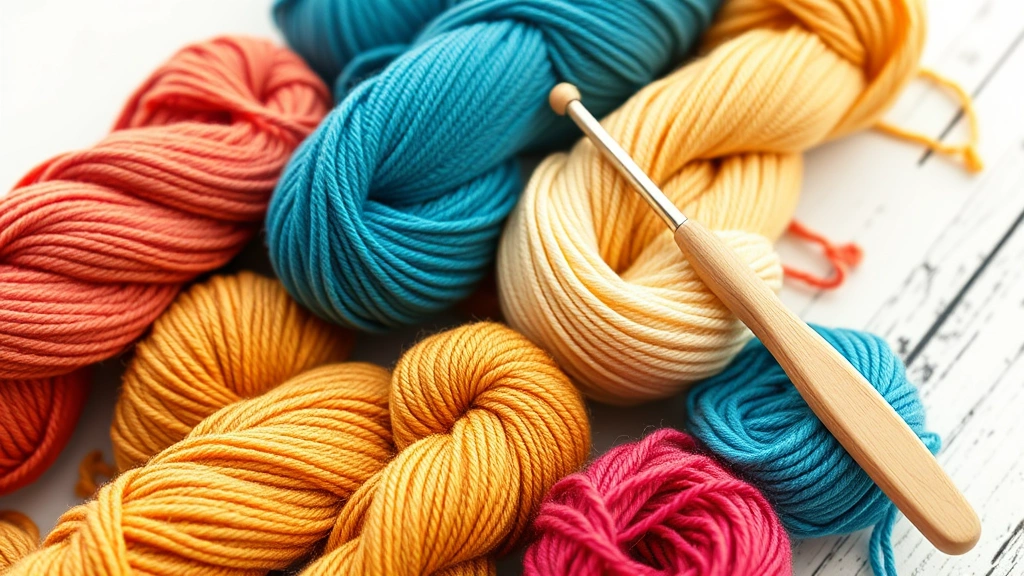
” alt=”Close-up of colorful yarn skeins arranged in a flat lay on a wooden surface with a crochet hook” style=”max-width: 100%; height: auto; border-radius: 8px;”>
Quick Reference: Yarn Weight Chart
I’m including this because sometimes you need a quick answer without scrolling through paragraphs.
- Lace (0): Super thin, delicate projects, takes forever, beautiful results
- Fingering (1): Thin, detailed work, socks, shawlettes, requires patience
- Sport (2): Light and delicate, good for garments, moderate time investment
- DK/Light Worsted (3): Versatile, good for many projects, reasonable pace
- Worsted (4): Most common, good for beginners, works up quickly
- Bulky (5): Thick, fast projects, cozy results, limited stitch definition
- Super Bulky (6): Very thick, very fast, dramatic results
- Jumbo (7): Extremely thick, ultra-fast, novelty projects
Fiber Comparison at a Glance
Here’s a quick reference for common fibers and their characteristics:
| Fiber | Best For | Care | Price Range |
|---|---|---|---|
| Wool | Warm items, sweaters, blankets | Hand wash, lay flat | $8-20/skein |
| Cotton | Summer wear, dishcloths, amigurumi | Machine wash, gentle | $4-12/skein |
| Acrylic | Practice, gifts, budget projects | Machine wash, easy care | $2-6/skein |
| Alpaca | Luxury items, soft garments | Hand wash, delicate | $10-25/skein |
| Linen | Summer items, structured pieces | Machine wash, durable | $6-15/skein |
Where to Buy Quality Yarn
Knowing where to shop can actually make a difference in your experience and what you find.
Local yarn shops: These are absolute treasures. The staff knows their inventory inside and out, they can help you troubleshoot problems, and they usually have a community of crafters. Yes, prices might be slightly higher than online, but the value of expert advice is real. Plus, supporting local businesses feels good.
Online retailers: Sites like Yarnspirations offer a huge selection and often competitive pricing. The downside is you can’t feel the yarn before buying, so read reviews carefully and check return policies.
Big box craft stores: They’ve got decent prices and frequent sales. Quality is variable, but brands like Lion Brand and Red Heart are reliable. These stores are great for budget-conscious projects.
Specialty fiber shops: If you’re looking for premium or unusual fibers, these shops are your friend. They often carry indie dyer brands and high-end yarns you won’t find elsewhere. Prices reflect the quality, but if you want something special, it’s worth the investment.
Pro tip: Join the mailing lists of stores you like. Sales and new inventory announcements come through email first, and you’ll catch deals before they’re gone.
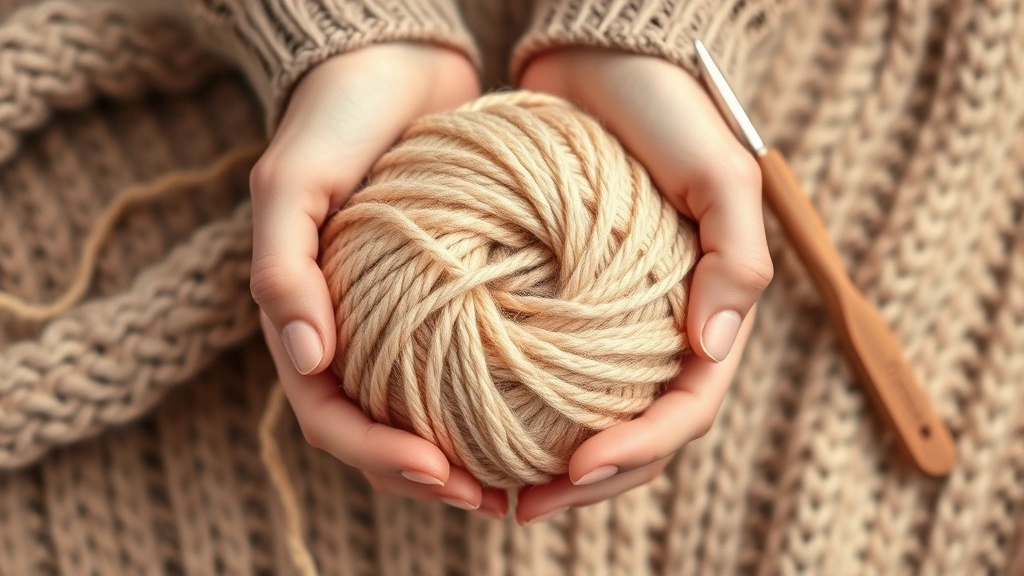
” alt=”Hands holding a ball of soft yarn in warm neutral tones with a crochet hook nearby on a cozy knitted background” style=”max-width: 100%; height: auto; border-radius: 8px;”>
Sustainable and Ethical Yarn Choices
If you care about how your yarn is made and where it comes from, you’re not alone. More makers are prioritizing sustainability and ethical sourcing, and there are genuinely good options out there.
Recycled yarn is made from repurposed fibers, which means less waste. It’s usually affordable and comes in interesting colors. The downside is that recycled fibers can be less strong than virgin fibers, so they work better for certain projects.
Organic fibers are grown without synthetic pesticides, which is better for the environment and workers. They cost more, but if this matters to you, it’s worth the investment.
Indie dyers are small-batch dyers who often use plant-based dyes and prioritize sustainable practices. Their yarn is usually gorgeous and unique, and you’re supporting small businesses directly. Check out Ravelry’s indie dyer section to discover makers in your area.
Fair trade certified yarn ensures that workers are paid fairly and working conditions are safe. Look for certifications on labels if this is important to you.
The reality is that truly sustainable yarn is usually more expensive than conventional options. But if you’re making something you’ll keep and use for years, the environmental impact is spread across that entire lifespan, which actually makes it more sustainable than buying cheaper yarn repeatedly.
Building a Yarn Stash Strategically
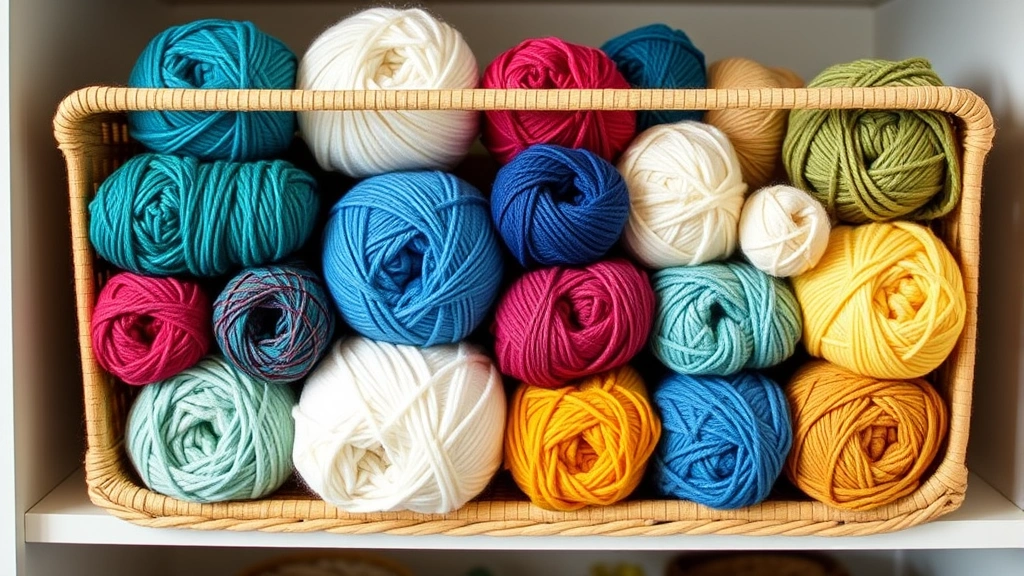
Okay, so you’re getting into this, and you’re starting to accumulate yarn. Maybe you’ve got a basket, maybe a whole closet. Let’s talk about building a stash that actually serves you instead of just taking up space.
First, keep yarn in a cool, dry place away from direct sunlight. Sunlight fades colors, and humidity can encourage mildew or pests. A closet shelf or storage bin works great. If you’re worried about moths (which are a real problem with natural fibers), use cedar blocks or mothballs.
Second, organize in a way that makes sense to you. Some people organize by color, some by weight, some by fiber content. There’s no right answer—just pick whatever system you’ll actually use. I organize mine by fiber type first, then by color within each category, because I’m usually thinking about what fiber I want before I pick a color.
Third, be intentional about what you’re adding to your stash. Ask yourself: do I have a project in mind for this? If the answer is no, think hard before buying. A stash should be full of possibilities, not just yarn you bought because it was pretty.
Finally, use your stash. Don’t let it become museum pieces that are too nice to actually make into something. That yarn was made to be crocheted, and your projects are more important than a perfect stash.
FAQ
Can I substitute one yarn for another in a pattern?
Yes, but carefully. The most important thing is matching yardage. If your pattern calls for 1000 yards of fingering weight and you want to use bulky weight, you’ll need roughly 400-500 yards of bulky (because it covers more distance). Always swatch with the new yarn and hook size before committing to the full project. The finished item might look different, and that’s okay—just know what you’re getting into.
What’s the difference between yarn weight and thickness?
Yarn weight is the standardized measurement system (0-7). Thickness is descriptive—how thick the strand actually is. They usually correspond (higher weight number = thicker yarn), but not always. Some yarns are fuzzy or textured, which makes them feel thicker than their actual weight. Always check the weight on the label rather than relying on how it looks.
How do I know if yarn will pill?
Natural fibers pill less than synthetics, but quality matters too. Lower-quality acrylic pills more readily than higher-quality acrylic. Loosely twisted yarn pills more than tightly twisted yarn. If pilling is a concern, ask at your local yarn shop or check reviews on Ravelry for that specific yarn. People are usually honest about pilling issues.
Is expensive yarn always better?
Not always, but price usually correlates with quality. Expensive yarn often has better fiber content, better dyeing, better construction, and better longevity. But some expensive yarn is expensive because of the brand name, not because it’s actually better. Mid-range yarn from reputable manufacturers often gives you the best value.
How much yarn should I buy for a project?
Always check your pattern—it’ll tell you the yardage needed. If you’re substituting yarn, use a yardage calculator (Ravelry has one) to figure out how much you need based on the weight difference. Buy about 10% extra if you can, because running out when you’re almost done is heartbreaking.
What’s the best yarn for beginners?
Worsted weight (4) acrylic in a light solid color. It’s forgiving, affordable, shows your stitches clearly so you can see what you’re doing, and it doesn’t split easily. Once you’re comfortable with basics, experiment with different fibers and weights. But start here—it’ll build your confidence.
Can I wash yarn to soften it?
Sometimes. Wool gets softer after washing, especially if you use a gentle wash and conditioner. Acrylic doesn’t really soften much with washing. Check the care label first, and when you do wash yarn, use cool water and lay it flat to dry. Never wring it out or put it in the dryer.