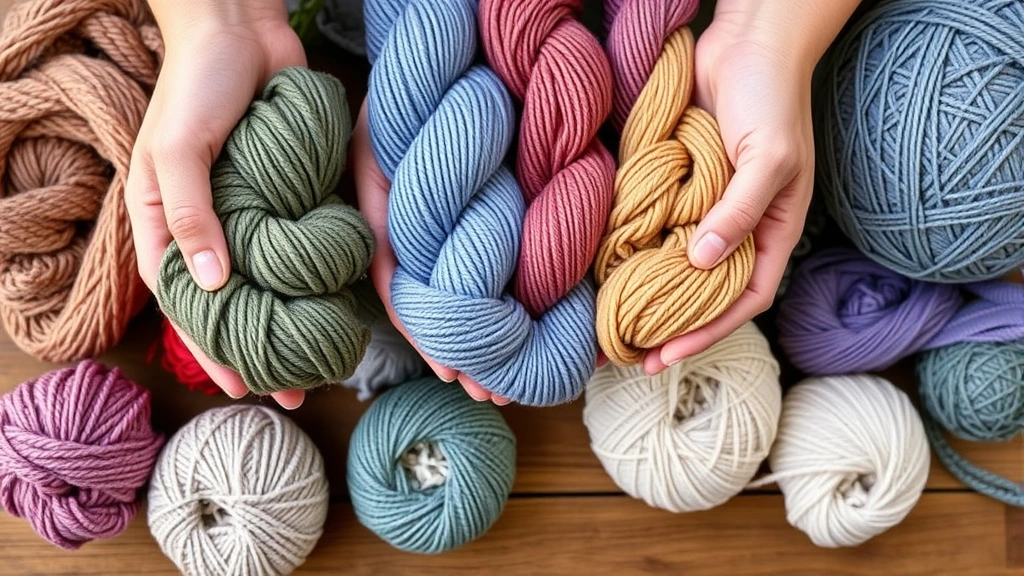
Choosing the Right Yarn for Your Crochet Projects: A Complete Guide
Let’s be real—walking into a yarn shop or scrolling through an online store can feel absolutely overwhelming. There are literally hundreds of yarn types, weights, fiber contents, and price points staring you down, and you’re just trying to figure out what’ll actually work for the blanket, sweater, or amigurumi you’ve got brewing in your head. I’ve been there, standing in front of walls of beautiful yarn with zero idea which one would actually make me happy once I started hooking.
The thing is, choosing yarn isn’t actually as complicated as it seems. It’s really just about understanding a few key factors—what you’re making, what feel you want, how much you’re willing to spend, and honestly, what makes you excited to pick up your hook every single day. That last part matters way more than people think. A “perfect” yarn for a project is pretty useless if you hate working with it.
In this guide, we’re going to walk through everything you need to know about picking yarn that’ll make your projects turn out beautifully and keep you motivated from start to finish. We’ll cover fiber types, weights, yardage, budget considerations, and all those little things that make the difference between a project you love and one that ends up in a drawer.
Understanding Yarn Weight and Project Matching
Yarn weight is probably the single most important thing to get right, and honestly, it’s the easiest to mess up if you’re not paying attention. The weight doesn’t mean how heavy the yarn physically is—it refers to how thick the yarn is and how many yards you get per pound. The Craft Yarn Council standardized this into categories numbered 0 through 7, which makes things way simpler than they used to be.
Here’s the quick breakdown: Lace weight (0) is gossamer-thin and takes forever to work up but creates delicate, ethereal pieces. Fingering weight (1) is what you’ll use for intricate shawls and socks—it’s thin but has enough structure. Sport and DK weights (2-3) are where a lot of people find their sweet spot for lightweight garments and accessories. Worsted weight (4) is the classic go-to for blankets, hats, and sweaters—it works up quickly and is forgiving. Bulky and super bulky (5-6) are chunky and cozy, perfect if you want a project done in a weekend.
Here’s where people get tripped up: using the wrong weight for your pattern. If your pattern calls for worsted weight and you grab a fingering weight yarn thinking “well, it’s just thinner, I’ll use more strands,” you’re going to have a bad time. The pattern’s stitch counts, gauge, and final dimensions are all calculated around that specific weight. You could end up with something that’s way too big, too small, or just structurally weird.
The best practice? Always check your pattern first, note the recommended weight, then look for that weight specifically. If you absolutely love a yarn that’s a different weight, you can substitute it, but you’ll need to recalculate your pattern using gauge swatches and math. It’s doable but requires extra work.
When you’re assessing yarn quality, pay attention to how the weight affects drape and structure. A bulky acrylic yarn is going to behave completely differently than a bulky wool blend, even though they’re technically the same weight category.
Fiber Content: What Your Yarn Is Actually Made Of
This is where yarn gets personal. The fiber content determines how your finished project feels, how it wears, how you’ll care for it, and honestly, how much you’ll enjoy working with it. Let’s break down the major players.
Acrylic gets a bad rap, but it’s genuinely useful. It’s affordable, durable, easy to care for (throw it in the washing machine), and comes in every color imaginable. The downside? It doesn’t breathe well, it can feel plasticky, and it doesn’t age gracefully—it pills and fuzzes over time. I use acrylic for toys, practice pieces, and gifts where durability matters more than luxury feel. Brands like Red Heart and Caron make solid, affordable options.
Wool is the classic for a reason. It’s warm, it has natural elasticity so your stitches stay put, it accepts dye beautifully so you get rich colors, and it actually improves with wear and age. The catch? It can be pricey, many people are sensitive to it (that itchy feeling), it requires careful washing, and it can felt if you’re not gentle. Merino wool is softer than standard wool and less likely to itch. If you’re making a sweater or garment, wool is genuinely worth the investment.
Cotton is perfect for summer projects, amigurumi, and anything you want to be breathable. It’s crisp, holds stitch definition beautifully, and is easy to wash. Downside: it has zero stretch, so it can feel stiff, and it’s heavier than wool at the same yardage, which makes large projects exhausting. Use cotton for tank tops, shawlettes, and structured pieces where that crisp feel actually works in your favor.
Blends are where the magic happens. A wool-acrylic blend gives you the warmth and elasticity of wool with better affordability and care instructions. A cotton-linen blend has the breathability of cotton with more structure. Alpaca blends are insanely soft and warm but usually pricey. Explore blends when you want the benefits of multiple fibers without committing to a single one.
Here’s my honest take: match the fiber to the purpose. Acrylic for toys and practice, wool for garments you’ll wear regularly, cotton for summer, and blends when you want the best of both worlds. Your hands and your finished projects will thank you.
Budget Planning and Cost Considerations
Let’s talk money, because yarn budgets are real and they matter. A single skein of luxury yarn can cost $20-$40, while a skein of acrylic might be $2-$5. For a large blanket, that’s a massive difference, and it’s completely valid to factor cost into your decision.
First, figure out how much yardage you actually need. Check your pattern, note the yardage requirement, and add about 10% as a buffer for gauge adjustments and mistakes. Then calculate: yardage needed ÷ yardage per skein = number of skeins. Once you know that number, you can figure out your total cost across different yarn options.
Here’s a practical example: let’s say you want to make a simple granny square blanket that needs 3,000 yards. If you use a worsted weight acrylic at $3 per 220-yard skein, you’d need about 14 skeins for roughly $42. That same blanket in a luxury merino blend at $18 per 220-yard skein would run you $252. Both are valid choices—it depends on whether this is a practice piece or something you’re making as a special gift.
My suggestion? Tier your yarn choices by project importance. Practice pieces and gifts for people who won’t judge? Acrylic is your friend. Garments you’ll wear constantly? Invest in quality. Sentimental pieces? Go mid-range with a nice blend. You’ll feel better about the project and the money spent.
Also, watch for sales and shop yarn during off-seasons. Summer is a great time to stock up on winter yarn, and vice versa. Websites like Ravelry let you compare prices across retailers and see what other crafters paid, which helps you spot deals.
Assessing Yarn Quality and Durability
Not all yarn at the same price point is created equal. Quality varies based on how the yarn was processed, spun, and dyed. Here’s how to spot good yarn.
Look at the twist. Run your fingers along the yarn. A tightly twisted yarn will hold up better over time and is less likely to pill. Loosely twisted yarn is softer and more delicate but fuzzes more easily. Neither is “better”—it depends on your project. A tightly twisted yarn is great for everyday wear items; loosely twisted is lovely for something you’ll treasure but not beat up.
Check for consistent thickness. Roll the yarn between your fingers. Good yarn should feel relatively even throughout. If you find thin spots or weird lumps, that’s a sign of inconsistent spinning, which can cause problems as you work.
Feel the texture. If it’s scratchy or makes your hands itch immediately, keep shopping. You’re going to be working with this for hours, and life’s too short to crochet with yarn that bothers you. That said, some yarn softens as you work and wash it, so if you love it otherwise, it might be worth a try.
Read reviews. Before buying a yarn you’re unfamiliar with, check Ravelry or other crochet communities. Real crafters will tell you if a yarn pills like crazy, if the dye is inconsistent, or if it holds up well after washing. This is genuinely invaluable information.
Look for yardage per weight as a quality indicator. If two yarns are the same weight but one has significantly less yardage per ounce, it’s likely less densely spun, which can affect durability and drape. Denser yarn generally holds up better.
Special Considerations for Different Projects
Different projects have different yarn needs, and matching the right fiber to the right project makes a huge difference in the final result.
For Wearables and Garments
When you’re making something you’ll actually wear—a sweater, cardigan, or fitted garment—quality matters. You want yarn that has good elasticity so it holds its shape, won’t pill easily, and feels good against your skin. Wool, merino, or wool blends are ideal. Acrylic can work if you choose a high-quality acrylic, but cheaper acrylic will stretch out over time and lose its shape. If you’re making a garment you’ll wear regularly, you’re going to want something that lasts.
Also consider the care instructions. If you’re making a sweater and you can’t hand wash it, that limits your fiber options. Superwash wool is treated to be machine washable, which is a game-changer if you’re making gifts for people who won’t hand wash.
For Blankets and Afghans
Blankets are the perfect place to use slightly lower-quality acrylic because they don’t need to stretch or hold intricate stitch definition. A soft acrylic or acrylic blend works beautifully. If you’re making a blanket you’ll actually use and wash regularly, durability matters—go for a blend or wool rather than pure acrylic, which can pill. For a blanket on a budget, acrylic is genuinely the right choice. For a heirloom blanket, invest in quality wool.
For Amigurumi and Toys
Toys need sturdy yarn that won’t shed fibers your kiddo might inhale. Acrylic is actually perfect here—it’s durable, easy to wash, affordable, and doesn’t shed. Cotton is also great if you want something more natural. Avoid loosely spun or fuzzy yarns for toys because they shed and pill too easily.
For Delicate Projects
Shawls, lace scarves, and delicate garments call for yarn that drapes beautifully. Fingering weight merino, linen, or cotton work wonderfully. Acrylic can work but often lacks the fluidity of natural fibers. If you’re investing time in intricate lace work, the yarn should showcase it.
Your Step-by-Step Yarn Selection Process
Okay, let’s tie this all together into a practical process you can use every single time you start a new project.
- Start with your pattern. Read through it completely. Note the recommended yarn weight, fiber content if specified, and total yardage needed. This is your baseline.
- Consider the project purpose. Is this a practice piece, a gift, or something for yourself? Will it get heavy use or is it decorative? This determines your budget and quality tier.
- Think about fiber. Based on the project type and your needs, what fiber makes sense? Wool for durability, acrylic for budget and care-free washing, cotton for breathability, or a blend for versatility?
- Check weight options. If your pattern calls for worsted weight, stick with worsted unless you’re willing to do gauge math. If you have flexibility, explore what’s available in your chosen fiber.
- Calculate cost. Figure out how many skeins you need and multiply by the per-skein cost. Compare across different yarn options so you know what you’re committing to financially.
- Read reviews. Before buying, especially if it’s a pricey yarn, check Ravelry or other community reviews to see how it actually performs.
- Buy one skein first if possible. Touch it, work with it for a little bit, and make sure you actually like how it feels. Yarn that looks beautiful in photos might feel wrong in your hands.
- Make a gauge swatch. Even if you’re confident, crochet a 4×4 inch swatch in your pattern stitch with your chosen yarn and hook. This tells you if your gauge matches the pattern and if the yarn behaves the way you expect.
Common Yarn Selection Mistakes to Avoid
I’ve made these mistakes, and I’ve seen countless other crafters make them too. Learn from our collective pain.
Substituting weight without recalculating. Just don’t. If your pattern calls for worsted and you use fingering, you’ll have problems. Do the math or pick a different pattern.
Ignoring fiber content recommendations. If a pattern specifically calls for wool and you substitute acrylic thinking it’s the same, you might end up with something that doesn’t drape right or hold its shape. Fiber matters more than people realize.
Buying yarn you hate working with. “But it’s on sale!” and “But it’s so pretty!” are not good reasons if the yarn is scratchy, splitty, or frustrating to work with. Life’s too short. Put it back.
Not accounting for yardage variance. Different dye lots can have slightly different yardage, and your gauge might be slightly different than the pattern’s. Always buy an extra skein or two for larger projects. Worst case, you’ll have yarn for your next project.
Assuming cheaper always means worse. Some affordable acrylic is genuinely good quality. Some expensive yarn is overhyped. Price doesn’t always correlate with quality—reviews and personal testing do.
Where to Shop for Quality Yarn
You’ve got options, and each has pros and cons.
Local yarn shops are amazing if you have one nearby. You can touch and feel the yarn, get personalized recommendations, and support your community. Prices are usually higher than online, but the expertise and community are worth it.
Online retailers like Yarnspirations offer huge selection and competitive prices. The downside is you can’t feel the yarn before buying. Read descriptions carefully and check reviews.
Ravelry isn’t a retailer, but it’s an incredible resource. You can see what yarn other crafters used for specific projects, read detailed reviews, compare prices across multiple shops, and find patterns. It’s basically the social network for crocheters and knitters.
Specialty yarn websites focus on premium fibers and often have excellent customer service and detailed product information. They’re pricier but great for special projects.
Big box craft stores have budget options and convenient locations, but selection is limited and quality varies. Good for acrylic and when you need yarn today, not in three days.
FAQ
Can I use a different yarn weight than my pattern calls for?
Technically yes, but it requires work. You’d need to swatch in your chosen yarn, calculate a new gauge, and adjust stitch counts and dimensions accordingly. For beginners, it’s better to stick with the recommended weight. Once you’re comfortable with gauge and pattern modification, you can experiment.
What’s the difference between superwash and regular wool?
Superwash wool is treated with a special process that makes it machine washable without felting. Regular wool needs to be hand washed in cool water. Superwash is more convenient, especially for items that’ll be washed frequently, but it’s usually more expensive.
Why does some yarn pill and others don’t?
Pilling happens when short fibers work their way to the surface and ball up. Tightly twisted yarn pills less. Natural fibers like wool usually pill less than acrylic. Lower quality yarn pills more. It’s not always avoidable, but you can minimize it by choosing tightly twisted yarn and being gentle with your finished projects.
Is expensive yarn always better?
Not necessarily. Expensive yarn is usually higher quality, but price doesn’t always correlate with suitability for your specific project. An expensive yarn might be beautiful but wrong for what you’re making. Read reviews and test before committing to pricey yarn.
How do I know if a yarn will work for a sensitive-skin wearer?
Merino wool and superwash wool are gentler than standard wool. Acrylic is hypoallergenic. Avoid scratchy yarns. If you’re making a gift for someone sensitive, test the yarn against your skin first or choose a yarn specifically marketed as soft for sensitive skin. Bamboo and tencel blends are also typically gentle.
Can I mix different yarn brands in one project?
Yes, as long as they’re the same weight, yardage per gram is similar, and the colors work together. Different brands can vary slightly in thickness and behavior, so test your gauge with the exact combination you’re using. It’s easier to stick with one brand, but mixing is doable if you’re intentional.
Choosing yarn doesn’t have to be overwhelming. You’ve got this. Start with your pattern, think about what you actually want to make and wear, consider your budget, and trust your gut about what feels good in your hands. The right yarn is out there, and half the fun of crochet is finding it and creating something beautiful with it. Happy hooking!