Beginner’s Guide to Choosing the Right Yarn for Your Crochet Projects
So you’ve decided to pick up a crochet hook and dive into this wonderful world of making things with yarn. That’s amazing! But then you walk into a yarn shop, or scroll through an online store, and suddenly you’re staring at what feels like infinite options. Weight, fiber content, yardage, color—it’s enough to make your head spin. Here’s the thing though: choosing the right yarn doesn’t have to be complicated, and I’m here to walk you through it like we’re having coffee together and talking through your project ideas.
I remember my first yarn shopping trip. I grabbed whatever was pretty and on sale, cast on way too many stitches with a yarn that was way too thick for my needles, and ended up with a lumpy rectangle that I’m still not sure was supposed to be a blanket or a scarf. The problem wasn’t that I was a bad crocheter—it was that I didn’t understand how to match yarn to my vision. Once I learned that, everything changed. My projects looked better, they felt better, and honestly, the whole experience became so much more enjoyable.
Understanding Yarn Weight and Thickness
Let’s start with the most confusing part for beginners: yarn weight. And I don’t mean how heavy it is—I mean the thickness category. The Craft Yarn Council has standardized this into categories from 0 (lace) all the way up to 7 (jumbo), and honestly, once you understand this system, you’re already halfway to becoming a yarn expert.
Here’s the breakdown:
- Lace (0): Super fine, delicate, often used for intricate shawls and doilies
- Fingering (1): Thin and requires patience, but creates beautiful drape for socks and lacy garments
- Sport (2): Still thin, but more forgiving than fingering—great for amigurumi or detailed work
- DK/Light Worsted (3): Medium weight, versatile, and honestly my go-to for most projects
- Worsted (4): The most common weight you’ll find, perfect for blankets and sweaters
- Bulky (5): Thick and satisfying to work with, creates projects quickly
- Super Bulky (6): Very thick, projects work up incredibly fast, great for cozy blankets
- Jumbo (7): Basically rope, creates statement pieces fast
Here’s where it gets real: the yarn label will have a little symbol showing the weight category, usually a ball with a number. When you’re looking at a pattern, the designer will specify which weight they used. This is crucial because using a different weight will change your finished project’s size, drape, and appearance. I once tried to make a delicate shawl with bulky yarn because I wanted it done quickly, and it looked like a chunky triangle instead of the elegant wrap I was hoping for.
The needle size on the label is a recommendation, not a law. I often go down a size or two if I want a denser fabric, or up a size if I want something more open and drapey. But if you’re just starting out, stick with the recommended needle size until you’re comfortable experimenting.
Fiber Content: Acrylic, Wool, Cotton, and Beyond
Now let’s talk about what your yarn is actually made of, because this affects everything from how it feels to how you’ll care for your finished project. Different fibers have completely different personalities, and finding the right one for your project is like matchmaking.
Acrylic Yarn: This is the budget-friendly option, and honestly, there’s no shame in that game. Acrylic is synthetic, easy to care for, comes in every color imaginable, and won’t break the bank. Brands like Red Heart and Lion Brand have been making quality acrylic for decades. The downsides? It can feel a bit plasticky, doesn’t breathe as well as natural fibers, and it can pill over time. But for practice projects, toys, or if you’re on a tight budget, acrylic is genuinely wonderful.
Wool Yarn: Ah, wool. It’s warm, elastic, has gorgeous stitch definition, and feels luxurious. If you’re making a sweater or winter blanket, wool is often your answer. The catch? It requires more careful washing, can felt if you’re not careful, and some people are sensitive to it. Merino wool is softer than traditional wool and less itchy, making it a great middle ground. Fair warning though—wool costs more, but it’s an investment in something that’ll last years.
Cotton Yarn: Perfect for summer projects, dishcloths, and anything that needs to be breathable. Cotton has less stretch than wool, so your stitches need to be a bit tighter, and finished projects can feel a little stiffer. But there’s something about a cotton blanket in summer that just can’t be beaten. Lily Sugar ‘n Cream is the classic budget cotton option, while Scheepjes and other premium brands offer softer, higher-quality cotton.
Blends: You’ll also see cotton-acrylic blends, wool-acrylic blends, and all sorts of combinations. These are actually really smart because they combine the best qualities of each fiber. A wool-acrylic blend gives you warmth and elasticity without the high price tag or care requirements of pure wool.
Specialty Fibers: Then there’s the fun stuff—bamboo, alpaca, silk, linen. These create beautiful finished projects but come with higher price tags and specific care instructions. Save these for when you’re feeling confident and have a specific vision in mind.
Calculating Yardage and Project Planning
Here’s where a lot of beginners get tripped up: understanding yardage. The label tells you how many yards (or meters) are in that ball or skein, and this number is absolutely critical for knowing if you have enough yarn for your project.
Every crochet pattern will tell you the yardage required. Let’s say you want to make a blanket with a specific pattern, and it calls for 2,000 yards. If your yarn has 220 yards per ball, you’ll need about 9-10 balls (always round up and buy an extra ball just in case). This is basic math, but it’s easy to forget when you’re excited about a project.
Here’s my pro tip: keep a spreadsheet or note on your phone with the yardage of every yarn you own. When you’re scrolling through patterns, you can quickly check if you have enough stash yarn to make something. It’s saved me from buying yarn I didn’t need so many times.
Also, pay attention to yardage per ounce or per 100 grams, not just total yardage. This tells you how much yarn is actually in that ball. Two balls of yarn might both say 100 yards, but one might weigh 50 grams and one might weigh 100 grams. The heavier one has more actual yarn, even though the yardage is the same—it’s just thicker yarn.
Color Selection and Dye Lots and How They Matter
Let me tell you about dye lots because this is something I wish someone had explained to me early on. Every time a yarn company dyes a batch of yarn, that batch gets a dye lot number. Even if it’s the same color name, yarn from different dye lots can look noticeably different.
This matters most for larger projects. If you’re making a blanket and you run out of yarn halfway through, and you buy more of the same color from a different dye lot, there’s a good chance you’ll see a visible stripe where the colors change. It’s subtle sometimes, and sometimes it’s really obvious. For this reason, always buy all your yarn at once when starting a big project, and check that all the balls have the same dye lot number.
That said, color choices can make or break a project. Solid colors are classic and show off stitch detail beautifully. Variegated or multi-colored yarns are fun and forgiving because they hide imperfections, but they can make stitch patterns disappear. Heathered or tweed yarns add texture and visual interest without being as busy as true variegated.
My advice? Buy a small amount and crochet a swatch before committing to a whole project with a color you’re unsure about. What looks great in the skein might feel different once you’re working with it.
Budget-Friendly Yarn Shopping Strategies
Let’s be honest—yarn can get expensive, and it’s easy to spend way more than you planned. But there are smart ways to shop that keep your yarn budget reasonable while still getting quality materials.
Shop Sales and Clearance: Yarn shops and online retailers have seasonal sales. Joining email lists for your favorite shops means you’ll know when there’s a sale. I’ve picked up premium yarn at 40% off just by being patient.
Buy in Bulk: If you find a yarn you love, buying multiple balls at once often qualifies for discounts. Plus, you’re guaranteed the same dye lot.
Check Ravelry: Ravelry is basically Instagram for crocheters, and it’s free. You can search for patterns, track your projects, and see what other people made with specific yarns. It’s invaluable for deciding if a yarn is worth the price.
Stash-Busting: Challenge yourself to use yarn you already have. Some of my favorite projects came from combining random leftover yarns because I was determined not to buy anything new.
Consider Substitutions: If a pattern calls for expensive specialty yarn, look for a similar weight and fiber content in a budget-friendly brand. It won’t be identical, but it’ll work. This is where understanding fiber content and yarn weight really pays off.
Yarn Choices for Special Projects
Different projects really do call for different yarn, and once you understand why, you’ll make way better choices.
Baby Items: Go with soft, washable yarns. Acrylic is actually perfect here because it’s easy to care for and affordable. Merino wool is beautiful but pricier. Whatever you choose, make sure it’s not scratchy—babies have sensitive skin.
Wearables: For sweaters, cardigans, and accessories, you want yarn with some elasticity and drape. Wool and wool blends are classic for a reason. The weight depends on your climate and the garment type—lighter weights for summer, heavier for winter.
Blankets: This is where yarn weight really matters. Bulky and super bulky yarns create blankets quickly, while worsted weight gives you more control and takes longer but uses less yarn. Consider the finished weight—a heavy wool blanket might be too much for some people, while a light cotton blanket is perfect year-round.
Amigurumi (Stuffed Toys): You want a tightly-worked fabric that won’t show stuffing, so sport or DK weight works best. Acrylic is practical here because toys get washed frequently and need to withstand play.
Lacy Shawls: Fingering or lace weight creates the delicate drape these projects need. Yes, it’s time-consuming, but the finished product is absolutely worth it.
Frequently Asked Questions
Can I use a different yarn weight than what the pattern calls for?
You can, but understand that it’ll change your finished project. Different weights will create different sizes, drape, and appearance. If you’re substituting, try to find yarn with similar yardage per ounce. Make a gauge swatch first to see how it’ll look.
What does “dye lot” mean and why does it matter?
A dye lot is the batch number assigned when yarn is dyed. Different batches of the same color can look slightly different due to variations in the dyeing process. For large projects, buy all your yarn at once to ensure color consistency.
Is expensive yarn always better?
Not necessarily. Premium yarn often feels better and lasts longer, but quality acrylic and budget-friendly options work beautifully for many projects. It depends on what you’re making and what matters to you.
How do I know if a yarn will feel good in my hands?
The best way is to touch it in person if possible. Online, read reviews on Ravelry where real crocheters describe how yarn feels and performs. Watch YouTube videos where people show the yarn in action.
What’s the difference between yarn and thread?
Thread is thinner and usually used for sewing or fine crochet work. Yarn is thicker and what you’ll use for most crochet projects. They’re not interchangeable for typical projects.
Should I buy more yarn than a pattern calls for?
Always buy at least one extra ball. You might make mistakes, want to add a border, or find that your tension requires more yarn than expected. It’s better to have leftovers than to run short.
How do I store yarn to keep it in good condition?
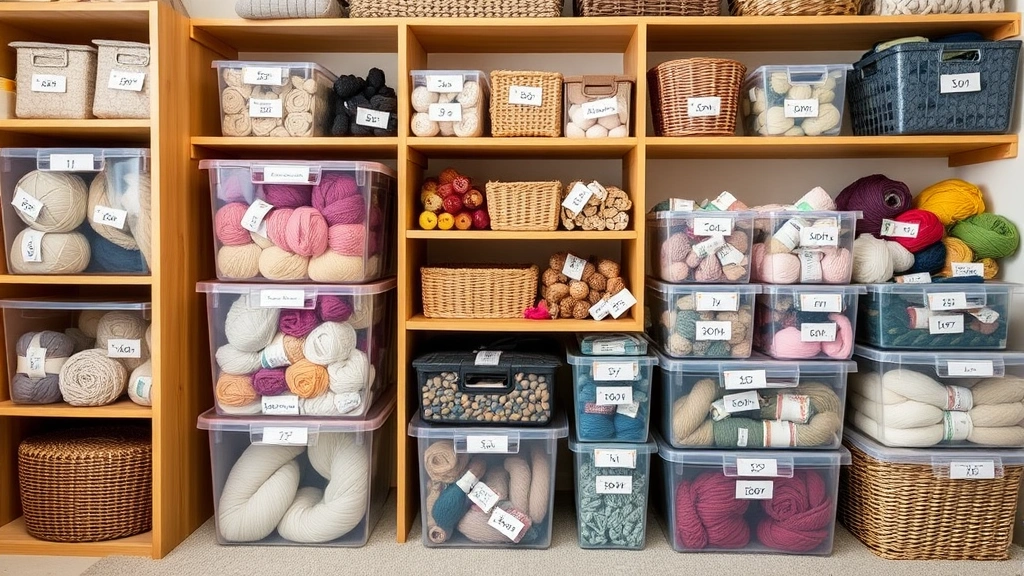
Keep yarn in a cool, dry place away from direct sunlight. A plastic storage bin works great, or a yarn bowl if you want it accessible. Keep it away from moisture and pests, and if you’re storing it long-term, consider cedar blocks to protect against moths.
Choosing the right yarn is genuinely one of the most important skills you’ll develop as a crocheter, and it’s something you’ll get better at with every project. Start with quality basics, pay attention to how different yarns perform, and don’t be afraid to experiment. Before you know it, you’ll be confidently walking into a yarn shop and knowing exactly what you need. And that feeling? That’s pure magic. Happy crocheting!