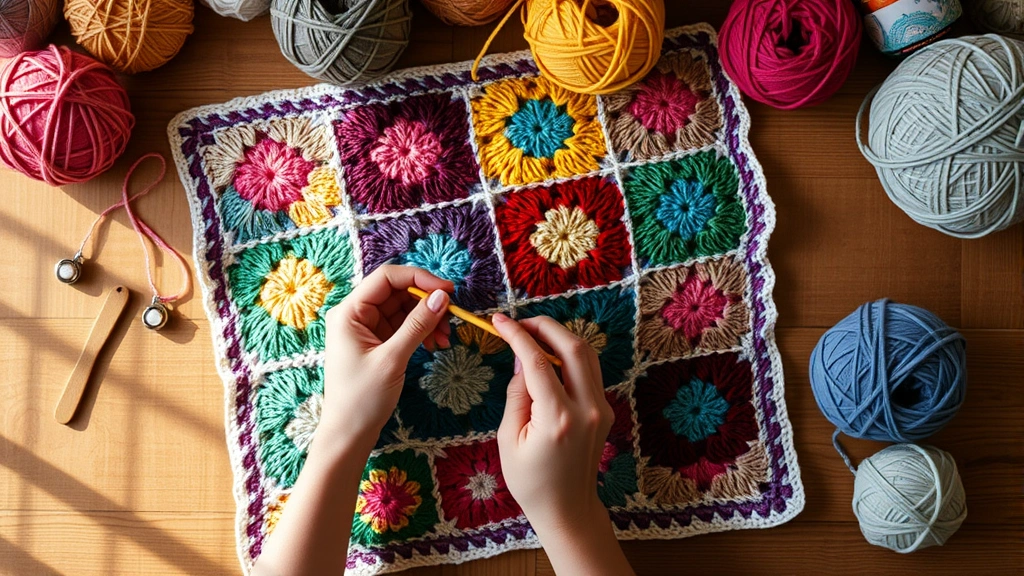
I still remember the first time I tried to make a crochet blanket – I was so excited about creating something cozy and beautiful, but I had absolutely no idea where to start. Should I go with a simple single crochet? Try something fancy with shells? What about size? I ended up making so many mistakes that first blanket looked more like a wonky trapezoid than anything you’d want to snuggle under.
The truth is, choosing the right crochet blanket pattern can make or break your entire project. Pick something too ambitious and you’ll get frustrated halfway through. Choose something too boring and you’ll lose interest before you finish the border. But when you find that perfect pattern – one that matches your skill level, fits your timeline, and creates something you’ll actually want to use – there’s nothing quite like the satisfaction of completing a handmade blanket.
Whether you’re making your first baby blanket or your tenth afghan, the key is understanding what makes a pattern work for YOU. Your skill level, available time, yarn budget, and intended recipient all play huge roles in what pattern will actually get finished and loved.
Quick Answer
The best crochet blanket patterns balance your current skill level with your available time and budget. Start with simple stitches like single crochet or granny squares for beginners, and consider the blanket’s purpose – baby blankets need different qualities than decorative throws.
Matching Patterns to Your Skill Level
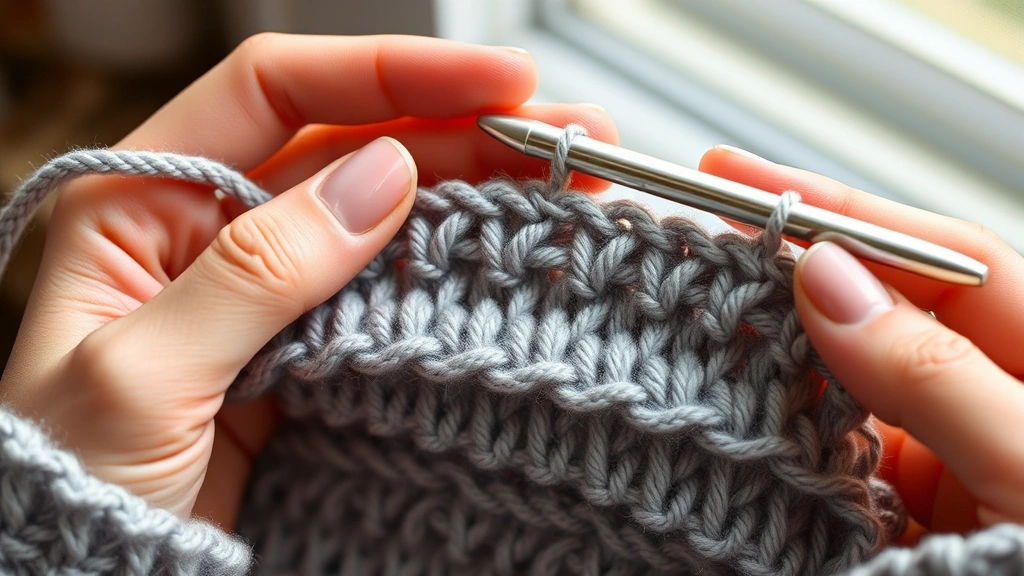
Here’s the thing about crochet skill levels – they’re not just about what stitches you know. A pattern might only use single crochet and double crochet, but if it requires precise gauge and complex shaping, it’s not really beginner-friendly. I’ve seen too many new crocheters get discouraged because they picked a pattern that looked simple but had hidden complexities.
True beginner patterns should stick to basic stitches (single crochet, double crochet, half double crochet) worked in straight rows or simple rounds. The pattern should be repetitive enough that you can find your rhythm without constantly checking instructions. Think simple stripes, basic granny squares, or all-over single crochet with maybe a shell border.
If you’re comfortable with basic stitches and can maintain consistent tension, you’re ready for beginner-plus patterns. These might introduce simple stitch combinations like the shell stitch or basic colorwork. The key is that new elements are introduced gradually, not all at once.
Intermediate patterns assume you can read charts, work with multiple colors confidently, and handle more complex stitch patterns. You might encounter techniques like post stitches, clusters, or working in multiple directions. These patterns often have more detailed shaping and finishing requirements.
Pro tip: If you’re between skill levels, choose the easier option. There’s nothing wrong with building confidence with simpler patterns before tackling more complex ones. I still make basic granny square blankets because they’re relaxing and always turn out beautiful.
Types of Crochet Blankets and Their Uses
Not all blankets are created equal, and the type you choose should match how you plan to use it. I learned this the hard way when I made a gorgeous lacy throw that looked amazing but was completely useless for actually keeping anyone warm.
Baby Blankets
Baby blankets need to be soft, washable, and safe. Stick to smooth stitches without big holes where tiny fingers could get caught. Baby blanket patterns typically measure 30×36 inches to 36×45 inches. Cotton or cotton blends work best because they’re machine washable and get softer with each wash. Avoid wool (too warm and scratchy) and acrylic blends with rough texture.
Lap Blankets and Throws
These are perfect for couch snuggling and typically measure 50×60 inches. You have more freedom with stitch patterns and yarn choices here. Worsted weight yarn works well, and you can experiment with texture stitches like bobbles or cables. These blankets get a lot of use, so durability matters as much as appearance.
Afghan-Style Blankets
Traditional afghans are larger (usually 60×80 inches or bigger) and often feature complex colorwork or intricate stitch patterns. These are statement pieces that might take months to complete. Popular styles include ripple afghans, granny square afghans, and sampler afghans that combine multiple stitch patterns.
Decorative Throws
These prioritize appearance over functionality and might include lacy patterns, delicate fibers, or complex colorwork. They’re usually smaller (around 45×60 inches) and meant to drape over furniture rather than provide serious warmth.
| Blanket Type | Typical Size | Best Yarn Weight | Primary Use |
|---|---|---|---|
| Baby Blanket | 30×36 to 36×45 inches | DK or Worsted | Warmth and comfort |
| Lap Blanket | 50×60 inches | Worsted | Couch snuggling |
| Full Afghan | 60×80+ inches | Worsted or Aran | Bed covering |
| Decorative Throw | 45×60 inches | DK to Worsted | Home decor |
Choosing the Right Yarn Weight and Fiber
Yarn choice can make or break your blanket project, and it’s not just about color (though that matters too). The weight and fiber content affect everything from how long the project takes to how the finished blanket feels and wears.
Worsted weight (Category 4) is the goldilocks of blanket yarns – not too thick, not too thin, and widely available in every color imaginable. It works up relatively quickly but still has good stitch definition. Most blanket patterns are written for worsted weight, making it the safest choice for beginners.
DK weight (Category 3) creates more delicate-looking blankets with better stitch definition, but takes longer to work up. It’s perfect for baby blankets or decorative throws where you want finer detail. The lighter weight also makes large blankets less heavy to work with.
Aran or chunky weights (Categories 5-6) work up quickly, which is great for instant gratification, but can create very heavy blankets. They’re perfect for quick throw blankets but might be too bulky for detailed stitch patterns. Chunky yarn blankets are trending right now for their cozy, oversized look.
Fiber Considerations
Acrylic gets a bad rap, but modern acrylics like Lion Brand Heartland or Red Heart Super Saver are actually excellent for blankets. They’re machine washable, affordable, and come in huge color ranges. For a blanket that will see regular use and washing, acrylic is often the most practical choice.
Cotton is wonderful for baby blankets and summer throws. It’s breathable, gets softer with washing, and is naturally hypoallergenic. However, it can be heavier than acrylic and takes longer to dry.
Wool creates the warmest, most luxurious blankets, but requires special care and can be scratchy against sensitive skin. Wool blends offer some of wool’s benefits with easier care requirements.
Planning Your Blanket Size
Size planning is where a lot of crocheters get into trouble. You start with good intentions, but halfway through you realize your “throw blanket” is turning into a washcloth, or your baby blanket could cover a queen-size bed.
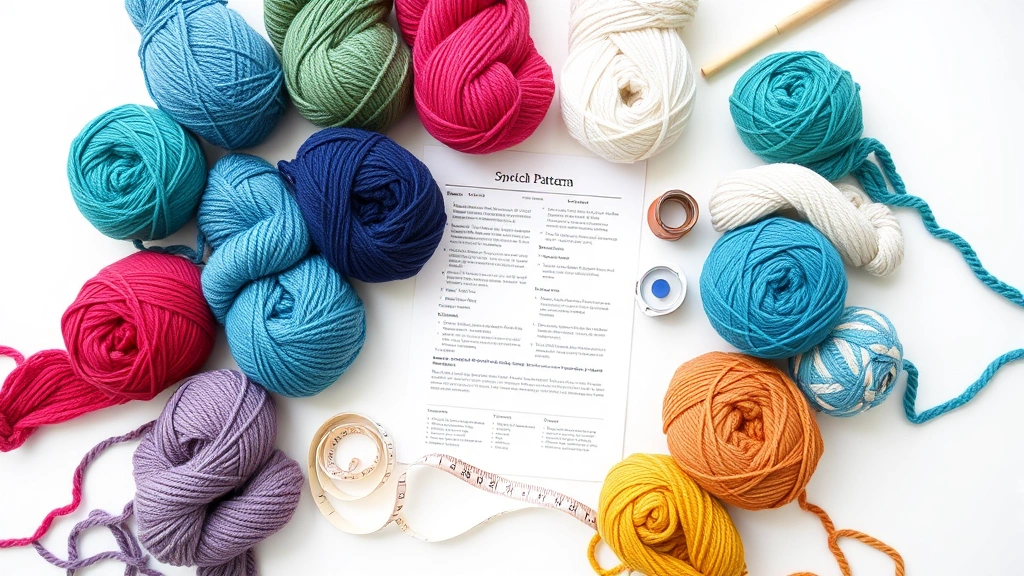
The key is understanding that your gauge (stitches per inch) directly affects your finished size. Even if you’re following a pattern exactly, differences in tension can change your final dimensions significantly. I always recommend making a gauge swatch, even for simple patterns.
Standard Blanket Sizes
Here are the sizes I use for planning purposes:
- Baby blanket: 30×36 inches (perfect for stroller or crib)
- Toddler blanket: 40×50 inches (grows with the child)
- Lap blanket: 50×60 inches (adult lap size)
- Twin throw: 60×80 inches (covers a twin bed as decoration)
- Full/Queen throw: 90×90 inches (decorative bed covering)
Remember, these are guidelines, not rules. A blanket that’s 48×62 inches instead of exactly 50×60 inches will work just fine. The important thing is planning ahead so you buy enough yarn and don’t run out three-quarters of the way through.
To calculate yarn needs, most worsted weight blanket patterns use about 15-20 yards per square inch of finished blanket. So a 50×60 inch blanket (3000 square inches) needs roughly 2250-3000 yards of yarn. Always buy extra – running out of yarn and not being able to find the same dye lot is heartbreaking.
Time and Budget Considerations
Let’s be honest about time – blankets take a while to make. I’ve started blanket projects with grand plans to finish them in a month, only to have them languish in my craft room for years. Setting realistic expectations helps you choose patterns you’ll actually complete.
A simple single crochet baby blanket might take 20-30 hours of actual crocheting time. A complex afghan with intricate colorwork could easily take 100+ hours. Factor in your available crafting time per week to estimate completion dates. If you only crochet for an hour on weekends, that baby blanket will take 6-8 months, not the 2-3 weeks you might imagine.
Budget-Friendly Approach
Blankets require a lot of yarn, which can get expensive quickly. Here’s how I keep costs reasonable:
- Choose patterns that use one or two colors instead of many different colors
- Look for sales and stock up when your preferred yarn is discounted
- Consider slightly heavier yarn weights to reduce total yardage needed
- Start with smaller projects like lap blankets instead of bed-size afghans
A basic worsted weight acrylic blanket might cost $30-50 in materials, while a luxury wool blanket could easily cost $200+. There’s nothing wrong with either choice, but know what you’re getting into before you start.
Reality check: If this is your first blanket, choose something simple and small. Master the basics of consistent tension and finishing techniques before tackling a year-long project. You can always make a bigger, fancier blanket next time.
Best Patterns for Beginners
The best beginner blanket patterns have a few things in common: they use basic stitches, have clear instructions, and are forgiving of small mistakes. Here are the patterns I recommend most often to new crocheters.
Single Crochet Blanket
This is as simple as it gets – just single crochet back and forth in rows. You can make it interesting with color changes every few rows for stripes, or stick with one color for a classic look. The repetitive nature helps you develop consistent tension, and mistakes are easy to spot and fix.
For a baby blanket, chain 120 stitches (about 30 inches wide with worsted weight yarn and a size H hook), then single crochet in each stitch across. Chain 1, turn, and repeat until your blanket is about 36 inches long. Add a simple border if desired.
Basic Granny Square Blanket
Granny squares are perfect for beginners because you’re working in small, manageable pieces. Each square uses only double crochet and chain stitches, and if you mess up one square, you only have to redo that one piece, not the entire blanket.
Start with traditional 3-round granny squares in different colors, then join them with single crochet or slip stitch. A baby blanket needs about 20 squares (4×5 arrangement), while a lap blanket needs around 48 squares (6×8 arrangement).
Simple Shell Stitch
Once you’re comfortable with basic stitches, shell stitch adds beautiful texture without being too complicated. The pattern uses groups of double crochets separated by chain spaces, creating a scalloped edge effect.
The Craft Yarn Council has excellent resources for understanding gauge, which becomes more important with textured stitches like shells.
Patterns for Intermediate and Advanced Crocheters
Once you’ve mastered basic techniques and completed a few simple blankets, you might be ready for more challenging patterns. These projects introduce new skills while creating truly stunning results.
Ripple or Chevron Patterns
Ripple blankets create beautiful wave-like patterns through increases and decreases worked in regular intervals. They look complex but follow a logical repeat pattern. The key is maintaining consistent tension through the increases and decreases to keep your waves even.
Most ripple patterns work well with gradient color changes, creating stunning ombre effects. Plan your colors carefully – you’ll need the same amount of each color, and the sequence affects the overall look.
Sampler Afghans
Sampler afghans combine multiple stitch patterns into one blanket, often arranged in squares or strips. They’re perfect for learning new techniques because each section is relatively small and manageable. Popular samplers might include cable stitches, bobbles, lace patterns, and colorwork.
The challenge with samplers is making sure all your sections end up the same size despite using different stitch patterns. This requires careful gauge management and sometimes creative blocking.
Intarsia and Fair Isle Colorwork
Advanced colorwork techniques let you create pictorial designs or complex geometric patterns. Intarsia involves working with separate balls of yarn for each color section, while Fair Isle carries multiple colors across each row.
These techniques require careful yarn management and consistent tension with multiple colors. Start with simple two-color patterns before attempting complex pictorial designs.
For inspiration and free patterns, Ravelry has thousands of blanket patterns at every skill level, with user reviews and modifications.
Construction Techniques
Advanced crocheters might also experiment with different construction methods:
- Corner-to-corner (C2C): Worked diagonally, great for pixelated designs
- Mitered squares: Squares worked from the center out, creating interesting geometric effects
- Modular construction: Complex shapes built from multiple geometric pieces
- Entrelac: Creates a woven appearance through interlocking rectangles
These techniques often require understanding of short rows, working in multiple directions, and complex joining methods.
Common Questions
How much yarn do I need for a blanket?
Yarn requirements depend on blanket size, yarn weight, and stitch pattern. As a general rule, plan for 15-20 yards per square inch for worsted weight yarn in basic stitches. A 50×60 inch lap blanket needs roughly 2250-3000 yards. Always buy 10-20% extra to account for gauge differences and potential mistakes.
What’s the best yarn for beginners?
Medium-weight acrylic yarn like Red Heart Super Saver or Lion Brand Vanna’s Choice is perfect for beginners. It’s affordable, machine washable, widely available, and forgiving of tension issues. Avoid cotton for your first blanket – it’s less forgiving and can be harder to work with.
How long does it take to crochet a blanket?
Time varies enormously based on size, complexity, and your crocheting speed. A simple baby blanket might take 20-30 hours of actual crocheting time, while a complex afghan could take 100+ hours. If you crochet for 2 hours per week, expect 3-6 months for a basic lap blanket.
Should I use a pattern or just wing it?
For your first few blankets, use established patterns. They provide structure, help you learn proper techniques, and ensure you buy the right amount of yarn. Once you understand construction basics, you can modify patterns or create your own designs. Free patterns are available from yarn manufacturer websites and Ravelry.
What hook size should I use?
Hook size depends on your yarn weight and desired fabric density. Most worsted weight yarns work well with sizes H (5mm) through J (6mm). Check your pattern’s recommendations and make a gauge swatch to ensure proper sizing. Crochet hook guides can help you understand the relationship between hook size and yarn weight.
How do I keep my blanket square?
Consistent stitch count is crucial. Count your stitches at the end of each row, especially when starting out. Use stitch markers to mark your first and last stitches. If your blanket starts getting wider or narrower, you’re likely adding or skipping stitches. Block your finished blanket to even out any minor irregularities.
Can I make a blanket with different yarn weights?
It’s possible but challenging. Different yarn weights create different gauge and drape, making it difficult to achieve consistent sizing. If you want to use multiple yarns, stick to the same weight category or plan for the differences in your design. Yarn substitution guides can help you understand how different yarns will behave.
What’s the difference between a throw and an afghan?
The terms are often used interchangeably, but traditionally, throws are smaller decorative blankets (usually 50×60 inches or smaller) meant for draping over furniture. Afghans are larger blankets (60×80 inches or bigger) intended for actual bed covering or full-body warmth. The distinction matters more for planning size and yarn quantities than for construction techniques.
Choosing the right crochet blanket pattern really comes down to being honest about your skill level, available time, and intended use. There’s no shame in starting simple – some of my favorite blankets are basic single crochet in beautiful colors. The important thing is picking a pattern you’ll actually finish and love using.
Remember that every expert crocheter started with basic stitches and simple patterns. Each blanket you complete teaches you something new about tension, construction, or finishing techniques. Don’t rush to tackle the most complex pattern you can find. Instead, build your skills gradually while creating useful, beautiful blankets along the way.
Whether you choose a simple single crochet baby blanket or an intricate sampler afghan, the process of creating something warm and comforting with your own hands is deeply satisfying. Take your time, enjoy the rhythm of the stitches, and don’t forget to celebrate when you bind off that final stitch. Happy crocheting!