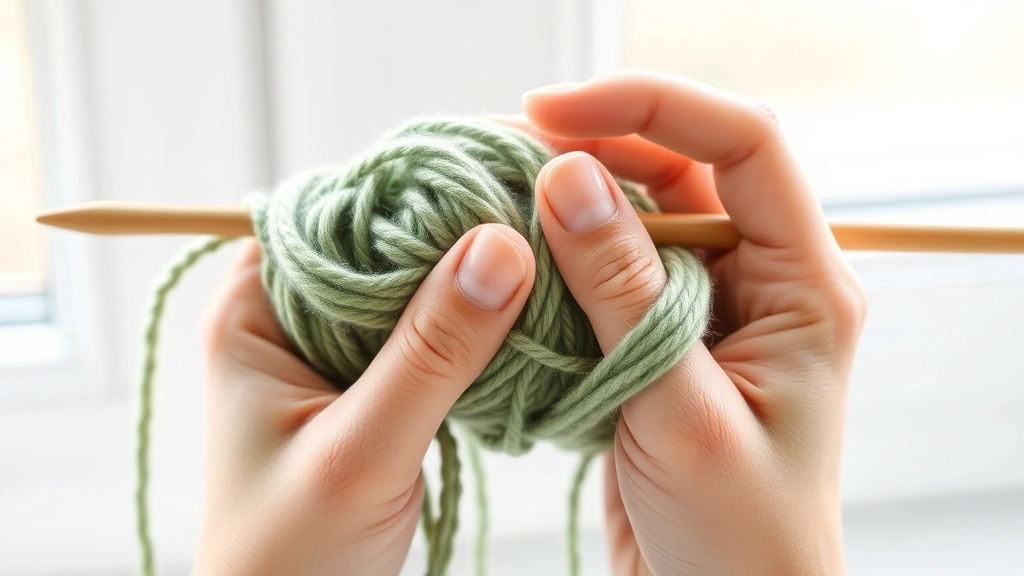
Last week, I was teaching my neighbor Sarah how to crochet her first scarf, and she kept asking me the same question every few minutes: “How do I know if my tension is right?” After watching her struggle with stitches that looked like they were either strangling the yarn or barely holding onto it, I realized this is probably the most common challenge new crocheters face. Your tension – or gauge as we sometimes call it – literally makes or breaks your project.
Here’s the thing: perfect tension isn’t about crocheting tightly or loosely. It’s about consistency. I’ve seen gorgeous blankets ruined because the crocheter’s tension changed halfway through, creating wonky sections that no amount of blocking could fix. But I’ve also seen beginners create stunning pieces once they understood how to find and maintain their personal sweet spot.
Whether you’re working on granny squares for your first blanket or tackling an intricate baby blanket, getting your tension right will transform your crochet experience. No more wondering why your project doesn’t match the pattern dimensions, no more frustration with stitches that are impossible to work into, and definitely no more projects that end up in the “maybe someday” pile.
Quick Answer
Perfect crochet tension creates even, consistent stitches that match your pattern’s gauge. Hold your yarn with gentle but secure grip, maintain steady hand position, and practice regularly to develop muscle memory for consistent stitch formation.
Understanding Crochet Tension
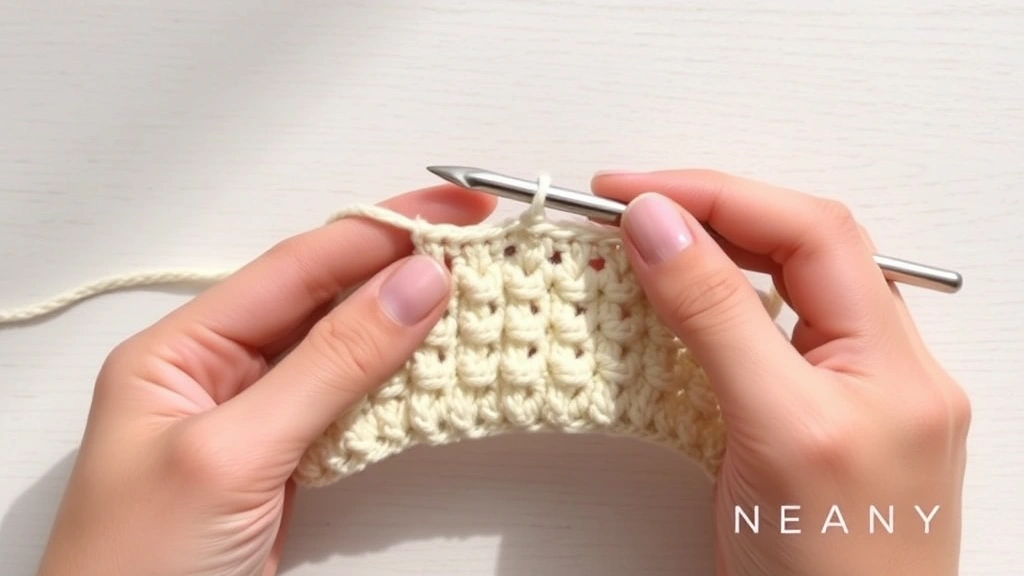
Crochet tension refers to how tightly or loosely you pull your yarn as you create stitches. Think of it as the Goldilocks principle – not too tight, not too loose, but just right for your specific project and yarn combination. When I first started crocheting, I thought tension was just about how hard I gripped my hook. Boy, was I wrong.
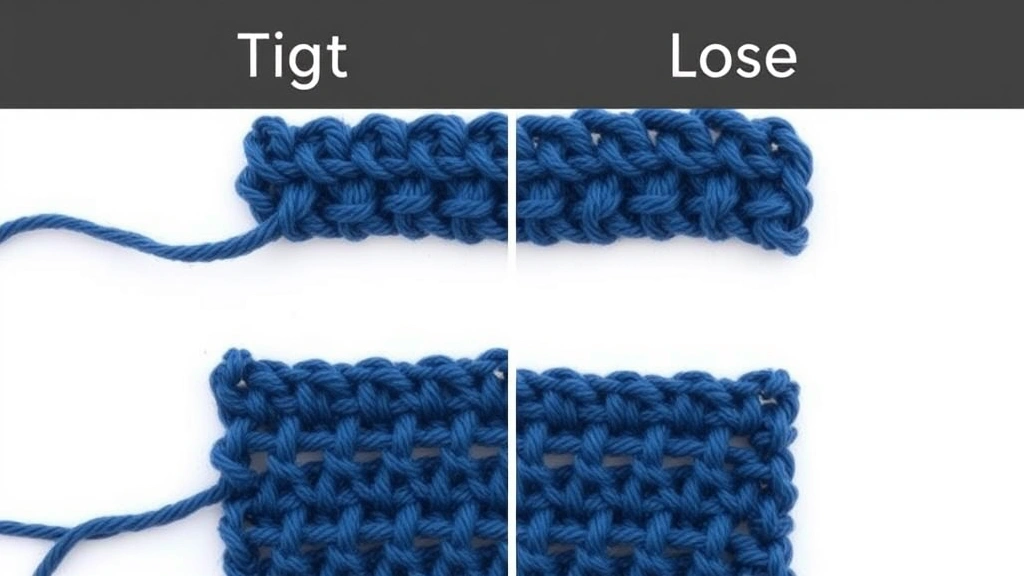
Your tension affects three critical aspects of your work: stitch size, fabric drape, and pattern accuracy. Too tight, and your stitches become difficult to work into, creating a stiff fabric that fights you every step of the way. Too loose, and your stitches look sloppy with gaps that show through, plus your finished piece will be larger than intended.
The Craft Yarn Council emphasizes that gauge – which is directly related to your tension – determines whether your finished project will fit properly. This is especially important when you’re working on fitted items like sweaters or when following patterns that require specific dimensions.
Here’s what clicked for me: tension isn’t about strength, it’s about control. You’re guiding the yarn, not wrestling with it.
Good tension creates stitches that are uniform in size and easy to work into for the next row. Your yarn should flow smoothly through your fingers with just enough resistance to maintain consistent stitch formation. When you achieve this balance, crocheting becomes meditative rather than frustrating.
Different projects require different tension considerations. Amigurumi projects typically need tighter tension to prevent stuffing from showing through, while lacework benefits from looser tension to showcase the stitch patterns and create proper drape.
Signs Your Tension Needs Work
Recognizing tension problems early can save you hours of frustration and frogging (that’s ripping out your work, for those new to crochet lingo). I learned this the hard way when I spent three days on a cardigan only to realize my tension had gradually loosened, making the body section noticeably larger than the sleeves.
The most obvious sign is inconsistent stitch size within your work. Hold up your piece and look for areas where stitches appear larger or smaller than others. This often happens when you’re tired, distracted, or have taken a break and resumed with different tension.
Physical discomfort is another red flag. If your hands, wrists, or shoulders ache after short crochet sessions, you’re likely gripping too tightly. I used to get terrible hand cramps because I was death-gripping both my hook and yarn. Learning to relax my grip transformed my entire crochet experience.
Your gauge swatch is your best diagnostic tool. If your 4-inch square measures significantly different from the pattern specifications, your tension needs adjustment. Don’t skip the gauge swatch – I know it’s tempting, but it’s the difference between a successful project and a disappointing one.
Pattern fit issues often stem from tension problems. If your scarf is turning out wider or narrower than expected, or if your blanket squares aren’t matching up properly, tension inconsistency is usually the culprit.
Finding Your Perfect Yarn Hold
There’s no single “correct” way to hold your yarn, despite what some tutorials might suggest. I’ve tried every method in the book, and what works for me might feel awkward for you. The key is finding a grip that gives you control while keeping your hand relaxed.
The most common method involves wrapping the working yarn around your pinky finger, then threading it over your ring finger, under your middle finger, and over your index finger. Your index finger becomes your tension controller, lifting to release yarn and lowering to create resistance.
Some crocheters prefer the “knife hold” where the yarn simply rests over the index finger without any wrapping. This works well for those who find traditional yarn wrapping too restrictive. The trade-off is less automatic tension control, so you’ll need to be more conscious about maintaining consistency.
| Yarn Hold Method | Best For | Tension Control |
|---|---|---|
| Traditional wrap | Beginners, consistent tension | High |
| Knife hold | Speed crocheters, comfort | Medium |
| Pencil grip | Detail work, fine yarns | High |
| Yarn guide | Hand mobility issues | Variable |
Experiment with different positions during practice sessions, not in the middle of an important project. I recommend spending 15-20 minutes trying each method with the same yarn and hook to see which feels most natural and produces the most consistent results.
Your non-dominant hand does most of the tension work, while your dominant hand focuses on hook manipulation. This division of labor is crucial for developing good habits that won’t lead to fatigue or repetitive strain.
Hook Position and Movement
Your hook grip and movement pattern directly influence your tension, yet this often gets overlooked in basic tutorials. I spent months fighting with my stitches before realizing my hook angle was creating unnecessary resistance.
Hold your hook like you’d hold a pencil or knife, whichever feels more comfortable. The key is maintaining a relaxed grip that allows for smooth movement without losing control. Your grip should be firm enough to guide the hook accurately but loose enough that you could easily slide it out of your hand if needed.
The hook should move in smooth, flowing motions rather than jerky stabs. When you yarn over, the motion should be fluid – almost like you’re scooping up the yarn rather than grabbing it. This smooth action helps maintain consistent yarn flow and prevents sudden tension changes.
Think of your hook as a conductor’s baton, guiding the yarn through its dance rather than forcing it into position.
Hook angle matters more than you might think. Keep the hook relatively parallel to your work surface, angling it slightly toward you as you pull through loops. Holding it too vertically creates drag, while too horizontal makes it difficult to catch the yarn properly.
The depth of your hook insertion affects tension too. Inserting your hook fully through the stitch creates more stable, even tension than barely catching the front loop. This is especially important when working with single crochet stitches where consistency is crucial.
Tension Practice Exercises
Like learning to play piano, developing good crochet tension requires deliberate practice. I recommend setting aside 10-15 minutes daily for tension exercises rather than trying to fix your tension while working on actual projects. Trust me, this focused practice time will pay dividends.
Start with simple single crochet rows using worsted weight yarn and a size H (5mm) hook. This combination is forgiving and lets you focus on consistency without fighting with difficult materials. Create a foundation chain of 20 stitches, then work back and forth in single crochet for at least 20 rows.
- Consistency Check
After every few rows, measure the width of your work. It should remain constant. If it’s getting wider, you’re loosening up. If it’s getting narrower, you’re tightening as you go.
- Speed Variation
Work one row very slowly, focusing on each movement. Then work the next row at your normal pace. Compare the stitch consistency between rows.
- Distraction Test
Work a few rows while watching TV or having a conversation. This simulates real-world crocheting conditions and helps you identify when your tension changes due to divided attention.
- Break Simulation
Put your work down for 10 minutes, then pick it up and continue. Notice if your tension changes when you resume, and practice getting back to your established rhythm quickly.
For advanced practice, try working the same pattern with different yarn weights. Start with DK weight, then switch to worsted, then bulky. This teaches you to adjust your tension based on yarn characteristics while maintaining consistent stitch appearance.
Practice transitioning between different stitch types within the same row. Work 5 single crochets, then 5 double crochets, then back to single crochet. Maintaining consistent tension across different stitch heights is a skill that separates good crocheters from great ones.
Common Tension Problems
Even experienced crocheters encounter tension issues, especially when trying new techniques or working with unfamiliar materials. The key is recognizing problems early and knowing how to fix them without starting over.
Tight tension is probably the most common beginner problem. Your stitches look neat but are difficult to work into, and your fabric feels stiff. The solution isn’t to pull less hard – it’s to adjust your yarn flow. Try loosening your yarn wrap around your fingers or holding your tension finger slightly higher.
Loose tension creates the opposite problem: floppy fabric with visible gaps and stitches that slide around too easily. This often happens when crocheters overcorrect from being too tight. The fix involves adjusting your yarn path to create more friction or changing your grip to provide better control.
Inconsistent tension within a project is frustrating because it’s not immediately obvious. You might not notice until you’re several rows in and realize some sections look different. Prevention is key here – establish your rhythm at the beginning of each session and check your work frequently.
When I catch tension inconsistencies early, I often find that simply ripping back a few stitches and re-working them with conscious attention to my grip fixes the problem.
Environmental factors affect tension more than you’d think. Cold hands tend to grip tighter, while tired hands often loosen up. Hot weather can make your hands sweat, affecting your grip. Being aware of these factors helps you compensate accordingly.
Different yarn fibers behave differently in your hands. Cotton tends to be less forgiving of tension variations than wool, while acrylic can be slippery and require firmer control. When starting a project with new yarn, always work a practice swatch to understand how that particular fiber responds to your tension.
Maintaining Consistent Tension
Consistency is the holy grail of crochet tension, and it’s something you develop over time rather than achieve overnight. I’ve been crocheting for over a decade, and I still have to consciously check my tension when I’m tired or working with new materials.
Establish a pre-crochet routine that helps you get into the right mindset and physical position. I always do a few practice stitches with my project yarn before diving into the actual work. This helps me remember the feel of the yarn and re-establish my rhythm from the previous session.
Environmental consistency helps maintain tension consistency. Try to crochet in similar lighting conditions and seating arrangements when possible. I know this sounds nitpicky, but your body position affects your hand position, which affects your tension.
Take regular breaks, especially during long crochet sessions. Fatigue leads to tension changes as your muscles compensate for tiredness by either gripping tighter or loosening up unconsciously. A 5-minute break every hour helps reset your muscle memory.
Document your successful tension for different yarn types and projects. I keep notes about which hook size and yarn combination worked well for specific patterns. This saves time and reduces frustration when starting similar projects later.
When working on large projects like afghans, measure your work regularly to catch tension drift early. It’s much easier to adjust a few rows than to realize halfway through that your blanket is growing or shrinking unexpectedly.
Common Questions
How tight should my crochet tension be?
Your tension should be firm enough that stitches hold their shape but loose enough that you can easily insert your hook into them for the next row. A good test: you should be able to slide your hook through previous stitches without forcing it, but the stitches shouldn’t be so loose that they distort when you pull on them gently.
Why does my crochet get tighter as I work?
This usually happens due to muscle fatigue or increased concentration as you get into a rhythm. Your hands naturally grip tighter when you’re focused or tired. Take breaks every 30-45 minutes and consciously check your tension at the beginning of each new row to catch this early.
Should I use the same tension for all yarn weights?
No, different yarn weights require tension adjustments. Heavier yarns like bulky weight need looser tension to maintain proper drape, while fine yarns often need slightly tighter tension for good stitch definition. Always work a gauge swatch when switching yarn weights, even within the same project.
How long does it take to develop consistent tension?
Most crocheters see significant improvement within 2-3 months of regular practice, but developing truly consistent tension can take 6 months to a year. The key is practicing regularly rather than trying to perfect it all at once. Even experienced crocheters need to consciously monitor their tension with new techniques or materials.
Can I fix tension problems without starting over?
Minor tension inconsistencies can often be corrected through blocking, especially with natural fibers like wool. However, significant tension problems usually require ripping back to where the issue started. It’s frustrating, but the finished result will be much better than trying to work around major tension variations.
Does hook material affect tension?
Yes, hook material can influence your tension. Smooth materials like aluminum or bamboo allow yarn to glide more easily, which might require slightly firmer yarn control. Rougher materials like plastic create more friction, which can help with slippery yarns but might require looser yarn handling. Experiment with different hook materials to find what works best for your natural tension style.
Why is my gauge swatch different from my project gauge?
Gauge swatches are typically small and worked quickly, while projects involve longer sessions where your tension might change due to fatigue, rhythm changes, or different stress levels. Always make your gauge swatch using the same conditions you’ll use for the actual project – same time of day, similar session length, and same seating position.
Should I adjust my tension for different stitch types?
Generally, you want to maintain the same yarn tension regardless of stitch type, but you might need to adjust your hook angle or insertion depth. Taller stitches like double and triple crochet naturally create more fabric ease, so don’t try to compensate by tightening your yarn grip. Instead, focus on consistent yarn flow and hook movement.
Perfect crochet tension isn’t about achieving some mythical standard – it’s about finding what works consistently for you and your projects. Every crocheter develops their own tension signature, and that’s perfectly fine. What matters is that your stitches are even, your fabric has the right drape for its intended use, and you can work comfortably without fighting your materials.
Remember that tension mastery is a journey, not a destination. Even after years of crocheting, I still occasionally need to make adjustments when working with new yarns or trying unfamiliar techniques. The difference is that now I recognize tension issues quickly and know how to fix them without getting frustrated.
Start with those practice exercises I mentioned, be patient with yourself, and don’t be afraid to rip back when something doesn’t feel right. Your future self will thank you for taking the time to develop good tension habits now. Happy crocheting, and remember – every expert was once a beginner who didn’t give up!