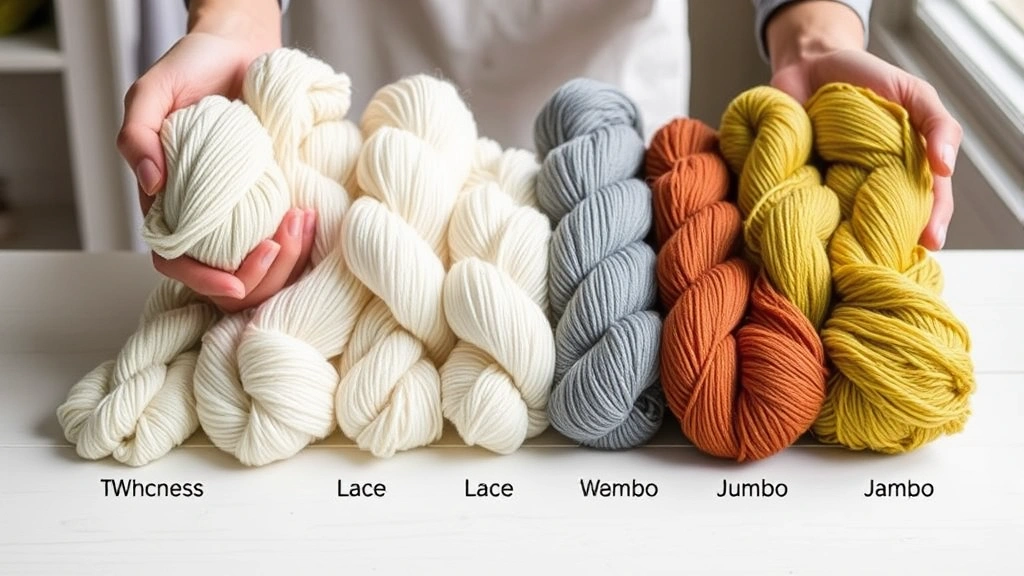
Last week, I was helping my neighbor learn to crochet, and she asked me something that made me pause: “What’s the difference between all these yarn weights, and why does it even matter?” As I watched her struggle with a chunky yarn and tiny hook combo that was clearly not working, I realized how crucial this knowledge really is.
Understanding yarn weights isn’t just about following patterns – it’s about making your crochet life so much easier. When you know how different yarn weights behave, you can troubleshoot projects, substitute yarns confidently, and even design your own pieces. Plus, you’ll stop wondering why your blanket looks nothing like the picture or why your stitches feel impossible to work.
I’ve been crocheting for over fifteen years, and I can tell you that mastering yarn weights was one of those “aha!” moments that transformed my crafting. Before I understood the system, I’d grab whatever yarn looked pretty and wonder why my projects turned out wonky. Now? I can walk into any yarn store and know exactly what I need.
Quick Answer
Yarn weights range from 0 (lace) to 7 (jumbo), with each weight designed for specific hook sizes and project types. The Craft Yarn Council standardized this system to help crocheters choose the right yarn for their projects and achieve consistent results.
Understanding the Yarn Weight System
The Craft Yarn Council created the standardized yarn weight system to eliminate confusion between different yarn manufacturers. Before this system, every brand had their own naming conventions, which made following patterns a nightmare.
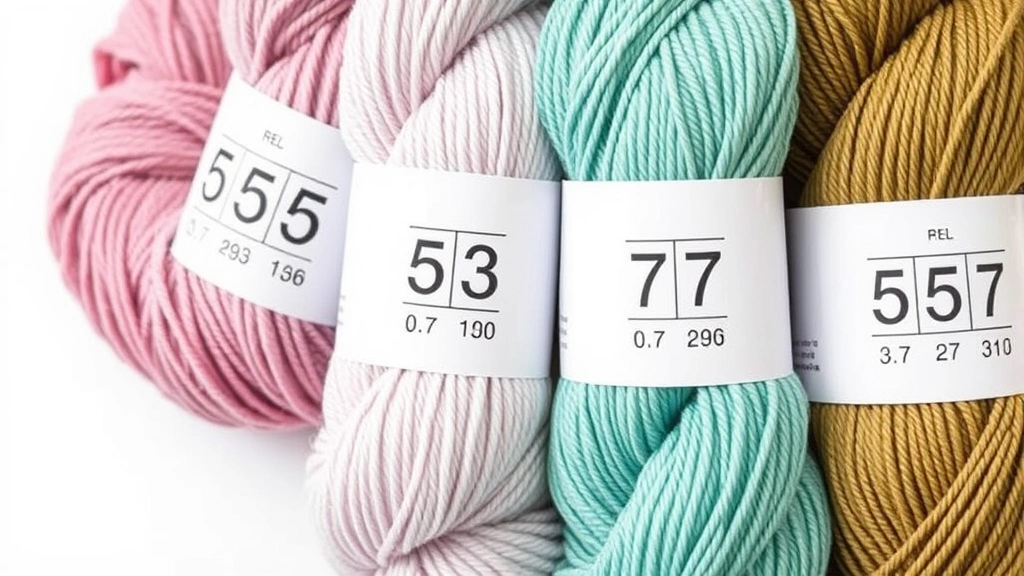
The system uses numbers 0 through 7, with each number corresponding to a specific thickness range and recommended hook size. You’ll find these numbers on yarn labels, usually inside a little yarn ball symbol. This makes it incredibly easy to substitute yarns or follow patterns from different designers.
Here’s what makes this system so helpful: it’s based on the actual thickness of the yarn strand, not just the brand’s marketing name. So whether you’re using Lion Brand or a boutique yarn, a weight 4 will behave similarly in your projects.
The yarn weight system isn’t perfect – some yarns fall between categories – but it’s consistent enough to make your crochet planning much more reliable.
Each weight category also comes with recommended gauge ranges. For example, weight 4 yarns typically work up to about 11-14 stitches per 4 inches with the recommended hook size. This consistency helps you estimate how much yarn you’ll need and how your finished project will look.
Complete Guide to Each Weight Category
Weight 0: Lace
Lace weight yarn is the thinnest in the system, requiring steel hooks (usually sizes 6-10 in US sizing). I’ll be honest – working with lace weight takes patience, but the results are stunning. Think delicate shawls, doilies, and intricate edgings.
Most lace projects use between 400-800 yards per project, depending on size. Popular brands include Aunt Lydia’s Classic Crochet Thread and DMC Baroque. The key with lace weight is maintaining even tension – too tight and your work becomes stiff, too loose and it loses definition.
Weight 1: Fingering/Sock
Fingering weight yarn works up with hooks sized B-1 to E-4 (2.25-3.5mm). This weight is perfect for baby items, lightweight shawls, and detailed colorwork. You’ll get about 21-32 stitches per 4 inches, creating a fine, drapey fabric.
I love using fingering weight for summer tops and delicate baby blankets. Brands like Knit Picks Palette and Cascade Heritage Sock are excellent choices. Expect to use 300-600 yards for most accessories, more for garments.
Weight 2: Sport
Sport weight yarn pairs with hooks sized E-4 to 7 (3.5-4.5mm) and gives you 16-20 stitches per 4 inches. This weight strikes a nice balance between detail and speed. It’s fantastic for dishcloths, lightweight cardigans, and children’s clothing.
Popular sport weight yarns include Lion Brand Wool-Ease Sport and Red Heart Soft. Projects typically need 200-500 yards for accessories, 800-1200 for adult sweaters. The fabric drapes nicely without being too heavy.
Weight 3: DK (Double Knitting)
DK weight yarn uses hooks sized 7 to I-9 (4.5-5.5mm) and produces 12-17 stitches per 4 inches. This is one of my favorite weights because it works up relatively quickly while still showing stitch definition clearly.
DK weight is perfect for blankets, hats, scarves, and sweaters. Brands like Caron Simply Soft and Bernat Softee Baby offer great DK options. Most projects need 150-400 yards for accessories, 600-1000 yards for adult garments.
Weight 4: Worsted
Worsted weight is the most popular yarn weight, and for good reason. Using hooks sized I-9 to K-10.5 (5.5-6.5mm), it creates 11-14 stitches per 4 inches. This weight is incredibly versatile and perfect for beginners.
You’ll find worsted weight yarn in every craft store – Red Heart Super Saver, Lion Brand Wool-Ease, and Caron One Pound are household names. It’s ideal for afghans, winter accessories, and home decor items. Most projects need 100-300 yards for accessories, 500-800 yards for throws.
Weight 5: Bulky
Bulky yarn works with hooks sized K-10.5 to M-13 (6.5-9mm) and gives you 8-11 stitches per 4 inches. This weight creates cozy, substantial fabric that’s perfect for cold weather accessories and home decor.
I love bulky yarn for quick weekend projects – you can finish a scarf or hat in just a few hours. Popular choices include Lion Brand Wool-Ease Thick & Quick and Bernat Blanket. Projects typically need 75-200 yards for accessories, 300-600 yards for blankets.
Weight 6: Super Bulky
Super bulky yarn requires hooks sized M-13 to Q-19 (9-15mm) and produces 5-8 stitches per 4 inches. This weight creates incredibly warm, chunky fabric that’s perfect for statement pieces.
These yarns work up so quickly that they’re perfect for last-minute gifts. Brands like Lion Brand Hometown USA and Red Heart Grande are popular choices. You’ll need 50-150 yards for most accessories, 200-400 yards for throws.
Weight 7: Jumbo
Jumbo weight yarn uses hooks sized Q-19 (15mm) and larger, creating 4 or fewer stitches per 4 inches. This is the thickest standard weight and creates extremely chunky, cozy fabric.
Jumbo yarn is perfect for chunky blankets and oversized accessories. Bernat Blanket Big is a popular choice. Projects work up incredibly fast but require significant yardage – 300-800 yards for most blankets.
| Weight | Name | Hook Size | Stitches per 4″ | Best For |
|---|---|---|---|---|
| 0 | Lace | Steel 6-10 | 32-42 | Doilies, edgings |
| 1 | Fingering | B-E (2.25-3.5mm) | 21-32 | Baby items, socks |
| 2 | Sport | E-7 (3.5-4.5mm) | 16-20 | Lightweight garments |
| 3 | DK | 7-I (4.5-5.5mm) | 12-17 | Sweaters, blankets |
| 4 | Worsted | I-K (5.5-6.5mm) | 11-14 | Most projects |
| 5 | Bulky | K-M (6.5-9mm) | 8-11 | Winter accessories |
| 6 | Super Bulky | M-Q (9-15mm) | 5-8 | Quick projects |
| 7 | Jumbo | Q+ (15mm+) | 4 or fewer | Chunky blankets |
How to Choose the Right Weight for Your Project
Choosing the right yarn weight depends on several factors: your project type, desired drape, warmth level, and how quickly you want to finish. I’ve learned that fighting against a yarn’s natural properties usually leads to frustration.
For baby blankets, I typically stick with weights 1-3. They create soft, lightweight fabric that won’t overwhelm tiny babies. DK weight is my sweet spot – substantial enough to feel cozy but light enough for year-round use.
Winter accessories like hats and scarves work beautifully in weights 4-6. The thicker yarn creates warmth and visual impact while working up quickly enough to finish before the weather changes. I’ve found that bulky yarn scarves are particularly satisfying because you can see progress so quickly.
For home decor items like pillows and baskets, I usually go with weights 4-5. They create sturdy fabric that holds its shape well. Lighter weights can look flimsy in home decor, while super heavy weights might be overkill for most applications.
Garments require the most consideration. Think about when you’ll wear the piece and how you want it to fit. Lightweight summer tops need weights 1-3 for breathability, while cozy winter sweaters shine in weights 4-5 for warmth without bulk.
Matching Hook Sizes to Yarn Weights
The relationship between yarn weight and hook size isn’t arbitrary – it’s based on creating balanced fabric with good stitch definition and appropriate drape. Using the wrong hook size can completely change how your project looks and feels.
I always start with the recommended hook size on the yarn label, then adjust based on my tension and the project requirements. If I’m making something that needs to be drapey, like a shawl, I might go up a hook size. For items that need structure, like baskets, I’ll go down a size.
Here’s something many crocheters don’t realize: your personal tension affects which hook size works best. I crochet fairly tightly, so I often need to go up a hook size from the recommendation. My friend Sarah crochets loosely and usually needs to go down a size.
Always make a gauge swatch when starting a new project, especially with unfamiliar yarn. It takes 10 minutes and can save hours of frustration later.
The hook size also affects your yarn consumption. Larger hooks create looser fabric that uses more yarn, while smaller hooks create denser fabric that uses less. This is particularly important for large projects like throws where yarn costs can add up quickly.
For beginners, I recommend sticking close to the recommended hook sizes until you develop a feel for how different combinations work. As you gain experience, you’ll start to instinctively know when to adjust up or down for the effect you want.
Yarn Substitution Made Simple
Yarn substitution is one of those skills that seems intimidating but becomes second nature with practice. The key is understanding that you’re not just matching yarn weights – you’re matching the yarn’s behavior in your specific project.
Start with the basics: same weight, similar fiber content, and comparable yardage per skein. If a pattern calls for 400 yards of worsted weight cotton, look for another worsted weight cotton with similar yardage. This gives you the best chance of success without major adjustments.
Fiber content matters more than many people realize. Cotton has no stretch and creates structured fabric, while wool has natural elasticity and drapes differently. Acrylic falls somewhere in between and is often the most forgiving for beginners. Ravelry is an excellent resource for seeing how different yarns behave in similar projects.
When substituting between different weights, you’ll need to adjust hook sizes and possibly stitch counts. Going from DK to worsted isn’t too dramatic, but jumping from fingering to bulky requires significant pattern modifications. I generally don’t recommend weight changes of more than one category unless you’re comfortable with pattern adjustments.
Texture also plays a role in substitution success. A smooth yarn will behave differently than a fuzzy or textured one, even if they’re the same weight. Fuzzy yarns like mohair blends can hide stitch mistakes but make it harder to see your work clearly. Smooth yarns show every stitch clearly but are less forgiving of tension issues.
Avoiding Common Yarn Weight Mistakes
Over the years, I’ve seen (and made) plenty of yarn weight mistakes. The good news is that most are easily avoidable once you know what to watch for.
The biggest mistake I see is ignoring the yarn weight system entirely and choosing yarn based only on color or price. I get it – that beautiful variegated yarn is calling your name, and it’s on sale. But if it’s the wrong weight for your project, you’ll end up frustrated with the results.
Another common issue is mixing yarn weights within a single project without adjusting technique. I once tried to use up leftover yarns in a granny square blanket, mixing worsted and bulky weights. The squares came out different sizes, and the finished blanket looked uneven. Now I stick to one weight per project unless I’m specifically designing for mixed weights.
Beginners often struggle with reading yarn labels correctly. The yarn weight number is usually small and easy to miss. I always double-check by looking at the recommended hook size too – if something seems off, trust your instincts and investigate further.
When in doubt, buy an extra skein. Running out of yarn partway through a project is frustrating, and dye lots can vary significantly between purchases.
Gauge issues are another major pitfall. Many crocheters skip the gauge swatch, especially for simple projects like scarves. But even a small gauge difference can dramatically affect your yarn consumption and finished size. I learned this the hard way with a baby blanket that ended up large enough for a toddler bed.
Storage mistakes can also affect yarn weight performance. Yarn stored in damp conditions can felt or change texture, while yarn stored under heavy weight can get compressed and lose its loft. This is particularly important for natural fibers and bulky weights.
Organizing Your Yarn Stash by Weight
A well-organized yarn stash makes choosing the right weight so much easier. I used to have yarn scattered everywhere, and I’d waste time digging through bins trying to find the right weight for a project.
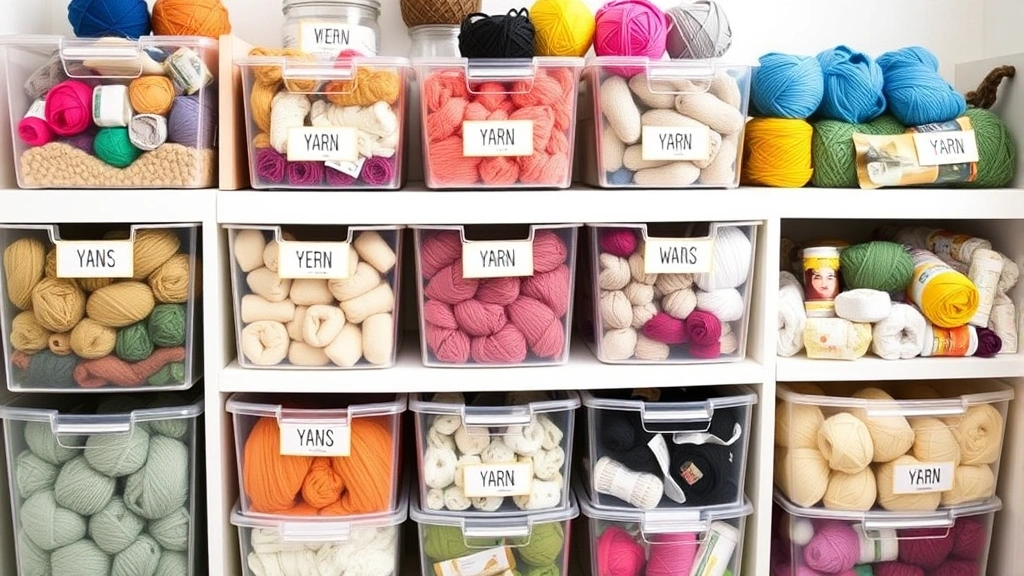
I organize my stash primarily by weight, then by color within each weight category. This system makes it easy to see what I have available when planning projects. I use clear plastic bins labeled with the weight number and name – “Weight 4 – Worsted” is much clearer than trying to remember which bin has what.
For smaller amounts of yarn, I use gallon-sized zip bags within the bins. This keeps partial skeins organized and makes it easy to see exactly how much I have of each color. I also keep a small notebook in each bin listing the yarns inside, including yardage and fiber content.
Climate control is important for yarn storage, especially for natural fibers. I keep my yarn in a climate-controlled closet away from direct sunlight. Cedar blocks help deter moths, and silica gel packets prevent moisture issues in humid climates.
I also maintain a simple spreadsheet tracking my yarn inventory by weight. It sounds obsessive, but it’s incredibly helpful for planning large projects like temperature blankets where you need consistent yarn over many months.
Common Questions
Can I use a different yarn weight than the pattern calls for?
Yes, but you’ll need to make adjustments. Going up one weight category (like DK to worsted) usually requires a larger hook and may change your stitch count. Going down a weight typically needs a smaller hook and might require more stitches for the same size. Always make a gauge swatch when changing weights.
Why does my project look different from the pattern photo?
This usually comes down to yarn weight, hook size, or tension differences. Even within the same weight category, different yarn brands can behave differently. Fiber content also affects drape and appearance. Check your gauge against the pattern specifications and adjust accordingly.
How much yarn do I need for different project types?
It varies by yarn weight and project size, but here are rough estimates: baby blankets need 800-1200 yards in worsted weight, adult throws need 1500-2500 yards, scarves need 200-400 yards, and hats need 150-250 yards. Always buy extra – running out partway through is frustrating.
What’s the best yarn weight for beginners?
Worsted weight (weight 4) is ideal for beginners. It’s thick enough to see stitches clearly, works up relatively quickly, and is available everywhere. The medium thickness is forgiving of tension issues while still showing stitch definition clearly.
Can I mix different yarn weights in one project?
It’s possible but requires careful planning. Different weights create different stitch sizes, so mixing them can result in uneven fabric. If you want to mix weights, consider using them in separate sections or design elements rather than within the same fabric area.
How do I know if my yarn weight is correct?
Check the yarn label for the weight number (0-7) and compare it to your pattern requirements. The recommended hook size should also match your pattern’s suggestions. When in doubt, make a gauge swatch – it should match the pattern’s gauge specifications.
What happens if I use the wrong hook size for my yarn weight?
Using a hook that’s too small creates tight, stiff fabric that’s hard to work with. A hook that’s too large creates loose, floppy fabric with poor stitch definition. Both affect your gauge and can change your yarn consumption significantly.
Do yarn weights vary between brands?
Slightly, yes. While the Craft Yarn Council standards help consistency, different brands may interpret weight categories a bit differently. Some “worsted” yarns lean toward the heavy DK range, while others are closer to light bulky. Always check the recommended hook size and gauge information.
Understanding yarn weights has completely transformed how I approach crochet projects. Instead of crossing my fingers and hoping things work out, I can confidently choose yarns that will give me the results I want. Whether you’re working on your first beginner project or planning something more complex, taking time to understand yarn weights will save you countless hours of frustration.
The system isn’t perfect, and there’s always some variation between brands and individual skeins. But it’s consistent enough to be incredibly useful for planning, substituting, and troubleshooting your projects. Start paying attention to yarn weights in your current projects, and you’ll quickly develop an intuitive sense of which weights work best for different applications.
Happy crocheting, and remember – when in doubt, make that gauge swatch. Your future self will thank you for taking those extra few minutes upfront.