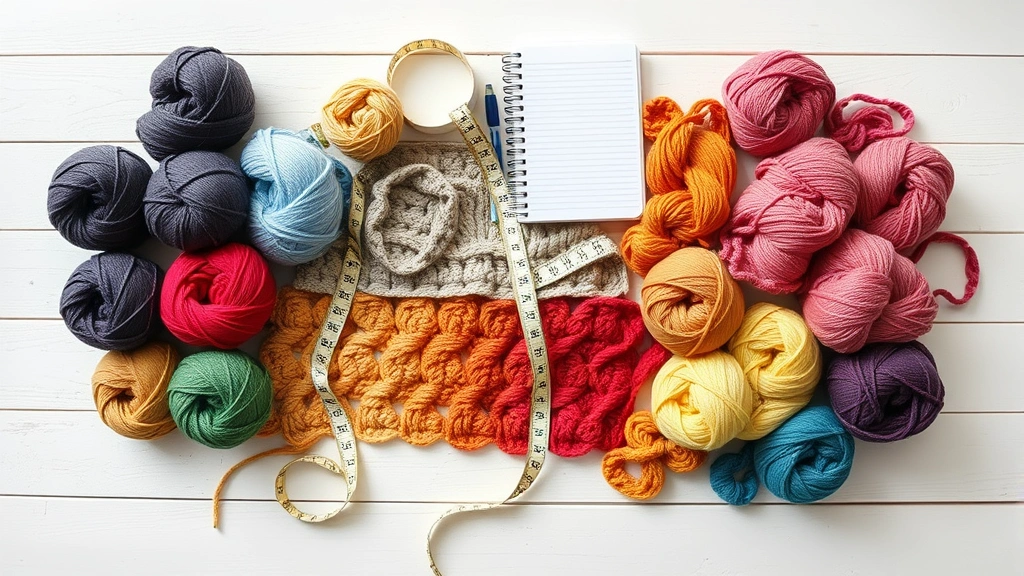
You know that moment when you’re scrolling through Pinterest at 2 AM, and you see the most gorgeous crochet blanket you’ve ever laid eyes on? The colors are perfect, the pattern is intricate but not overwhelming, and you think “I need to make this right now.” But then reality hits – you have no idea how much yarn you’ll actually need, what weight to buy, or if your budget can handle it.
I’ve been there more times than I care to admit. There’s nothing worse than getting halfway through a project and realizing you’re three skeins short, or worse, discovering the dye lot you need is discontinued. On the flip side, I’ve also ended up with enough leftover yarn to make a second blanket because I way overestimated.
After years of trial and error (and way too many trips to the craft store), I’ve figured out a system that works. Whether you’re planning a simple baby blanket pattern or tackling an ambitious king-size throw, getting your yarn calculations right from the start will save you time, money, and a lot of frustration.
Quick Answer
Most crochet blankets need 1,200-4,000 yards of yarn depending on size and stitch pattern. Baby blankets typically use 1,200-1,800 yards, while king-size blankets can require 3,500-4,000+ yards of worsted weight yarn.
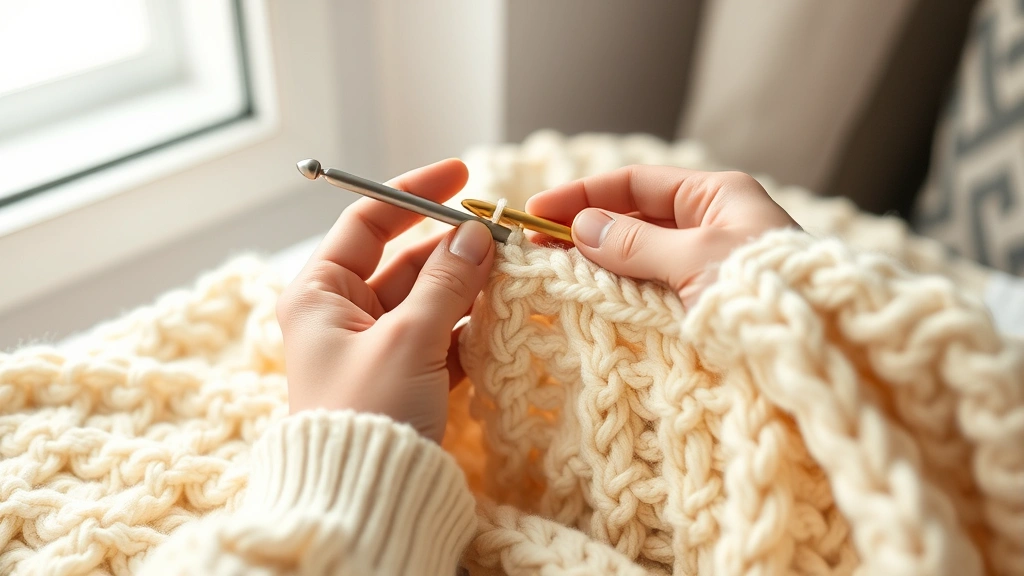
Standard Blanket Sizes and Yarn Requirements
Let’s start with the basics. Blanket sizes aren’t just random numbers – they’re based on standard mattress dimensions and common use cases. Here’s what you’re looking at for different blanket sizes using worsted weight yarn:
| Blanket Type | Approximate Size | Worsted Weight Yarn | DK Weight Yarn |
|---|---|---|---|
| Baby/Receiving | 30″ x 36″ | 1,200-1,500 yards | 1,400-1,800 yards |
| Crib/Toddler | 36″ x 52″ | 1,500-2,000 yards | 1,800-2,400 yards |
| Throw/Lap | 50″ x 60″ | 2,000-2,500 yards | 2,400-3,000 yards |
| Twin | 66″ x 90″ | 2,800-3,200 yards | 3,400-3,800 yards |
| Full/Queen | 90″ x 90″ | 3,200-3,800 yards | 3,800-4,500 yards |
| King | 108″ x 90″ | 3,500-4,200 yards | 4,200-5,000 yards |
These numbers assume you’re using basic stitches like single crochet or double crochet. If you’re working on easy crochet patterns with simple stitch combinations, you’ll likely fall on the lower end of these ranges.
I always recommend buying about 10-15% more yarn than your initial calculation suggests. Trust me, it’s better to have extra than to be scrambling for more yarn later. Plus, if you’re making a blanket as a gift, having some leftover yarn means you can make a matching pillow or other accessories.
Pro Tip: When I’m planning a large project, I always buy all my yarn at once to ensure consistent dye lots. Even if the label says it’s the same color, different dye lots can look noticeably different once you’re several rows in.
How Yarn Weight Affects Your Yardage
The weight of your yarn makes a huge difference in how much you’ll need. Heavier yarns cover more area per yard, while lighter yarns require more yardage to fill the same space. Here’s how different yarn weights compare:
Lace and Fingering Weight (0-1)
These delicate yarns create beautiful, detailed work but require significantly more yardage. A throw blanket in fingering weight might need 4,000-5,000 yards or more. I love working with fingering weight for intricate lace patterns, but be prepared for a long-term commitment.
Sport and DK Weight (2-3)
These are my go-to weights for baby blankets and lighter throws. They work up faster than fingering weight but still give you nice stitch definition. A baby blanket in DK weight typically needs 1,400-1,800 yards, while a throw might require 2,800-3,500 yards.
Worsted Weight (4)
This is probably the most popular choice for blankets, and for good reason. It’s readily available, affordable, and works up at a nice pace. Most of my blanket calculations are based on worsted weight because it’s what most crocheters reach for first.
Chunky and Super Chunky (5-6)
Want to finish a blanket quickly? Chunky yarn patterns are your friend. A throw blanket in chunky yarn might only need 1,500-2,000 yards, and you can finish it in a weekend. Just be aware that chunky blankets are heavier and can be quite warm.
I once made a king-size blanket in super chunky yarn thinking it would be a quick project. It was fast to make, but the finished blanket weighed about 15 pounds and was too warm for most of the year. Sometimes slower is better!
Stitch Patterns That Use More or Less Yarn
Not all stitches are created equal when it comes to yarn consumption. Understanding which patterns are yarn-hungry versus yarn-efficient can help you plan better and stay within budget.
Yarn-Efficient Stitches
Single crochet is the most yarn-efficient stitch, creating a dense, warm fabric without using excessive yarn. Half double crochet is also quite economical. If you’re working with expensive yarn or on a tight budget, these stitches are your friends.
Many granny square patterns are also relatively yarn-efficient, especially when worked in solid colors. The open spaces between stitches mean you’re using less yarn overall while still creating a substantial fabric.
Yarn-Hungry Patterns
Double crochet and taller stitches use more yarn per stitch, but they also work up faster and create more drape. Cable patterns, bobbles, and popcorn stitches are notorious yarn eaters. I learned this the hard way when I made a throw with an all-over bobble pattern – it used nearly 30% more yarn than I’d calculated.
Lace patterns can be tricky to estimate. While they have lots of open spaces, the yarn-overs and complex stitch combinations can add up quickly. Always make a generous swatch when working with lace patterns to get accurate measurements.
Yarn-Saving Tip: If you’re worried about having enough yarn, consider using a different stitch pattern for the border. A simple single crochet border uses less yarn than a decorative shell or fan border.
Three Ways to Calculate Yarn Needs
There are several methods for estimating yarn requirements, and I usually use a combination of all three to get the most accurate estimate.
Method 1: The Gauge Swatch Method
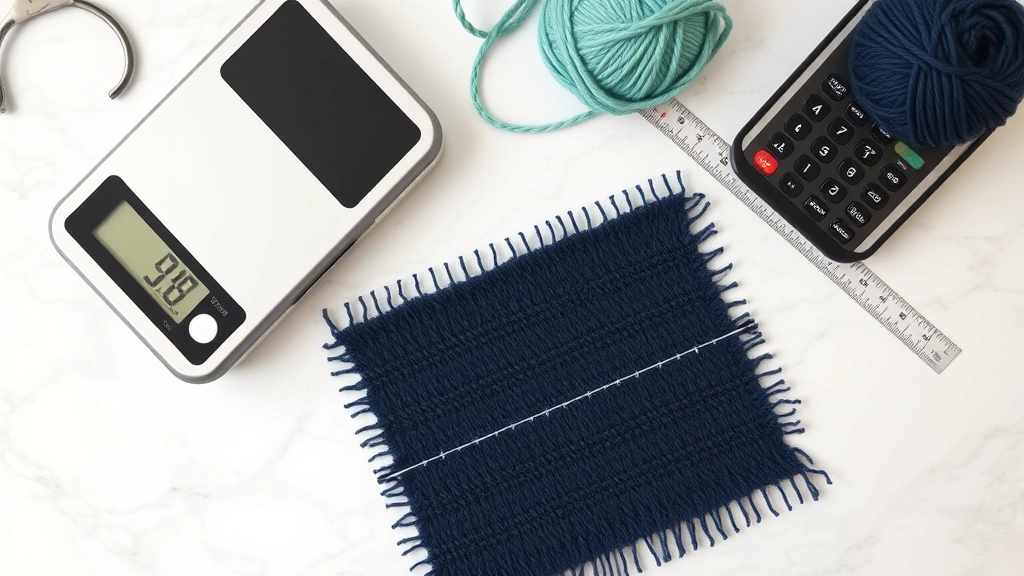
This is the most accurate method, but it requires some upfront work. Make a 4-inch by 4-inch swatch using your chosen yarn and hook size. Weigh the swatch on a kitchen scale, then calculate how much yarn you’ll need for the full blanket.
- Make Your Swatch
Crochet a 4″ x 4″ square in your chosen stitch pattern. Don’t skip this step – different stitch patterns use different amounts of yarn per square inch.
- Weigh the Swatch
Use a kitchen scale to weigh your swatch in grams. If your swatch weighs 15 grams, you’ll need 15 grams of yarn per 16 square inches.
- Calculate Total Area
Multiply your blanket’s length by width to get total square inches. A 50″ x 60″ throw has 3,000 square inches.
- Do the Math
Divide total square inches by 16, then multiply by your swatch weight. For our example: 3,000 ÷ 16 = 187.5, then 187.5 × 15 grams = 2,812 grams of yarn needed.
Method 2: The Pattern Calculation
If you’re following a specific pattern, the designer should provide yarn requirements. However, these are usually based on the exact yarn used in the sample. If you’re substituting yarn, you’ll need to adjust.
Check the yardage of the recommended yarn versus your chosen yarn. If the pattern calls for 8 skeins of yarn with 250 yards each, that’s 2,000 yards total. Make sure your substitute yarn provides at least that much yardage.
Method 3: The Online Calculator Approach
Several websites offer yarn calculators, and while they’re not perfect, they can give you a good starting point. The Craft Yarn Council has resources that can help with basic calculations.
I like to use online calculators as a sanity check against my other methods. If all three methods give me similar numbers, I feel confident in my estimate.
Smart Shopping Strategies
Now that you know how much yarn you need, let’s talk about buying it smartly. I’ve learned some hard lessons about yarn shopping over the years, and I want to save you from making the same mistakes.
Buy All Your Yarn at Once
This is non-negotiable for me now. Dye lots can vary significantly, even in the same color from the same manufacturer. I once had to frog half a blanket because the new skeins I bought were noticeably different from my original yarn.
If budget is a concern, many stores will hold yarn for you or allow you to put it on layaway. Some online retailers like Yarnspirations offer bulk discounts that make buying larger quantities more affordable.
Check Return Policies
Before you buy, understand the store’s return policy for unused yarn. Most craft stores will accept returns of unopened skeins, which gives you peace of mind when buying extra. Keep your receipts and original packaging until your project is complete.
Consider Yarn Substitutions Carefully
If you’re substituting yarn, don’t just look at the weight classification. Check the actual yardage per skein, fiber content, and care instructions. A “worsted weight” cotton yarn behaves very differently from a “worsted weight” acrylic yarn.
Money-Saving Tip: Sign up for store newsletters and follow your favorite yarn brands on social media. They often announce sales and clearance events, which is perfect timing if you’re planning a large project.
Mistakes That Cost You Time and Money
Let me share some of the biggest mistakes I see crocheters make when planning blanket projects. Learning from my failures (and others’) can save you a lot of heartache.
Underestimating Border Requirements
Borders can use a surprising amount of yarn, especially decorative ones. A simple single crochet border around a throw blanket might use 200-300 yards, while a fancy shell border could use 400-500 yards or more. Always factor border yarn into your calculations.
Not Accounting for Gauge Changes
Your gauge can change as you get more comfortable with a pattern, or if you switch hook sizes partway through. I once started a blanket with a 5mm hook, decided the fabric was too loose, and switched to a 4.5mm hook. The tighter gauge meant I needed about 15% more yarn than originally calculated.
Ignoring Yarn Stretch and Blocking
Some yarns grow significantly when blocked, while others barely change. If you’re working with a yarn that has a lot of stretch (like cotton or bamboo blends), your finished blanket might be larger than expected, which could affect your yarn calculations.
Forgetting About Seaming
If you’re making a blanket from individual motifs or panels, don’t forget to account for seaming yarn. Joining granny squares can use more yarn than you’d expect, especially if you’re using a decorative joining method.
I once spent three weeks making 200 granny squares for a king-size blanket, only to realize I didn’t have enough yarn left to join them all. I had to wait two weeks for a new shipment, and of course, the dye lot was slightly different. Now I always buy extra yarn specifically for joining.
What to Do with Extra Yarn
If you’ve followed my advice about buying extra yarn, you’ll likely have some leftovers. Don’t let them languish in your stash – put them to good use!
Matching Accessories
Leftover blanket yarn is perfect for making coordinating pieces. A few skeins can become throw pillows, while smaller amounts work great for coasters or trivets.
Practice New Techniques
Use leftover yarn to practice new stitches or techniques without the pressure of a major project. It’s a great way to build your skills while using up your stash.
Gift Projects
Leftover yarn from a large project often makes perfect quick gifts. Dishcloths, bookmarks, or small amigurumi projects are always appreciated.
Donate or Swap
Many communities have yarn swaps or accept yarn donations for charity projects. Check with local senior centers, schools, or craft groups to see if they could use your extras.
Common Questions
How much yarn do I need for a baby blanket?
A standard baby blanket (30″ x 36″) typically requires 1,200-1,500 yards of worsted weight yarn. If you’re using DK weight, plan for 1,400-1,800 yards. Always buy an extra skein for borders and potential gauge variations.
What’s the most economical yarn weight for large blankets?
Worsted weight yarn offers the best balance of coverage, availability, and cost for large blankets. It works up reasonably quickly while still providing good stitch definition and warmth.
Should I buy more expensive yarn for a blanket?
It depends on the blanket’s purpose and recipient. For everyday use blankets, quality acrylic yarns like Red Heart Super Saver or Lion Brand Pound of Love offer durability and easy care. For special occasion gifts, consider cotton or wool blends.
How do I calculate yarn needs for a granny square blanket?
Make one complete square and weigh it, then multiply by the total number of squares needed. Don’t forget to add 15-20% extra for joining and borders. A typical throw made of 4-inch granny squares needs about 63 squares.
What if I run out of yarn mid-project?
Try to find yarn from the same dye lot first. If that’s impossible, plan to use the different yarn in a less noticeable area, like the back of the blanket or incorporate it into a planned color change. Sometimes you can blend different dye lots by alternating rows.
How much extra yarn should I buy?
I recommend buying 10-15% more than your calculated amount for simple patterns, and 20-25% extra for complex stitch patterns or if you’re new to the technique. It’s better to have too much than too little.
Can I use different yarn weights in the same blanket?
While possible, mixing yarn weights requires careful planning. Different weights have different drape and gauge, which can create an uneven finished product. If you want to mix weights, consider using them in distinct sections rather than randomly throughout.
How long does it take to crochet a blanket?
This varies enormously based on size, stitch complexity, and your crocheting speed. A simple baby blanket might take 20-30 hours, while a king-size blanket with complex stitches could take 100+ hours. I typically estimate 2-3 hours per 100 yards of yarn for basic stitches.
Planning your yarn needs doesn’t have to be stressful once you understand the basics. Start with these guidelines, make adjustments based on your specific pattern and yarn choices, and always err on the side of buying a little extra. Your future self will thank you when you’re not scrambling to find matching yarn at 10 PM on a Sunday night.
Remember, every crocheter develops their own system over time. What works for me might need tweaking for your style and preferences. The important thing is to start somewhere and learn from each project. Before you know it, you’ll be estimating yarn needs like a pro and helping other crocheters avoid the pitfalls you’ve already navigated. Happy crocheting!