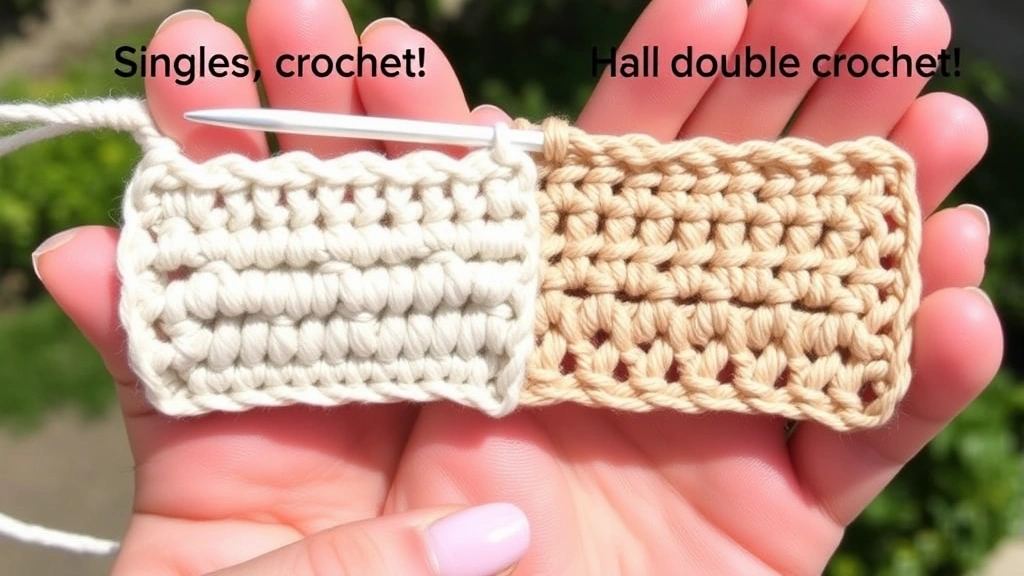
Last month, I was teaching my neighbor how to crochet when she asked me something that made me pause: “What’s the difference between single crochet and half double crochet?” I realized that while these two stitches seem similar on the surface, understanding their unique characteristics can completely transform your crochet projects. Whether you’re working on a baby blanket that needs to be soft and flexible or a structured bag that requires stability, choosing the right stitch makes all the difference.
Both single crochet and half double crochet are fundamental stitches that every crocheter should master, but they each bring something different to your work. Single crochet creates a tight, dense fabric that’s perfect for amigurumi and structured items, while half double crochet works up faster and creates a fabric with beautiful drape. I’ve been crocheting for over fifteen years, and I still find myself weighing these options for different projects.
The truth is, many crocheters stick with what they know best, but understanding when and why to use each stitch will elevate your finished projects significantly. Some patterns call for specific stitches for good reason, and substituting without understanding the implications can lead to disappointing results. Let me walk you through everything you need to know about these two versatile stitches, from their basic construction to advanced applications.
Quick Answer
Single crochet creates dense, stable fabric perfect for amigurumi and structured items, while half double crochet works up faster with better drape, ideal for blankets and garments. Single crochet uses one yarn over, half double crochet uses two, making it taller and more flexible.
Understanding the Basic Techniques
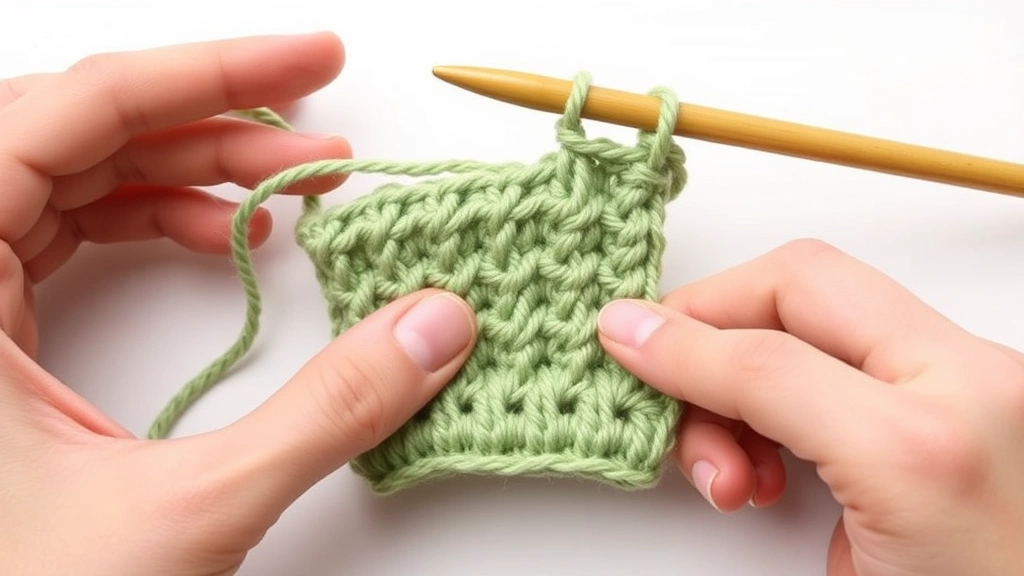
The fundamental difference between single crochet and half double crochet lies in their construction method. Single crochet (abbreviated as sc) involves inserting your hook into the designated stitch, yarning over, pulling through the stitch (you’ll have two loops on your hook), then yarning over again and pulling through both loops. It’s straightforward and creates a compact stitch.
Half double crochet (abbreviated as hdc) adds one extra step that changes everything. You start by yarning over before inserting your hook into the stitch. After inserting the hook, you yarn over again and pull through the stitch (now you have three loops on your hook), then yarn over once more and pull through all three loops at once. This extra yarn over at the beginning is what gives the stitch its height and different characteristics.
When I first learned half double crochet, I kept forgetting that initial yarn over. It felt awkward compared to the rhythm of single crochet, but once you get it, the stitch works up beautifully. The key is developing muscle memory for that extra step.
Working in Rows vs Rounds
Both stitches behave differently when worked in rows versus rounds. In rows, single crochet typically requires a chain 1 to turn (though some patterns use chain 2), while half double crochet usually needs a chain 2 turning chain. When working in rounds, single crochet often starts with a chain 1, and half double crochet with a chain 2.
However, these turning chain rules aren’t set in stone. I’ve found that with certain yarns or when working tightly, you might need to adjust. Always check your pattern’s specific instructions, as designers sometimes modify these standards based on their preferred look.
Height and Structure Differences
The height difference between these stitches is significant and affects how your projects look and feel. Single crochet measures approximately the same height as the yarn thickness, creating short, squat stitches. Half double crochet is about 1.5 times taller than single crochet, giving it a more elongated appearance.
This height difference impacts your gauge dramatically. If a pattern calls for single crochet and you substitute half double crochet, your project will grow much faster vertically. I learned this the hard way when making a baby sweater – what should have been a 12-inch body length became nearly 16 inches because I switched stitches mid-project without adjusting my row count.
| Stitch Type | Relative Height | Typical Turning Chain | Stitches per Inch (Worsted) |
|---|---|---|---|
| Single Crochet | 1x | Chain 1 | 4-5 stitches |
| Half Double Crochet | 1.5x | Chain 2 | 3-4 stitches |
Structural Stability
Single crochet creates an incredibly stable fabric structure. Each stitch locks into the next, creating minimal stretch and excellent shape retention. This makes it perfect for items that need to hold their form, like crochet baskets or structured bags.
Half double crochet, with its taller structure, creates more flexibility in the fabric. The extra height allows for more movement and drape, but it also means less structural integrity. This trade-off is exactly why pattern designers choose specific stitches for specific applications.
How Each Stitch Affects Your Fabric
The fabric characteristics created by each stitch are where the real magic happens. Single crochet produces a dense, warm fabric with minimal stretch. It’s almost like creating a textile version of cardboard – sturdy, reliable, and perfect when you need structure. The tight construction means less yarn shows through, making it ideal for items where you don’t want transparency.
Half double crochet creates a completely different fabric personality. It’s more flexible, has better drape, and works up significantly faster than single crochet. The fabric has a lovely texture with visible horizontal lines created by the stitch structure. It’s also more breathable than single crochet, making it excellent for spring and summer garments.
Yarn Consumption and Speed
Here’s something that might surprise you: half double crochet uses more yarn per square inch than single crochet, but it works up faster. The taller stitches mean you need fewer rows to achieve the same height, which often balances out the increased yarn usage per stitch. For a typical worsted weight blanket, you might use 10-15% more yarn with half double crochet, but you’ll finish about 30% faster.
I always tell beginners to consider both time and yarn budget when choosing between these stitches. If you’re working with expensive yarn, single crochet might be more economical. If you’re on a deadline, half double crochet will get you there faster.
Pro Tip: When switching between these stitches in the same project, always make a gauge swatch first. The difference in fabric density can create puckering or stretching if you’re not careful with your tension.
Best Projects for Each Stitch
Choosing the right stitch for your project can make the difference between a finished item you love and one that sits in your craft room collecting dust. Single crochet excels in projects where you need structure, durability, and a tight weave. I use it for amigurumi because it creates seamless, stuffing-proof fabric. It’s also my go-to for dishcloths and cleaning cloths because the dense fabric holds up to repeated washing and scrubbing.
For home decor items like plant holders, storage baskets, or coasters, single crochet provides the stability these functional pieces need. The tight stitch definition also makes it perfect for colorwork and intricate stitch patterns where you want crisp, clean lines.
Half Double Crochet Applications
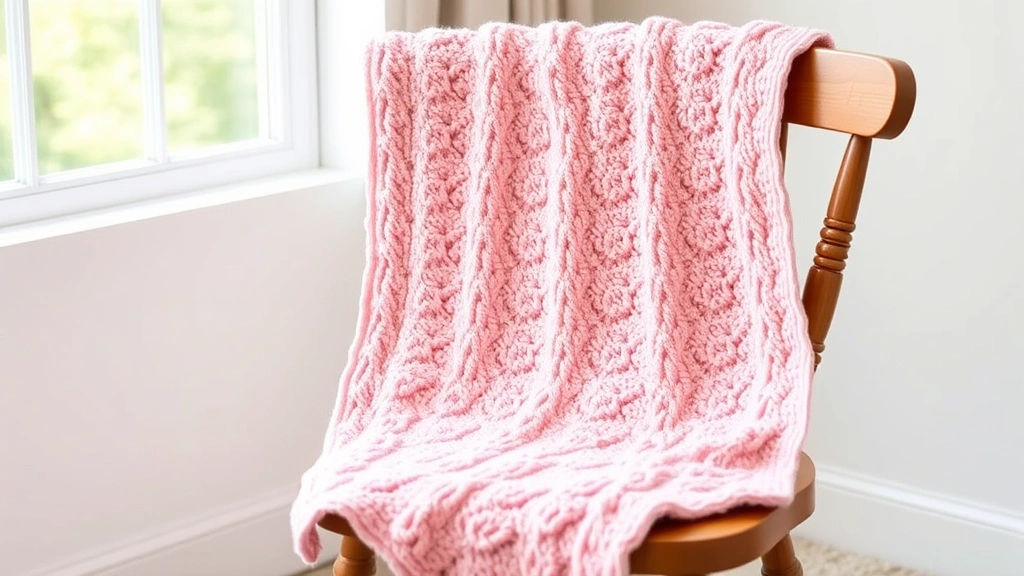
Half double crochet shines in projects where drape and comfort matter most. Baby blankets made with half double crochet have a lovely softness and flexibility that single crochet can’t match. The stitch also works beautifully for scarves, shawls, and lightweight sweaters where you want the fabric to move naturally with the body.
I particularly love half double crochet for afghans and throw blankets. The stitch works up quickly, which is essential for large projects, and creates a cozy texture that’s perfect for snuggling. The horizontal lines created by the stitch structure add visual interest without being overwhelming.
For beginners working on their first granny squares, half double crochet can be a great middle ground between the simplicity of single crochet and the height of double crochet.
Project Planning Considerations
When planning a project, consider not just the final look but also the construction process. Single crochet projects take longer but use less yarn and create more durable results. Half double crochet projects finish faster and have better drape but may not hold their shape as well over time.
- Assess Your Project Needs
Consider the item’s intended use, durability requirements, and desired drape or structure.
- Factor in Time Constraints
Half double crochet can cut project time by 25-40% compared to single crochet for the same coverage area.
- Consider Yarn Budget
Single crochet typically uses 10-20% less yarn than half double crochet for similar coverage.
- Think About Skill Level
Single crochet is more forgiving for beginners, while half double crochet requires better tension control.
Yarn Weight and Hook Size Guidelines
The relationship between yarn weight, hook size, and stitch choice is crucial for achieving professional-looking results. Both stitches work with all yarn weights, but they behave differently depending on your material choices. With fingering weight yarn, single crochet creates an almost fabric-like density that’s perfect for delicate baby items or intricate lacework foundations.
When working with DK weight yarn, both stitches perform beautifully, but for different reasons. Single crochet with DK creates substantial fabric perfect for sweaters and structured garments, while half double crochet produces lovely drape for shawls and blankets. I often use a 4.5mm hook for single crochet in DK weight and a 5mm for half double crochet to maintain good stitch definition.
| Yarn Weight | Single Crochet Hook | Half Double Hook | Best Applications |
|---|---|---|---|
| Fingering (1) | 2.75-3.5mm | 3.5-4mm | Delicate items, baby clothes |
| Sport (2) | 3.5-4.5mm | 4-5mm | Light garments, accessories |
| DK (3) | 4-5mm | 5-5.5mm | Sweaters, blankets, hats |
| Worsted (4) | 5-6mm | 5.5-6.5mm | Afghans, scarves, bags |
| Bulky (5) | 6.5-9mm | 8-10mm | Quick projects, outerwear |
Tension and Gauge Considerations
Your natural tension affects how these stitches look and feel dramatically. If you’re a tight crocheter, you might find single crochet becomes too stiff and dense, while half double crochet maintains better flexibility. Loose crocheters often struggle with half double crochet becoming too open and losing structure, while single crochet helps tighten things up.
I always recommend making gauge swatches with both stitches when starting a new project, especially if you’re using a yarn you haven’t worked with before. The Craft Yarn Council provides excellent guidelines for standard gauges, but your individual tension will ultimately determine your results.
Remember that gauge can change throughout a project as you get more comfortable with the stitch pattern. I always work a few extra rows beyond my initial gauge swatch to see how my tension settles.
Troubleshooting Common Issues
Even experienced crocheters run into problems with these fundamental stitches. The most common issue I see with single crochet is the dreaded “leaning” effect, where stitches start tilting to one side. This usually happens when you’re not inserting your hook consistently under both loops of the stitch below, or when your turning chains are too tight or too loose.
With half double crochet, the biggest challenge is maintaining even tension across all three loops when you pull through at the end. Many crocheters pull too tightly, creating stitches that look pinched, or too loosely, making stitches that appear sloppy and uneven. The key is developing a smooth, consistent motion for that final pull-through.
Height Consistency Problems
Uneven stitch heights plague both stitches but for different reasons. In single crochet, height variations usually come from inconsistent hook insertion depth or varying tension on the final pull-through. I teach my students to think of each single crochet as having the same “footprint” – the hook should go in the same way every time.
Half double crochet height issues often stem from the initial yarn over. If you don’t yarn over before inserting the hook, you’ll create a shorter stitch that looks out of place. Conversely, if you accidentally yarn over twice at the beginning, you’ll get a stitch that’s too tall. Developing muscle memory for that initial yarn over is crucial.
Fixing Tension Issues: If your stitches are too tight, try going up a hook size. If they’re too loose, go down a size. Sometimes a small adjustment makes all the difference in achieving the right fabric hand.
Edge and Border Challenges
Both stitches can create challenging edges, but for different reasons. Single crochet edges tend to be very stable but can look rigid or boxy if you’re not careful with corner shaping. The tight nature of the stitch means it doesn’t naturally want to curve or bend.
Half double crochet edges have the opposite problem – they can be too flexible and lose their shape over time. When working borders in half double crochet, I often switch to single crochet for the final round to add stability, or I work with a smaller hook size to tighten things up.
Advanced Applications and Variations
Once you’ve mastered the basic forms of both stitches, there are numerous variations that can add texture and interest to your projects. Single crochet can be worked in the front loop only, back loop only, or through the horizontal bar below the stitch for completely different effects. Front loop only single crochet creates lovely horizontal ridges, perfect for ribbing effects on sweater cuffs and hat brims.
Extended single crochet is another variation that bridges the gap between single and half double crochet. You work it like single crochet but add an extra yarn over and pull through one loop before completing the stitch normally. This creates a slightly taller stitch with different fabric characteristics.
Half Double Crochet Variations
Half double crochet has its own family of variations that can transform your projects. The standing half double crochet is invaluable for joining new colors without creating bulk. Extended half double crochet adds even more height and creates beautiful drape for garments.
One of my favorite techniques is alternating front post and back post half double crochet to create ribbing that’s more flexible than single crochet ribbing but still has good structure. This technique works particularly well for hat patterns where you want stretch around the band but stability in the crown.
Color work behaves differently in each stitch too. Single crochet creates crisp, clean color changes perfect for intarsia and detailed colorwork patterns. Half double crochet blends colors more softly, making it ideal for gradual color transitions and ombre effects.
Combining Stitches Strategically
Advanced crocheters often combine both stitches within the same project for specific effects. Using single crochet for structural elements like button bands or pocket openings, then switching to half double crochet for the main body, gives you the best of both worlds.
I frequently use this combination in sweater patterns where I want the body to have nice drape but need the neckline and armholes to hold their shape. The key is planning these transitions carefully so they enhance rather than detract from the overall design.
Common Questions
Can I substitute half double crochet for single crochet in any pattern?
Not directly. Half double crochet is taller and uses more yarn, so you’ll need to adjust row counts and potentially yarn amounts. Always make a gauge swatch first and calculate the differences. Generally, you’ll need about 25-30% fewer rows when switching from single to half double crochet.
Which stitch is better for beginners?
Single crochet is more forgiving for absolute beginners because it’s shorter and easier to see your mistakes. However, half double crochet isn’t significantly harder – it just requires learning one extra step. I often teach both stitches in the same lesson because they build on each other naturally.
How much more yarn does half double crochet use?
Half double crochet typically uses 10-20% more yarn than single crochet for the same coverage area. However, since you need fewer rows, the actual difference varies by project. For blankets and afghans, the difference is usually minimal. For amigurumi and dense items, single crochet is more economical.
Why do my half double crochet stitches look uneven?
Uneven half double crochet usually comes from inconsistent tension when pulling through all three loops at once. Practice maintaining steady, even pressure on that final pull-through. Also, make sure you’re yarning over before inserting your hook – skipping this step creates shorter, uneven stitches.
Which stitch works up faster?
Half double crochet works up significantly faster – typically 30-40% quicker than single crochet for the same coverage area. The taller stitches mean fewer total stitches needed, and once you develop the muscle memory, the rhythm is quite efficient.
Can I use the same hook size for both stitches?
You can, but you might want to adjust for optimal results. Many crocheters use the same hook size, but some prefer to go up half a size for half double crochet to maintain good drape and prevent the fabric from becoming too dense. Your yarn choice and personal tension will determine what works best.
Which stitch is better for colorwork?
Single crochet creates cleaner, more defined color changes, making it ideal for detailed colorwork, fair isle patterns, and graphic designs. Half double crochet blends colors more softly, which is beautiful for gradual transitions and ombre effects but less precise for sharp color contrasts.
How do I fix holes in my half double crochet fabric?
Holes usually indicate your stitches are too loose or you’re using too large a hook for your yarn weight. Try going down a hook size or working with slightly tighter tension. Also, ensure you’re pulling through all three loops completely – incomplete stitches can create gaps.
Understanding the differences between single crochet and half double crochet opens up a whole world of possibilities in your crochet journey. Each stitch has its perfect applications, and knowing when to use which one will make your finished projects look more professional and function better for their intended purpose.
The key is practice and experimentation. Try both stitches with different yarn weights, hook sizes, and project types. Pay attention to how the fabric feels, how quickly it works up, and how it behaves after washing. Soon you’ll develop an intuitive sense for which stitch will serve your project best.
Remember, there’s no “wrong” choice between these stitches – only different effects and characteristics. Whether you’re drawn to the stability and precision of single crochet or the speed and drape of half double crochet, both stitches deserve a place in your crochet toolkit. Happy stitching!