You know that feeling when you’re scrolling through Pinterest at 2 AM, and you see the most gorgeous crochet blanket you’ve ever laid eyes on? Your heart does a little flip, and you immediately think “I NEED to make this.” But then reality hits – you have no idea what yarn to buy, how much you’ll need, or if your current skill level can handle it. I’ve been there more times than I care to admit, standing in the yarn aisle looking completely overwhelmed by the rainbow of options staring back at me.
Here’s the thing about choosing yarn for blankets: it’s not just about picking the prettiest color (though that definitely matters). The yarn you choose will determine how your blanket feels, how long it takes to make, how much it costs, and whether you’ll actually finish it or abandon it in a basket three months from now. I’ve learned this the hard way after starting projects with completely wrong yarn choices and either struggling through them or giving up entirely.
The good news? Once you understand the basics of yarn weights, fiber content, and how they work with different blanket patterns, choosing yarn becomes so much easier. You’ll walk into that craft store with confidence, knowing exactly what you’re looking for and why. No more second-guessing yourself or buying yarn that sits unused in your stash for years.
Quick Answer
For most crochet blankets, worsted weight (4) yarn in acrylic or cotton works best, requiring 1200-3000 yards depending on size. Choose machine-washable options for everyday blankets, natural fibers for heirloom pieces, and consider your pattern’s stitch definition needs when selecting yarn texture.
Understanding Yarn Weights for Blankets
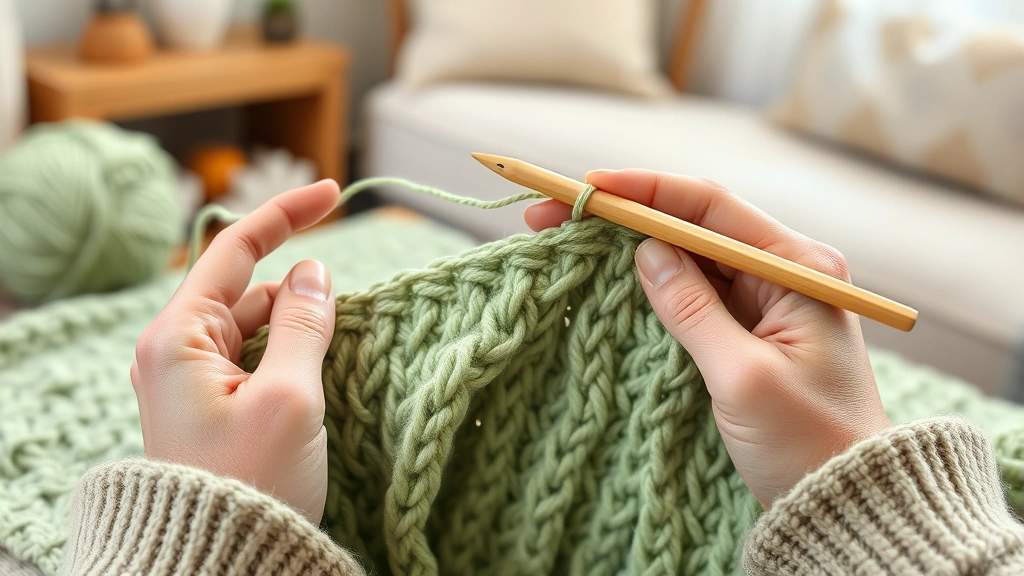
Let’s start with the foundation: yarn weight. The Craft Yarn Council has standardized this system, and understanding it will save you so much frustration. For blankets, you’ll primarily work with three weights, and each has its own personality.
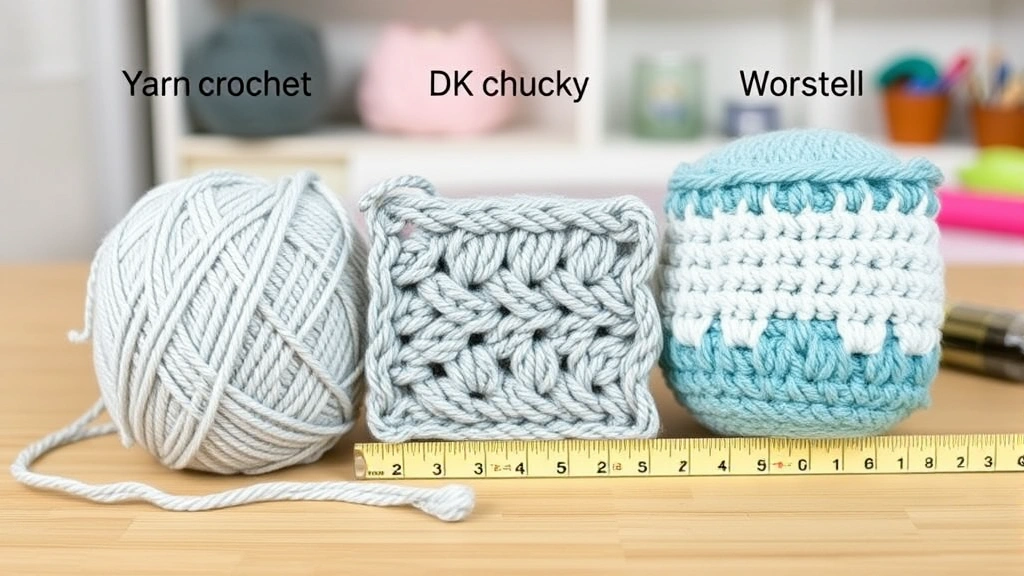
Worsted Weight (4) is the goldilocks of blanket yarns – not too thick, not too thin, just right for most projects. It works up relatively quickly but still gives you nice stitch definition. I use worsted weight for about 70% of my blankets because it’s so versatile. Popular options include Lion Brand Vanna’s Choice and Red Heart Super Saver, both reliable workhorses that won’t break the bank.
DK Weight (3) creates more delicate, drapey blankets with excellent stitch definition. It’s perfect when you want to show off intricate patterns like granny square designs or detailed colorwork. The trade-off? It takes longer to work up, so factor that into your timeline. I love DK for baby blankets where you want something soft and special.
Chunky Weight (5) is your friend when you want instant gratification. These blankets work up fast and create cozy, substantial fabric that’s perfect for snuggling. However, chunky yarn projects can get heavy quickly and use more yarn than you’d expect. They’re also less detailed – simple stitches work best here.
| Yarn Weight | Hook Size | Best For | Time Factor |
|---|---|---|---|
| DK (3) | 4.5-5.5mm | Baby blankets, detailed patterns | Slower |
| Worsted (4) | 5.5-6.5mm | Most adult blankets | Moderate |
| Chunky (5) | 6.5-9mm | Quick throws, textured blankets | Fastest |
Pro Tip: Always check your pattern’s recommended yarn weight first. Substituting a different weight can dramatically change your finished size and drape, even if you adjust your hook size.
Choosing the Right Fiber Content
This is where things get really interesting, and honestly, where I see the most confusion among newer crocheters. Fiber content affects everything from how your blanket feels to how you’ll care for it, and there’s no one-size-fits-all answer.
Acrylic: The Practical Choice
Let’s address the elephant in the room – acrylic yarn gets a bad rap, but modern acrylics are nothing like the scratchy stuff from decades ago. Today’s acrylic yarns are soft, machine-washable, and incredibly durable. For everyday blankets, especially those that will see heavy use or need frequent washing, acrylic is actually the smart choice.
I always recommend acrylic for baby blanket patterns because new parents don’t have time for hand-washing delicate items. Brands like Caron Simply Soft and Lion Brand Heartland offer excellent softness and color selection. The key is choosing quality acrylics – the cheap stuff can still be disappointing.
Cotton: Cool and Crisp
Cotton yarn creates blankets with beautiful drape and breathability, making them perfect for warmer climates or summer throws. Cotton also has excellent stitch definition, so your crochet stitches will look crisp and clear. The downside? Cotton blankets can be heavy and may stretch over time.
I love cotton for kitchen throws and lightweight summer blankets. Bernat Handicrafter Cotton is my go-to for these projects – it’s affordable and comes in great colors.
Wool and Wool Blends: The Luxury Option
Wool creates the most beautiful, temperature-regulating blankets, but it requires more care and investment. Pure wool needs gentle washing and can felt if mishandled. However, wool blends (wool mixed with acrylic or cotton) give you many of wool’s benefits with easier care.
For heirloom blankets or special gifts, wool is unmatched. Just make sure the recipient is willing to care for it properly, or you might find your lovingly crafted blanket shrunk in a hot wash.
I learned this lesson the hard way when I made my sister a gorgeous pure wool blanket, only to have her accidentally felt it in the washing machine. Now I always ask about care preferences before choosing fiber content for gifts.
How Much Yarn Do You Actually Need?
Nothing’s worse than running out of yarn when you’re 80% done with a blanket, especially if you can’t find the same dye lot. I’ve developed a system for estimating yardage that accounts for the “better safe than sorry” principle while not going completely overboard.
Basic Yardage Guidelines
These numbers assume worsted weight yarn and medium tension. Always buy extra – you can use leftover yarn for small projects later.
- Baby blanket (36″ x 36″): 1200-1500 yards
- Throw blanket (50″ x 60″): 2000-2500 yards
- Afghan (60″ x 80″): 3000-4000 yards
- King size (90″ x 108″): 5500-7000 yards
These estimates increase by about 25% for open, lacy patterns and decrease by about 15% for solid, dense stitches. Understanding standard blanket dimensions helps you plan more accurately.
The Dye Lot Dilemma
Here’s something that took me years to fully appreciate: dye lots matter more than you think. Even the same color from the same brand can look noticeably different between dye lots. I always buy all my yarn at once, and I buy about 10% more than I think I need.
If you’re making a large blanket, consider planning color changes or borders that can incorporate different dye lots intentionally. This way, slight color variations become part of the design rather than a problem.
Money-Saving Tip: Many yarn stores will let you return unopened skeins with your receipt. Buy extra, keep your receipt, and return what you don’t use. It’s better than being short and unable to match your yarn.
Matching Yarn to Blanket Size and Use
The size and intended use of your blanket should heavily influence your yarn choice. A lap blanket for watching TV has different requirements than a bedspread or a baby blanket that will be washed constantly.
Baby Blankets: Safety and Practicality First
For baby blankets, I prioritize machine-washable, hypoallergenic yarns in soft textures. Acrylic is actually ideal here – it’s safe, easy to care for, and won’t felt or shrink. Avoid yarns with fuzzy textures or loose fibers that could be inhaled.
Stick to lighter weights (DK or worsted) for baby blankets. They’re easier to handle for little ones and wash more easily than heavy blankets. Simple stitch patterns work best – babies don’t care about complex designs, and parents will appreciate blankets that wash and dry quickly.
Throw Blankets: Balancing Comfort and Durability
Throw blankets get the most use in most households, so durability matters. I lean toward worsted weight acrylics or cotton blends for throws. They need to handle frequent washing, pet hair, and general family life.
Consider the room where the blanket will live. A formal living room throw can be more delicate than one destined for the family room couch where kids eat snacks and dogs claim territory.
Bed-Sized Blankets: Weight and Warmth Considerations
Large blankets can get surprisingly heavy, especially in cotton or wool. I learned this when I made a king-size cotton blanket that was so heavy it was uncomfortable to sleep under. For bed-sized blankets, consider the weight of your finished project.
Acrylic and acrylic blends are excellent for large blankets because they provide warmth without excessive weight. If you want natural fibers, look for lightweight options or consider making a lighter, more open pattern.
Yarn Selection by Pattern Type
Different crochet patterns showcase different yarn qualities, and matching your yarn to your pattern type can make or break your project. I’ve seen beautiful patterns ruined by poor yarn choices and simple patterns elevated by perfect yarn selection.
Textured Patterns
Patterns with lots of texture – bobbles, popcorns, cables – need yarn that won’t compete with the stitch work. Solid colors work better than variegated yarns, and smooth textures show texture stitches more clearly than fuzzy or bouclé yarns.
Worsted weight is usually perfect for textured patterns. It’s substantial enough to support dimensional stitches but not so thick that details get lost. When working complex stitch patterns, yarn consistency matters more than you might think.
Colorwork and Stripes
For blankets featuring multiple colors, yarn consistency is crucial. All your yarns should be the same weight and similar fiber content, or you’ll get uneven tension and different care requirements in the same blanket.
I always test color combinations in good lighting before committing to a large project. Colors that look great together in the store might clash under your home lighting. Make a small swatch with your chosen colors and live with it for a few days before deciding.
Lace and Open Patterns
Lacy blanket patterns need yarn with good drape and stitch definition. Cotton and cotton blends excel here because they hold their shape and show stitch details clearly. Avoid fuzzy yarns that will obscure your beautiful lacework.
These patterns often use more yarn than you’d expect because of all the chain spaces and decorative elements. Add an extra 20-30% to your yardage estimates for lacy patterns.
I once made a gorgeous lace blanket in a fuzzy mohair blend, thinking it would be extra cozy. The fuzz completely hid the intricate pattern, and it looked like a mess. Sometimes simpler yarn choices are actually better.
Balancing Quality and Budget
Let’s talk money, because blankets use a lot of yarn, and costs can add up quickly. I’ve learned to balance quality with budget in ways that don’t compromise the finished project.
When to Splurge
Invest in higher-quality yarn for blankets that will be used frequently or given as special gifts. Heirloom blankets, wedding gifts, or your own bedroom blanket deserve good yarn. The extra cost per skein adds up, but so does the longevity and enjoyment of the finished piece.
Also splurge when the yarn is a major part of the design. If you’re making a simple single-crochet blanket, the yarn quality and color will be the star of the show. Complex patterns can sometimes carry lesser-quality yarns because the stitch work is the focus.
Smart Budget Strategies
Buy yarn on sale when possible, but be realistic about your timeline. Don’t buy sale yarn for a project you won’t start for six months – your tastes might change, or you might find an even better deal later.
Consider yarn weight when budgeting. Ravelry has excellent tools for comparing yarn costs per yard, which can reveal surprising bargains. Sometimes a more expensive yarn is actually cheaper per yard because it has more yardage per skein.
Big box store yarns have improved dramatically in recent years. Brands like Caron One Pound and Lion Brand Pound of Love offer excellent value for large blankets. They’re not luxury yarns, but they’re reliable and affordable for everyday blankets.
| Budget Level | Recommended Yarns | Best For | Cost per Blanket |
|---|---|---|---|
| Economy | Red Heart Super Saver, Caron One Pound | Practice projects, utility blankets | $30-60 |
| Mid-range | Lion Brand Vanna’s Choice, Bernat Softee | Most family blankets | $60-120 |
| Premium | Cascade 220, Berroco Vintage | Special gifts, heirloom pieces | $120-300+ |
Thinking About Care and Longevity
A blanket is only as good as its ability to withstand regular use and washing. I’ve made this mistake before – creating a beautiful blanket that became a hassle to maintain. Now I always consider the long-term care requirements before choosing yarn.
Machine Washable vs. Hand Wash Only
Be honest about your lifestyle and that of the blanket’s intended user. If you’re making a blanket for a busy family with kids and pets, choose machine-washable yarn even if it means sacrificing some luxury. A blanket that can’t be easily cleaned won’t get used.
For decorative blankets that will see light use, you can choose more delicate fibers. But even then, consider how you’ll handle occasional cleaning. Will you really hand-wash a king-size blanket, or will it end up permanently draped over a chair?
Pilling and Wear Resistance
Some yarns pill more than others, especially with frequent use. Acrylic yarns vary widely in this regard – higher-quality acrylics resist pilling much better than bargain options. Cotton generally pills less than acrylic but can fade over time.
If you’re unsure about a yarn’s durability, make a small swatch and wash it several times before committing to a large project. This test will show you how the yarn behaves and whether you’ll be happy with it long-term.
Durability Test: Make a 6-inch square in your chosen yarn, wash it three times in your usual settings, and see how it holds up. This small time investment can save you from disappointment later.
Color Fastness
Dark colors and vibrant hues are more likely to bleed or fade than lighter, more muted colors. This is especially important for blankets with multiple colors. Always check care instructions, and consider washing dark colors separately the first few times.
I learned this lesson with a red and white striped blanket where the red bled slightly onto the white stripes. It wasn’t ruined, but it wasn’t the crisp contrast I’d planned either. Now I test colorfastness on small swatches before combining colors.
Common Questions
How much yarn do I need for a throw blanket?
For a standard throw blanket (50″ x 60″) in worsted weight yarn, you’ll need approximately 2000-2500 yards. This can vary based on your pattern complexity and personal tension. Dense patterns like single crochet use more yarn, while open patterns like granny squares use less. Always buy an extra 200-300 yards to account for variations and potential mistakes.
Can I mix different yarn brands in the same blanket?
Yes, but stick to the same weight and similar fiber content for best results. Different brands can have slightly different thicknesses even in the same weight category, which can create uneven tension. Test your combinations with small swatches first, and consider using different yarns for distinct sections (like borders) rather than mixing them randomly throughout the pattern.
What’s the best yarn for a beginner’s first blanket?
Worsted weight acrylic yarn is perfect for beginners. It’s forgiving, affordable, and machine-washable. Look for smooth textures rather than fuzzy or textured yarns, which can make it harder to see your stitches. Lion Brand Vanna’s Choice and Red Heart With Love are excellent beginner-friendly options that come in many colors and have consistent quality.
Should I choose cotton or acrylic for a baby blanket?
Both work well, but consider the practical aspects. Cotton is natural and breathable but requires more careful washing. Quality acrylic is hypoallergenic, machine-washable, and often softer than cotton. For new parents who need easy care, acrylic is usually the better choice. If you choose cotton, look for pre-shrunk options and always wash in cool water.
How do I know if I have enough yarn to finish my blanket?
Weigh your remaining yarn and compare it to how much you’ve used for the completed portion. If you’re halfway through your blanket and have used 8 ounces of yarn, you’ll need at least 8 more ounces to finish. This method is more accurate than trying to estimate by skeins, especially if you’ve mixed different yarn types or weights.
What yarn weight works up fastest for blankets?
Chunky weight (5) or super chunky (6) yarns work up fastest, but they also create heavier blankets and use more total yardage. Worsted weight (4) offers the best balance of speed and practicality for most blankets. If speed is your priority, choose simple stitch patterns like single crochet or half double crochet rather than complex designs.
Can I substitute a different yarn weight than my pattern calls for?
You can, but it will significantly change your finished size and yarn requirements. Going from worsted to DK weight might make your blanket 20-30% smaller, while switching to chunky could make it much larger. If you want to substitute weights, make a gauge swatch and do the math to adjust your starting chain and total yarn needs accordingly.
How do I prevent my blanket from being too heavy?
Choose lighter-weight yarns (DK instead of worsted), avoid cotton for large blankets, and consider more open stitch patterns that use less yarn. Acrylic and acrylic blends are generally lighter than natural fibers. If you’re already partway through a heavy blanket, you might consider making it smaller than originally planned or using it as a decorative throw rather than a functional blanket.
Choosing the right yarn for your crochet blanket doesn’t have to be overwhelming once you understand the basics. Remember that there’s no perfect yarn – only the right yarn for your specific project, budget, and lifestyle. Consider who will use the blanket, how it will be cared for, and what you want the finished piece to look and feel like.
Start with these guidelines, but don’t be afraid to experiment as you gain experience. Some of my favorite blankets came from happy accidents or unexpected yarn choices that broke the “rules” but worked perfectly for that specific project. The most important thing is to choose yarn that you enjoy working with and that will create a blanket you’ll love for years to come.
Now go forth and create something beautiful – your perfect blanket is waiting for you to bring it to life, one stitch at a time.