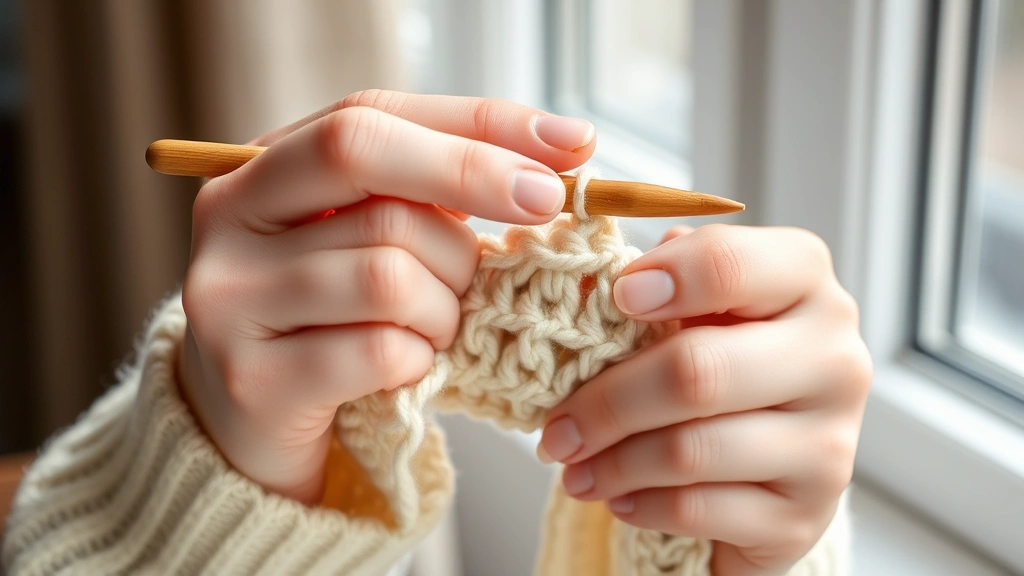
Last week, I was helping my neighbor Sarah with her first baby blanket project when she asked me something that stopped me in my tracks: “How do I know if I’m crocheting too tight?” She’d been working on the same corner for three hours, her fingers were cramping, and her stitches looked more like tiny knots than the soft, even squares she’d seen in tutorials.
Here’s the thing about crochet tension – it’s one of those skills that seems mysterious until someone explains it properly. I’ve been crocheting for over fifteen years, and I still remember the frustration of wondering why my projects never looked quite right. Your stitches were either so loose they had gaps you could stick your finger through, or so tight you needed pliers to get your hook through them.
The truth is, most of us start out crocheting way too tight. It feels safer somehow, like we’re really securing those stitches. But tight tension creates a whole bunch of problems: your hands get tired faster, your finished projects feel stiff and uncomfortable, and working into those tiny stitches becomes a real pain. On the flip side, loose tension isn’t great either – your fabric gets floppy and loses its shape.
Getting your tension just right is honestly one of the most important skills you’ll develop as a crocheter. It affects everything from how your finished project looks and feels to how much yarn you’ll actually need. Plus, once you nail down consistent tension, your crochet time becomes so much more enjoyable.
Quick Answer
You’re crocheting too tight if your hook struggles to slide through stitches, your hands cramp quickly, or your fabric feels stiff and bunched up. Good tension allows your hook to glide easily while keeping stitches neat and even.
Signs You’re Crocheting Too Tight
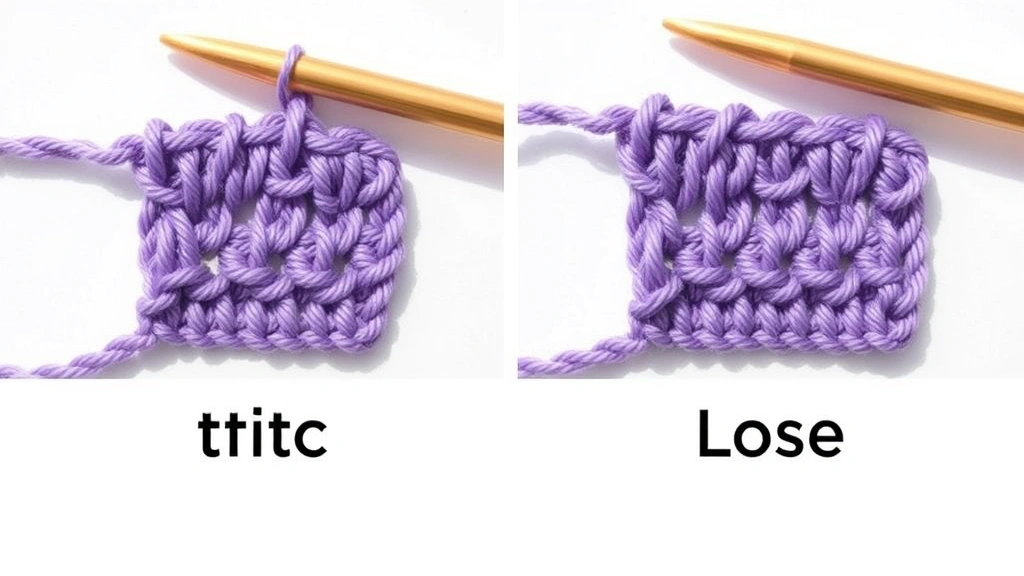
Let’s start with the obvious signs that your tension needs some work. The biggest red flag is when you’re struggling to get your hook through your stitches. If you’re having to really push and wiggle to insert your hook, or if you’re pulling so hard that your work bunches up, that’s your first clue.
Your hands will tell you too. When I was learning amigurumi techniques, I’d finish a session with sore fingers and wrists because I was gripping everything so tightly. Cramping after just 20-30 minutes of crocheting isn’t normal – you should be able to work comfortably for much longer.
Take a look at your actual stitches. Are they so small and tight that you can barely see the individual loops? When you hold up your work, does it feel stiff and cardboard-like instead of having a nice drape? These are telltale signs of overly tight tension.
Another dead giveaway is when your stitch count keeps decreasing without you realizing it. Tight stitches can be so small that it’s hard to identify where to insert your hook for the next stitch, leading to accidentally skipping stitches or working into the wrong spots.
Quick Test: Try the “hook slide test.” Your hook should glide through completed stitches with just gentle pressure. If you’re having to force it, your tension is too tight.
Visual Cues in Your Fabric
The fabric itself will show you what’s happening with your tension. Tight crochet creates a dense, inflexible material that doesn’t move naturally. If you’re working on something that should have drape – like a shawl or wrap – but it stands up on its own like cardboard, your tension is definitely too tight.
You might also notice that your edges are curling inward or that your squares aren’t laying flat. This happens because tight stitches pull the fabric in on itself, creating that bunched-up look that’s the opposite of what most patterns are aiming for.
Why This Happens to Most Beginners
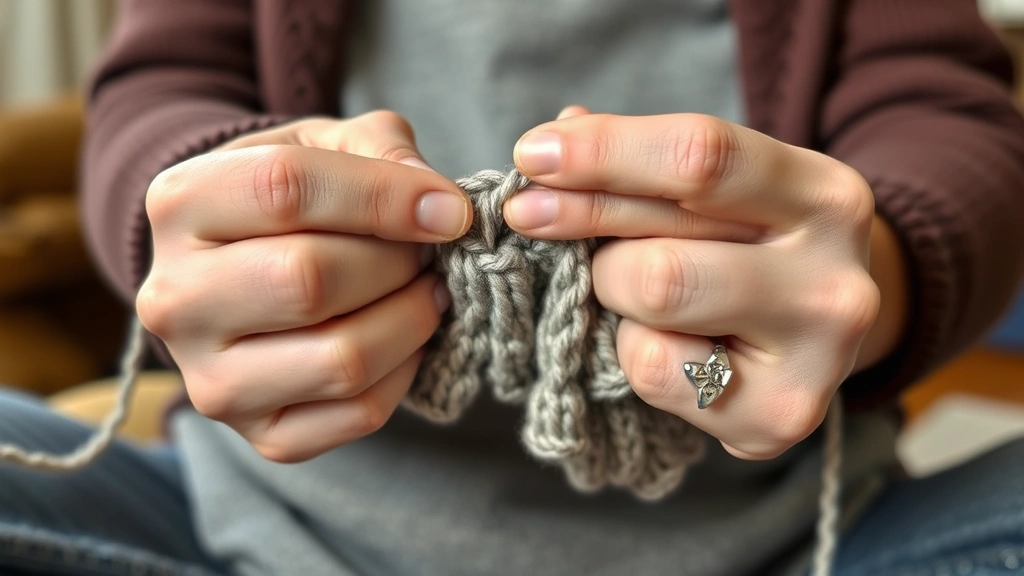
Here’s something that might make you feel better: nearly everyone starts out crocheting too tight. It’s not because you’re doing anything wrong – it’s actually a pretty natural response when you’re learning a new skill that requires coordination.
When we’re concentrating hard on something new, our bodies tend to tense up. Think about when you first learned to drive – remember how tightly you gripped that steering wheel? The same thing happens with crochet. You’re focused on making sure you don’t drop stitches or lose your place, so you unconsciously grip everything more firmly.
There’s also a psychological component. Loose stitches can look messy or “wrong” to beginners, so we compensate by going too far in the other direction. It feels like we’re being more precise and careful, but really we’re creating more problems for ourselves.
The type of yarn you’re using can contribute to this too. If you’re learning with a worsted weight acrylic yarn (which is what most beginners start with), it can feel slippery and unpredictable. Your instinct is to hold on tighter to maintain control.
The Learning Curve Factor
When you’re still getting comfortable with basic stitches like single crochet basics, your brain is working overtime to remember each step. This mental load often translates to physical tension throughout your hands and arms.
I see this all the time when I’m teaching new crocheters. They’ll start a session with relatively relaxed hands, but as they get tired or frustrated, everything tightens up. It’s completely normal, and recognizing this pattern is the first step to changing it.
Physical Effects of Tight Crochet
Let’s talk about what all that tension is doing to your body, because this is where tight crocheting goes from being just annoying to potentially harmful. Your hands and wrists aren’t designed to maintain that level of constant tension, especially during the repetitive motions that crochet requires.
The most immediate effect is fatigue. When you’re gripping your hook and yarn too tightly, you’re using way more muscle energy than necessary. It’s like doing a workout when you’re just trying to relax and create something beautiful. Your hands will start cramping, your fingers might feel stiff, and you’ll get tired much faster than you should.
Over time, this can lead to more serious issues. Repetitive strain injuries are real, and they’re more common in crafters than you might think. I learned this the hard way during a particularly intense afghan project where I was determined to finish before a deadline. My wrist ached for weeks afterward.
The tension also travels up your arms. You might notice your shoulders creeping up toward your ears, or your neck getting stiff. When your hands are tense, your whole upper body compensates, creating a chain reaction of discomfort.
Prevention Tip: Set a timer for every 20-30 minutes and take a break to stretch your hands, wrists, and shoulders. Your future self will thank you.
Long-term Considerations
If you’re planning to make crochet a regular hobby (and I hope you are!), developing good tension habits early is crucial. Poor tension habits become muscle memory, and they’re much harder to change once they’re ingrained.
I’ve met crocheters who’ve been working with overly tight tension for years, and they often struggle with joint pain and fatigue that could have been prevented with better technique from the start.
How Tight Tension Affects Your Projects
Beyond the physical discomfort, tight tension creates all sorts of problems with your actual crochet projects. The most frustrating issue is gauge problems. Every crochet pattern is designed with a specific gauge in mind – that’s the number of stitches and rows per inch that the designer used.
When your tension is too tight, you’ll get more stitches per inch than the pattern calls for. This means your finished project will be smaller than intended. I can’t tell you how many times I’ve seen someone finish a baby blanket that turned out more like a washcloth because their tension was so tight.
The fabric quality suffers too. Crochet is supposed to have a certain amount of flexibility and drape. When stitches are too tight, the fabric becomes stiff and uncomfortable. This is especially problematic for wearables – nobody wants to wear a sweater that feels like armor.
Tight tension also makes it incredibly difficult to work certain techniques. Try doing tapestry crochet with tight stitches, and you’ll quickly discover that the color changes become nearly impossible to execute cleanly. Advanced techniques like post stitches or working in the round become exercises in frustration.
| Project Type | Problems from Tight Tension | Ideal Tension Feel |
|---|---|---|
| Baby Blankets | Stiff, smaller than pattern | Soft, drapey, cozy |
| Amigurumi | Hard to stuff, misshapen | Firm but workable |
| Garments | Uncomfortable, poor fit | Flexible, good drape |
| Dishcloths | Too dense, won’t absorb | Structured but not stiff |
Yarn Usage Issues
Here’s something that might surprise you: tight tension actually uses more yarn than proper tension. When stitches are compressed and tight, you’re packing more yarn into each stitch. This means you might run out of yarn before finishing your project, even if you bought the amount specified in the pattern.
This is particularly frustrating when you’re working with expensive yarns or discontinued colors. I once had to frog an entire lace shawl because my tight tension meant I didn’t have enough of the beautiful hand-dyed yarn to complete it.
Finding Your Perfect Tension Sweet Spot
So what does good tension actually feel like? This is where it gets a bit subjective, because everyone’s hands are different, and different projects require slightly different approaches. But there are some universal guidelines that will help you find your sweet spot.
Good tension should feel effortless. Your hook should glide through stitches without resistance, but the stitches shouldn’t be so loose that they’re sloppy or gappy. Think of it like Goldilocks – not too tight, not too loose, but just right.
When you insert your hook into a stitch, you should feel a gentle give, like the yarn is welcoming the hook rather than fighting it. The yarn should flow smoothly through your fingers as you work, without you having to consciously think about controlling it.
Your finished fabric should have body and structure, but it should also move naturally. When you hold up your work, it should drape nicely rather than standing rigid. For most projects, you should be able to gently stretch the fabric in all directions without distorting the stitches.
The Squeeze Test: Gently squeeze a section of your work in your fist, then release. Good tension will allow the fabric to compress slightly and then spring back to its original shape.
Adjusting for Different Projects
Here’s where experience really comes into play: different types of projects benefit from slightly different tension approaches. When I’m working on granny squares, I keep my tension a bit looser than normal because I want the squares to lay flat and block nicely.
For amigurumi, you actually want slightly tighter tension than usual to prevent stuffing from showing through, but not so tight that you can’t work comfortably. It’s a delicate balance that you’ll develop a feel for over time.
Lace work requires the loosest tension of all – those delicate patterns need room to bloom when you block them. If your tension is too tight, the beautiful openwork patterns will be lost.
Techniques to Loosen Your Grip
Now let’s get into the practical stuff – how do you actually change your tension? The first step is becoming aware of how you’re holding your hook and yarn. Most people who crochet too tightly are gripping their hook like they’re trying to strangle it.
Try this: hold your hook like you would hold a pencil when you’re writing casually, not when you’re filling out important forms. Your grip should be firm enough to maintain control, but relaxed enough that someone could easily slide the hook out of your hand if they wanted to.
The yarn tension is controlled by how you wrap it around your fingers. Many tight crocheters wrap the yarn around their fingers multiple times, creating too much friction. Try using fewer wraps, or experiment with different finger positions until you find something that feels more natural.
One technique that works for a lot of people is the “loose fist” method. Instead of gripping everything tightly, imagine you’re holding a small bird – firm enough that it won’t fly away, but gentle enough that you won’t hurt it.
- Relax Your Shoulders
Start each crochet session by consciously dropping your shoulders and taking a deep breath. Tension in your shoulders travels down to your hands.
- Check Your Grip Every Few Minutes
Set a mental reminder to assess how tightly you’re holding your hook and yarn. It’s easy to gradually tighten up without realizing it.
- Use Larger Hooks Temporarily
Going up a hook size or two can help you get used to looser tension. Once you’re comfortable, you can gradually work back down to the recommended size.
- Practice the “Release and Reset” Method
Every few stitches, consciously release your grip completely, then pick up your work with intentionally relaxed hands.
Environmental Factors
Your crocheting environment can actually contribute to tension problems. If you’re hunched over your work, sitting in an uncomfortable chair, or trying to crochet in poor lighting, your body will naturally tense up.
Make sure you’re sitting in a comfortable position with good support. Your work should be at a comfortable height – you shouldn’t have to crane your neck down or hold your arms in an awkward position. Good lighting reduces eye strain, which in turn reduces overall body tension.
Practice Exercises That Actually Work
Here are some specific exercises that have helped countless crocheters (including myself) develop better tension. The key is to practice these regularly, not just when you’re having problems.
Start with simple chain practice. Make chains of varying tensions – some deliberately too tight, some too loose, and some just right. This helps you develop awareness of what different tensions feel like. Pay attention to how your hands feel with each approach.
Try the “tension ladder” exercise: crochet a swatch where you gradually loosen your tension every few rows. Start with your normal (probably too tight) tension, then consciously relax a little more with each row. This gives you a visual reference for how different tensions look in your finished work.
Practice working with different yarn weights can also help. Bulky yarn naturally encourages looser tension, while fingering weight yarn can help you develop more precise control.
Mirror Practice: Crochet in front of a mirror occasionally so you can observe your posture and hand position from a different angle. You might be surprised by what you see.
Building Muscle Memory
The goal is to retrain your muscle memory, and that takes time and repetition. Don’t expect to change overnight – I tell my students to expect it to take several weeks of conscious practice before better tension becomes automatic.
One exercise that really helps is to practice basic stitches while consciously focusing on relaxation rather than perfection. Make swatches where your only goal is to maintain relaxed hands, even if the stitches aren’t perfectly even.
Try practicing different ways of holding your yarn. Some people find that switching from wrapping around the pinky to using a yarn guide or different finger position helps them relax their grip naturally.
Common Questions
How long does it take to fix tight crochet tension?
Most people see improvement within 2-3 weeks of conscious practice, but it can take 6-8 weeks for relaxed tension to become completely automatic. Be patient with yourself – you’re literally retraining muscle memory that took months to develop.
Should I use a larger hook size if my tension is too tight?
Temporarily, yes. Going up one or two hook sizes can help you get used to looser tension, but the goal should be to eventually work back down to the pattern’s recommended size. Using a larger hook is a training tool, not a permanent solution.
Why do my hands hurt after crocheting for just 30 minutes?
Hand pain after short periods is almost always a sign of too much tension. You’re using way more muscle energy than necessary. Focus on relaxing your grip and take frequent breaks to stretch your hands and wrists.
Can tight tension ruin my project?
It can definitely cause problems. Your project might end up smaller than intended, the fabric might be uncomfortably stiff, or you might run out of yarn before finishing. For most projects, it’s worth frogging and starting over with better tension.
Is it better to crochet too tight or too loose?
Neither extreme is ideal, but if I had to choose, slightly loose tension is easier to work with than tight tension. Loose stitches are easier to work into, and the fabric will still be functional. Extremely tight stitches can make a project nearly impossible to complete.
How do I know if my gauge swatch is accurate with tension problems?
Make your gauge swatch the same way you plan to crochet the actual project. If you’re consciously trying to loosen your tension for the swatch but then revert to tight tension for the project, your gauge won’t be accurate. Practice consistent tension before starting important projects.
Does the type of yarn affect how tight I crochet?
Absolutely. Slippery yarns like bamboo or silk can make you grip tighter to maintain control, while sticky yarns like wool might encourage looser tension. Cotton tends to be neutral. Adjust your awareness based on what you’re working with.
Can I fix tension issues in a finished project?
Unfortunately, not really. You can sometimes improve the drape and feel through aggressive blocking, but if the tension is significantly off, the only real fix is to start over. This is why practicing good tension from the beginning is so important.
Moving Forward with Confidence
Learning to recognize and fix tight crochet tension is honestly one of the best investments you can make in your crochet journey. It might feel frustrating to slow down and focus on something that seems so basic, but I promise it’s worth it.
Remember that every experienced crocheter has been where you are right now. We’ve all dealt with cramped hands, stiff projects, and the frustration of stitches that fight back. The difference is that we’ve learned to listen to what our hands and our work are telling us.
Start small – pick a simple project like a dishcloth or practice swatch where you can focus entirely on developing better tension without worrying about complex patterns or techniques. As your muscle memory adapts, you’ll find that good tension becomes second nature.
Your future self will thank you for taking the time to get this right. Comfortable, relaxed crocheting means you can work for longer periods, enjoy the process more, and create projects that look and feel exactly the way they should. That’s what crochet is really about – the joy of creating something beautiful with your own two hands.