Beginner Crochet Projects: Easy Patterns to Start Your Journey
So you’ve decided to pick up a crochet hook, and now you’re staring at a mountain of yarn, pattern websites, and YouTube tutorials wondering where on earth to actually start. I totally get it. There’s this beautiful space between “I want to make something” and “I have no idea what I’m doing,” and honestly? That’s the most exciting part of your crochet journey. You’re about to discover that making things with your hands is one of the most grounding, creative, and genuinely fun hobbies you can have.
The truth is, you don’t need to master complex stitches or spend weeks on a single project to fall in love with crochet. Some of the most satisfying beginner projects come together in an afternoon or two, and they’re genuinely useful things you’ll actually want to use or gift to people you care about. In this guide, I’m walking you through everything you need to know to pick projects that’ll keep you motivated, feeling accomplished, and excited to pick up your hook tomorrow.
Why Start Small and Simple
Here’s something nobody tells beginners: the biggest predictor of whether you’ll stick with crochet isn’t talent or natural ability. It’s finishing projects. When you complete something—even something small—your brain gets a hit of accomplishment that makes you want to do it again. Starting with an ambitious blanket that takes three months? That’s how people end up with half-finished projects stuffed in closets.
Beginner projects are designed to teach you foundational skills while keeping you motivated. They typically use basic stitches like single crochet, half double crochet, and double crochet. They’re forgiving when you make mistakes (and you will, and that’s totally fine). Most importantly, they give you quick wins. When you finish a coaster in an hour and it actually looks like a coaster? That feeling is real, and it matters.
Starting simple also means you’re not investing a ton of money before you know whether crochet is actually your thing. It’s way less intimidating to spend $10 on yarn for a practice project than $50 on materials for something complicated. And honestly, some people try crochet and realize it’s not for them, and that’s okay too. But I’d bet once you make that first finished object, you’ll be hooked (pun absolutely intended).
Essential Supplies You Actually Need
Before we dive into specific projects, let’s talk about what you genuinely need versus what’s just nice to have. Too many beginners get overwhelmed by the sheer amount of crochet “stuff” available, and they end up buying things they don’t need.
The non-negotiables:
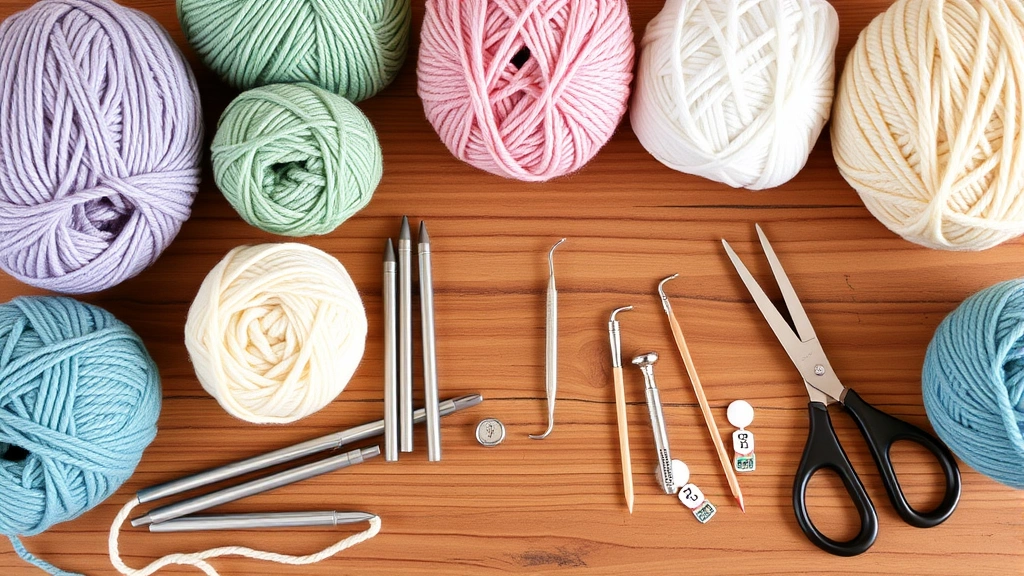
- A crochet hook – Start with a size H/8 (5mm) or I/9 (5.5mm). These are comfortable to hold and forgiving for beginners. Aluminum hooks are affordable and reliable; bamboo hooks are gentler on your hands if you’re sensitive.
- Yarn – We’ll talk more about this below, but start with a light-colored, smooth worsted weight yarn. Avoid dark colors (you can’t see your stitches) and fuzzy yarns (they hide mistakes but also make it hard to learn).
- Scissors – Literally any scissors work. You’re cutting yarn, not performing surgery.
- A yarn needle – This is for weaving in ends. It’s like $1.50. Get one.
- Stitch markers – You can use safety pins, pieces of yarn, or actual stitch markers. They help you keep track of where you are in a pattern.
The “nice to have but not essential” stuff:
- A pattern book (though free patterns online are everywhere)
- Multiple hook sizes (you’ll accumulate these naturally)
- A tension gauge (helpful later, not necessary now)
- Fancy yarn bowls or organizers (honestly, a mug works fine)
Start with the basics. You can always add more supplies as you figure out what actually makes your crochet life easier.
Best Beginner Crochet Projects
1. Dishcloths and Washcloths
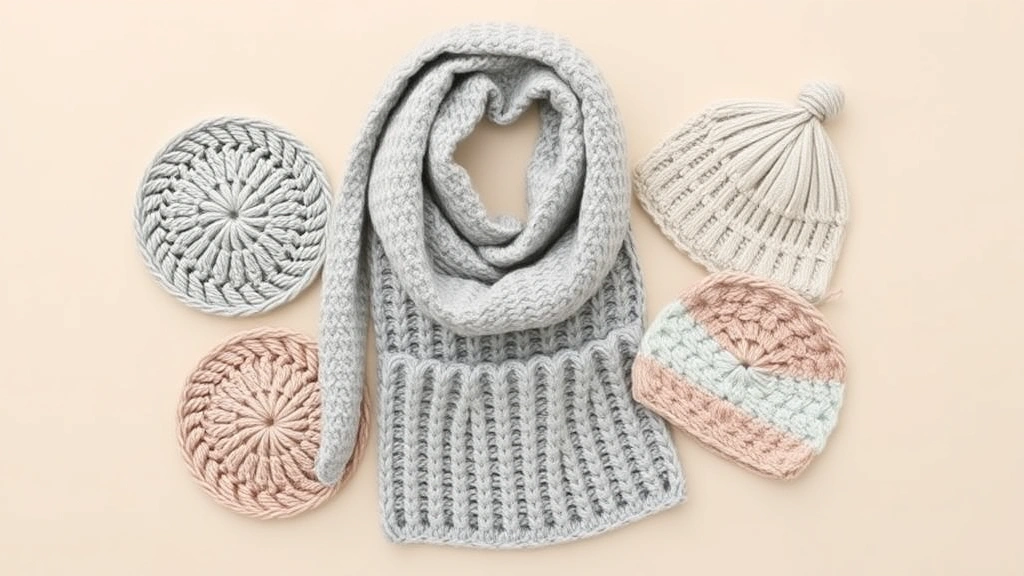
This is the project I recommend to literally everyone starting out. Here’s why: they’re small (usually 8×8 inches), they use basic stitches, they’re done in a few hours, and you actually use them. Plus, they make genuinely thoughtful gifts. The pattern is usually just “chain 20, single crochet across, repeat until it’s a square.” You’re learning tension, consistency, and how to count rows. When you finish, you have a functional item that proves you can do this.
2. Coasters
Even smaller than dishcloths, coasters are perfect if you want a project that takes an hour or less. They teach you to work in a tight square, and you can make a set of four and feel incredibly productive. Plus, they’re perfect for practicing different stitch patterns once you’ve mastered the basics.
3. Scarves
A simple scarf is basically a very long rectangle, which means it’s just repetitive rows of the same stitch. The beauty of a scarf is that you can literally work on it while watching TV, and there’s something meditative about that rhythm. The project grows visibly every time you sit down, which keeps you motivated. For your first scarf, aim for worsted weight yarn and a simple garter stitch or single crochet pattern.
4. Blankets (Yes, Really, But a Small One)
I know I said to avoid ambitious projects, but a small throw blanket or baby blanket is actually achievable. We’re talking something like 30×40 inches, not a full-sized bed blanket. It teaches you how to handle a larger project without taking six months. Plus, there’s something incredibly satisfying about wrapping yourself in something you made.
5. Simple Hats
Hats involve a bit more technique (you’ll learn to work in the round and decrease stitches), but they’re still totally beginner-friendly. A basic beanie is just a cylinder with a closed top. You wear it immediately, which feels amazing. Fair warning: hats do require you to get your gauge roughly right, but that’s actually a good skill to develop early.
6. Amigurumi (Stuffed Toys)
Okay, this one’s slightly more advanced than the others, but not by much. Amigurumi teaches you to work in the round and to increase and decrease stitches. Making a simple stuffed animal or sphere is incredibly rewarding, and honestly, it’s where a lot of people fall in love with crochet. There’s something magical about creating a three-dimensional object.
Choosing the Right Yarn and Hook
This is where a lot of beginners get tripped up. Here’s the real talk about yarn: not all yarn is created equal, and using the right yarn for your skill level makes a massive difference.
Best Yarn for Beginners:
Worsted Weight is your friend starting out. It’s thick enough that you can see your stitches clearly, it’s forgiving if you’re inconsistent with tension, and it works up quickly so you see progress. Look for yarn that’s smooth and light-colored. Dark yarn hides your mistakes, which sounds good until you realize you can’t actually see what you’re doing. Fuzzy yarn (like mohair or eyelash) looks beautiful, but it’ll drive you crazy when you’re learning because you can’t see your stitches.
Some reliable beginner-friendly yarn brands include Lion Brand, Red Heart, and Caron. These aren’t the fanciest yarns, but they’re affordable, consistent, and widely available. You can find them at any craft store. Check out Lion Brand’s website for their beginner collections and free patterns.
Hook Size Matters More Than You Think:
A size H/8 or I/9 hook is genuinely the sweet spot for beginners. It’s large enough that you won’t strain your hands, but not so large that your stitches become floppy and hard to control. Once you’ve done a few projects, you’ll develop preferences. Some people love tiny hooks and detailed work; others prefer chunky hooks and quick projects. There’s no right answer—just what works for you.
Understanding Yarn Weight and Fiber Content:
Yarn comes in different weights (thickness levels), from lace-weight (super thin) to jumbo (super thick). For beginners, stick with worsted weight (weight 4). It’s the Goldilocks of yarn weights—not too thin, not too thick, just right for learning.
Fiber content is about what the yarn is made from: acrylic, cotton, wool, blends, etc. Acrylic is affordable and comes in every color imaginable, which makes it perfect for practice. It’s also easy to care for. Cotton is great for summer projects and dishcloths. Wool has beautiful elasticity but can be pricier and requires careful washing. For your first projects, acrylic is honestly your best bet. No judgment—it’s practical and smart.
Common Beginner Mistakes to Avoid
Mistake #1: Inconsistent Tension
Your tension (how tightly you hold the yarn) will probably be all over the place at first. Some stitches will be tight, others loose. This is completely normal. The best way to improve is to just keep making things. Your hands will naturally find a more consistent rhythm. If you’re really struggling, try holding the yarn differently or taking a break—tension issues are often a sign you’re frustrated or tired.
Mistake #2: Picking Projects That Are Too Hard
I can’t stress this enough: if you’re a true beginner, don’t start with lace patterns or colorwork or anything involving more than two colors. Those skills build on basics. Master single crochet first. Then half double crochet. Then double crochet. Then you can start combining them in interesting ways. The projects I mentioned above are designed to build skills gradually.
Mistake #3: Not Reading the Pattern Carefully
Patterns have abbreviations and symbols that might look like a foreign language. Before you start, read through the entire pattern. Understand what it’s asking you to do. Most patterns include a key that explains abbreviations (sc = single crochet, dc = double crochet, etc.). Spend five minutes understanding the pattern before you start. It saves so much frustration.
Mistake #4: Giving Up on Your First Mistake
You will make mistakes. I promise. You’ll drop stitches, you’ll miscount, you’ll realize halfway through that something’s wrong. Here’s the thing: most mistakes can be fixed, and if they can’t, the world won’t end. That wonky coaster still works as a coaster. That slightly lopsided hat still keeps your head warm. Perfectionism is the enemy of enjoyment in crochet. Make mistakes, laugh about them, and keep going.
Mistake #5: Not Weaving in Ends
I know, it’s tedious. But weaving in ends is the difference between a project that looks handmade (in the good way) and one that looks unfinished. It takes five minutes and makes your work look polished. Future you will appreciate it.
Building Confidence Through Practice
Confidence in crochet comes from repetition and completion. Here’s a realistic path forward:
Week 1-2: Learn the Basics
Spend time on Yarnspirations or YouTube learning how to hold your hook, cast on, and do basic stitches. Make a practice swatch. It won’t be perfect, and that’s the point. You’re training your hands.
Week 3-4: Make Your First Small Project
Start with a dishcloth or coaster. Pick a simple pattern with clear instructions. Focus on finishing it, not making it perfect. When you’re done, you’ll have proof that you can do this.
Week 5-8: Repeat and Vary
Make a few more small projects. Try different yarn colors. Experiment with slight variations in stitch patterns. Each one teaches you something new, and each one builds confidence.
Month 3+: Level Up Gradually
Once you’ve completed several small projects comfortably, try something slightly more complex. Maybe a hat, or a larger blanket. You’re not jumping into amigurumi or lace patterns yet, but you’re expanding your skills deliberately.
The key is consistency over intensity. Thirty minutes of crochet three times a week beats a marathon eight-hour session once a month. Your hands need time to develop muscle memory, and your brain needs time to process what you’re learning.
For more inspiration and free patterns, check out Ravelry, which is basically the social network for fiber artists. You can browse patterns, connect with other crocheters, and track your projects. It’s genuinely helpful and free.
FAQ
How long does it take to learn crochet?
You can learn the basics in a few hours. You can complete your first small project in a day or two. Real proficiency—where you can tackle more complex patterns without constant reference—usually takes a few weeks of consistent practice. But here’s the thing: you don’t need to be proficient to start enjoying crochet. You’ll have fun from day one.
What’s the best yarn for absolute beginners?
Light-colored, smooth, worsted-weight acrylic yarn. Think Lion Brand Vanna’s Choice or Red Heart Super Saver. These are affordable, come in great colors, and let you see exactly what you’re doing. Avoid dark, fuzzy, or very thin yarns until you have more experience.
Do I need expensive equipment?
Not at all. A basic aluminum hook, some reasonably priced yarn, and scissors are all you need to get started. You can always upgrade later if you want to, but fancy equipment won’t make you a better crocheter if you’re just starting out.
I’m left-handed. Can I crochet?
Absolutely. Crochet is actually more left-handed-friendly than knitting because you’re only using one active hand. You might need to look up left-handed tutorials, but the technique is the same—just mirrored.
What if I make a huge mistake?
You can usually fix it by unraveling back to the mistake and redoing those stitches. If you can’t figure out how to fix it, you can always frog it (rip it, get it? yarn humor) and start that section over. It’s really not as catastrophic as it feels in the moment.
How do I find good beginner patterns?
Ravelry is incredible for this. You can filter by skill level, project type, and yarn weight. Most patterns include reviews from people who’ve made them, which helps you gauge difficulty. Free patterns are everywhere—don’t feel like you need to buy anything at first. Once you know what you like, investing in a good pattern book can be worth it. All About Ami has fantastic beginner amigurumi patterns if you go that route.
Should I join a crochet group?
If you can find a local group, it’s genuinely helpful. Having other people to ask questions and celebrate with makes the learning curve less lonely. Online communities are great too. The Crochet Guild of America has resources and connections if you want to get more involved, but it’s totally optional.
What’s the difference between crochet and knitting?
Crochet uses one hook; knitting uses two needles. Crochet stitches are generally chunkier and more forgiving. Dropped stitches in crochet are easier to fix. Both are wonderful, and plenty of people do both. Neither is objectively better—it’s about what clicks for you.