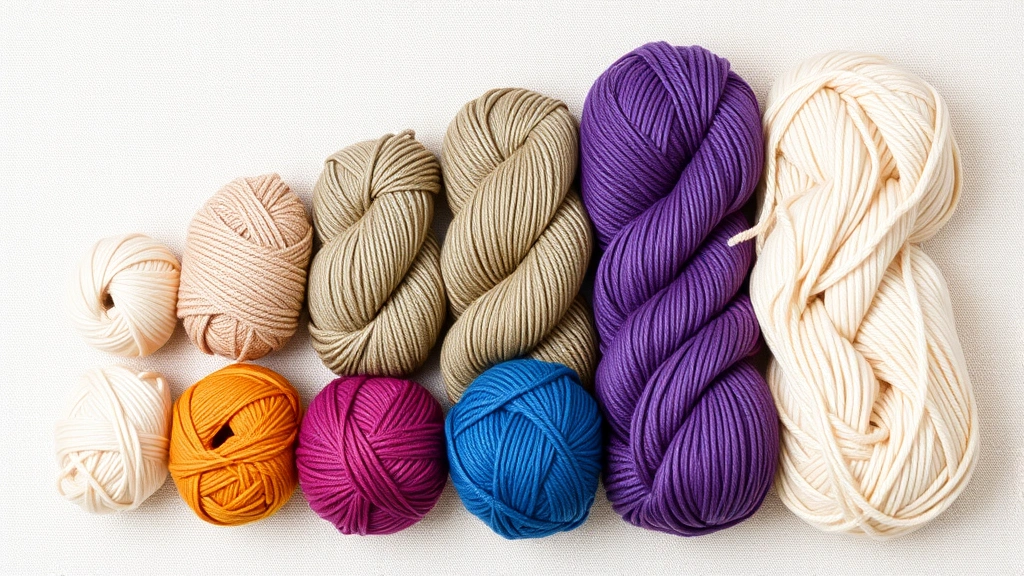
Choosing the Right Yarn Weight for Your Crochet Projects
Let’s be real—walking into a yarn shop or scrolling through online listings can feel like staring at a wall of endless possibilities. You’ve got your heart set on making something beautiful, but then you hit the yarn aisle and suddenly you’re wondering: what’s the difference between worsted weight and bulky? Does it really matter that much? And why does one skein cost $3 while another is $15?
Here’s the truth: picking the right yarn weight isn’t just some technical detail that doesn’t matter. It’s actually the foundation of whether your project turns out the way you imagined it. The weight you choose affects how your stitches look, how fast you’ll finish, how much yarn you’ll need, and honestly, how much you’ll enjoy the whole process. I’ve been there—starting a project with the wrong yarn weight and realizing halfway through that something feels off. It’s frustrating, but the good news? Once you understand yarn weights, you’ll feel so much more confident in your choices.
In this guide, I’m going to walk you through everything you need to know about yarn weights, help you understand how to read those mysterious labels, and show you how to match the perfect yarn to your project. Whether you’re working on your first amigurumi or tackling a complex blanket pattern, we’ll figure this out together.
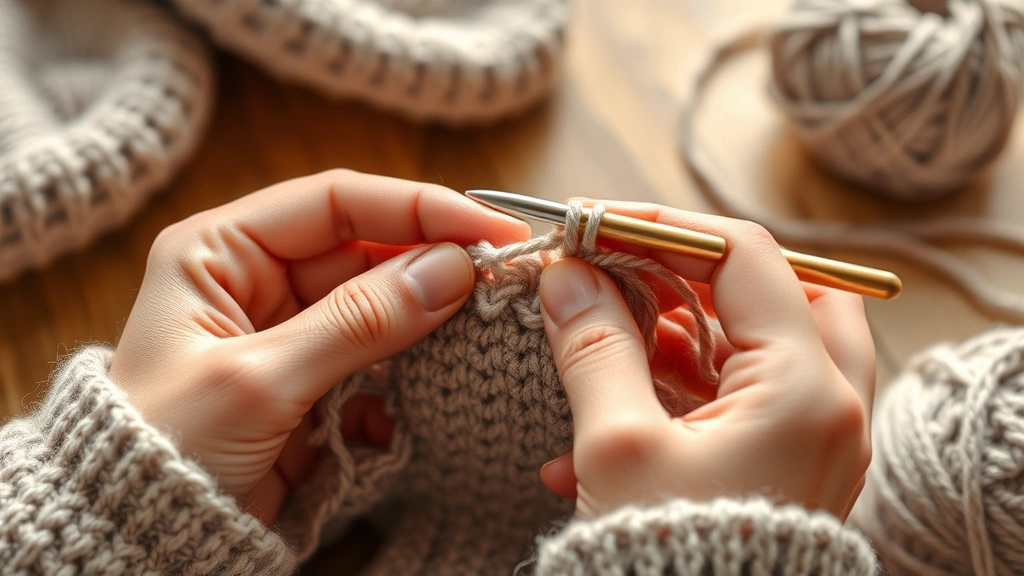
Understanding Yarn Weights and Weight Categories
So what exactly is yarn weight? It’s not about how much the yarn physically weighs—that would be way too simple! Instead, yarn weight refers to the thickness of the yarn strand. Think of it like this: imagine a piece of thread versus a piece of rope. They’re made of similar materials, but one’s super thin and one’s super thick. That’s basically what we’re talking about with yarn weight.
The Craft Yarn Council established a standardized numbering system that goes from 0 (the thinnest) all the way to 7 (the thickest). Most crocheters work with weights in the middle ranges, like worsted weight (weight 4) or bulky (weight 5), but you’ll encounter all kinds of different weights depending on what you want to make. Understanding this system is crucial because it directly impacts your crochet hook sizes and stitch definition.
Here’s why this matters practically: a fingering weight yarn (weight 1) will give you incredibly detailed stitches and beautiful drape, but you’ll need a tiny hook and your project will take forever. Meanwhile, a bulky weight yarn (weight 5) works up super fast and creates beautiful texture, but you might lose some of those intricate stitch details. Neither is better—they’re just different tools for different jobs, and knowing the difference helps you pick the right one for what you’re making.
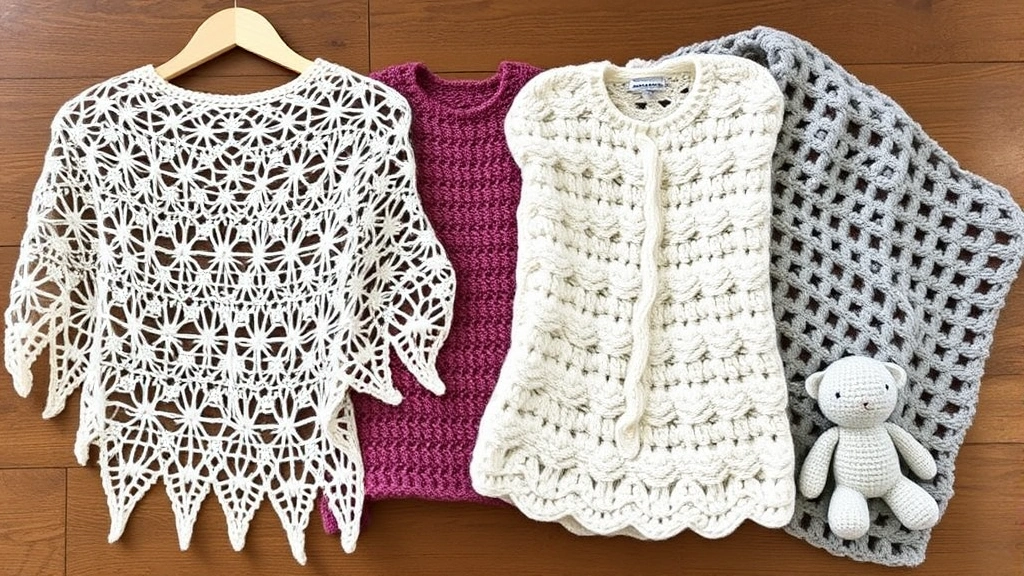
The Standard Yarn Weight Chart Explained
Let me break down each weight category so you can really understand what you’re working with. The Craft Yarn Council’s system is pretty straightforward once you see it all laid out:
- Lace (Weight 0): This is gossamer-thin stuff. You’ll use needles or hooks in the US 000-1 range. Projects like delicate shawls and intricate doilies love this weight. It’s gorgeous but requires patience and good lighting.
- Fingering (Weight 1): Still quite thin, typically worked on US 1-3 hooks. Perfect for sock patterns and detailed colorwork. Beautiful drape and delicate stitch definition.
- Sport (Weight 2): A step thicker, usually US 3-5 hooks. Great for baby items and garments where you want a nice drape without going too thin.
- DK/Light Worsted (Weight 3): Getting into the sweet spot for many crocheters. US 5-7 hooks. Works up faster than fingering but still gives you nice stitch definition. Excellent for amigurumi and many garment patterns.
- Worsted/Aran (Weight 4): The classic choice. US 7-9 hooks. This is probably what you’ll see most often in patterns. It’s the Goldilocks of yarn weights—not too fast, not too slow, and super forgiving for beginners.
- Bulky (Weight 5): Noticeably thick, US 9-11 hooks. Projects fly off your hook. Creates beautiful texture and drape. Perfect when you want results faster.
- Super Bulky (Weight 6): Really thick stuff, US 11 and up. Great for quick projects and bold texture. Think chunky blankets and scarves.
- Jumbo (Weight 7): The absolute thickest. Sometimes you’re using your fingers instead of hooks! Amazing for statement pieces.
When you’re looking at a pattern, the designer will always tell you what weight yarn they used. That’s your starting point. But understanding what each weight actually means helps you make smart decisions about substitutions or adjustments.
Matching Yarn Weight to Your Project
This is where things get really practical. Different projects have different needs, and matching the right weight to your project is half the battle of ending up with something you actually love wearing or giving away.
For blankets and afghans: Most people reach for worsted weight or bulky. Worsted gives you a lighter blanket with beautiful stitch definition, while bulky creates something cozy and substantial that works up faster. If you’re making a granny square blanket, either works beautifully—it just depends on how quickly you want to finish and how heavy you want the final product to be.
For garments (sweaters, cardigans, shawls): This is where weight gets really important. DK or light worsted weights drape beautifully and give you fitted, elegant garments. Worsted weight works great too but might be slightly stiffer. Bulky weight can work for oversized pieces, but you’ll want to be careful about it being too heavy on the shoulders. The gauge and fit become especially important here.
For amigurumi and stuffed items: DK or worsted weight is your sweet spot. You want stitches tight enough that stuffing doesn’t peek through, but not so tight that your hands are screaming. Light worsted is actually ideal because it gives you good stitch density without requiring a super tiny hook.
For baby items: Sport or DK weight is traditional because these projects need to be soft and washable. Baby items also tend to be smaller, so lighter weights make sense. Plus, babies don’t need heavy blankets—they need breathable, cozy ones.
For quick projects (cowls, hats, simple scarves): Bulky or super bulky is your friend. You can literally finish a cowl in an evening. These weights create beautiful texture even with simple stitches, so you don’t need complicated patterns.
Reading Yarn Labels Like a Pro
Okay, so you’ve found a yarn you love. Now what? That label has so much information, and I promise it’s not as confusing as it looks once you know what you’re reading.
First up: the weight designation. Look for that number and name—like “Worsted Weight” or “Bulky #5.” That’s your primary piece of information. Right next to it, you’ll usually see the recommended hook sizes and the yardage per skein. This is crucial. A 50-gram ball of worsted weight might have 100 yards, while a 50-gram ball of fingering weight could have 400 yards. Same weight, totally different amounts of yarn.
Look for the fiber content—that’s what the yarn is actually made of. Is it 100% acrylic? A wool blend? Cotton? This affects how the yarn behaves, how it drapes, how you care for it, and honestly, how it feels in your hands. Natural versus synthetic fibers have really different properties.
You’ll see care instructions too. Some yarns are machine washable (amazing for everyday items), while others need hand washing or dry cleaning. This matters way more than people think, especially if you’re making something someone will actually wear regularly.
The yardage information is critical for yarn substitution. If a pattern calls for 800 yards and your yarn has 200 yards per ball, you need four balls. It’s not about the weight on the scale—it’s about the total yardage. This is where so many people get stuck, so I’m saying it again: count your yardage, not your balls.
Finally, look for the dye lot number. If you’re buying multiple skeins, try to get the same dye lot so the colors match perfectly. Different dye lots can have subtle color variations that’ll drive you crazy if you’re working on something like a blanket.
Yarn Substitution Tips and Tricks
Real talk: sometimes the exact yarn a pattern calls for isn’t available, or it’s out of your budget, or you just fell in love with a different yarn. Substituting yarn is totally doable, but you need to be strategic about it.
The golden rule: match yardage, not weight. If a pattern calls for 800 yards of worsted weight and you want to use a different yarn, you need 800 yards of whatever weight you choose. The weight affects your hook size and final drape, but the yardage determines whether you have enough yarn to complete the project.
When you substitute, test your gauge before starting the whole project. Seriously, I know swatching isn’t fun, but it takes 20 minutes and saves you from hours of frustration. Crochet a 4-inch swatch with your new yarn and recommended hook size, measure it, and compare it to what the pattern specifies. If it’s way off, adjust your hook size until it matches.
Different yarns have different characteristics even within the same weight. A fuzzy yarn won’t show stitch definition the same way a smooth yarn does. A stretchy yarn behaves differently than a non-stretchy one. This doesn’t mean you can’t substitute—just that you might need to adjust your hook size or accept that the final project will look slightly different.
Here’s a practical example: let’s say you love a pattern that calls for a specific worsted weight acrylic, but you want to use a wool blend instead. Both are worsted weight with similar yardage. You’ll likely be able to use the same hook size, but the final fabric might have more drape (wool) versus more structure (acrylic). That’s not bad—just different. Test your gauge and you’re good to go.
For colorwork projects, pay extra attention to how different yarns in the same weight feel together. Sometimes mixing yarn brands even in the same weight can cause tension issues because they have slightly different elasticity.
Fiber Content and How It Affects Weight
Here’s something that surprises a lot of newer crocheters: fiber content doesn’t change the weight category, but it absolutely affects how the yarn behaves and how your finished project feels.
Acrylic yarns are budget-friendly, super durable, and come in endless colors. They’re often slightly less elastic than natural fibers, which means they can show tension inconsistencies more easily. They don’t breathe as well, so acrylic blankets can feel warm and cozy but might be too hot for summer. They’re perfect for amigurumi because they hold their shape beautifully.
Wool is elastic, warm, and has gorgeous drape. It’s also more expensive and requires careful washing. Wool is amazing for garments because it forgives minor tension issues and moves beautifully on the body. If you struggle with consistent tension, wool might actually be your friend because it’s more forgiving.
Cotton is breathable and perfect for summer projects, but it has way less elasticity than wool. Your stitches need to be more consistent with cotton, and it can feel heavy when wet. Cotton is incredible for dishcloths and summer garments though.
Blends give you the best of different worlds. A wool-acrylic blend gives you the drape of wool with better durability and easier care. Cotton-acrylic blends are breathable but more forgiving than pure cotton.
The fiber content also affects how much yarn you actually need. A cotton yarn in worsted weight might feel heavier and denser than a wool worsted weight, even though they’re technically the same weight category. This is why testing gauge matters so much—your fiber choice can impact your hook size.
FAQ
Can I use a different weight yarn than what the pattern calls for?
Yes, but you need to be thoughtful about it. Match the yardage, test your gauge, and understand that the final fabric might look or drape differently. Yarn substitution is totally possible—just plan ahead.
What’s the most beginner-friendly yarn weight?
Worsted weight (weight 4) is ideal for beginners. It’s thick enough that you can see your stitches clearly, forgiving of tension inconsistencies, and works up at a satisfying pace. It’s also widely available and reasonably priced.
Why does the pattern tell me the yarn weight and hook size?
Because those two things work together to create the gauge—the number of stitches and rows per inch. The designer tested the pattern with that specific combination. Using a different weight or hook size changes the fabric density and final measurements.
Is expensive yarn always better than cheap yarn?
Not necessarily. Expensive doesn’t always mean better for your project. Sometimes a quality acrylic is perfect for what you’re making. That said, natural fiber yarns tend to have better drape and durability, which might justify the price for certain projects. It depends on what you’re making and what matters to you.
How do I know how much yarn I need?
Always check the pattern—it’ll tell you the total yardage required. Don’t count balls; count yardage. Buy a little extra (usually an extra 10% is smart) because dye lots can vary and you might need to frog and restart.
What’s the difference between yarn weight and yarn thickness?
Basically nothing—they’re the same thing. Yarn weight refers to how thick the strand is. The numbering system (0-7) standardizes this so you can compare different brands.