You know that moment when you’re scrolling through Pinterest at 2 AM and stumble across the most gorgeous crochet blanket pattern? Your brain immediately starts calculating yarn costs, hook sizes, and whether you have enough willpower to actually finish a king-size afghan. I’ve been there countless times, and let me tell you – choosing the right blanket pattern can make or break your entire project experience.
After making more blankets than I care to count (and frogging a few spectacular failures), I’ve learned that the perfect pattern isn’t just about pretty pictures. It’s about matching your skill level, available time, yarn budget, and honestly, your attention span. Some patterns look deceptively simple but require marathon focus sessions, while others appear complex but work up surprisingly fast with repetitive motifs.
The blanket world has exploded with options lately. From classic granny squares to modern mosaic techniques, temperature blankets to corner-to-corner designs, there’s literally something for every crocheter. But here’s the thing – not every pattern is right for every person or situation. I’ve watched too many friends start ambitious projects only to abandon them halfway through because they didn’t consider the reality of their crafting lifestyle.
Quick Answer
The best crochet blanket patterns balance your skill level, available time, and yarn preferences. Beginners should start with simple rectangles or basic granny squares, while experienced crocheters can tackle complex colorwork or intricate stitch patterns.
Patterns by Skill Level
Let’s be honest about where you’re at in your crochet journey. I see too many beginners jump into advanced patterns and get frustrated, or experienced crocheters stick with basic rectangles when they’re ready for more challenge.
Beginner-Friendly Options
If you’re new to crochet or blanket-making, start with patterns that use basic stitches and simple construction. Single crochet rectangles might sound boring, but they’re perfect for practicing consistent tension and getting comfortable with different yarn weights. The rhythm becomes meditative once you find your groove.
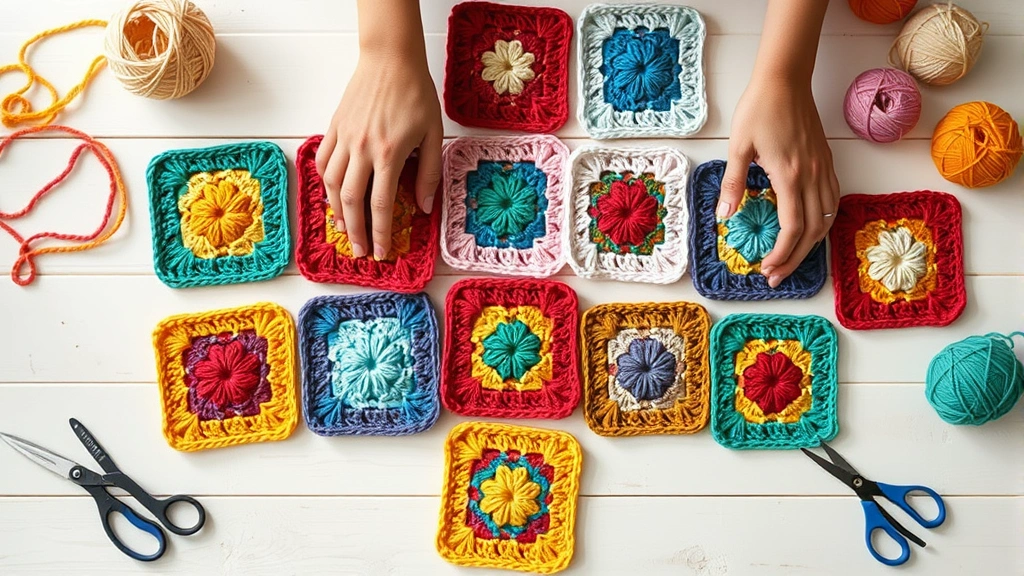
Basic granny squares are another excellent starting point. They teach you how to work in rounds, change colors, and join motifs – all essential blanket skills. Plus, if you mess up one square, you’re only out about 30 minutes of work, not weeks of progress.
Pro tip: Choose a variegated yarn for your first single crochet blanket. The color changes will hide any tension inconsistencies while you’re learning.
Intermediate Challenges
Once you’ve mastered basic stitches and can maintain consistent edges, you’re ready for patterns with more interesting stitch combinations. Corner-to-corner (C2C) blankets are fantastic for this level – they grow quickly and let you practice increases and decreases in a forgiving format.
Ripple afghans teach you about stitch multiples and pattern repeats while creating gorgeous wave effects. The key is starting with a simple ripple pattern before attempting complex colorwork versions. I recommend practicing with a solid color first to understand the stitch pattern mechanics.
Advanced Projects
Advanced patterns often involve complex colorwork, intricate stitch patterns, or challenging construction methods. Think Celtic cables, detailed tapestry crochet, or blankets worked in multiple pieces that require precise assembly.
Temperature blankets fall into this category not because of stitch difficulty, but because of the year-long commitment and color planning required. You’ll need excellent organization skills and the patience to work on something daily for 365 days.
Popular Blanket Types Explained
Each blanket style has its own personality and requirements. Understanding these differences helps you choose patterns that match your preferences and lifestyle.
Granny Square Blankets
The classic never goes out of style for good reason. Granny squares are portable, perfect for using up yarn scraps, and incredibly forgiving. You can make squares during your lunch break, while watching TV, or traveling. When working with cotton yarn, they’re especially suitable for baby blankets since cotton is machine washable and breathable.
Traditional granny squares use double crochet clusters separated by chain spaces, but modern variations include solid squares, flower motifs, and even pictorial designs. The joining process can be done as-you-go or after completing all squares – each method has its advantages.
Corner-to-Corner (C2C)
C2C blankets work up surprisingly fast and create a diagonal fabric that’s perfect for graphgan designs. You start with one stitch in a corner and increase until you reach the desired width, then decrease back to a single stitch. The result is a rectangular blanket with a distinctive diagonal texture.
This technique is excellent for beginners who want to try colorwork without the complexity of traditional tapestry crochet. Each “pixel” is essentially a small square, making it easy to follow graph patterns.
Ripple Afghans
Ripple patterns create beautiful wave effects through strategic increases and decreases. Classic chevron patterns alternate peaks and valleys in regular intervals, while more complex designs might vary the wave heights or incorporate multiple colors.
The math can be tricky initially – ripple patterns require specific stitch multiples to work correctly. But once you understand the basic principle, you can adapt the technique to any width blanket.
Choosing the Right Yarn
Yarn choice can make or break your blanket project. I’ve learned this lesson the hard way more times than I’d like to admit. The gorgeous alpaca yarn that feels like heaven in the skein might pill terribly in a blanket that gets daily use.
Fiber Content Matters
For everyday blankets, acrylic yarn is your friend. Modern acrylics like Lion Brand Heartland or Red Heart Super Saver have come a long way from the scratchy acrylics of the past. They’re machine washable, durable, and budget-friendly for large projects.
Cotton yarns work beautifully for baby blankets and summer throws. They’re breathable, machine washable, and get softer with each wash. However, cotton can be heavier than acrylic and may stretch out of shape over time.
Wool blends offer warmth and elasticity but require more careful maintenance. They’re perfect for decorative throws that won’t see heavy use. When working with chunky yarn, wool blends create incredibly cozy blankets that work up quickly.
Weight and Yardage Planning
Most blanket patterns specify yarn weight, but understanding why helps you make substitutions confidently. Worsted weight (category 4) yarn is the most common choice because it creates good stitch definition while working up at a reasonable pace.
| Yarn Weight | Hook Size | Best Blanket Types | Approximate Yardage (Afghan) |
|---|---|---|---|
| DK (3) | 4.5-5.5mm | Baby blankets, detailed work | 2,000-2,500 yards |
| Worsted (4) | 5.5-6.5mm | Most adult blankets | 1,800-2,200 yards |
| Chunky (5) | 6.5-9mm | Quick throws, bulky afghans | 1,200-1,500 yards |
Always buy extra yarn – I recommend adding 10-15% to pattern requirements. Dye lots can vary significantly, and running out of yarn three-quarters through your project is heartbreaking.
Blanket Sizes and Measurements
Understanding standard blanket dimensions helps you choose appropriate patterns and calculate yarn needs accurately. These measurements aren’t set in stone, but they provide helpful guidelines.
Standard Blanket Dimensions
Baby blankets typically measure 30″ x 36″ to 36″ x 45″. This size is practical for swaddling, stroller use, and crib decoration. Larger baby blankets (45″ x 60″) work well as toddler blankets and grow with the child.
Throw blankets range from 45″ x 60″ to 50″ x 65″. These are perfect for couch snuggling and add decorative appeal to living spaces. They’re also manageable projects that don’t require massive yarn investments.
Afghan or lap blankets usually measure 50″ x 65″ to 60″ x 80″. These provide good coverage for adults and work well as bed toppers or reading blankets.
Adjusting Pattern Sizes
Most patterns can be adjusted for different sizes, but the method depends on the construction. For rectangular blankets worked in rows, simply work more or fewer rows for length and adjust your foundation chain for width.
Granny square blankets offer easy size adjustment – just make more squares or arrange them differently. A 6×8 square arrangement creates a different proportion than 7×7, even with the same number of squares.
Remember that changing blanket dimensions affects yarn requirements significantly. A throw that’s 10 inches wider and longer might need 30-40% more yarn.
Time and Cost Estimates
Let’s talk reality. That gorgeous king-size afghan might look amazing, but are you prepared for the 200+ hour commitment? I’ve seen too many beautiful patterns abandoned because crocheters underestimated the time investment.
Realistic Time Expectations
Baby blankets typically require 20-40 hours of work, depending on complexity and your crochet speed. Simple single crochet rectangles work up faster than intricate lace patterns or detailed colorwork.
Throw blankets usually take 40-80 hours. This might span several months for casual crocheters or a few weeks for dedicated crafters. Factor in your actual available crafting time – if you only crochet on weekends, that throw might take six months to complete.
Full-size afghans can require 100+ hours. These are marathon projects that need sustained motivation. Consider breaking them into smaller goals or choosing modular patterns where you can celebrate completing individual sections.
Budget Considerations
Yarn costs vary dramatically based on fiber content and brand. A baby blanket in acrylic yarn might cost $15-30, while the same project in premium wool could run $80-120. When learning how to read crochet patterns, you’ll better understand yarn requirements and can budget accordingly.
Don’t forget additional supplies: hooks (if you don’t have the right size), stitch markers, scissors, and possibly blocking materials. These costs add up, especially for your first few projects.
Common Problems and Solutions
Every crocheter faces challenges, especially on large projects like blankets. Here are the issues I see most often and practical solutions that actually work.
Tension Problems
Inconsistent tension creates wonky edges and uneven fabric. This is especially noticeable in blankets because of the large surface area. The solution isn’t just “practice more” – though that helps.
Try using a hook one size smaller than recommended if your work is too loose, or one size larger if it’s too tight. Pay attention to your grip on both the hook and yarn. Many crocheters unconsciously tighten up when they’re tired or stressed.
For granny square blankets, inconsistent square sizes are usually tension-related. Make a few practice squares and measure them before starting your full project. All squares should measure the same when blocked.
Edge Issues
Wavy or tight edges plague many blanket makers. Wavy edges usually indicate too many stitches, while tight edges suggest too few stitches or overly tight tension.
Count your stitches regularly, especially in the first few rows. It’s much easier to fix mistakes early than to rip out 20 rows of work. When working with single crochet techniques, maintaining consistent stitch counts is crucial for straight edges.
For ripple patterns, edge problems often stem from incorrect stitch counts in the pattern repeat. Double-check your foundation chain math before proceeding.
Color Changes and Yarn Joins
Running out of yarn mid-project or dealing with color changes can be stressful. Plan your color changes at the end of rows when possible – it creates cleaner transitions and easier weaving in of ends.
When joining new yarn, leave 6-inch tails for weaving in later. Russian joins work well for same-color transitions in wool yarns, while magic knots are controversial but practical for acrylic yarns that don’t felt.
Where to Find Great Patterns
The internet has revolutionized pattern access, but quality varies widely. Here’s where I consistently find reliable, well-written blanket patterns.
Free Pattern Sources
Ravelry remains the gold standard for crochet patterns. The advanced search features let you filter by skill level, yarn weight, and yardage requirements. User reviews and project photos show how patterns work up in real life.
Yarn manufacturer websites offer excellent free patterns designed specifically for their yarns. Yarnspirations (Bernat, Caron, Red Heart) and Lion Brand both have extensive blanket pattern libraries.
Many independent designers offer free patterns on their blogs as a way to showcase their design skills. These often feature unique techniques or modern aesthetics you won’t find elsewhere.
Paid Patterns
Paid patterns typically offer better instructions, professional photography, and designer support. Expect to pay $3-8 for most blanket patterns, with complex designs commanding higher prices.
When purchasing patterns, read reviews carefully and check the designer’s reputation. Well-established designers usually provide better customer service if you encounter problems.
Before buying any pattern, check if it includes the information you need: yarn requirements, finished dimensions, skill level, and clear stitch explanations.
Pattern Testing Opportunities
Many designers seek pattern testers before releasing new designs. This gives you access to new patterns for free in exchange for feedback and finished project photos. It’s a great way to try advanced techniques with designer support.
Pattern testing requires commitment – you’ll need to complete the project within a specified timeframe and provide constructive feedback. But it’s an excellent way to expand your skills and build relationships in the crochet community.
Common Questions
How much yarn do I need for a throw blanket?
A typical throw blanket (50″ x 60″) requires 1,800-2,200 yards of worsted weight yarn. This varies based on stitch pattern density and your personal tension. Always buy 10-15% extra to account for gauge differences and potential mistakes. Lacy patterns use less yarn, while dense stitch patterns like moss stitch require more.
What’s the easiest blanket pattern for beginners?
Single crochet rectangles are the most beginner-friendly option. They use only basic stitches, work up in straight rows, and help you practice consistent tension. Choose a solid color or variegated yarn to hide minor imperfections. Expect to spend 25-35 hours on a baby blanket using this method.
Should I use acrylic or cotton yarn for blankets?
Acrylic yarn is better for everyday blankets due to its durability, machine washability, and warmth. Cotton works well for baby blankets and summer throws because it’s breathable and gets softer with washing. Avoid cotton for heavy blankets as it can stretch out of shape over time. For decorative throws, wool blends offer luxury but require careful maintenance.
How do I keep my blanket edges straight?
Count stitches in each row, especially the first few rows. Mark your first and last stitches with removable markers if needed. Don’t skip the turning chain – it counts as a stitch in most patterns. If edges are wavy, you’re adding stitches; if they’re pulling in, you’re missing stitches or crocheting too tightly.
Can I modify blanket patterns to different sizes?
Most patterns can be adjusted, but the method depends on construction. For row-by-row blankets, add or subtract rows for length and adjust the foundation chain for width. Granny square blankets are easily modified by making more squares or changing the arrangement. Always recalculate yarn requirements when changing dimensions.
How long does it take to crochet a blanket?
Time varies dramatically based on size, complexity, and your crochet speed. Baby blankets typically take 20-40 hours, throws require 40-80 hours, and full afghans can take 100+ hours. Most casual crocheters work 1-3 hours per session, so a throw might take 2-4 months to complete. Complex colorwork or intricate stitch patterns add significant time.
What hook size should I use for blanket yarn?
Follow the yarn label recommendations as a starting point, then adjust based on your tension and desired fabric. Most worsted weight blanket yarns work well with 5.5-6.5mm (I-K) hooks. Use a smaller hook for tighter, warmer fabric or a larger hook for drapier, more flexible blankets. Always make a gauge swatch first.
How do I join granny squares together?
Popular joining methods include whip stitch, single crochet seams, and join-as-you-go techniques. Whip stitch creates flat seams but shows on the right side. Single crochet joins are sturdy and can become decorative elements. Join-as-you-go methods eliminate separate seaming but require careful planning. Choose based on your desired finished appearance and skill level.
Final Thoughts
Choosing the right crochet blanket pattern is like finding the perfect recipe – it should match your skill level, available time, and personal style while being enjoyable to make. Don’t let Pinterest perfectionism pressure you into overly ambitious projects that’ll end up in your UFO (unfinished object) pile.
Start with patterns that excite you but don’t overwhelm you. There’s no shame in making simple blankets beautifully rather than attempting complex designs poorly. Every experienced crocheter has a collection of basic rectangles in their past, and many of those simple blankets are the ones that get the most love and use.
Remember that blanket-making is a marathon, not a sprint. Choose patterns you’ll enjoy working on for weeks or months, not just ones that look pretty in photos. The best blanket pattern is the one you’ll actually finish and be proud to use or gift. Happy crocheting!