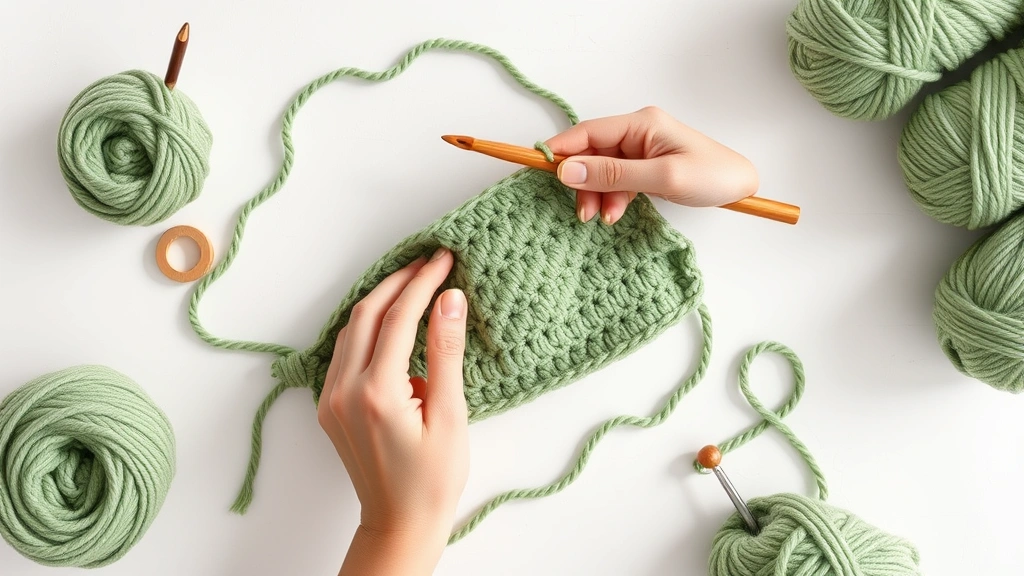
I still remember the first time I tried to make a crochet blanket – I was so excited to start that I grabbed whatever yarn was on sale and dove right in. Three weeks later, I had a wonky, uneven mess that looked more like abstract art than something you’d want to snuggle under. If only I’d known then what I know now about choosing the right materials and techniques for blanket making.
Making a crochet blanket isn’t just about picking a pretty pattern and hoping for the best. There’s actually quite a bit of strategy involved in creating something that’s both beautiful and functional. The yarn you choose, the stitch pattern you select, and even how you plan your colors can make the difference between a blanket that becomes a family heirloom and one that ends up shoved in a closet.
Over the years, I’ve made dozens of blankets – some that turned out amazing, others that taught me valuable lessons the hard way. I’ve learned which yarns hold up to washing, which stitches create the coziest texture, and how to plan a project so you don’t run out of steam (or yarn) halfway through. Whether you’re making your first baby blanket or tackling an ambitious king-size throw, getting the basics right from the start will save you time, money, and a lot of frustration.
Quick Answer
The best crochet blankets use worsted weight acrylic or cotton yarn with simple, repetitive stitches like single crochet, double crochet, or granny squares. Plan for 1,500-3,000 yards depending on size, and always make a gauge swatch first to ensure proper dimensions.
Choosing the Right Yarn for Your Blanket
Let’s be honest – yarn choice can make or break your blanket project. I learned this the hard way when I made a beautiful lacy throw using a gorgeous alpaca blend that cost me nearly $200. It looked stunning until the first wash, when it felted into something resembling a doormat. Now I’m much more strategic about my yarn choices.
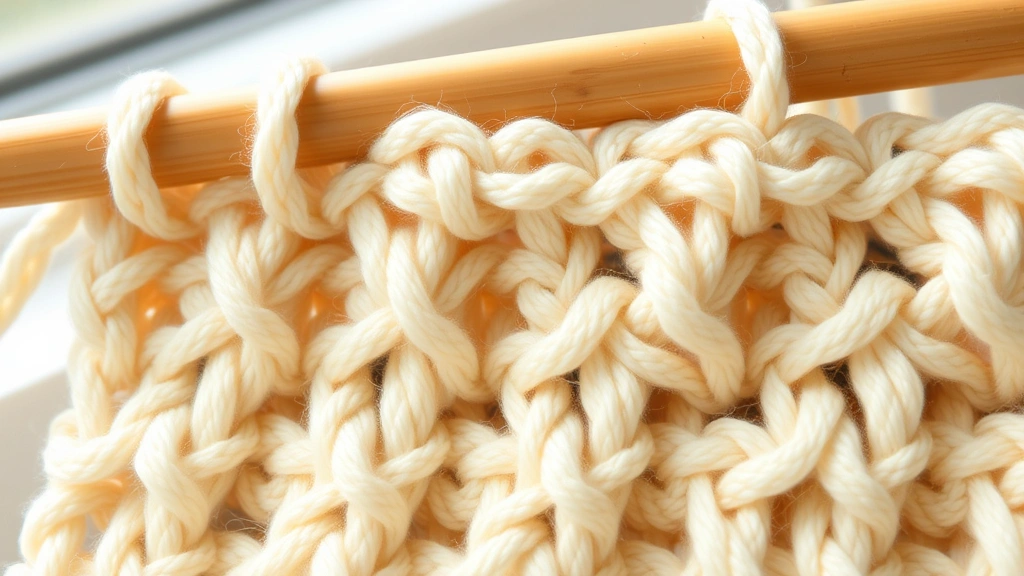
For most blankets, worsted weight yarn (weight 4) is your best friend. It works up relatively quickly, gives good stitch definition, and is available in every color imaginable. If you’re new to understanding yarn weights, worsted is the most forgiving and versatile option.
Acrylic yarn gets a bad rap sometimes, but modern acrylics are incredibly soft and durable. Brands like Lion Brand Heartland and Red Heart Super Saver have come a long way. They’re machine washable, affordable, and perfect for everyday blankets that’ll see lots of use. I use acrylic for most of my family blankets because they can handle kids, pets, and frequent washing without losing their shape.
Cotton yarn is fantastic for baby blankets and summer throws. It’s breathable, naturally hypoallergenic, and gets softer with each wash. Brands like Lily Sugar ‘n Cream or Lion Brand 24/7 Cotton are reliable choices. Just keep in mind that cotton blankets tend to be heavier than acrylic ones.
Pro tip: Always buy an extra skein or two of each color. Dye lots can vary significantly, and nothing’s worse than running out of yarn when you’re 80% done with your project.
For special occasion blankets, you might consider wool blends. They’re warm, naturally flame-resistant, and have beautiful drape. However, they require more careful washing and are typically more expensive. Save wool for heirloom pieces or gifts for adults who’ll appreciate the extra care required.
Yarn Amount Planning
Here’s a rough guide for yarn quantities based on blanket size:
| Blanket Size | Approximate Yardage | Skeins (worsted weight) |
|---|---|---|
| Baby (30″ x 36″) | 1,200-1,500 yards | 4-5 skeins |
| Throw (50″ x 60″) | 2,000-2,500 yards | 7-9 skeins |
| Afghan (60″ x 80″) | 3,000-3,500 yards | 10-12 skeins |
| King Size (90″ x 108″) | 5,000+ yards | 18+ skeins |
Sizing and Planning Your Project
Before you cast on that first chain, take some time to plan your blanket dimensions. I can’t tell you how many times I’ve seen beautiful blankets that ended up being awkward sizes – too small to be useful or so large they’re unwieldy.
Standard blanket sizes have evolved for good reasons. A baby blanket around 30″ x 36″ is perfect for swaddling and stroller use. Throw blankets at 50″ x 60″ work well for couching and single-person snuggling. Full-size blankets (80″ x 90″) fit standard beds with some overhang.
The key to getting your dimensions right is making a gauge swatch. Yes, I know it’s tempting to skip this step, but trust me on this one. Make a 6″ x 6″ square using your chosen yarn and hook, then measure how many stitches and rows you get per inch. This isn’t just about getting the right size – it also helps you get comfortable with your yarn and stitch pattern before committing to the full project.
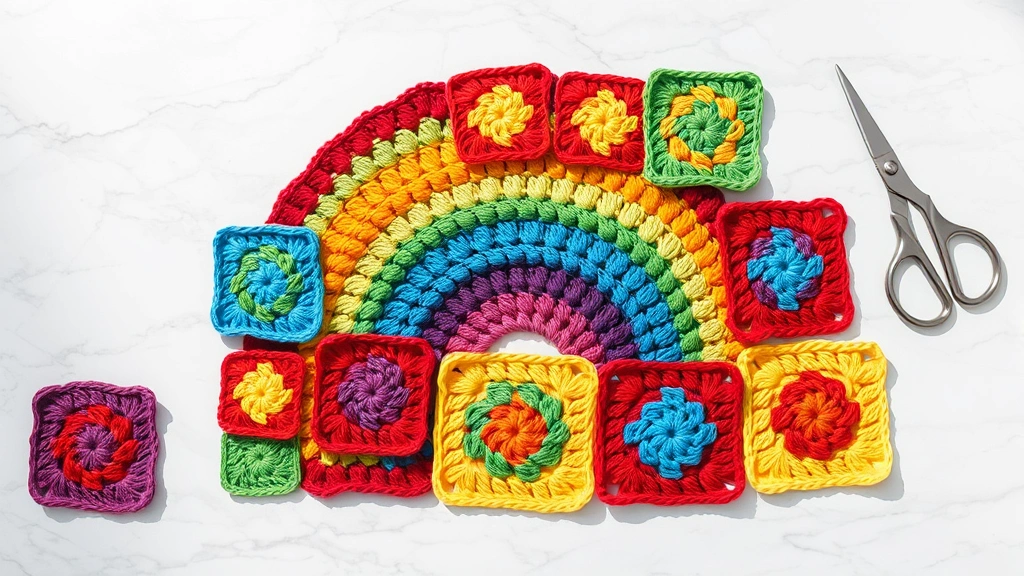
If you’re working with granny square patterns, plan your layout on paper first. Decide how many squares you need for your desired dimensions, and consider whether you want a solid border or just joining squares edge-to-edge. I like to make a few extra squares – they’re perfect for testing washing methods or making matching pillows later.
For continuous blankets (worked in rows or rounds), consider your starting chain length carefully. It’s much easier to adjust the length of your blanket than the width, so get that foundation chain right. Count your stitches multiple times – I’ve learned this lesson the hard way more than once.
Best Stitch Patterns for Blankets
Not all stitches are created equal when it comes to blanket making. Some create beautiful texture but eat yarn like crazy. Others work up quickly but can look boring over large areas. After making countless blankets, I’ve identified the stitches that give you the best combination of beauty, efficiency, and durability.
Single crochet might seem basic, but it creates a dense, warm fabric that’s perfect for baby blankets and throws that need to hold up to heavy use. It uses less yarn than taller stitches and creates a sturdy fabric that won’t snag easily. The downside? It takes forever to work up large pieces. I use single crochet for smaller projects or when I want maximum warmth and durability.
Double crochet is the sweet spot for most blanket projects. It works up much faster than single crochet, uses a reasonable amount of yarn, and creates a nice drape. The fabric has some stretch but isn’t too loose. Most of my everyday blankets use double crochet as the foundation stitch, often with simple variations like alternating colors or adding texture rows.
The granny stitch (not to be confused with granny squares) creates a beautiful, lacy fabric that works up quickly and uses yarn efficiently. It’s essentially clusters of double crochets separated by chain spaces. This stitch is forgiving of tension variations and creates natural color-changing opportunities if you want to work with multiple colors.
For those interested in cable crochet techniques, consider incorporating cable panels into an otherwise simple blanket. A few cable columns down the center of a double crochet blanket can add sophisticated texture without making the entire project overwhelming.
Stitch Patterns to Avoid for Blankets
Some stitches, while beautiful in smaller projects, can be problematic for blankets. Very lacy patterns can snag easily and may not provide enough warmth. Extremely textured stitches like popcorns or bobbles can be uncomfortable to snuggle under and difficult to wash. Complex colorwork patterns can be stunning but require constant attention – not great for a long-term project you want to work on while watching TV.
Color Planning and Yarn Management
Color planning is where many blanket projects go from “nice” to “wow.” But it’s also where things can go spectacularly wrong if you don’t think it through. I once started a rainbow blanket without planning the color progression and ended up with something that looked like a unicorn exploded.
For your first blanket, I recommend starting with a monochromatic scheme – different shades of the same color family. It’s virtually impossible to mess up and always looks sophisticated. Choose three to five shades from light to dark and alternate them in stripes, or use the darkest shade for borders with lighter shades in the center.
Two-color combinations are classic for a reason. Navy and white, gray and cream, or any color paired with white creates a clean, timeless look. The key is choosing colors with enough contrast that your stitch definition shows clearly. When working with color theory in crochet, remember that high contrast creates visual interest while similar tones create calm, cohesive looks.
Before committing to a color scheme, make a small sample square with your chosen colors. What looks good in the skein might not work well when crocheted, especially with textured stitches.
If you want to work with multiple colors, plan your yarn management strategy. Carrying multiple yarns can create tangles and tension issues. For striped patterns, cut yarns and weave in ends rather than carrying colors up the side – it creates a neater finish and prevents pulling.
Consider the practical aspects of your color choices too. Light colors show dirt and stains more easily but feel fresh and airy. Dark colors hide wear but can show pet hair and lint. Medium tones and heathered yarns are the most forgiving for everyday use.
Construction Methods and Techniques
How you construct your blanket affects everything from how long it takes to how the finished piece looks and feels. There are several approaches, each with its own advantages and challenges.
Working in rows is the most straightforward method. You make a foundation chain the width of your blanket and work back and forth in rows until you reach the desired length. This method works well for simple stitch patterns and striped designs. The main challenge is keeping your edges straight – it’s easy to accidentally increase or decrease stitches at the ends of rows.
To keep your edges neat, always count your stitches at the end of each row for the first few rows until you establish a rhythm. Use stitch markers to mark the first and last stitches of each row if you’re having trouble with edges.
Working in rounds creates blankets without seams and can be great for certain designs. You start from the center and work outward in ever-increasing rounds. This method works beautifully for granny square-style blankets or mandala designs. The challenge is keeping your increases even so the blanket lies flat.
The motif method involves making individual squares, hexagons, or other shapes and joining them together. This approach is perfect for using up scrap yarn, working on the go, or when you want to incorporate multiple stitch patterns. Understanding different joining techniques is crucial for this method – some create visible seams while others blend seamlessly.
Granny squares are the most popular motif choice, but don’t overlook other options. Hexagons create interesting geometric patterns, and rectangular motifs can be easier to plan for specific blanket dimensions.
Managing Large Projects
Blankets are big projects, and they can become unwieldy as they grow. Here are some strategies I’ve developed for managing large pieces:
- Use a project bag that can contain your entire work. Nothing’s worse than your blanket dragging on the floor as you crochet.
- Work in sections when possible. Even with continuous construction, you can focus on completing specific areas before moving on.
- Take breaks to stretch and check your work. It’s easy to develop repetitive strain when working on large projects for hours.
- Keep a project journal noting your row counts, color changes, and any modifications you make. Trust me, you won’t remember these details weeks into the project.
Finishing and Caring for Your Blanket
The difference between a homemade-looking blanket and a professional-looking one often comes down to the finishing details. These final steps can make or break your project, so don’t rush through them just because you’re excited to be done.
Weaving in ends is probably the least fun part of blanket making, but it’s crucial for durability. I use the “weave through several stitches, change direction, weave through several more” method for security. For blankets that will be washed frequently, I also add a tiny drop of fabric glue to particularly important ends, like where color changes occur.
A border can transform your blanket from good to gorgeous. Even a simple single crochet border worked in a contrasting color can frame your work beautifully. For more elaborate borders, consider shell stitches, picot edges, or geometric patterns. Just remember that the border should complement, not compete with, your main blanket design.
When adding a border, work corner increases carefully. Most borders need 3 stitches in each corner to lie flat and create neat 90-degree angles.
Before you declare your blanket finished, block it. Even acrylic blankets benefit from light blocking to even out stitches and set the shape. For natural fibers, blocking is essential. Lay your blanket flat on a large surface (I use my guest bed), mist lightly with water, and gently stretch to the desired dimensions. Pin if necessary and let dry completely.
Washing and Care Instructions
How you care for your blanket depends entirely on your yarn choice. Always keep the yarn labels – they contain crucial care information. For acrylic blankets, machine washing in cool water and tumble drying on low heat usually works well. Add fabric softener to keep the yarn feeling soft.
Cotton blankets can typically handle regular machine washing but may shrink slightly in the dryer. I prefer to air dry cotton blankets to maintain their size and shape. Wool blends need gentle handling – hand washing or the delicate cycle with wool-specific detergent.
When learning about proper yarn care, remember that proper washing extends the life of your handmade items significantly. A well-cared-for crochet blanket can last for decades.
Troubleshooting Common Problems
Even experienced crocheters run into issues with blanket projects. Here are the most common problems I see and how to fix them before they become project-killers.
Uneven edges are probably the most common issue. If your blanket is getting wider or narrower as you work, you’re likely adding or dropping stitches at the row ends. Count your stitches frequently and use stitch markers to mark your first and last stitches. If you notice the problem early, it’s usually easy to rip back a few rows and fix it.
Tension variations can create a wavy or puckered appearance. This often happens when you take breaks from your project and come back with different tension. Try to maintain consistent hand position and yarn hold. If your tension changes significantly, consider ripping back to a natural break point like a color change.
Running out of yarn in a specific dye lot is a nightmare scenario. This is why I always buy extra – yarn stores don’t always keep the same dye lots in stock. If you do run out, try to use the new dye lot in a less noticeable area, like the back of the blanket or in a border where the color variation might look intentional.
Curling edges in blankets worked in rounds usually indicate incorrect increase rates. If your blanket is cupping (edges turning up), you need more increases. If it’s ruffling (edges wavy), you have too many increases. This is easier to fix early in the project than after you’ve worked dozens of rounds.
When working with common stitch problems, remember that prevention is always easier than correction. Taking time to check your work every few rows can save hours of ripping out later.
Common Questions
How long does it take to crochet a blanket?
A throw-size blanket typically takes 40-80 hours depending on your speed, stitch choice, and complexity. Simple double crochet blankets work up faster than intricate patterns. Baby blankets usually take 15-30 hours, while king-size blankets can take 100+ hours. Working 2-3 hours per day, expect 3-6 weeks for a throw blanket.
What’s the easiest blanket pattern for beginners?
Start with a simple double crochet rectangle in a single color or basic stripes. This lets you focus on maintaining consistent tension and even edges without worrying about complex stitch patterns. Granny square blankets are also beginner-friendly since you can practice on small squares before committing to a large project.
How much yarn do I need for a baby blanket?
For a standard 30″ x 36″ baby blanket using worsted weight yarn, you’ll need approximately 1,200-1,500 yards. This equals about 4-5 skeins of most worsted weight yarns. Always buy one extra skein to account for gauge differences and potential mistakes. Simple stitches use less yarn than complex textured patterns.
Should I use acrylic or cotton yarn for blankets?
Both have advantages. Acrylic is lightweight, warm, affordable, and machine washable – perfect for everyday blankets and gifts. Cotton is breathable, naturally hypoallergenic, and gets softer with washing – ideal for baby blankets and summer throws. Choose based on the blanket’s intended use and care requirements.
How do I keep my blanket edges straight?
Count your stitches at the end of each row, especially for the first 10-15 rows until you establish a rhythm. Use stitch markers to mark your first and last stitches. Make sure you’re working into the correct stitches at row ends – this is where most increases and decreases happen accidentally. The turning chain usually doesn’t count as a stitch.
Can I make a blanket without a pattern?
Absolutely! Simple blankets like single or double crochet rectangles don’t need patterns. Just chain your desired width, work in rows until you reach the desired length, and add a border if wanted. Keep notes of your stitch counts and any modifications for future reference.
What hook size should I use for blanket yarn?
For worsted weight yarn (the most common blanket yarn), start with a size H/8 (5mm) or I/9 (5.5mm) hook. Check your yarn label for recommended hook sizes, then make a gauge swatch to see if you like the fabric density. You might prefer a looser or tighter fabric than the standard recommendation.
How do I fix holes in my blanket?
Small holes usually indicate dropped stitches or incorrect stitch placement. If caught early, you can often fix them by carefully pulling out a few stitches and reworking that section. For larger issues, you might need to rip back to the beginning of the problem row. This is why checking your work frequently is so important.
Wrapping Up Your Blanket Journey
Making your first crochet blanket is both exciting and intimidating, but remember that every expert started exactly where you are now. The key is choosing a project that matches your current skill level and being patient with yourself as you learn. Don’t aim for perfection on your first try – aim for completion and the satisfaction of creating something beautiful and functional with your own hands.
The techniques and tips I’ve shared here come from years of making blankets, including plenty of mistakes along the way. Each project teaches you something new, whether it’s about yarn behavior, color combinations, or your own preferences as a crocheter. Embrace the learning process and don’t be afraid to experiment once you’ve mastered the basics.
Most importantly, enjoy the journey. There’s something deeply satisfying about the rhythmic motion of crochet, watching your blanket grow row by row, and knowing that you’re creating something that will bring warmth and comfort for years to come. Whether you’re making a simple baby blanket for a new arrival or an elaborate afghan for your own home, you’re participating in a tradition that spans generations of crafters who understood the joy of making something beautiful with their hands.
So grab your hook, choose your yarn, and start that first chain. Your future self – and anyone lucky enough to snuggle under your finished blanket – will thank you for it.