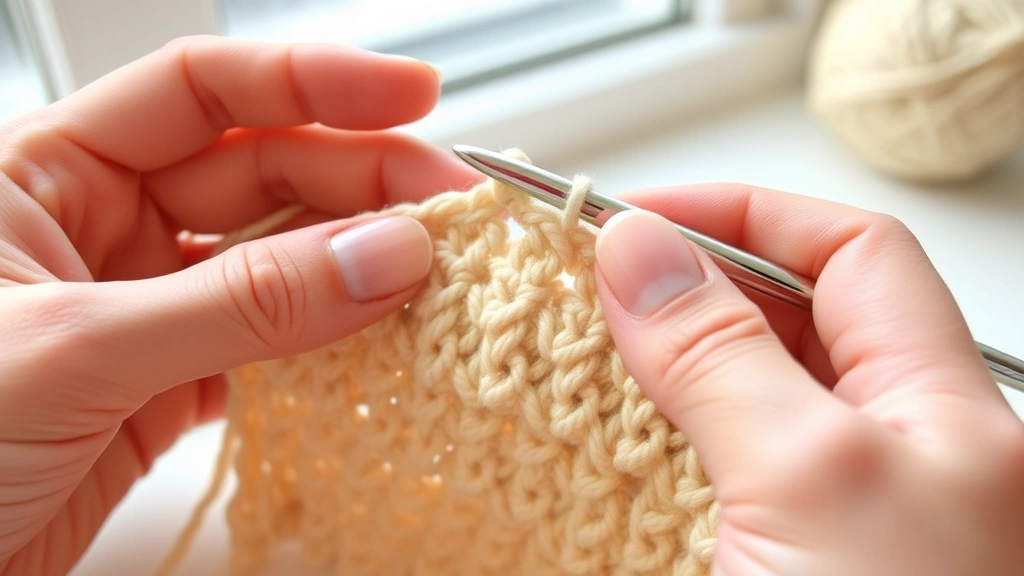
Last week, I was helping my neighbor learn to crochet, and she kept asking me the same question every few minutes: “How tight should this be?” It’s honestly one of the most common struggles I see with new crocheters, and I totally get why it’s confusing. Your tension affects everything – how your project looks, how much yarn you use, whether your stitches are even, and if your finished piece will actually fit properly.
Here’s the thing though: there’s no magic “perfect” tension that works for everyone. Your hands are different from mine, you might hold your hook differently, and you’re probably working with different yarn. But what I can teach you is how to find YOUR perfect tension and keep it consistent throughout your projects.
I’ve been crocheting for over fifteen years, and I still check my tension regularly. It’s not something you master once and forget about – it’s an ongoing relationship with your yarn and hook. Some days I’m more relaxed and my stitches get looser. Other days I’m stressed and grip everything too tightly. Learning to recognize and adjust for these changes has made me a much better crocheter.
Quick Answer
Good crochet tension allows your hook to slide easily through stitches while keeping them neat and even. Your stitches shouldn’t be so tight you can’t insert your hook, or so loose they look sloppy and have gaps.
What Is Crochet Tension?
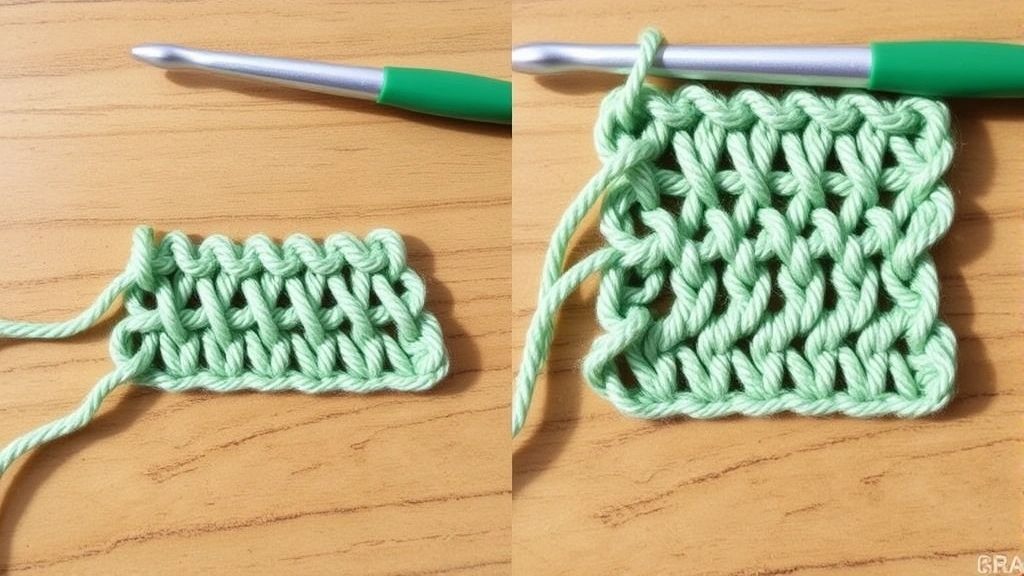
Crochet tension is basically how tightly or loosely you pull your yarn as you work. It controls the size and shape of your stitches, which directly affects your gauge – that’s how many stitches and rows you get per inch. When patterns give you gauge information (like “18 sc and 20 rows = 4 inches”), they’re assuming you’ll match their tension.
Think of tension as the Goldilocks principle in action. Too tight, and your hook fights to get through stitches, your fabric becomes stiff, and you might actually break your yarn. Too loose, and your stitches look uneven with visible gaps, your fabric gets floppy, and your finished project might be way bigger than intended.
Good tension feels smooth and rhythmic. Your hook should glide through stitches without forcing, but the yarn shouldn’t be so loose that stitches slide around. When I’m working with proper tension, I can maintain a steady rhythm without my hand cramping up.
Personal tip: I like to think of good tension as a firm handshake – confident and secure, but not crushing.
The tricky part is that tension isn’t just about how you pull the yarn. It’s influenced by how you hold your hook, where you position your yarn hand, how you wrap the yarn around your fingers, and even your mood. When I’m watching TV and relaxed, my tension tends to loosen up. When I’m focused intently on a complicated pattern, I grip everything tighter.
Signs Your Tension Needs Work
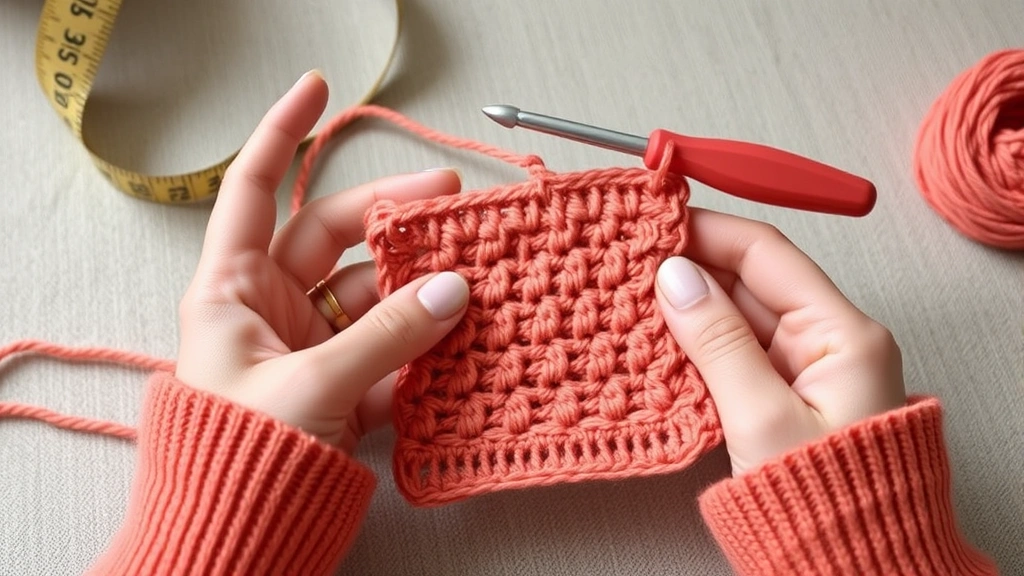
Let me share some telltale signs that your tension needs adjustment, because recognizing the problem is half the battle. I’ve made all these mistakes myself, so don’t feel bad if you’re nodding along.
Too Tight Tension
If your tension is too tight, you’ll notice your hook getting stuck when you try to insert it into stitches. Sometimes you’ll actually hear a little “pop” sound as you force the hook through. Your stitches will look cramped and small, and the fabric will feel stiff and dense.
I once made an entire baby blanket with tension that was way too tight. The poor thing could have doubled as a placemat – it was so stiff you could practically stand it up on its own. Learn from my mistake and check your tension early and often.
Another sign of tight tension is hand fatigue. If your fingers are cramping up after just 20-30 minutes of crocheting, you’re probably gripping too hard. Your yarn hand shouldn’t feel like it’s in a death grip.
Too Loose Tension
Loose tension creates its own set of problems. Your stitches will look uneven and sloppy, with visible gaps between them. The fabric feels limp and stretchy, and your finished project will likely be much larger than the pattern intended.
With loose tension, you might also notice your stitches sliding around on your hook or even falling off completely. It’s frustrating when you’re trying to count stitches and they keep moving around.
I learned this lesson the hard way when I made a hat with loose tension. It looked fine when I tried it on, but after wearing it for an hour, it had stretched so much it kept sliding down over my eyes!
How to Find Your Perfect Tension
Finding your ideal tension is like finding the right seat position in your car – it takes some adjusting, but once you get it right, everything feels natural. Here’s my step-by-step approach that’s helped dozens of my friends get their tension sorted out.
Start with a Gauge Swatch
I know, I know – gauge swatches aren’t fun. But they’re absolutely essential for understanding your tension. Pick a worsted weight yarn and a size H-8 (5mm) hook to start. This combination is forgiving and easy to work with.
Chain 30 stitches, then work in single crochet for about 4 inches. Don’t worry about making it perfect – this is just for learning. As you work, pay attention to how the yarn feels in your hands and how easily your hook moves through the stitches.
- Chain Your Foundation
Make your starting chain with relaxed hands. If you’re gripping your hook like you’re trying to strangle it, consciously loosen up.
- Work Your First Row
Single crochet across, focusing on keeping your movements smooth and even. Don’t rush.
- Check Your Progress
After every few stitches, look at what you’ve made. Are the stitches even? Can you easily see the structure of each stitch?
The Hook Test
Here’s a simple test I use to check if my tension is right: after completing a stitch, I should be able to slide my hook easily through the top loops without forcing it, but there shouldn’t be so much room that I could fit two hooks through.
Try this as you work your gauge swatch. If you’re struggling to get your hook through, loosen up. If there’s enough space for a small truck to drive through your stitches, tighten up a bit.
Yarn holding tip: Most crocheters wrap their yarn around their pinky finger, then over their index finger. Experiment with how tightly you wrap it – this controls your yarn flow and directly affects tension.
Keeping Your Tension Consistent
Consistency is where the real magic happens. It’s one thing to find good tension for a few stitches, but maintaining it throughout an entire project? That’s the real challenge, and it’s what separates okay crochet work from really beautiful pieces.
The key is developing muscle memory through practice. When I first started focusing on consistent tension, I had to consciously think about every single stitch. Now, after years of practice, my hands automatically maintain good tension without me thinking about it.
Establish a Rhythm
Good tension flows from a steady rhythm. Try to make each stitch with the same motion and timing. I like to think of it like dancing – once you find the beat, everything else falls into place. Some crocheters count “yarn over, pull through, yarn over, pull through” to maintain rhythm.
When you’re working on beginner patterns, don’t worry too much about speed. Focus on making each stitch the same size and tension as the last one. Speed will come naturally as your muscle memory develops.
Take Regular Breaks
Fatigue is tension’s biggest enemy. When your hands get tired, you’ll either grip too tightly (trying to maintain control) or get sloppy and loose. I take a 5-minute break every 30-45 minutes, especially when working on detailed projects.
During breaks, I stretch my hands and wrists, maybe grab a cup of tea, and give my eyes a rest too. When I come back to my project, I always do a few practice stitches to re-establish my rhythm before continuing with the actual work.
Fixing Common Tension Problems
Let’s talk about the specific tension problems I see most often and how to fix them. These are real issues that real crocheters face, and I’ve got practical solutions that actually work.
The “Chokehold” Problem
This is when you’re gripping your hook so tightly that your knuckles are white and your hand cramps up quickly. Usually happens when you’re nervous about a new technique or working on something important.
The fix: Consciously relax your grip every few stitches. Your hook should rest comfortably in your hand, not be squeezed to death. Try holding your hook like you’re holding a pencil when you’re casually doodling, not like you’re taking the SATs.
The “Loose Goose” Problem
This is the opposite – your stitches are so loose they look like they’re barely holding together. Often happens when you’re distracted or trying to work too quickly.
The solution is to slow down and pay attention to each stitch. Make sure you’re actually tensioning the yarn with your non-hook hand. The yarn should have slight resistance as you pull it through – it shouldn’t just slide through like water.
Inconsistent Tension Within Projects
This drives me crazy, and it’s super common. Your first few rows look great, then gradually your stitches get tighter (or looser) as you continue. The finished project looks wonky because the tension changed throughout.
Prevention strategy: Every time you sit down to continue a project, work a few practice stitches on a separate piece of yarn to re-establish your tension before jumping back into your actual work.
| Problem | Cause | Solution |
|---|---|---|
| Hand cramping | Gripping too tightly | Relax grip, take breaks |
| Uneven stitches | Inconsistent yarn tension | Focus on steady rhythm |
| Hook getting stuck | Too tight tension | Loosen yarn wrap on fingers |
| Gaps between stitches | Too loose tension | Increase yarn control, slow down |
How Yarn and Hooks Affect Tension
Your yarn and hook choices have a huge impact on tension, and understanding this relationship will make you a much more versatile crocheter. Different materials behave completely differently, even when you’re using the exact same technique.
Yarn Fiber Effects
Cotton yarn tends to be less forgiving than acrylic – it doesn’t stretch much, so tension inconsistencies are more obvious. When I’m working with cotton, I have to be extra careful about maintaining even tension because mistakes really show.
Chunky yarn, on the other hand, is much more forgiving. The thick fibers hide minor tension variations, making it perfect for beginners who are still developing consistent tension.
Wool has some natural stretch and bounce, which can help even out small tension variations. It’s one of my favorite fibers for learning new techniques because it’s so forgiving.
Hook Material Matters
Aluminum hooks tend to be slippery, which can make it easier to maintain consistent tension because the yarn slides smoothly. Plastic hooks have more grip, which some people find helpful for control but others find creates too much friction.
I love my Clover Amour hooks because they have a comfortable grip and just the right amount of smoothness. The investment in good hooks really pays off when you’re working on longer projects.
Pro tip: If you’re struggling with tension on slippery hooks, try hooks with a matte finish or ergonomic grips. They give you more control without requiring a death grip.
Practice Exercises That Actually Help
Okay, let’s get practical. Here are some exercises that will actually improve your tension, not just waste your time and yarn. I use these with students, and they work.
The Consistency Challenge
Make a simple rectangle using only single crochet – about 6 inches wide and 4 inches tall. Use a solid color so you can easily see any tension variations. Your goal is to make every single stitch look identical to its neighbors.
Start with DK weight yarn and an appropriate hook size. Work slowly and deliberately, checking your tension every few stitches. If you notice your tension changing, rip back and start that row over.
The Rhythm Exercise
This one’s about developing muscle memory. Put on a song with a steady beat and try to make one stitch per beat. It sounds silly, but it really helps develop consistent timing, which leads to consistent tension.
I recommend starting with a slower song – maybe 60-80 beats per minute. As you get more comfortable, you can gradually increase the tempo. The goal isn’t speed; it’s developing that steady, rhythmic motion that produces even stitches.
- Choose Your Music
Pick something with a clear, steady beat. I like acoustic songs or classical music for this exercise.
- Start Simple
Work in single crochet, one stitch per beat. Don’t worry about complex stitches yet.
- Focus on Consistency
Every stitch should take the same amount of time and use the same motion. If you get off beat, pause and restart.
The Gauge Ladder
This exercise helps you understand how different tensions affect your gauge. Make five 4-inch squares using the same yarn and hook, but intentionally vary your tension for each square – very tight, tight, normal, loose, and very loose.
Measure each square when you’re done. You’ll be amazed at how much difference tension makes in the final size. This visual really drives home why consistent tension matters for following patterns accurately.
Learning tip: Keep these squares as reference samples. When you’re working on a new project and unsure about your tension, you can compare your work to these samples.
Common Questions
How do I know if my crochet tension is too tight?
Your tension is too tight if you struggle to insert your hook into stitches, your hand cramps quickly, or your finished fabric feels stiff and dense. The yarn should flow smoothly through your fingers, not fight you at every stitch. If you’re hearing little “pop” sounds as you work, definitely loosen up.
Can I fix tension problems in a finished project?
Unfortunately, you can’t really fix major tension issues after the fact. Blocking can help even out minor inconsistencies, but if your tension varied significantly throughout the project, the only real fix is to start over. This is why checking your tension early and often is so important.
Why does my tension change when I switch yarn colors?
Different yarn dyes can slightly change the texture and thickness of yarn, even within the same brand and weight. Also, when you’re excited about a color change or focused on managing multiple yarns, you might unconsciously alter your grip. Take a moment to re-establish your tension whenever you switch colors.
Should beginners worry about perfect tension right away?
Focus on consistency rather than perfection when you’re starting out. It’s better to have consistently slightly-too-tight stitches than wildly varying tension. As you build muscle memory with basic stitches, good tension will develop naturally. Don’t let tension anxiety stop you from enjoying the learning process.
How long does it take to develop consistent tension?
Most people start seeing improvement within a few weeks of regular practice, but developing truly consistent tension can take several months. I still occasionally have tension hiccups after 15+ years of crocheting, especially when I’m tired or trying new techniques. Be patient with yourself – it’s a skill that develops gradually.
Does the way I hold my yarn affect my tension?
Absolutely! How you wrap the yarn around your fingers controls the flow and resistance. Most crocheters wrap around their pinky and over their index finger, but experiment to find what works for you. The key is maintaining consistent yarn control throughout your project.
Why is my tension different with different stitch types?
Complex stitches often require different hand positions and movements, which can affect your natural tension. Double crochet stitches tend to be looser than single crochet because of the extra yarn overs. Practice each new stitch type separately to develop consistent tension for that specific technique.
Can using the wrong hook size fix tension problems?
While changing hook sizes can compensate for tension issues in terms of gauge, it won’t fix the underlying problem of inconsistent stitches. It’s better to work on developing proper tension with the recommended hook size rather than trying to work around tension problems with equipment changes.
Mastering crochet tension isn’t about achieving some impossible standard of perfection – it’s about developing the consistency and control that lets your creativity shine through. Every crocheter I know, including myself, had to work through tension challenges. The difference between frustration and success is usually just patience and practice.
Remember, good tension serves your projects, not the other way around. When your tension is consistent and appropriate for your yarn and pattern, everything else becomes easier. Your stitches look neater, your gauge is more predictable, and you can focus on the fun parts of crocheting instead of fighting with your materials.
Start with simple projects, be patient with yourself, and don’t be afraid to rip back and try again when something doesn’t look right. Every stitch you make is building the muscle memory that will serve you for years to come. Happy crocheting!