Understanding Yarn Weight: Your Complete Guide to Choosing the Right Yarn for Every Crochet Project
Let’s be real—walking into a yarn shop or scrolling through online options can feel absolutely overwhelming. You’ve got your heart set on a specific crochet pattern, but then you’re faced with what feels like a million choices: worsted weight, fingering weight, bulky, lace weight… and that’s just the beginning. It’s totally normal to feel confused about yarn weight, and honestly, picking the right one is one of the most important decisions you’ll make for your project’s success.
Here’s the thing: yarn weight isn’t just about thickness. It’s about how your finished project will look, how long it’ll take to complete, what kind of drape it’ll have, and whether it’ll hold its shape the way you want it to. Get this right, and you’re setting yourself up for a project you’ll absolutely love. Get it wrong, and you might end up with something that doesn’t feel or look quite right—or worse, you’ll abandon it halfway through.
I’ve been crocheting for years, and I’ve learned this lesson the hard way more than once. But the good news? Once you understand the basics of yarn weight, choosing yarn becomes so much easier and more enjoyable. Let’s break this down together.
What Is Yarn Weight and Why It Matters
Yarn weight refers to the thickness of the yarn strand itself. Think of it like this: if you’re buying rope for a project, you’d choose between thin twine and thick rope depending on what you’re building, right? Yarn works exactly the same way. The weight determines how many stitches you’ll need to create a piece of a specific size, how quickly your project will come together, and ultimately what your finished piece will feel and look like when you’re done.
Why does this matter so much? Well, imagine you find a gorgeous crochet cardigan pattern, and it calls for worsted weight yarn. You’ve got this beautiful fingering weight yarn in your stash that’s the perfect color. You think, “I’ll just use this instead.” Sounds reasonable, right? But here’s what happens: you’ll need way more yardage because fingering weight is thinner, the fabric will be denser and less drape-y than intended, and you might end up with a cardigan that fits weirdly or feels stiff instead of the soft, flowy piece the designer envisioned.
On the flip side, if you try to use bulky weight yarn for a delicate lace shawl, you’ll end up with something that looks clunky and loses all that beautiful lace detail. The pattern just won’t work the way it’s supposed to.
This is why understanding yarn weight categories is so important. It’s not just about following rules—it’s about respecting the design and getting results you’ll actually love wearing or gifting.
The Standard Yarn Weight System
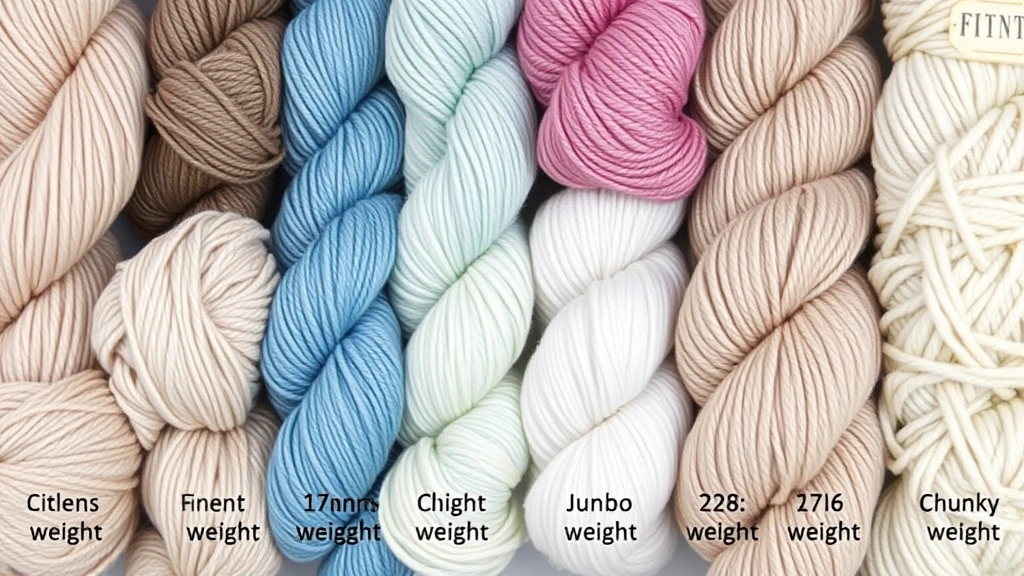
The Craft Yarn Council (a pretty authoritative organization in the fiber arts world) established a standardized yarn weight system to make things easier for everyone. There are seven main categories, numbered 0 through 6, plus a category 7 for specialty yarns. Let me walk you through each one, because knowing these inside and out will make you feel so much more confident when you’re shopping.
Category 0: Lace Weight
This is the thinnest of the thin. We’re talking gossamer, delicate, almost thread-like. Lace weight yarn is typically used for intricate shawls, doilies, and delicate garments that need serious drape and flow. Expect to work with thread-like yarn and tiny hooks—usually US size 000 to 1. Projects take forever, but the results are absolutely stunning. Examples include Ravelry‘s extensive lace pattern collection.
Category 1: Super Fine/Fingering Weight
This is still quite delicate but slightly thicker than lace weight. Fingering weight is perfect for socks, lightweight sweaters, and garments where you want a nice drape without it being see-through. You’re looking at US hooks in the 1-3 range. It takes patience, but you get beautiful, detailed results.
Category 2: Fine/Sport Weight
Now we’re moving into more wearable territory. Sport weight is slightly thicker than fingering and works up a bit faster. It’s fantastic for baby garments, lightweight sweaters, and shawls. US hooks typically range from 3-5. This is my go-to for projects where I want detail but don’t want to spend six months crocheting.
Category 3: Worsted/Aran Weight
This is probably the most common yarn weight you’ll encounter, and honestly, it’s a sweet spot for a lot of crocheters. Worsted weight works up relatively quickly, it’s forgiving (small mistakes are less noticeable), and you get great stitch definition. US hooks are usually 7-9. You’ll find endless patterns for blankets, sweaters, amigurumi, and home décor items in worsted weight.
Category 4: Bulky Weight
This is where projects start moving quickly. Bulky weight creates a thicker, more substantial fabric that’s perfect for cozy blankets, winter hats, scarves, and chunky sweaters. US hooks are typically 9-11. If you’re a beginner or you get frustrated with long projects, bulky weight might be your new best friend because you see results fast.
Category 5: Super Bulky Weight
We’re talking thick, chunky yarn here. Super bulky creates incredibly fast projects—seriously, you can whip up a blanket in a weekend. US hooks are usually 11 and up. The trade-off is that you have less stitch definition, and the fabric can sometimes look a bit bulky (obviously). But if you want instant gratification, this is your category.
Category 6: Jumbo/Roving Weight
This is the thickest yarn you’ll typically encounter. It’s almost like working with rope. Projects come together insanely fast, but they’re pretty limited in scope. Think chunky scarves, thick blankets, and statement pieces. US hooks are 17 and up—sometimes you’re using your fingers instead of a hook.
How to Read Yarn Labels
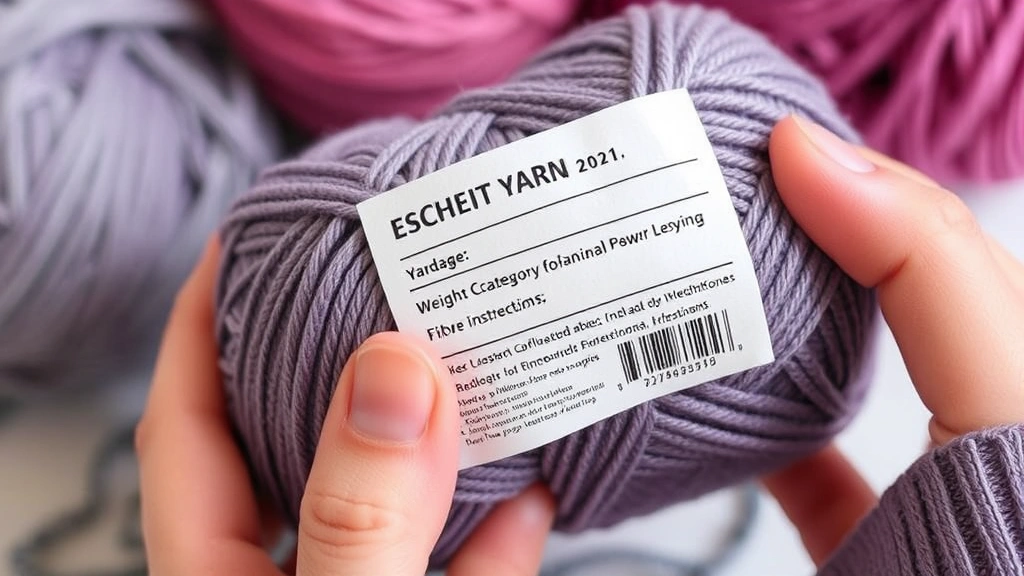
Here’s where theory meets practice. Every skein of yarn should have a label (sometimes called a ball band) that tells you exactly what you need to know. Let me break down what you’re looking for and why it matters.
Weight Category
This is usually listed right at the top or prominently displayed. You’ll see terms like “Worsted Weight” or a number like “4” that corresponds to the categories I just explained. This is your first checkpoint—does this match what your pattern calls for?
Yardage and Weight
You’ll see something like “220 yards / 100 grams” or “190 meters / 50 grams.” This tells you how much yarn you’re actually getting. This is crucial because patterns are written for a specific yardage, not a specific number of skeins. Two different brands might both sell “worsted weight,” but one skein from Brand A might be 220 yards while Brand B is only 180 yards. If you need 1000 yards total and you grab skeins based on quantity rather than yardage, you could end up short.
Fiber Content
This tells you what the yarn is made from—wool, acrylic, cotton, a blend, etc. This matters because it affects how your project feels, how it drapes, how you should care for it, and sometimes even how it crochets. Yarn weight and project outcomes are interconnected with fiber content in ways that really impact your finished piece.
Care Instructions
Is it machine washable? Hand wash only? Can you tumble dry it? This matters way more than people think. If you’re making a baby blanket and the yarn requires dry cleaning, that’s a problem.
Recommended Hook Size
This is your starting point. Yarn companies test their products and recommend a hook size range. This isn’t law—you can absolutely go up or down a size if you want a different fabric texture—but it’s a good baseline.
Dye Lot
If you’re buying multiple skeins, try to get them all from the same dye lot if possible. Different dye lots can have slightly different colors, and you might notice the difference in your finished project.
Matching Yarn Weight to Your Pattern
Okay, so you’ve found a pattern you’re obsessed with. The first thing you need to do is look at what yarn weight the pattern calls for. This is usually listed right in the pattern summary. Once you know what weight you need, you can start thinking about which specific yarn to use.
Here’s my pro tip: don’t just grab any yarn in that weight category. Actually read the pattern’s yarn requirements. Some patterns call for a specific yardage or even specific yarn properties. A lacy shawl pattern might call for “worsted weight with good stitch definition,” which means you want a yarn that’s not too fuzzy or splitty. A chunky baby blanket might call for “bulky weight, washable,” because it needs to be practical.
When you’re ready to substitute yarn weights, you need to do some math. Here’s the formula: (Yards needed ÷ Yards per skein of original yarn) × Yards per skein of substitute yarn = Yards you need to purchase. If the number comes out higher, you need more yardage. If it’s lower, you might be okay with less.
But here’s the thing—yardage isn’t the only consideration. If you’re substituting a different weight, your finished project might look different. The drape will be different. The stitch definition will be different. Sometimes that’s totally fine and even desirable. Sometimes it means your project won’t work the way you envisioned.
Common Mistakes and How to Avoid Them
Let me share some of the mistakes I see crocheters make all the time, because learning from other people’s experiences is so much better than learning from your own disasters.
Mistake #1: Confusing Yarn Weight with Yarn Thickness
They’re related but not the same thing. A yarn might be labeled as worsted weight but be very stretchy and fluffy, while another worsted weight yarn is dense and compact. The weight category is about the standard yardage per weight, not about how the yarn actually feels or looks. This is why you can’t just eyeball two skeins and assume they’re comparable.
Mistake #2: Ignoring the Recommended Hook Size
I get it—sometimes you want a tighter or looser fabric. That’s fine! But if you’re way outside the recommended range, you might end up with something that doesn’t work. Going too small creates a stiff, dense fabric that’s hard on your hands. Going too large creates something that looks floppy and loses stitch definition.
Mistake #3: Not Checking Total Yardage
This is huge. You’ll see people grab three skeins of yarn thinking they have enough, without actually adding up the yardage. Then they get three-quarters through their project and run out. Always, always calculate the total yardage you need and make sure you’re buying enough.
Mistake #4: Substituting Weight Too Drastically
Switching from worsted to fingering weight might seem like no big deal, but it actually is. You’ll need way more yardage, the fabric will be different, and the project might look completely different than the original design. If you’re going to substitute, stay within one or two weight categories of the original.
Mistake #5: Not Considering Fiber Content
Using acrylic when the pattern calls for wool, or vice versa, changes everything. The drape is different, the stretch is different, the care is different. Sometimes it works out great. Sometimes it doesn’t. If you’re substituting fiber, be intentional about it and understand how it might affect your project.
Tips for Substituting Yarn Weights
Real talk: sometimes you want to use yarn that’s not exactly what the pattern calls for. Maybe you found a yarn you love in a different weight. Maybe you’re trying to use up stash yarn. Maybe the original yarn is discontinued or too expensive. I totally get it. Here’s how to make substitutions work.
Do the Math First
As I mentioned before, calculate how much yardage you actually need. If you’re going up or down in weight, you’ll need more or less yarn respectively. Fingering weight has roughly twice the yardage per weight of worsted weight, so if you’re switching from worsted to fingering, you’ll need about twice as much yardage.
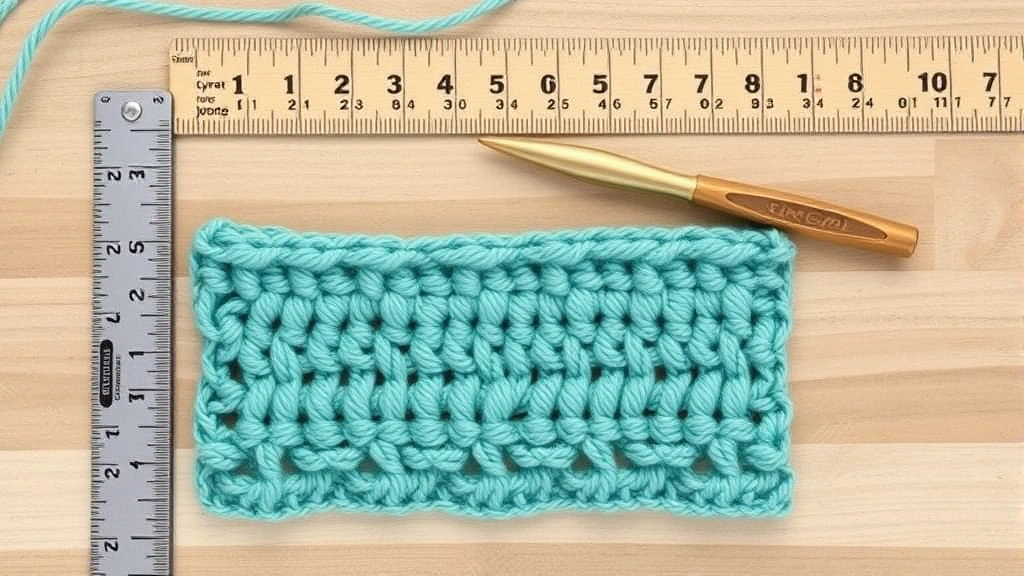
Swatch Before You Commit
This is non-negotiable. Crochet a small swatch with your substitute yarn using the recommended hook size, measure it, and count your stitches. Compare it to what the pattern should produce. If it’s significantly different, you might need to adjust your hook size or reconsider your substitution. A swatch takes 15 minutes and could save you from wasting days of work.
Understand How It’ll Change Your Project
Going from worsted to bulky weight will make your project come together faster, but it’ll also look chunkier. Going from bulky to fingering weight will make it more delicate and drape-y, but it’ll take forever. Know what you’re getting into.
Check Fiber Properties
If you’re switching from a fuzzy yarn to a smooth yarn, or from a stretchy yarn to a non-stretchy one, your project will behave differently. A stretchy acrylic might work great for amigurumi, while a non-stretchy wool might not. Think about what properties matter for your specific project.
Consider Gauge as Your Guide
Gauge is the number of stitches and rows per inch that your yarn and hook combination produces. Patterns include gauge information for this reason. If your substitute yarn produces a significantly different gauge, you might need to size up or down your project to get the right finished dimensions.
Yarn Weight and Project Outcomes
Let me paint you a picture of how yarn weight actually affects what you end up with, because this is where everything gets concrete and real.
Drape and Flow
Lighter weight yarns (lace, fingering, sport) create garments that flow beautifully. They drape elegantly and move with your body. This is why shawls and lightweight sweaters are traditionally made with these weights. Heavier weights (bulky, super bulky) create more structured pieces that hold their shape. They’re perfect for hats, scarves, and blankets, but they won’t flow the same way.
Stitch Definition
This is the clarity and visibility of your individual stitches. Lighter weight yarns show stitch detail beautifully, which is why intricate lace patterns need them. Heavier weights can obscure detail because there’s so much yarn. If you’re doing a pattern with beautiful texture or stitch work, you want a weight that shows it off.
Speed of Work
Lighter weights take longer because you’re making more stitches. Heavier weights work up faster because each stitch covers more area. If you’re a beginner or you get frustrated with long projects, a heavier weight might help you stay motivated because you see progress faster.
Warmth and Insulation
Bulkier yarns create more air pockets in the fabric, which means better insulation. They’re warmer. Lighter weights create denser fabric (relatively speaking) that’s better for breathability. This is why winter blankets are usually bulky weight and summer tops are usually sport or lace weight.
Project Wearability
A sweater made from lace weight will be delicate and elegant but might feel fragile. A sweater made from worsted weight will be sturdy and long-lasting. A sweater made from bulky weight will be cozy but might feel heavy. The weight you choose changes how wearable and practical your finished project actually is.
I learned this lesson when I made a gorgeous lace-weight cardigan that looked absolutely stunning but was so delicate I was terrified to wear it. Meanwhile, a worsted weight cardigan I made is my go-to piece that I wear all the time. Both are beautiful, but one is actually functional for my life.
FAQ
Can I use a different yarn weight than what the pattern calls for?
Technically, yes, but you need to be strategic about it. You’ll need to adjust your yardage calculations, do a gauge swatch, and understand how it’ll change your finished project. Substituting within one weight category of the original is usually safer than going too far off.
How do I know how much yarn I need?
The pattern will tell you the total yardage required. Add up the yardage of all your skeins to make sure you have enough. Always buy a little extra if possible—it’s better to have leftovers than to run short.
What’s the difference between yarn weight and yarn texture?
Yarn weight is about the thickness of the strand itself. Texture refers to whether the yarn is fuzzy, smooth, bumpy, shiny, matte, etc. You can have a fuzzy worsted weight or a smooth worsted weight. Both are worsted weight, but they’ll look and feel different in your finished project.
Is there a yarn weight that’s best for beginners?
Worsted weight is usually great for beginners because it’s forgiving (you can’t see small mistakes as easily), it works up reasonably fast, and there are tons of beginner-friendly patterns available. Some people prefer bulky weight for the faster results. Avoid lace and fingering weight until you’re more comfortable with your tension control.
How do I choose between acrylic and natural fibers in different weights?
This comes down to your project goals. Acrylic is usually cheaper, easier to care for, and comes in tons of colors. Natural fibers (wool, cotton, linen) have better drape, breathability, and durability, but they’re pricier and require more careful care. For your first project, acrylic is totally fine. As you progress, you might find you prefer natural fibers for certain projects.
What’s gauge and why does it matter?
Gauge is how many stitches and rows you crochet per inch. Patterns include gauge information so you know what size your finished project will be. If your gauge is different from the pattern’s, your project will be a different size. This is why swatching is important—it ensures your gauge matches the pattern.
Can I mix different yarn weights in one project?
Yes, but carefully. Some patterns are specifically designed with multiple weights. If you’re improvising, understand that the different weights will create different fabric densities and might look unintentional. It can work beautifully if you’re intentional about it.
Now that you understand yarn weight, you’re ready to approach your next project with confidence. Whether you’re grabbing worsted weight for a classic blanket, fingering weight for a delicate shawl, or bulky weight for a quick cozy project, you know exactly why you’re making that choice and what to expect from it. That’s the kind of knowledge that transforms crochet from overwhelming to actually enjoyable. Go forth and crochet something beautiful.
Want to explore specific patterns? Check out Yarnspirations for free patterns with detailed yarn specifications, or visit the Craft Yarn Council for official yarn weight standards. Purl Soho also has fantastic resources for understanding yarn and fiber arts. And if you want to connect with other crocheters who geek out about yarn as much as you do, check out your local crochet guild or fiber arts association.