Beginner’s Guide to Choosing the Perfect Yarn for Your Crochet Projects
There’s something magical about walking into a yarn shop or scrolling through an online fiber store and seeing all those beautiful colors and textures just waiting to become something amazing. But here’s the thing—if you’re new to crochet, choosing yarn can feel genuinely overwhelming. You’ve got weight categories, fiber content, yardage calculations, and everyone’s got an opinion about what works best. I totally get it. I’ve been there, standing in front of rows of yarn wondering if merino wool was worth the splurge or if acrylic would do just fine.
The good news? Once you understand a few key things about yarn, picking the right one becomes way less stressful. You’ll actually start enjoying the process instead of feeling paralyzed by choices. Let’s talk through this together, because the yarn you choose really does matter—not just for how your finished project looks, but for how much you enjoy making it.
Understanding Yarn Weight and What It Means
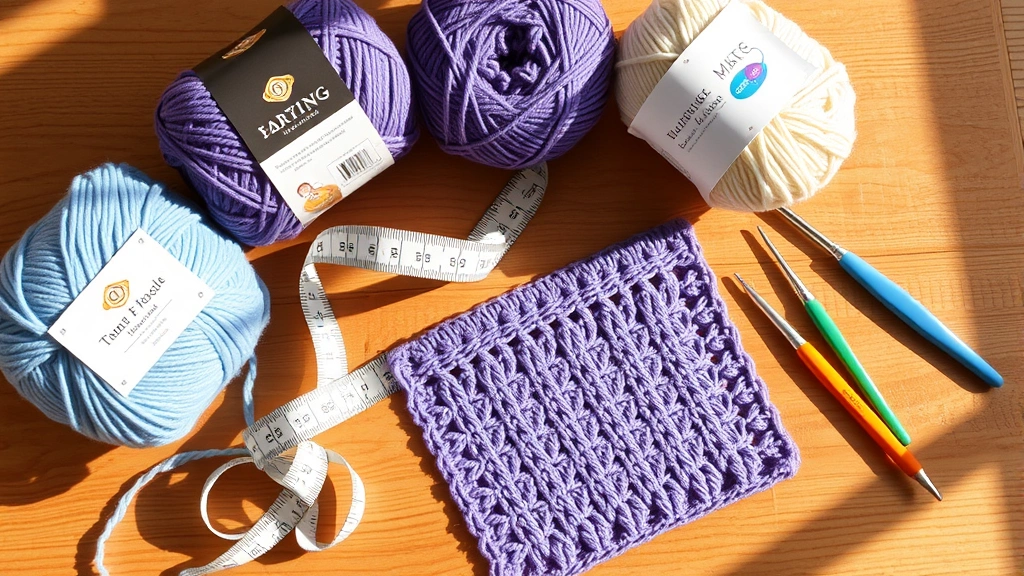
Yarn weight is basically how thick or thin the yarn is, and it’s one of the most important things to nail down when you’re starting out. The Craft Yarn Council has standardized this into categories ranging from 0 (lace) all the way up to 7 (jumbo), but honestly, most beginners work with weights 2 through 5. Let me break down what you’ll actually encounter.
Fingering weight (0-1) is super thin and delicate. It’s gorgeous for intricate shawls and detailed amigurumi, but it takes forever to work up. If you’re just starting, I’d say hold off on this unless you’ve got serious patience and a specific project calling your name.
Sport and DK weight (2-3) are lighter, more delicate options that work beautifully for baby items, lightweight garments, and detailed stitch patterns. They’re forgiving enough for beginners but still require focus. You’ll see these recommended a lot for projects with intricate stitch patterns.
Worsted weight (4) is honestly the sweet spot for most beginners. It’s thick enough that you can see your stitches clearly, it works up relatively quickly, and there are literally millions of patterns designed around it. Most of the yarn you’ll find in craft stores falls into this category for good reason.
Bulky weight (5-6) is perfect when you want to see progress fast. Scarves, blankets, and chunky sweaters come together in what feels like no time. The trade-off is that stitch definition can get a little mushy, and you’ve got fewer pattern options.
Here’s a practical tip: always check your pattern’s recommended yarn weight first. That’s your starting point. Then, if you want to experiment with something different, you can calculate whether it’ll work using yardage and a gauge swatch—but we’ll get to that.
Fiber Content: The Heart of Your Project
This is where yarn gets really personal, because fiber choice affects how your project feels, how long it lasts, how much it costs, and honestly, whether you’ll enjoy working with it every single day. Let’s talk through the main options you’ll encounter.
Acrylic yarn gets a bad rap sometimes, but I’m going to be real with you—it’s genuinely wonderful for a lot of situations. It’s affordable, comes in every color imaginable, it’s easy to care for (usually machine washable), and it doesn’t pill or felt easily. The downsides? It doesn’t breathe as well as natural fibers, it can feel plasticky or slippery in your hands, and it doesn’t age as beautifully. But for practice projects, colorful afghans, and amigurumi that’ll get loved hard by kids, acrylic is totally legitimate. Brands like Lion Brand and Red Heart make really solid acrylic yarns that are perfect for learning.
Wool is the classic for good reason. It’s warm, it’s elastic (meaning stitches are forgiving and fabrics have great recovery), it’s durable, and it feels amazing in your hands. The catch? Some people are sensitive to it, it can be expensive, and it requires more careful washing. Merino wool is softer and less itchy than traditional wool, but it costs more. If you’re making something for yourself that you’ll wear a lot, wool is often worth the investment.
Cotton is perfect for summer items, dish cloths, and anything that needs to breathe. It’s cool, it’s crisp, and it shows stitch definition beautifully. The downside is that cotton has no stretch—so garments made from cotton need to be perfectly fitted, and it can be harder on your hands during long crochet sessions. It’s also heavier than wool, so a cotton sweater will feel substantial.
Blends are where it gets interesting. Wool-acrylic blends give you the best of both worlds—the warmth and feel of wool with the affordability and easy care of acrylic. Cotton-acrylic blends offer the breathability of cotton with more stretch and durability. Alpaca blends are luxuriously soft and warm without being as expensive as pure alpaca.
Here’s my honest take: if you’re new to crochet, start with mid-range acrylic or wool-acrylic blends while you’re learning tension and technique. Once you’ve got a few projects under your belt and you know what you actually enjoy making, invest in the fibers that make your heart happy.
Yardage and Project Planning
This is the practical math part, and I promise it’s not as scary as it sounds. Yardage is simply how much yarn you get—measured in yards or meters. Knowing how much yardage you need is absolutely crucial because running out of yarn mid-project is incredibly frustrating.
Every crochet pattern tells you how much yardage you’ll need. This is different from the number of balls or skeins because different yarn weights have different yardages. For example, you might need 800 yards of worsted weight, which could be two skeins of one brand or four skeins of another.
Here’s where it gets important: always buy a little extra. I’m serious. Buy at least 10-15% more yarn than the pattern calls for. Why? Because everyone’s tension is slightly different, gauge swatches use yarn, and sometimes you’ll frog a section and need to redo it. Plus, dye lots matter. If you run out and need to buy more, getting a different dye lot might mean your colors don’t match perfectly.
When you’re shopping, check the yardage on the label—it’s usually right there next to the weight. If you’re substituting yarns (like switching from acrylic to a wool blend), make sure the new yarn has similar yardage to what your pattern calls for. You can also check Ravelry, which is basically the encyclopedia of crochet and knitting patterns. Tons of people share what yarn they actually used, how much they needed, and whether they’d do it again.
One more practical thing: keep your pattern and yarn labels together. Seriously. Take a photo of the label or write down the fiber content, care instructions, dye lot, and yardage. Future you will be so grateful when you need to block your finished project or wash it properly.
Practical Tips for Testing Yarn Before Committing
Before you commit to 1,000+ yards of yarn for a big project, let’s talk about how to make sure it’s actually going to work for you. This is where a lot of beginners skip steps and then regret it.
Make a gauge swatch first. I know, I know—everyone groans about gauge swatches. But here’s why they matter: they tell you whether your yarn and hook combination will create the fabric the pattern designer intended. Your pattern will say something like “16 stitches and 10 rows = 4 inches.” You crochet a swatch, measure it, and see if you match. If you’re getting fewer stitches in 4 inches, your fabric will be looser and your project will be bigger than expected. More stitches means tighter, smaller fabric. It’s not complicated, but it does matter—especially for garments where fit is important.
Pay attention to how the yarn feels in your hands. Some yarns are slippery and hard to keep tension on. Some are sticky and slow you down. Some feel like silk and some feel like rope. None of these are wrong, but they do affect your crochet experience. If you hate how a yarn feels to work with, you’re way less likely to finish your project.
Check the label for care instructions. If you’re making a sweater you’ll wear constantly, you need yarn that fits your lifestyle. If you’ve got kids and pets, machine-washable is probably non-negotiable. If you’re making a special shawl for occasional wear, hand-wash-only fiber is fine.
Consider the color in different lighting. This sounds silly but it’s real—yarn can look completely different in natural light versus store lighting versus your living room lamp. If you’re shopping online, try to see photos in multiple lighting conditions before ordering.
Budget-Friendly Strategies Without Sacrificing Quality
Let’s talk money, because yarn can absolutely add up, especially when you’re working on multiple projects. The good news is that you don’t need to spend a fortune to make beautiful things.
Buy on sale strategically. Yarn goes on sale seasonally. Winter yarns get discounted in spring, summer colors in fall. If you’ve got projects in mind, buying off-season is totally legitimate. Just make sure you’re buying yarn you actually love, not just because it’s cheap.
Join a yarn club or subscribe to newsletters. Craft stores send coupons constantly. Signing up for emails from places like Michaels or local yarn shops means you’ll know about sales before everyone else.
Buy quality where it matters. You don’t need expensive yarn for everything. Acrylic practice pieces? Totally fine with budget yarn. A sweater you’ll wear hundreds of times? Investing in better fiber makes sense. Think about longevity and use when deciding where to splurge.
Swap with other crocheters. Join local crochet groups or online communities. People often have yarn they’re not using, and swapping or buying secondhand is both budget-friendly and sustainable. Plus, you might discover new favorite brands.
Calculate your actual cost per project. A $20 skein sounds expensive until you realize it makes an entire blanket. Breaking down cost by finished project (not by yarn brand) helps you see whether you’re actually spending more than you think.
Here’s what I’ve learned: the best yarn is the one you’ll actually use. Expensive yarn sitting in your stash unused is money wasted. Budget yarn you love working with and actually finish? That’s money well spent.
FAQ
What’s the difference between yarn weight and fiber weight?
Yarn weight refers to how thick or thin the yarn is (like worsted or bulky). Fiber weight is the actual heaviness of the material—so a bulky acrylic yarn might be lighter overall than a worsted wool, even though the acrylic yarn is thicker. When you’re shopping, focus on yarn weight since that’s what determines how your project will turn out.
Can I use a different yarn than what the pattern calls for?
Yes, absolutely—with caveats. If you’re substituting yarn weights, you’ll need similar yardage and you should make a gauge swatch. If you’re just changing colors, you’re golden. The safest substitutions are within the same weight category. Going from worsted to sport weight or bulky changes how your entire project works, so approach that carefully.
How do I know if yarn is good quality?
Good quality yarn feels pleasant in your hands, has consistent thickness, doesn’t shed excessively, and holds color well. It also lasts through many wearings or uses without pilling or falling apart. Price isn’t everything—some budget yarns are genuinely well-made, and some expensive yarns aren’t worth it. Read reviews on Ravelry and check what other crocheters actually say about the yarn you’re considering.
Is it worth buying expensive yarn as a beginner?
Not necessarily. Spend your learning time with yarn you’re comfortable experimenting with. Once you know your preferences and skill level, investing in nicer fiber makes sense. But a $3 skein of acrylic teaches you stitches just as well as a $15 skein of merino.
How should I store yarn so it doesn’t get damaged?
Keep yarn in a cool, dry place away from direct sunlight and moisture. A bin with a lid works great. Keep it away from pets and kids if you can, since yarn is basically a toy to them. Store yarn loosely—don’t pack it tight. And definitely keep labels with your yarn so you know fiber content and care instructions later.